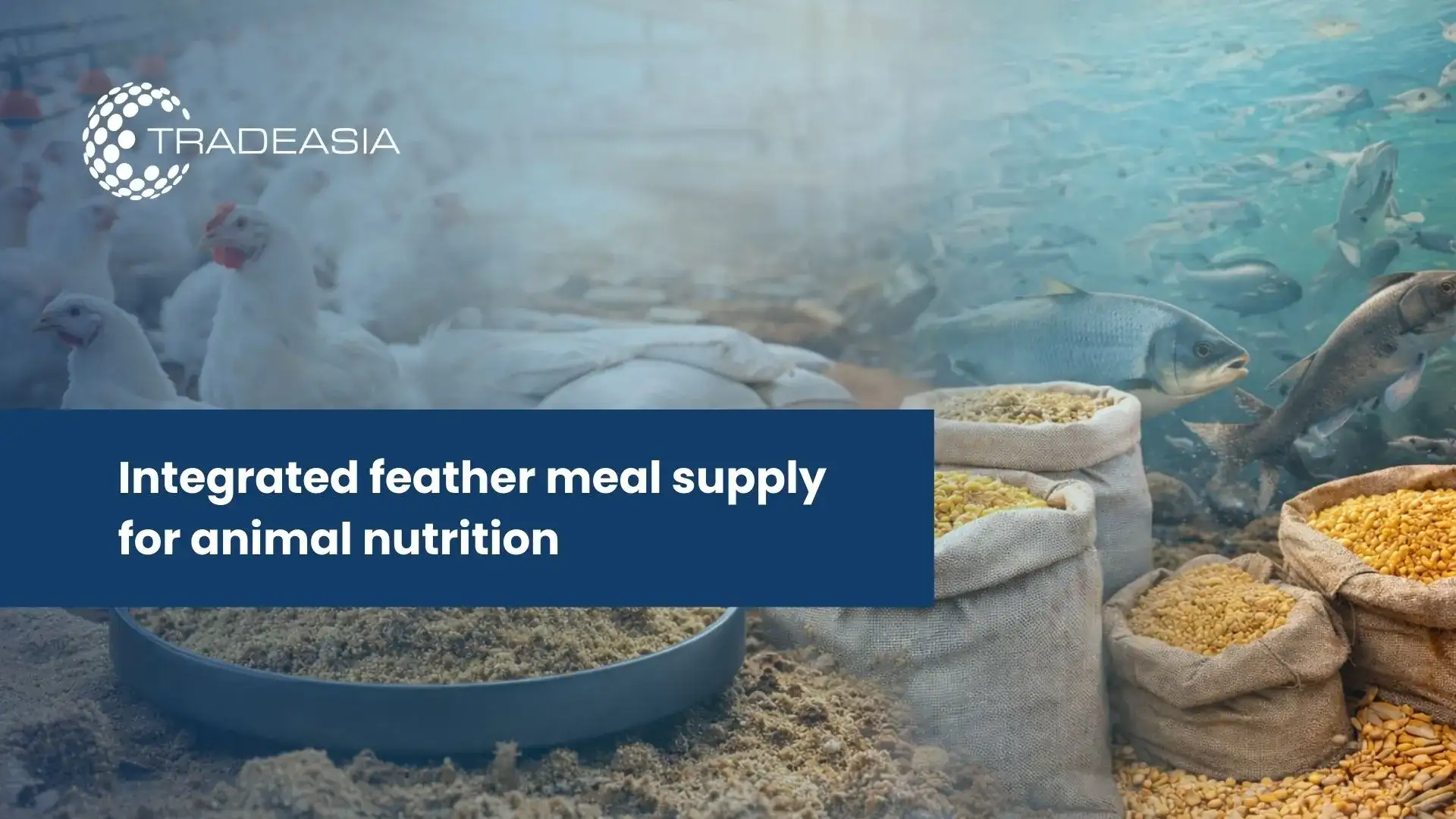
Introduction Feather Meal
Across Asia, rapid growth in poultry, aquaculture, and livestock sectors is driving intense demand for high-quality, cost-effective protein sources in compound feeds. As margins tighten and sustainability expectations rise, feed formulators are increasingly turning to rendered by-products such as Feather Meal to balance nutrition, price, and environmental impact. Leveraging these by-products effectively requires not only technical understanding of the ingredient, but also a resilient and transparent supply chain.
Feather Meal, produced from processed poultry feathers, has emerged as a strategic protein ingredient thanks to its high crude protein content, relatively stable pricing compared with fishmeal, and its contribution to circular economy principles. In Asia, where poultry production is concentrated in countries such as China, India, Thailand, Indonesia, and Vietnam, the availability of feathers as a raw material creates a strong foundation for regional Feather Meal industries and export-oriented trade flows.
This article explores the structure and dynamics of the Feather Meal supply chain in Asia, from raw material sourcing and processing to quality standards, logistics, and market trends. It also highlights how integrated trading platforms like chemtradeasia support feed manufacturers and distributors in securing consistent, compliant, and competitively priced Feather Meal for diverse animal nutrition applications.
Understanding Feather Meal as a Strategic Feed Ingredient
Feather Meal is a rendered product derived primarily from clean, undecomposed poultry feathers collected at slaughterhouses and processing plants. These feathers, composed largely of the fibrous protein keratin, are subjected to high-pressure steam hydrolysis and drying, transforming an otherwise low-value by-product into a concentrated protein ingredient. Typical crude protein levels range from 80% to 90%, depending on processing conditions and blending practices. This makes Feather Meal a compelling partial substitute for more expensive protein sources such as fishmeal, meat and bone meal, or soybean meal in certain formulations.
From a nutritional standpoint, Feather Meal is characterized by high levels of specific amino acids such as cystine, but relatively lower digestibility of some essential amino acids if processing is not carefully controlled. Hydrolysis and heat treatment are critical to breaking down the strong disulfide bonds in keratin. When optimized, apparent digestibility coefficients in monogastric animals can be significantly improved, especially when Feather Meal is used in combination with other protein sources and supplemented with synthetic amino acids where needed.
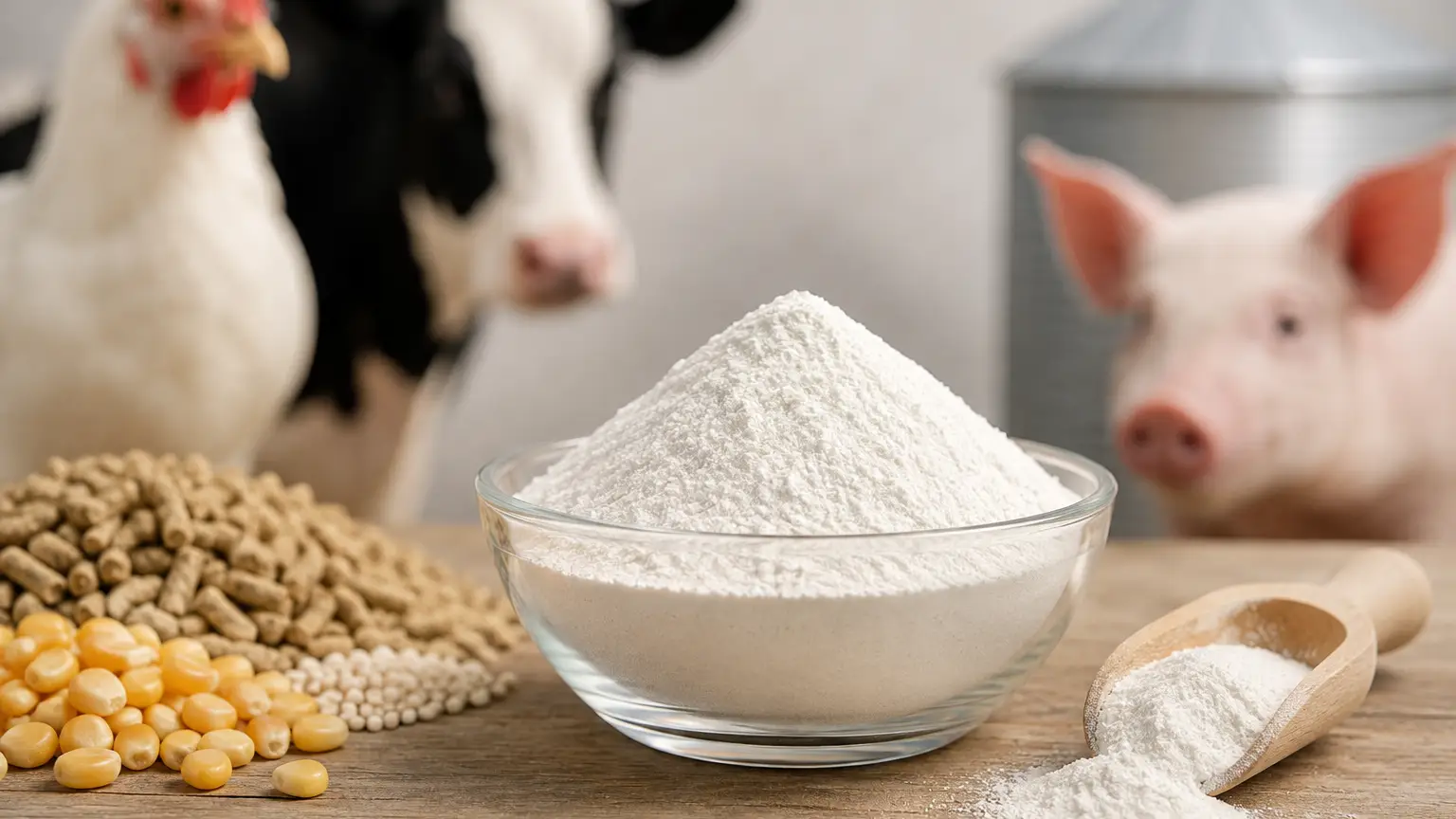
In Asian feed markets, Feather Meal is primarily used in poultry, swine, aquaculture, and sometimes pet food formulations at inclusion rates typically ranging from 2% to 7%, depending on species, life stage, and formulation objectives. Its key value proposition lies in cost-efficient protein contribution, reduction of waste from poultry processing, and alignment with sustainability targets. Feed producers increasingly evaluate Feather Meal not solely on price per ton, but on digestible amino acid cost, traceability, and environmental footprint.
Production, Quality Specifications, and Safety Considerations
Commercial production of Feather Meal in Asia generally follows a standardized rendering process. Fresh feathers are collected from poultry slaughterhouses, screened for contaminants, and often pre-washed. They are then subjected to steam hydrolysis in batch or continuous cookers at elevated temperatures (typically 130–150°C) and pressures for a defined duration. This process partially breaks down keratin and denatures proteins, enhancing digestibility and ensuring microbial safety. The hydrolyzed feathers are then pressed, dried, and ground into a uniform meal, sometimes blended with blood or other poultry by-products to adjust nutritional profiles.
Quality specifications for Feather Meal are shaped by national feed regulations, international trade standards, and buyer-specific requirements. Typical parameters include crude protein (often targeted at ≥80%), moisture (usually ≤10%), crude fat, ash content, and pepsin digestibility. Microbiological criteria, such as limits on Salmonella and total plate counts, are critical for feed safety. In export-oriented markets, compliance with standards such as those of the European Union, the U.S. FDA, and local authorities in importing countries is often mandatory. Producers increasingly adopt HACCP, ISO 22000, and GMP+ certifications to demonstrate process control and quality assurance.
Safety considerations extend beyond microbiological control to include contaminants, traceability, and correct handling. Cross-contamination with non-permitted animal materials, presence of foreign objects, or excessive heat treatment that damages amino acids can all reduce value or lead to regulatory non-compliance. Storage and transportation conditions must protect against moisture uptake, infestation, and re-contamination. Buyers and traders, including platforms like chemtradeasia, often implement supplier qualification programs, periodic audits, and third-party laboratory testing to verify that Feather Meal shipments meet agreed specifications and legal requirements in target markets across Asia.
Feather Meal Supply Chain Dynamics in Asia
The Feather Meal supply chain in Asia begins at poultry processing plants, which generate large volumes of feathers as a by-product. Major poultry-producing countries such as China, India, Indonesia, Thailand, and Vietnam collectively process billions of birds annually, creating a substantial and relatively predictable stream of raw materials. Feathers are either processed at integrated rendering facilities owned by poultry companies or sold to independent renderers, who aggregate material from multiple plants. The proximity of rendering facilities to slaughterhouses is crucial to minimize spoilage and logistics costs.
Rendered Feather Meal is then sold to domestic feed mills, traders, or export markets. Intra-Asian trade is significant, with countries like Thailand and Indonesia exporting rendered poultry by-product meals, including Feather Meal, to feed-deficit or high-value markets such as Japan, South Korea, and certain Middle Eastern destinations. Supply chain resilience can be affected by factors such as disease outbreaks (e.g., avian influenza), regulatory changes on animal by-products, and shifts in poultry production volumes. For instance, temporary culling or movement restrictions can disrupt feather availability and alter short-term pricing dynamics.
Logistics and trade infrastructure play a decisive role in the competitiveness of Asian Feather Meal. Bulk shipments by container or break-bulk vessels require robust port facilities, efficient customs clearance, and reliable documentation, including sanitary certificates and certificates of origin. Freight costs, container availability, and port congestion can significantly influence landed cost for buyers. Trading companies and digital platforms like chemtradeasia help bridge these gaps by coordinating multi-origin sourcing, optimizing shipping routes, consolidating loads, and providing transparent documentation and tracking, which are especially valuable for small and mid-sized feed manufacturers that lack direct international procurement capabilities.
Market Trends, Applications, and the Role of chemtradeasia
Asian demand for Feather Meal is closely tied to structural trends in livestock and aquaculture. According to FAO and regional industry data, Asia accounts for well over half of global poultry meat production, with China and India among the fastest-growing markets. Concurrently, aquaculture output in countries like China, Vietnam, Indonesia, and Bangladesh has expanded rapidly, increasing the need for protein ingredients that can partially replace marine-based meals. As fishmeal prices remain volatile and sustainability concerns grow, feed formulators are increasingly evaluating rendered animal proteins, including Feather Meal, to diversify their raw material base.
In practical feed applications, Feather Meal is used as a complementary protein source. In broiler and layer diets, small inclusion rates can help reduce overall feed cost while maintaining performance, provided that amino acid balance and digestibility are carefully managed. In swine diets, Feather Meal is often used in grower–finisher phases with appropriate formulation adjustments. Aquaculture feeds for species such as tilapia, carp, and certain catfish can incorporate Feather Meal in combination with plant proteins and other animal by-products, subject to local regulatory allowances and consumer perceptions. Pet food manufacturers may also use high-quality, traceable Feather Meal in specialized formulations where labeling and marketing conditions permit.
Within this context, chemtradeasia plays a facilitative role by connecting reliable Feather Meal producers with feed manufacturers and distributors across Asia and beyond. As a multi-product chemical and feed ingredient trading platform, chemtradeasia aggregates supply from vetted rendering plants, standardizes contract terms, and offers visibility on origin, specifications, and certification status. This helps buyers compare offers not only on price, but also on protein content, digestibility, microbiological quality, and compliance with destination-country regulations. By leveraging its logistics network and documentation expertise, chemtradeasia supports on-time delivery, reduces the administrative burden on purchasers, and enhances overall supply chain reliability for Feather Meal and other feed ingredients.
Conclusion
The evolution of the Feather Meal supply chain in Asia reflects broader shifts in the region’s feed and livestock industries. As poultry production scales up and pressure mounts to utilize by-products more efficiently, Feather Meal has gained prominence as a high-protein, cost-effective, and increasingly sustainable component of compound feeds. Its successful use, however, depends on controlled processing, adherence to stringent quality and safety standards, and sophisticated logistics that can deliver consistent product to feed mills across diverse markets and regulatory environments.
For feed manufacturers, integrators, and distributors, partnering with experienced suppliers and trading platforms is essential to manage variability in raw material quality, navigate regulatory requirements, and optimize total cost of procurement. Platforms such as chemtradeasia add value by aggregating supply from multiple origins, implementing robust supplier qualification and quality checks, and coordinating international logistics and documentation. This enables buyers to focus on formulation, production efficiency, and market development, while relying on a trusted partner to handle the complexities of sourcing Feather Meal and other key feed ingredients across Asia’s dynamic markets. For detailed specifications, pricing information, and reliable Feather Meal supply across Asia, please contact Chemtradeasia to discuss your feed formulation and procurement needs.
This article is intended solely for informational and market insight purposes and does not constitute technical, safety, regulatory, or professional advice. Users should independently verify all information with qualified experts, consult official documentation such as MSDS/SDS and relevant regulations, and contact appropriate professionals or our team before making decisions on specific formulations, processing conditions, or applications of Feather Meal and related products.