
Introduction
Across Asia, rapid growth in livestock, poultry, and aquaculture production is reshaping the demand landscape for high-quality feed ingredients. As producers seek cost-effective, sustainable protein sources, feather meal has emerged as a strategic component in feed formulations, especially in markets such as Singapore that serve as regional trade and logistics hubs. Derived from poultry processing by-products, feather meal offers a unique combination of high crude protein content and circular-economy benefits, aligning with both economic and environmental priorities.
Singapore, despite having limited primary agriculture, plays an outsized role in coordinating regional feed ingredient trade, quality assurance, and innovation. The city-state’s position as a financial and logistics center allows it to connect producers, traders, and feed manufacturers across Southeast Asia, China, India, and beyond. Within this ecosystem, specialized trading platforms and distributors such as chemtradeasia support the sourcing, quality control, and supply chain efficiency of feather meal and other feed-related chemicals and additives.
This article provides a detailed, market-focused overview of feather meal as a feed ingredient in Asia, with attention to Singapore’s role in distribution. It examines product characteristics, applications across species, regional market dynamics, and how integrated trading networks help feed manufacturers manage cost, quality, and sustainability considerations. The objective is to equip industry professionals with structured insight into how feather meal fits into the evolving feed ingredient portfolio.
Feather Meal as a Strategic Feed Ingredient in Asia
Feather meal is produced from poultry feathers, primarily from chicken processing facilities. Feathers consist largely of keratin, a fibrous protein that is naturally resistant to digestion. Through specialized processing, however, this keratin can be transformed into a highly digestible protein source suitable for inclusion in animal feeds. In Asia, where poultry production has expanded significantly over the past two decades—particularly in China, Thailand, Indonesia, Vietnam, and India, the volume of available feathers has increased in parallel, creating a strong supply base for feather meal production.
The strategic importance of feather meal in the region stems from both its nutritional profile and its role in waste valorization. Instead of disposing of feathers as waste, rendering them into feather meal converts a low-value by-product into a high-protein ingredient, typically containing around 80–90% crude protein on a dry matter basis, depending on processing conditions and formulation (e.g., pure feather meal versus feather-and-blood blends). This supports circular economy objectives and reduces environmental burdens associated with waste disposal, aligning with sustainability frameworks adopted by many Asian governments and corporations.
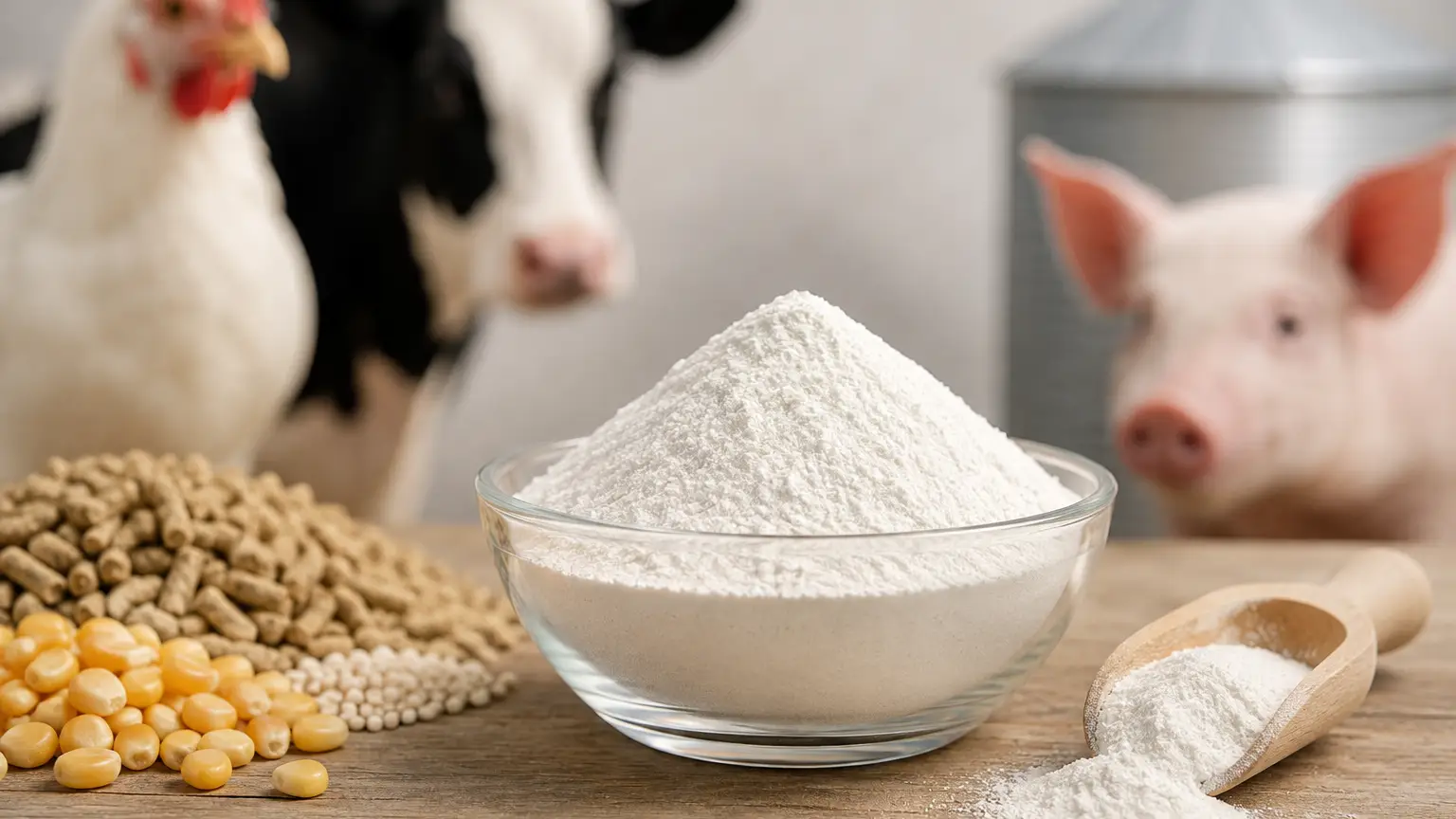
From a feed formulation perspective, feather meal is often used as a partial replacement for more expensive protein sources such as fish meal or soybean meal. While its amino acid profile and digestibility characteristics require careful balancing, its high protein concentration and competitive cost per unit of digestible protein make it attractive in poultry, swine, ruminant, and aquaculture diets. In Southeast Asia, inclusion rates typically range from 2–5% in poultry and swine feeds, and can be higher in ruminant diets, depending on local regulations and nutritional strategies.
Production, Specifications, and Quality Parameters of Feather Meal
Modern feather meal production involves a sequence of collection, cleaning, hydrothermal processing, drying, and grinding. Raw feathers from poultry processing plants are first washed to remove contaminants and residual tissue. They are then subjected to high-pressure, high-temperature hydrolysis often in batch or continuous cookers where the keratin structure is broken down, improving digestibility. Typical processing conditions range around 120–150°C at pressures of 3–5 bar for 30–60 minutes, though exact parameters vary by technology and desired product characteristics.
The resulting hydrolyzed mass is then dried to reduce moisture content, typically to below 10%, and ground into a uniform meal. Quality specifications for commercial feather meal commonly include crude protein of 80–90%, moisture below 10%, fat content in the range of 4–12%, and ash levels typically below 5–8%. Digestibility, particularly pepsin digestibility, is a critical parameter: values above 75–80% are generally preferred for high-quality feather meal. Over-processing can damage amino acids such as lysine and reduce digestibility, while under-processing can leave keratin insufficiently hydrolyzed, limiting nutritional value.
Feed manufacturers and traders, including companies working through platforms like chemtradeasia, place strong emphasis on consistent quality and compliance with regional standards. Microbiological safety (low levels of Salmonella and other pathogens), controlled levels of heavy metals, and absence of foreign matter are essential. In addition, some markets require traceability back to poultry processing plants and adherence to animal by-product regulations. Singapore’s role as a quality-focused trading hub means that feather meal imported, transshipped, or traded through the country often undergoes rigorous documentation and quality verification, supporting confidence among feed producers across Asia.
Applications and Benefits of Feather Meal in Livestock and Aquaculture
Feather meal is utilized across multiple animal species, each with specific nutritional and regulatory considerations. In poultry feeds, it is typically included at modest levels to boost total protein and contribute sulfur-containing amino acids such as cysteine. Because feather meal is relatively low in lysine and methionine compared with fish meal or soybean meal, formulators usually combine it with other protein sources and synthetic amino acids to achieve balanced profiles. When processed correctly, feather meal can help reduce feed costs while maintaining performance metrics such as weight gain and feed conversion ratio.
In swine diets, feather meal is often used in grower and finisher rations rather than in starter feeds, where highly digestible and palatable proteins are preferred. Inclusion levels are generally kept conservative, and digestibility data from specific suppliers are used to fine-tune formulations. For ruminants such as cattle, feather meal can function as a slowly degradable protein source, supporting microbial protein synthesis in the rumen and supplying bypass protein to the small intestine. This can be advantageous in high-production dairy systems or intensive beef operations common in some parts of China and India, where precision feeding is increasingly adopted.
Aquaculture is another important growth area for feather meal usage in Asia. As fish meal prices remain volatile and environmental pressures on wild fisheries intensify, aquafeed producers are experimenting with alternative proteins. Feather meal, often combined with other poultry by-product meals, can partially replace fish meal in diets for species such as tilapia, carp, and some marine fish, provided digestibility and palatability are adequately addressed. Here as well, the role of specialized suppliers and traders, including chemtradeasia, is to provide consistent quality, detailed specifications, and technical data that allow nutritionists to integrate feather meal into complex feed matrices.
Market Trends, Trade Flows, and the Role of Chemtradeasia
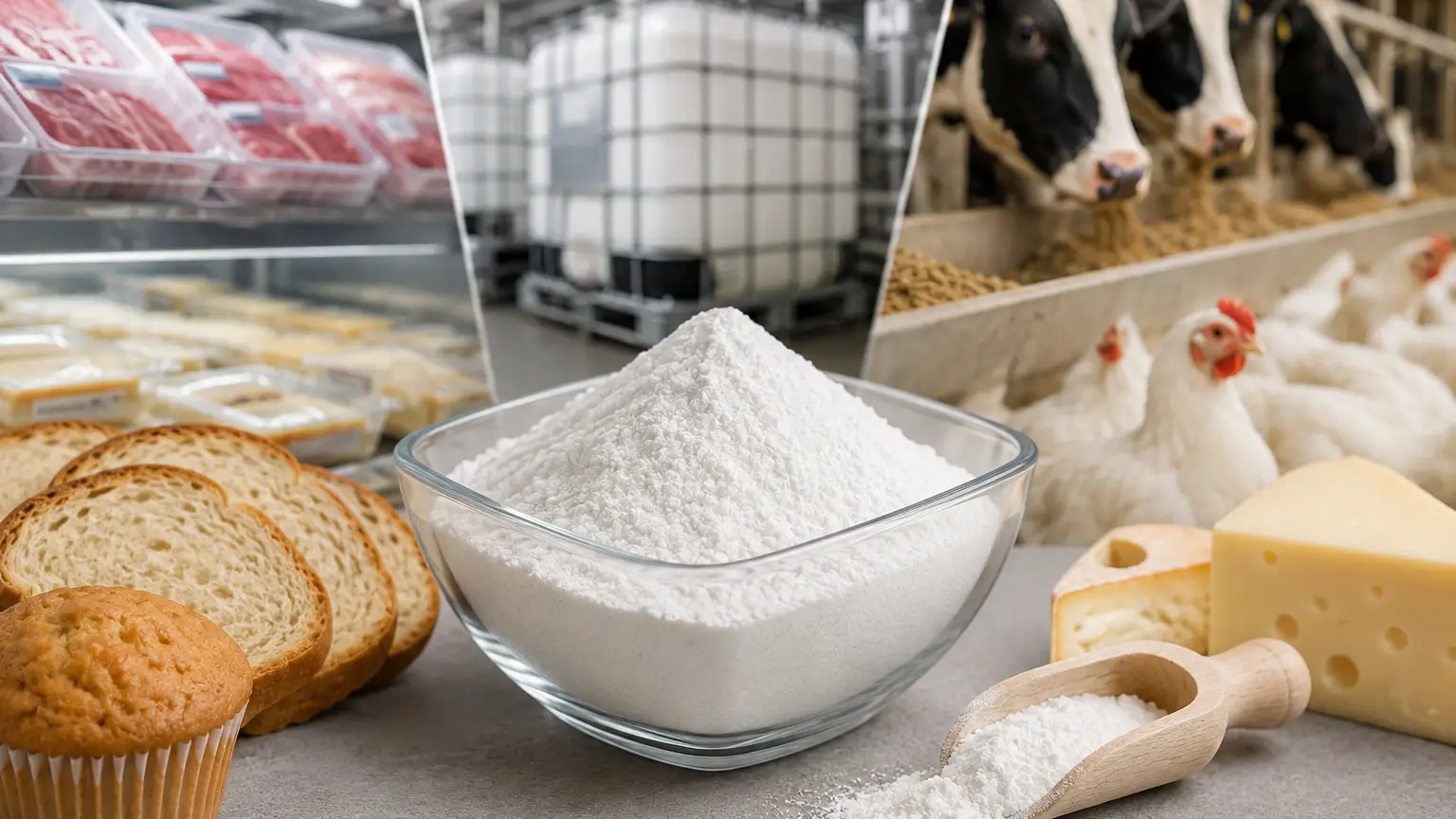
The Asian feather meal market is closely linked to poultry slaughter volumes and regional feed demand. Major producing countries include China, Thailand, Malaysia, Indonesia, and India, each with substantial poultry processing industries. Much of the feather meal produced is consumed domestically, but a significant portion enters regional trade, with flows directed toward feed-deficit markets or specialized aquafeed clusters. Singapore functions as a key logistics and commercial node in this network, facilitating contracts, financing, quality control, and redistribution across Southeast Asia and beyond.
Several macro trends are shaping feather meal demand and trade patterns. First, rising meat and fish consumption across Asia, driven by population growth and income increases, is boosting demand for compound feeds and, consequently, for protein ingredients. Second, cost volatility in traditional proteins such as fish meal and soybean meal encourages feed formulators to diversify their ingredient baskets, enhancing the attractiveness of co-product meals like feather meal. Third, sustainability and circular economy policies are prompting processors and feed companies to utilize by-products more efficiently, with feather meal fitting well into corporate ESG narratives and regulatory frameworks.
Within this context, trading and distribution platforms such as chemtradeasia play an enabling role. By aggregating supply from multiple qualified producers and offering standardized documentation, quality testing, and logistics coordination, they help feed manufacturers in markets like Vietnam, the Philippines, and Bangladesh secure reliable feather meal supplies. Furthermore, integrated portfolios that include not only feather meal but also related chemicals and additives, such as antioxidants, preservatives, and amino acids, allow buyers to streamline procurement and align product specifications more closely with nutritional and regulatory requirements. For Singapore-based and regional customers, this combination of market access, technical data, and supply chain reliability is a key value proposition.
Conclusion
Feather meal has evolved from a niche by-product to a strategically important component of Asia’s feed ingredient mix. Its high protein content, competitive cost structure, and alignment with circular economy principles make it an attractive option for poultry, swine, ruminant, and aquaculture feed formulations. As livestock and aquaculture sectors across Asia continue to expand and modernize, the capacity to integrate alternative proteins like feather meal will be central to managing feed costs and environmental impacts.
Singapore’s role as a regional trade and quality hub amplifies the importance of reliable distribution channels and professional trading partners. Companies such as chemtradeasia contribute by connecting producers and feed manufacturers, ensuring that feather meal meets stringent quality, safety, and documentation standards, and by providing a broader portfolio of complementary feed-related chemicals and ingredients. This ecosystem supports more resilient, efficient, and sustainable feed supply chains throughout Asia. To explore reliable sourcing, quality specifications, and tailored supply solutions for feather meal and other feed ingredients across Asia, connect with our team.
This article is intended solely for informational and market insight purposes and does not constitute technical, safety, formulation, or professional advice. Users should independently verify all information with qualified experts, consult official documentation such as MSDS/SDS and relevant regulations, and contact appropriate specialists or our team for guidance on specific technical applications or product use.