
Poultry Meal Market 2026: Stable Production but Rising Logistics Risks
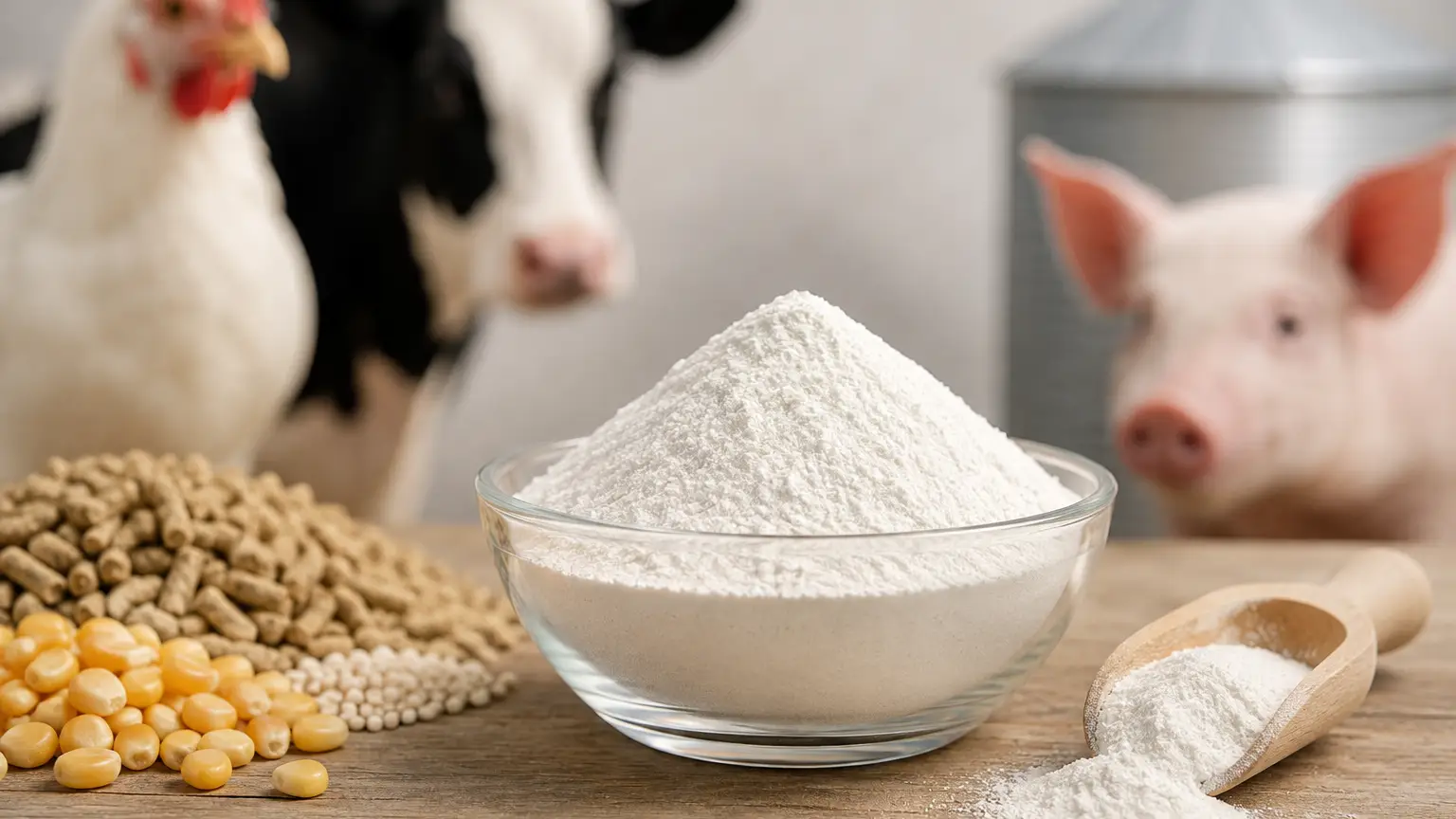
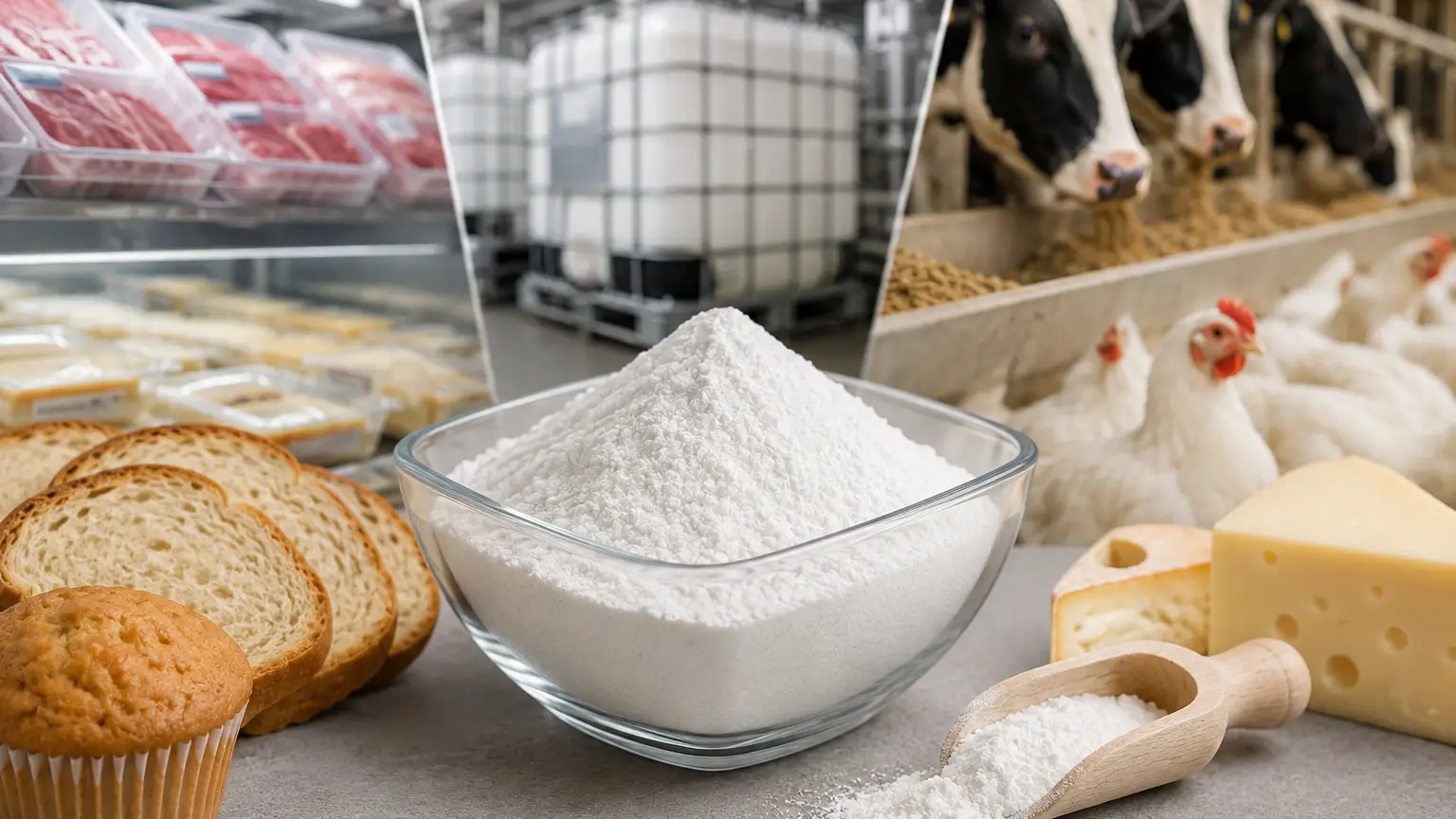
The poultry meal market 2026 continues to demonstrate stable production capacity across major exporting regions such as North America, South America, and Southeast Asia. Poultry meal remains an essential protein ingredient used widely in aquaculture, livestock nutrition, and pet food manufacturing. Its high protein content and cost-efficiency make it a valuable component of commercial feed formulations.
According to global feed industry analysis published by the Food and Agriculture Organization (FAO), animal protein feed ingredients derived from poultry processing remain a key part of modern feed production systems. This sustained demand supports long-term stability in poultry meal animal feed demand worldwide.
Logistics Risks Emerging in Feed Commodity Trade
Despite stable production levels, poultry meal price trend forecasts for 2026 are increasingly influenced by global logistics conditions. Geopolitical tensions and shipping disruptions have introduced uncertainty in agricultural commodity transport networks.
Market analysis from Argus Media indicates that freight costs and shipping route changes can significantly influence commodity markets even when supply remains consistent. As a result, poultry meal market 2026 pricing may reflect logistics pressures rather than raw material shortages.
Strait of Hormuz Shipping Disruption and Global Feed Supply Chains
The Strait of Hormuz represents one of the world’s most critical maritime trade routes, particularly for energy exports and bulk commodities. Any disruption in this corridor can have cascading effects across global shipping networks.
According to analysis published in
Strait of Hormuz Tanker Traffic Collapse Triggers Global Shipping Crisis, declining vessel traffic and security concerns in the region have caused shipping companies to reroute vessels and reassess transit risks.
Maritime Insurance and Shipping Route Adjustments
Maritime insurers have also begun limiting war-risk insurance coverage for vessels transiting through high-risk zones in the Persian Gulf. These changes increase operational costs for shipping companies and reduce available freight capacity.
Consequently, Strait of Hormuz shipping disruption has begun influencing global feed commodity logistics. Even industries not directly connected to Gulf exports, such as animal feed ingredients, can experience freight volatility due to global shipping network adjustments.
Fuel Prices and Agricultural Commodity Shipping Costs
Bunker fuel prices are a critical cost component in maritime shipping operations. When geopolitical tensions influence energy markets, marine fuel costs typically rise in response.
According to the International Energy Agency (IEA), disruptions affecting Gulf maritime choke points often contribute to oil price fluctuations. These price changes subsequently influence global freight markets.
Freight Costs Affecting Feed Ingredient Trade
Rising bunker fuel prices increase transportation expenses for bulk agricultural commodities, including poultry meal protein feed ingredient shipments. Shipping companies often pass these additional costs on to importers and distributors.
Shipping market reports from Drewry suggest that freight volatility may continue throughout 2026 as vessels adjust routes to avoid geopolitical risk zones. This dynamic contributes to increasing agricultural commodity shipping costs for feed ingredients.
Poultry Meal Animal Feed Demand and Global Market Drivers
Global demand for poultry meal continues to expand due to the growth of livestock production and aquaculture industries. As populations grow and protein consumption increases, feed manufacturers require reliable high-protein ingredients.
According to FAO livestock production statistics, poultry and aquaculture sectors are among the fastest-growing segments of global food production. This trend reinforces the importance of poultry meal animal feed demand in supporting global food supply chains.
Nutritional Value of Poultry Meal
Poultry meal provides a concentrated source of digestible protein, essential amino acids, and energy for livestock diets. These nutritional properties make it a widely used alternative to other animal protein ingredients.
Research published in the Journal of Animal Science indicates that poultry meal protein feed ingredient formulations contribute to improved feed conversion efficiency in poultry and aquaculture diets. This nutritional advantage sustains long-term demand in feed markets.
Export Logistics from Major Poultry Meal Producing Regions
Major poultry meal production centers include the United States, Brazil, and Southeast Asian countries where poultry processing industries are well established. These regions export significant volumes of rendered protein ingredients to international feed markets.
Buyers sourcing poultry meal can review product specifications through the
Poultry Meal Product Page, which provides technical details on quality standards and feed applications.
Documentation and Product Transparency
In international feed ingredient trade, product documentation and regulatory compliance play a crucial role in procurement decisions. Importers often require technical specifications and safety documentation before confirming purchases.
These materials can be obtained through the
Feed Ingredients Asia Download Center, allowing buyers to verify product standards and ensure regulatory compliance.
Procurement Strategies for Managing Animal Feed Logistics Risk
The evolving geopolitical landscape is encouraging feed ingredient buyers to adopt more proactive procurement strategies. Logistics risk assessment, freight monitoring, and supply diversification have become key elements of procurement planning.
According to OECD trade and logistics reports, companies that integrate transportation risk analysis into procurement strategies are better prepared to manage disruptions caused by geopolitical tensions.
Supplier Partnerships and Long-Term Planning
Developing strong relationships with reliable suppliers helps companies navigate volatility in freight markets. Diversifying sourcing regions and planning shipments in advance can reduce exposure to shipping disruptions.
Businesses seeking procurement guidance or supply coordination can communicate directly with suppliers through the
Feed Ingredients Asia Contact Page, enabling more effective management of animal feed logistics risk.
Conclusion
Global shipping reroutes and rising fuel prices are adding new uncertainty to agricultural commodity logistics in 2026. While poultry meal production remains stable in major exporting regions, Strait of Hormuz shipping disruption and maritime insurance changes are increasing freight costs across global trade networks.
As a result, poultry meal price trend forecasts may increasingly reflect logistics pressures rather than supply shortages. Buyers evaluating sourcing options through the Poultry Meal Product Page can maintain visibility into supply availability, while technical verification through the Feed Ingredients Asia Download Center supports procurement planning. Direct coordination through the Feed Ingredients Asia Contact Page also enables companies to manage animal feed logistics risk more effectively in a global shipping environment shaped by geopolitical tensions.