Poultry Meal Market Overview in 2026
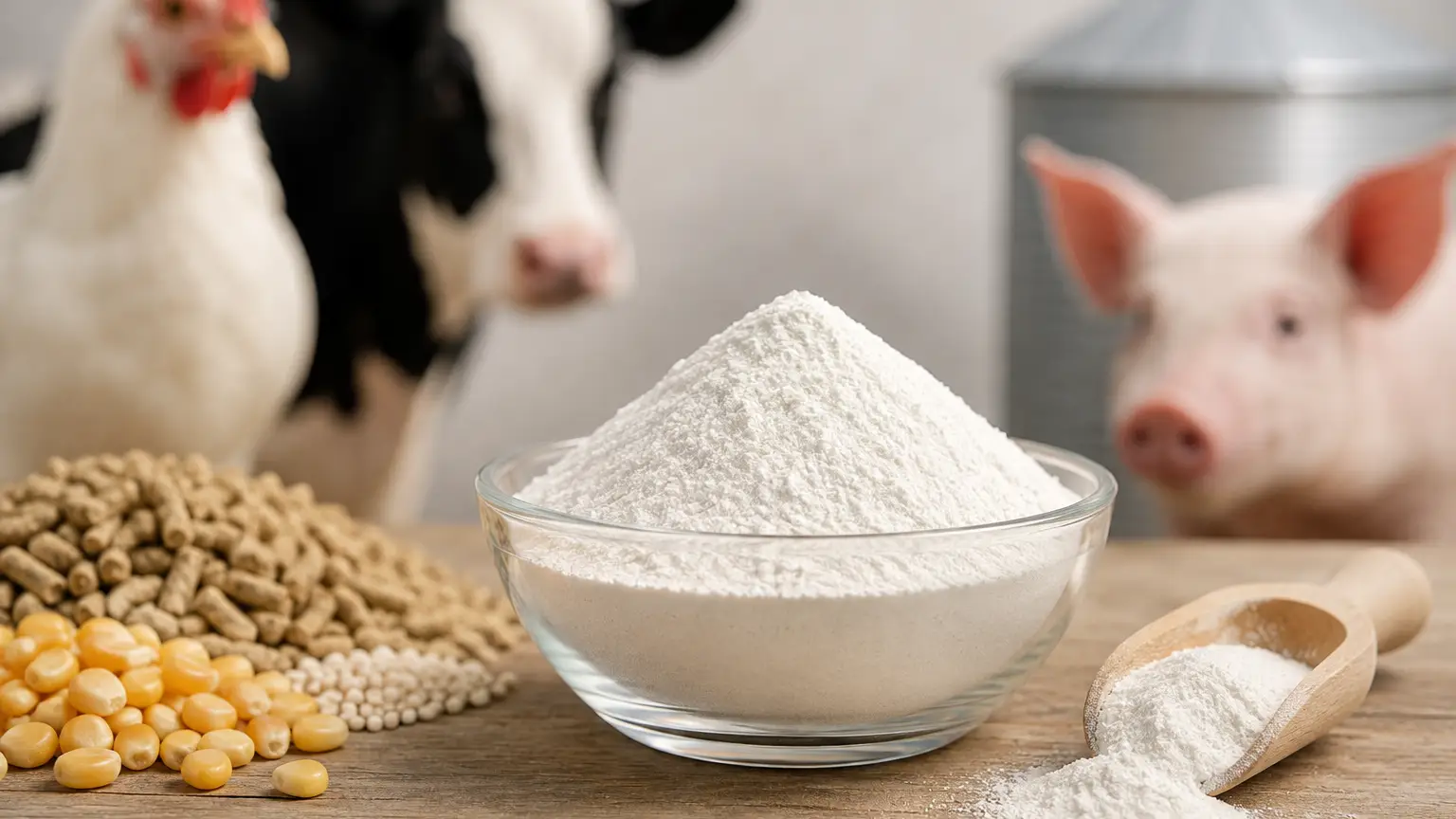
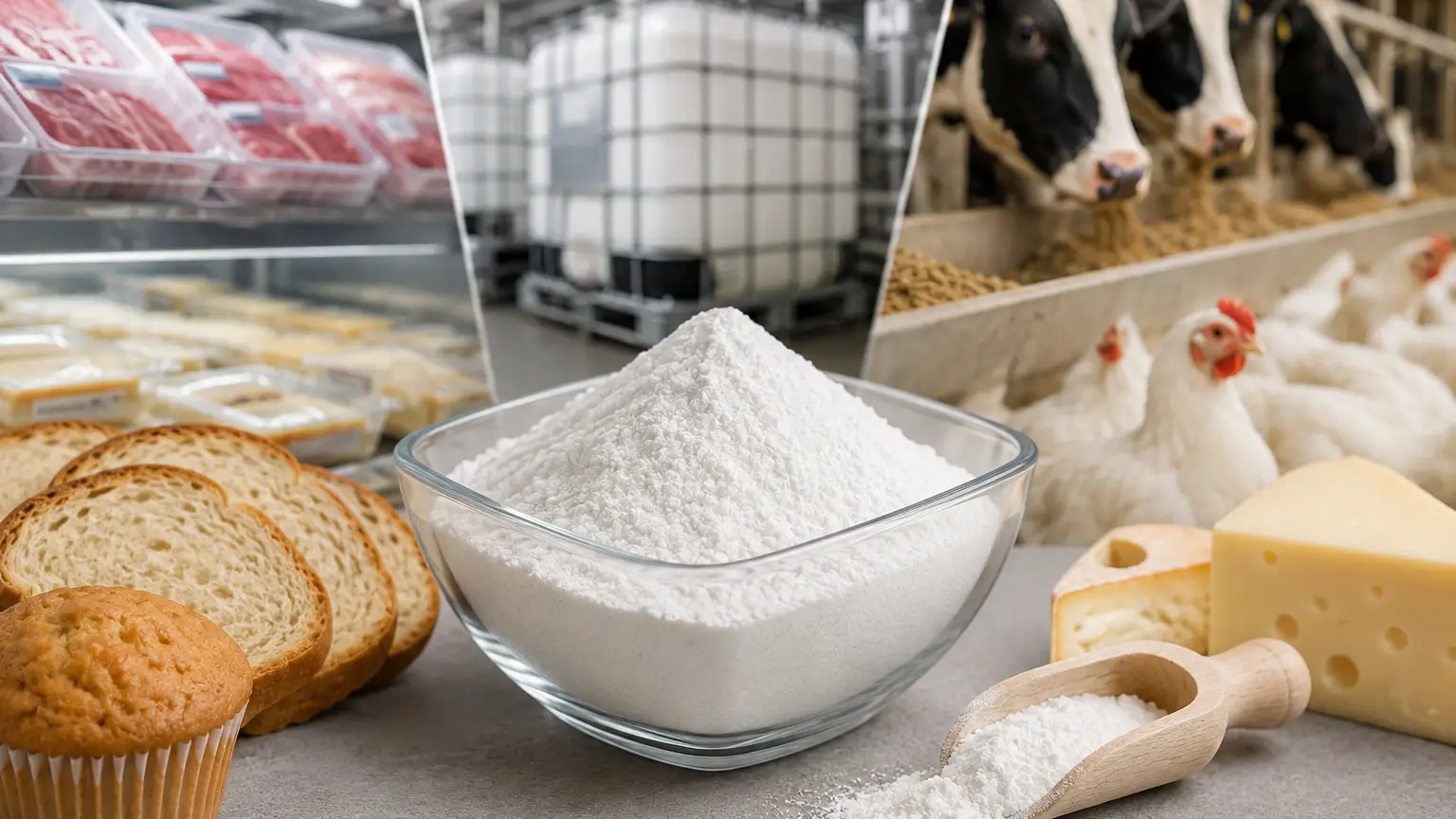
The poultry meal market 2026 is facing a complex set of challenges driven by upstream disruptions in agriculture and logistics. Poultry meal remains a critical protein ingredient used in livestock nutrition, aquaculture, and pet food industries due to its high protein content and cost efficiency compared to alternative feed sources. However, market stability is increasingly influenced by external factors beyond direct production capacity.
According to industry insights published by Poultry Indonesia, global poultry meal demand continues to grow alongside rising consumption of animal protein, particularly in Asia and developing markets. This sustained demand is placing additional pressure on supply chains already strained by cost inflation and logistical challenges.
Demand Drivers in Livestock Nutrition
Poultry meal plays a vital role in animal feed formulations, offering essential nutrients for poultry, aquaculture, and livestock production systems. Its affordability relative to fishmeal and soybean meal has made it a preferred ingredient in cost-sensitive markets.
Despite strong demand fundamentals, the global poultry meal demand landscape is becoming more volatile as upstream cost pressures begin to influence production economics and supply availability across regions.
Fertilizer Shortages and Feed Grain Cost Pressure
Fertilizer shortages are emerging as a major factor affecting feed grain production, which in turn impacts poultry meal supply chains. Nitrogen-based fertilizers such as urea and ammonia are essential for corn and soybean cultivation, both of which are critical inputs in poultry production.
Based on market analysis published by the Food and Agriculture Organization (FAO), global fertilizer supply disruptions have significantly increased agricultural input costs, particularly in regions dependent on imports.
Rising Costs of Corn and Soybean Inputs
As fertilizer prices surge, farmers face higher production costs for feed grains, leading to increased market prices for corn and soybean meal. These higher input costs directly affect poultry farming operations.
The resulting feed grain cost increase contributes to higher production costs for poultry meal, as producers must absorb or pass on these expenses, influencing overall pricing trends in the animal feed market.
Energy Costs and Their Impact on Agriculture
Energy costs are a critical component of agricultural and feed production systems, influencing everything from farming operations to processing and transportation. Rising oil prices are adding significant pressure to global agricultural supply chains.
According to energy market data reported by the International Energy Agency (IEA), fluctuations in crude oil prices are directly impacting fuel and fertilizer costs, both of which are essential for agricultural productivity.
Cost Inflation Across the Value Chain
Higher fuel prices increase operational costs for farming equipment, irrigation systems, and transportation of agricultural goods. This energy cost impact on agriculture extends across the entire supply chain.
For poultry meal producers, these cost increases translate into higher processing and distribution expenses, contributing to a tightening margin environment and influencing poultry meal price trend developments in 2026.
Logistics Disruptions and Global Supply Chain Strain
Shipping disruptions linked to geopolitical tensions, particularly around key maritime routes such as the Strait of Hormuz, are affecting global commodity logistics. Although poultry meal production is regionally distributed, its trade relies heavily on efficient global shipping networks.
According to reports from Poultry Indonesia, ongoing logistics challenges are disrupting feed ingredient supply chains and increasing delivery times for bulk shipments.
Freight Costs and Delivery Uncertainty
Rising freight costs and limited vessel availability are creating uncertainty for bulk poultry meal shipments. These disruptions are particularly impactful for import-dependent markets that rely on consistent supply.
Companies seeking stable sourcing solutions can explore the Poultry Meal Product Supply Page (https://www.feedingredientsasia.com/en/poultry-meal) to ensure access to reliable feed ingredient supplies despite global logistics challenges.
Pricing Trends and Market Volatility
The combination of rising feed grain costs, energy price increases, and logistics disruptions is driving increased volatility in poultry meal price trend patterns. While production capacity remains relatively stable, cost pressures are influencing market pricing dynamics.
According to market analysis published by Rabobank, global feed markets are experiencing heightened volatility due to input cost inflation and supply chain disruptions.
Market Outlook and Cost Transmission
Higher production and logistics costs are being gradually transmitted through the supply chain, leading to rising prices for poultry meal in many regions. This trend is particularly evident in markets heavily reliant on imports.
Buyers can access technical product specifications and quality documentation through the Download Center for Feed Ingredient Data (https://www.feedingredientsasia.com/en/download-center) to support informed purchasing decisions in a volatile market environment.
Strategic Procurement in a Disrupted Feed Market
In an environment of rising costs and supply chain uncertainty, effective procurement strategies are becoming increasingly important for feed manufacturers and traders. Companies must adapt to changing market conditions by diversifying suppliers and optimizing logistics planning.
According to supply chain research by McKinsey & Company, businesses that implement flexible procurement strategies are better positioned to manage disruptions and maintain operational continuity.
Building Resilient Supply Chains
Developing strong supplier relationships and leveraging regional sourcing options can help mitigate risks associated with global disruptions. Strategic planning allows companies to secure stable supply and manage cost fluctuations more effectively.
Organizations seeking tailored sourcing solutions can connect directly through the Feed Ingredient Procurement Contact Page (https://www.feedingredientsasia.com/en/contact-us) to strengthen their supply chain resilience in 2026.
Conclusion
The poultry meal market 2026 is undergoing significant transformation as fertilizer shortages, rising energy costs, and logistics disruptions reshape global supply chains. While demand for poultry meal livestock nutrition remains strong, upstream cost pressures and transportation challenges are introducing new volatility into pricing and availability.
To navigate these challenges, businesses must adopt proactive procurement strategies by sourcing through the Poultry Meal Product Supply Page, reviewing specifications via the Download Center for Feed Ingredient Data, and engaging with suppliers through the Feed Ingredient Procurement Contact Page. Insights from Poultry Indonesia further highlight how ongoing disruptions continue to influence feed industry dynamics, reinforcing the need for flexible and resilient supply chain management in an increasingly uncertain global market.