Sodium Sulphate Market Dynamics in 2026
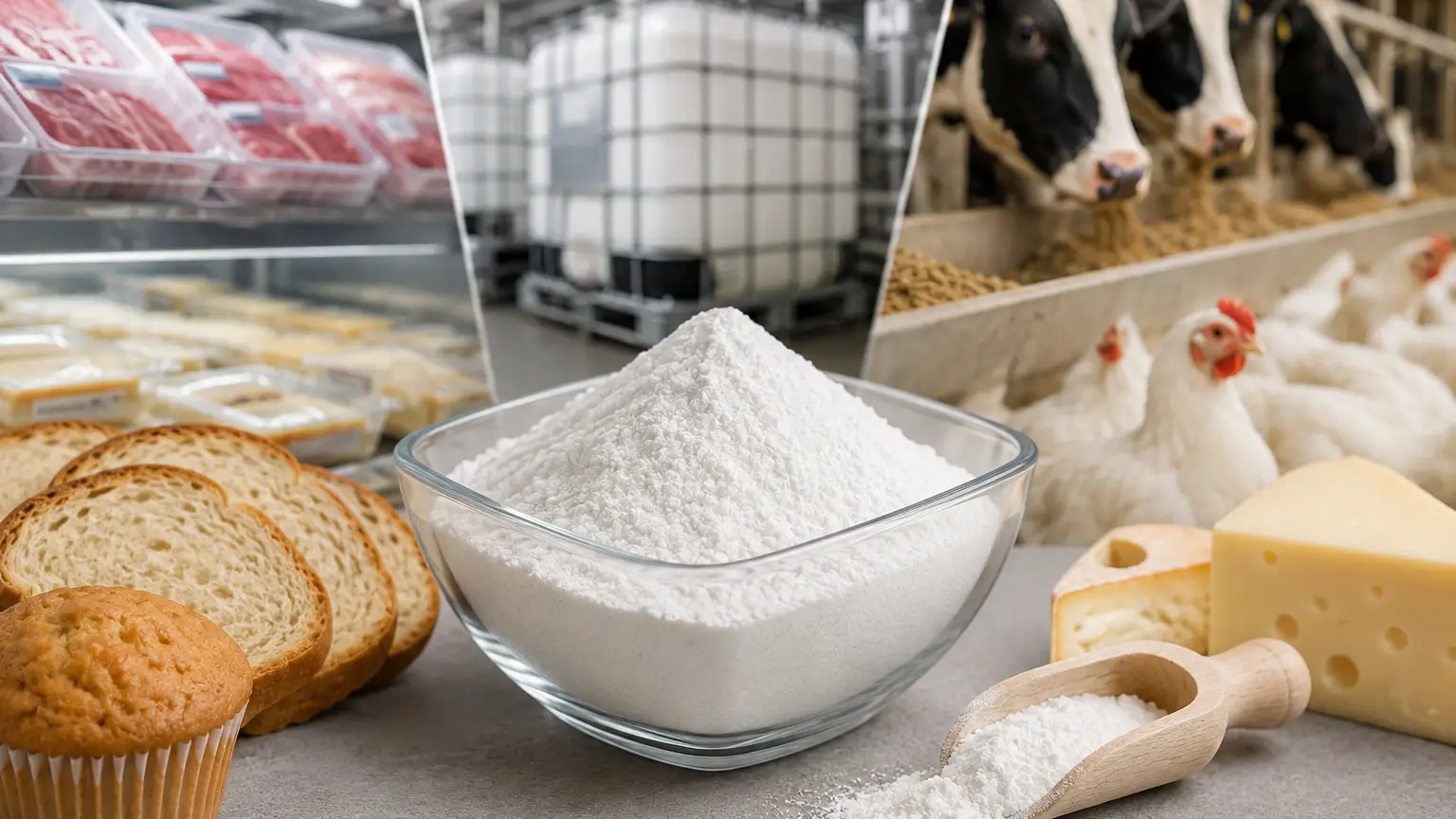
The sodium sulphate market 2026 is characterized by steady demand from key downstream industries such as detergents, glass manufacturing, and textiles. These industries rely heavily on sodium sulphate as a filler, processing agent, and chemical additive, making it an essential component in industrial supply chains. Despite stable production capacity across Asia and Europe, market conditions are becoming increasingly sensitive to external disruptions.
According to market analysis published by Fortune Business Insights, global sodium sulphate demand continues to grow in line with rising detergent consumption and infrastructure development in emerging economies. This sustained demand is placing pressure on supply chains to maintain consistent availability.
Industrial Demand and Market Stability
Demand fundamentals remain strong, particularly in Asia-Pacific where industrial growth and urbanization are driving higher consumption levels. Sodium sulphate continues to be widely used in powder detergents and flat glass production.
However, even with stable demand, sodium sulphate price trend movements are becoming more volatile due to external factors such as logistics disruptions and rising raw material costs. This disconnect between demand stability and supply uncertainty is shaping the market outlook for 2026.
Impact of Strait of Hormuz Supply Disruptions
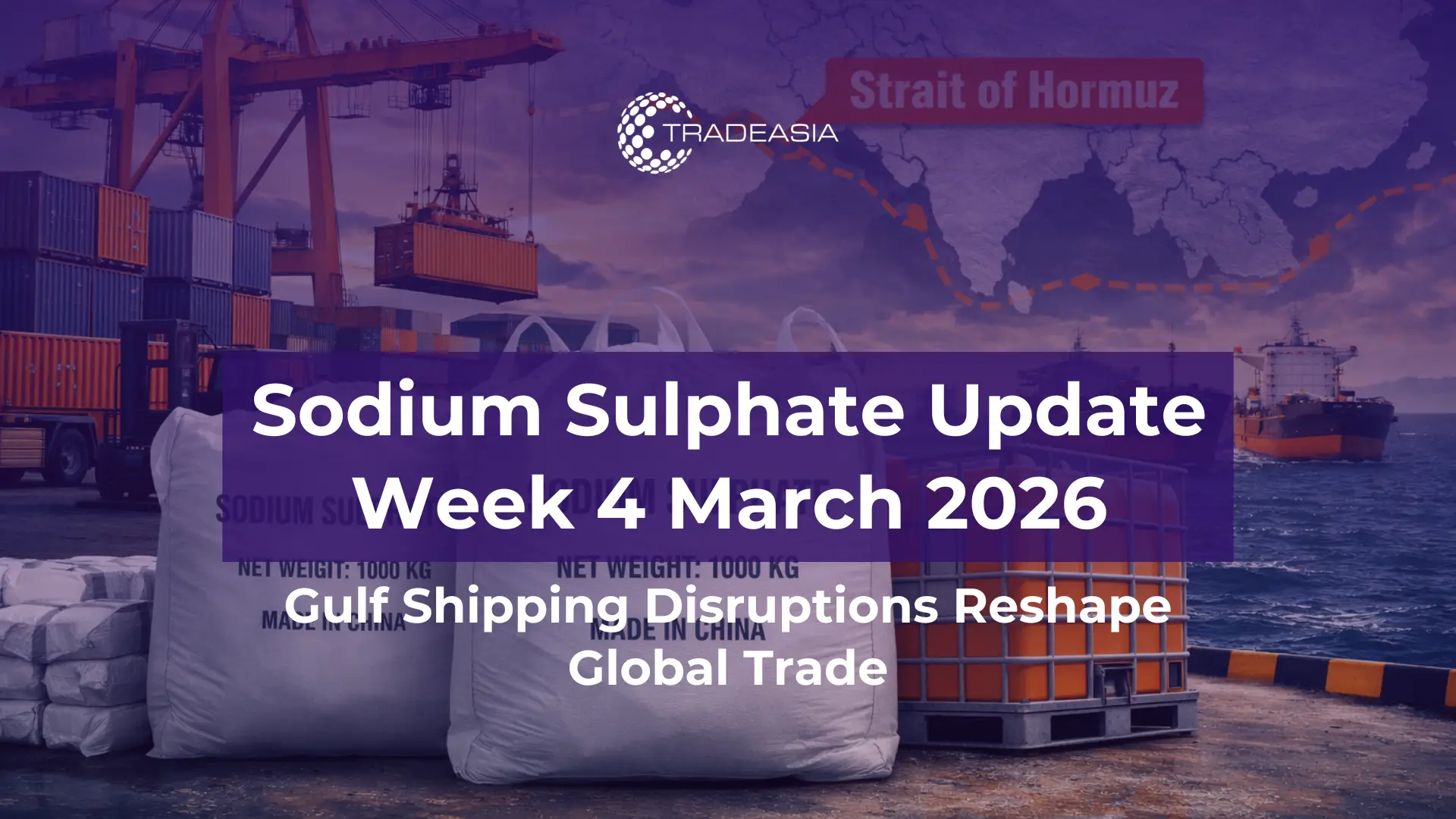
Geopolitical tensions in the Middle East have placed the Strait of Hormuz under intense scrutiny, affecting global trade flows for energy and chemical-related commodities. As one of the world’s most critical maritime choke points, disruptions in this region are creating ripple effects across multiple industries.
According to analysis reported by IDN Financials in the Hormuz crisis coverage, supply chains for sulphur and related materials are being impacted, with some shipments delayed or rerouted due to security risks.
Selective Shipping and Trade Fragmentation
Shipping restrictions and selective passage policies are contributing to uneven access to Gulf transit routes. Certain countries may receive priority access, while others face delays or rerouting challenges.
This fragmentation is leading to sodium sulphate logistics disruption, as producers and buyers must adapt to shifting trade patterns. As a result, freight costs and delivery timelines are becoming less predictable, adding complexity to global procurement strategies.
Sulphur Raw Material Constraints and Cost Pressure
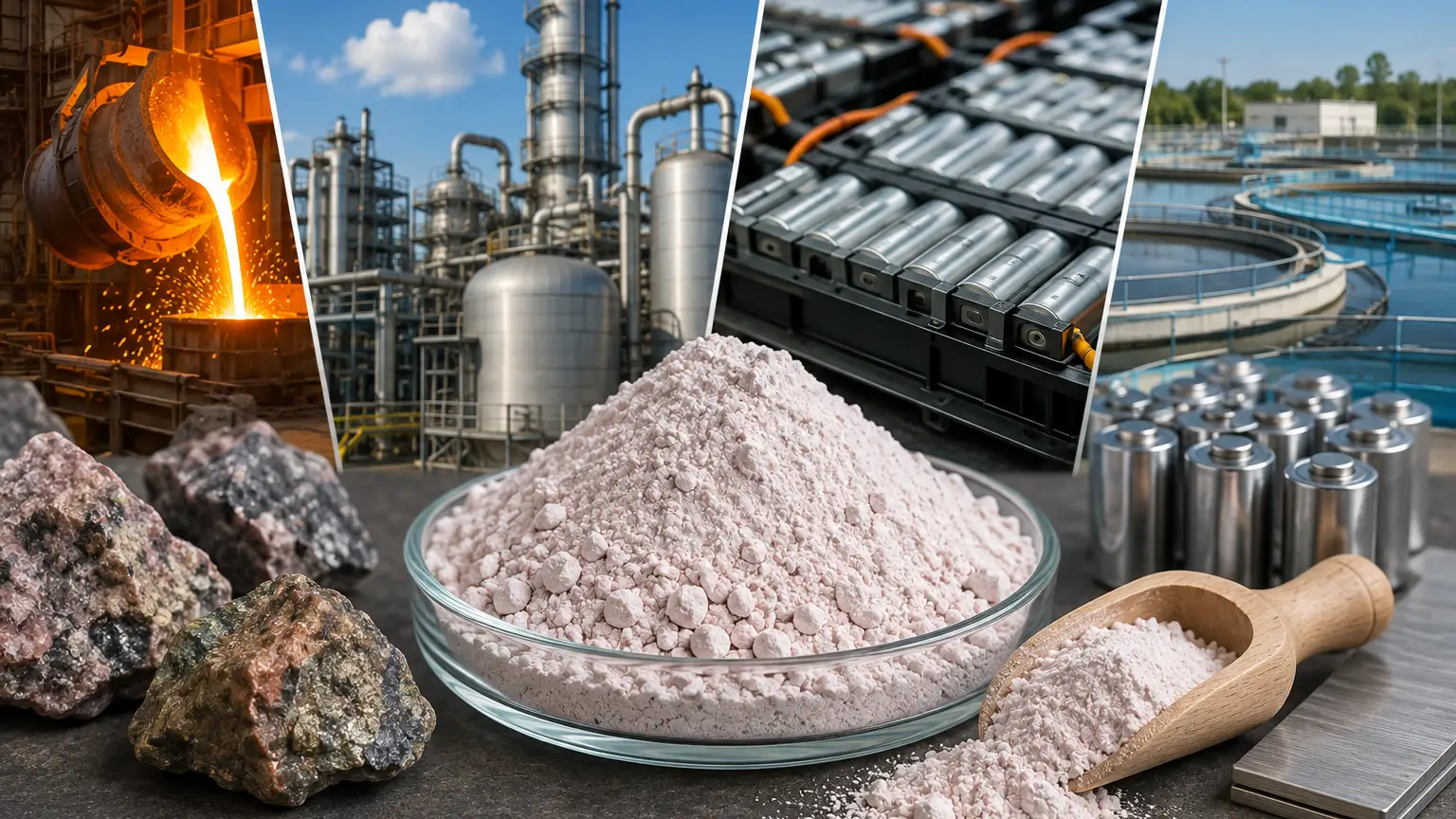
Sodium sulphate production is closely linked to the availability of sulphur and other upstream raw materials. Disruptions in sulphur supply chains can directly influence production costs and market pricing.
Based on industry data from the International Fertilizer Association, sulphur is a key input in various chemical processes, and its supply is heavily dependent on oil and gas refining activities.
Rising Input Costs for Producers
When sulphur supply becomes constrained due to shipping disruptions or geopolitical instability, production costs for sodium sulphate manufacturers increase. These cost pressures are often passed down the supply chain to end users.
As a result, the sodium sulphate price trend in 2026 is being influenced not only by demand but also by upstream supply constraints. This dynamic highlights the importance of monitoring raw material availability in procurement planning.
Logistics Challenges and Global Trade Fragmentation
Global shipping networks are undergoing significant adjustments as companies respond to maritime risks in the Gulf region. Vessel rerouting, higher insurance premiums, and limited shipping capacity are all contributing to increased transportation costs.
According to maritime analysis published by the International Chamber of Shipping, disruptions in major shipping routes can significantly impact bulk chemical transportation efficiency.
Freight Costs and Delivery Delays
Bulk sodium sulphate export shipments are particularly vulnerable to logistics disruptions due to their reliance on large-scale maritime transport. Delays in vessel schedules can lead to supply shortages in import-dependent markets.
Companies seeking reliable product availability can explore supply options through the Sodium Sulphate Anhydrous Product Page (https://www.textilechemicalsasia.com/en/sodium-sulphate-anhydrous), which provides sourcing access for industrial buyers navigating uncertain logistics conditions.
Shifting Sourcing Strategies Toward Asia
As global supply chains adjust to Gulf-related disruptions, many buyers are shifting sourcing strategies toward Asia-based producers. Countries such as China and India offer more stable supply routes and established manufacturing capabilities.
According to industry reports from UNCTAD, Asia continues to play a central role in global chemical production and export networks, making it a strategic sourcing hub for industrial chemicals.
Regional Supply Advantages
Asia-based suppliers benefit from integrated production ecosystems and diversified export routes that reduce reliance on high-risk maritime corridors. This makes them attractive partners for international buyers seeking supply stability.
Buyers can access technical documentation and compliance information through the Download Center for Chemical Specifications (https://www.textilechemicalsasia.com/en/download-center), ensuring product quality and regulatory alignment.
Procurement Strategies in a Volatile Market
In a volatile market environment, sodium sulphate procurement strategy must focus on risk management, supplier diversification, and logistics planning. Buyers must evaluate not only product pricing but also delivery reliability and supply chain resilience.
According to supply chain insights published by McKinsey & Company, companies that adopt flexible sourcing strategies are better equipped to handle disruptions and maintain operational continuity.
Strengthening Supplier Collaboration
Building strong relationships with trusted suppliers allows companies to navigate market uncertainty more effectively. Long-term partnerships provide better visibility into supply conditions and enable proactive planning.
Companies seeking tailored sourcing solutions can connect directly through the Chemtradeasia Contact Page (https://www.textilechemicalsasia.com/en/contact-us) to secure stable supply partnerships in a disrupted global market.
Conclusion
The sodium sulphate market 2026 is increasingly shaped by logistics uncertainty and geopolitical disruptions, particularly those affecting the Strait of Hormuz. While global sodium sulphate demand remains stable, supply chains are becoming more complex due to shipping restrictions, sulphur raw material constraints, and rising freight costs.
To navigate this evolving landscape, buyers must adopt strategic procurement approaches by sourcing from reliable partners through the Sodium Sulphate Anhydrous Product Page, reviewing technical documentation in the Download Center for Chemical Specifications, and coordinating supply strategies via the Chemtradeasia Contact Page. At the same time, monitoring developments highlighted in the Hormuz crisis coverage provides critical insight into how global trade disruptions continue to influence sodium sulphate supply chains and pricing dynamics.