Introduction
Asian reference prices for borax pentahydrate play a central role in shaping global cost structures for glass, ceramics, detergents, agriculture, and metallurgy. For buyers in America, understanding how these benchmarks are formed and how they transmit into local contracts is essential for budgeting, risk management, and long-term sourcing strategy. As trade flows increasingly connect Asia with North and South America, the price signals originating in Asia often act as the starting point for negotiations worldwide.
This article explains how borax pentahydrate prices in Asia are set against global references, including influences from major producing regions, freight markets, currency movements, and downstream demand cycles. It also highlights how digital trading platforms such as Chemtradeasia.com help American buyers interpret these benchmarks and secure consistent supply at competitive, transparent prices.
By combining market insight with a detailed product profile, this guide aims to give procurement managers, supply chain planners, and technical buyers in America a clearer view of how borax pentahydrate pricing works in practice. While individual contracts will always depend on volume, specification, and credit terms, the underlying mechanisms described here are common across much of the international borate trade.
Global Borax Supply Chain and Key Producing Regions
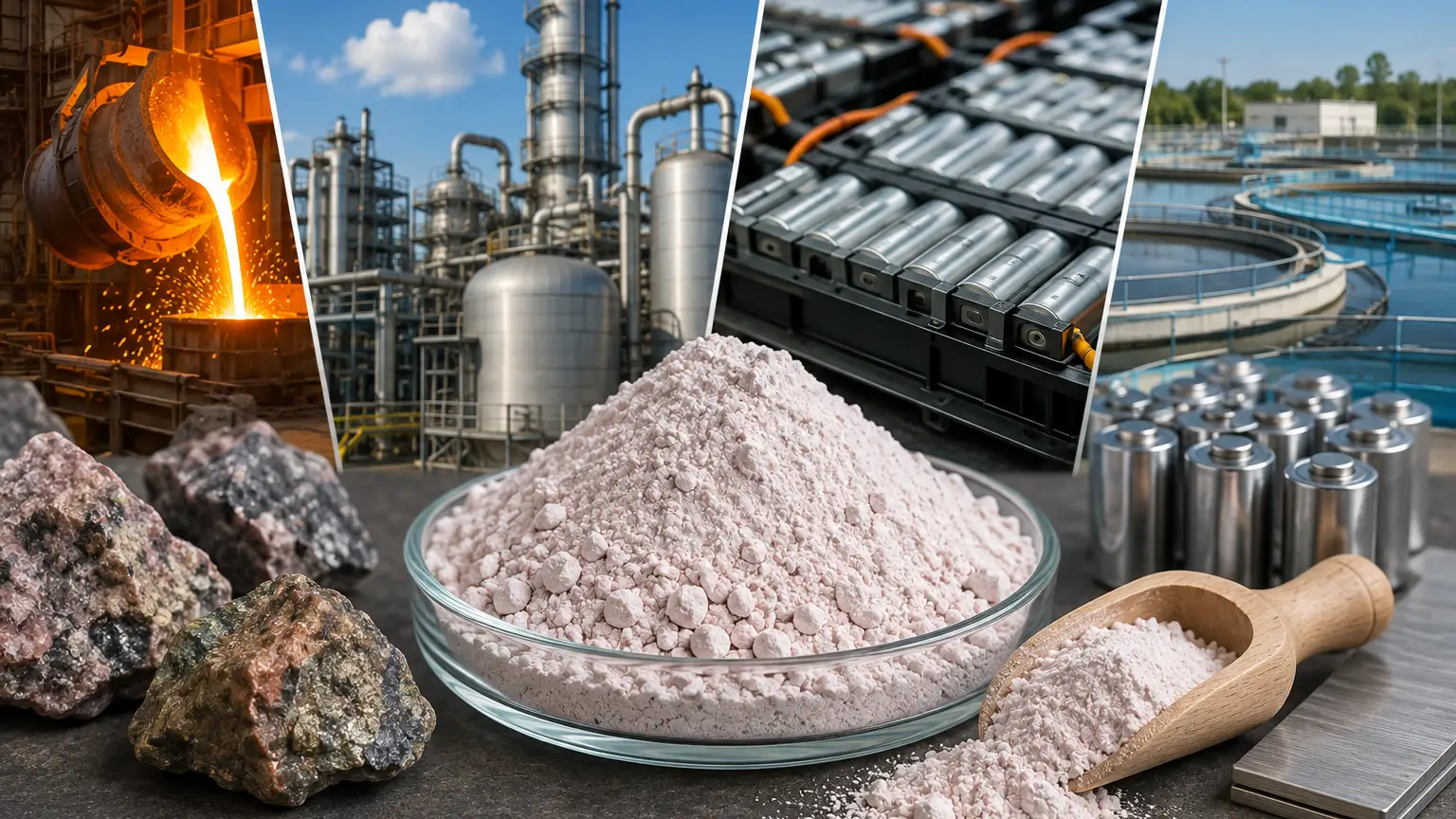
The global borax market is relatively concentrated, with a limited number of large producers and a network of secondary refiners and traders. Historically, the United States (particularly California), Turkey, South America, and parts of Asia have been the core sources of boron minerals. These deposits are processed into refined products such as borax pentahydrate, boric acid, and other borate salts that are shipped worldwide. Because the supply base is not highly fragmented, reference prices published in one region can quickly influence negotiations in another.
Asia has emerged not only as a major consuming region but also as a crucial processing and redistribution hub. China, India, and Southeast Asian countries import boron ores and intermediates, refine or repackage them, and then re-export to regional and global buyers. This activity creates a dense web of spot transactions, tenders, and contract renewals that contribute to the formation of widely watched “Asian CFR” (Cost and Freight) or “FOB Asia” benchmarks for borax pentahydrate. These benchmarks are frequently referenced by international buyers, including those in America, as a starting point for price discovery.
For American buyers, the global supply chain context matters because it determines how vulnerable prices are to disruptions. For example, drought conditions affecting brine-based boron extraction, regulatory changes in mining jurisdictions, or logistical bottlenecks at key export ports can all tighten global supply. When such events occur in major producing or processing regions, Asian spot prices tend to react first, and these movements often ripple into American import prices with a lag of several weeks to a few months.
How Asian Reference Prices for Borax Pentahydrate Are Formed
Asian reference prices for borax pentahydrate are shaped by a mix of long-term contracts and short-term spot trades. Large glass and detergent manufacturers often secure annual or semi-annual contracts with producers and trading houses, typically linked to a base price plus or minus adjustments for freight, quality, and volume. At the same time, smaller buyers and traders participate in spot transactions that respond more quickly to changes in supply and demand. Price reporting agencies, market intelligence firms, and trading platforms aggregate data from these deals to produce indicative ranges for FOB and CFR prices in key Asian ports.
Several market fundamentals drive these benchmarks. On the demand side, construction and automotive activity influence glass and fiberglass output, while consumer spending patterns affect detergent and cleaning product production. When these sectors expand, Asian buyers increase their borax pentahydrate intake, tightening availability and pushing prices higher. On the supply side, mine output, refinery utilization rates, and maintenance schedules are critical. A refinery turnaround or an unplanned outage in a major producer’s facility can reduce export volumes, which is quickly reflected in higher offers and firmer published price assessments.
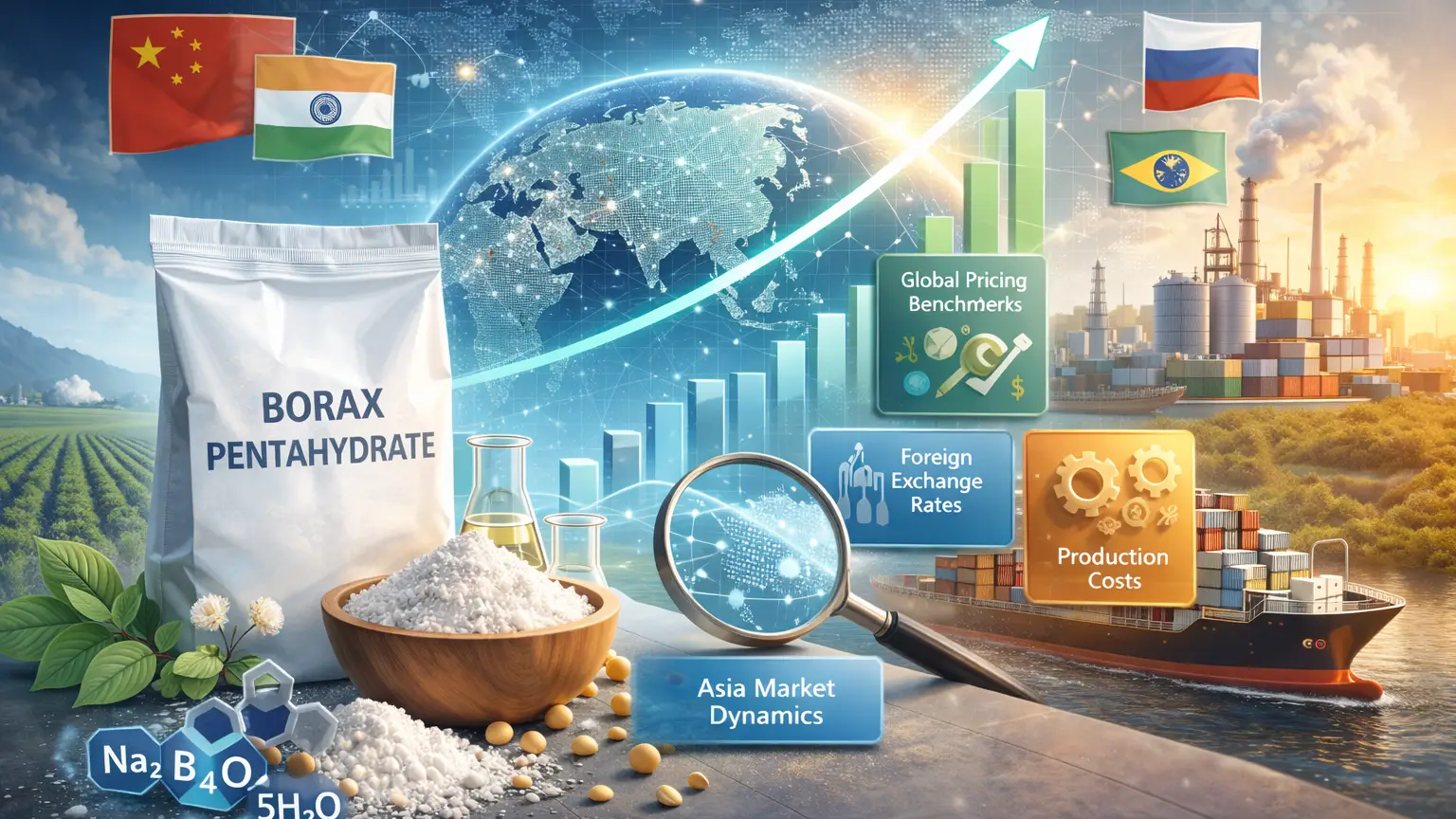
Macroeconomic factors also play a role. Exchange rates between the U.S. dollar and Asian currencies can alter local production costs and margins. Energy prices, particularly natural gas and electricity, affect processing costs for borates, while ocean freight rates determine the delivered cost to importing regions. During periods of elevated container and bulk freight rates, such as the 2020–2022 logistics disruptions, CFR prices into Asia and out of Asia moved sharply, even when underlying mine-gate costs were relatively stable. Market participants therefore monitor not only borate-specific data but also broader shipping and currency trends when evaluating Asian reference prices.
Product Profile: Borax Pentahydrate and Chemtradeasia.com Offering
Borax pentahydrate (chemical formula Na2B4O7·5H2O) is a white crystalline powder or granule widely used as a flux, buffering agent, and source of boron. Typical commercial grades contain around 47–48% B2O3, with low levels of insoluble matter and controlled particle size distribution. Industrial buyers often specify parameters such as minimum B2O3 content, maximum moisture, and limits on impurities like iron or heavy metals, depending on the sensitivity of their process. For example, glass and fiberglass manufacturers usually require consistent granulometry to ensure uniform melting behavior, while detergent producers may prioritize flowability and ease of dissolution.
Chemtradeasia.com functions as a multi-country sourcing platform that connects producers of borax pentahydrate in Asia and other regions with buyers in America and worldwide. Through its network, the platform can offer multiple origin options, including Asian and non-Asian material, along with different packaging formats such as 25 kg bags, 50 kg bags, and 1 MT jumbo bags. This flexibility allows American buyers to align product specifications with their production requirements, whether they operate high-volume glass furnaces, ceramic kilns, detergent blending lines, or specialized metallurgy operations.
From a commercial standpoint, Chemtradeasia.com adds value by aggregating market information, coordinating logistics, and providing comparative offers that reflect prevailing Asian benchmarks. Buyers can request quotations based on FOB Asian ports, CFR U.S. Gulf, CFR East Coast, or other delivery terms, with pricing that transparently incorporates freight and handling. The platform’s ability to source from multiple suppliers also helps mitigate the risk of supply interruptions, which is particularly important for American users whose operations depend on a steady and predictable supply of borax pentahydrate.
Pricing Transmission from Asia to the American Market
For American buyers, Asian borax pentahydrate benchmarks typically serve as a reference point rather than a direct delivered price. The transmission process begins with FOB or CFR prices quoted in Asian ports, which are then adjusted for interregional freight, insurance, port charges, and any import duties or local fees applicable in the destination country. The resulting delivered-to-warehouse or delivered-to-plant price in America reflects both the underlying Asian market conditions and the cost of bridging the geographic distance.
In practice, suppliers and trading platforms such as Chemtradeasia.com often structure offers to American customers using a formula that links to recognized Asian or global references plus a negotiated premium or discount. This premium accounts for factors such as shipment size, credit terms, packaging requirements, and the supplier’s risk exposure. During periods of tight supply, premiums can widen as sellers prioritize customers with long-term relationships or larger volumes. Conversely, when supply is ample and freight rates are soft, American buyers may secure prices close to, or sometimes below, headline Asian CFR levels after accounting for backhaul or optimized logistics.
Another important aspect of price transmission is timing. There is usually a lag between movements in spot prices in Asia and adjustments to contract prices in America. Longer-term contracts may include review clauses that trigger renegotiation when Asian benchmarks move beyond a defined band. Shorter-term or spot-based agreements can adjust more quickly, but they also expose buyers to greater volatility. By monitoring Asian market reports and working with intermediaries that actively track these trends, American buyers can decide whether to lock in prices, diversify suppliers, or adjust inventory strategies to smooth out the impact of price swings.
Conclusion
Asian borax pentahydrate prices have become a crucial reference for global buyers, including those in America, because they reflect a dense network of production, processing, and trade flows. The combination of concentrated supply, expanding industrial demand, and interconnected logistics means that price signals originating in Asia often set the tone for negotiations elsewhere. Understanding how these benchmarks are formed—through a mix of contracts, spot deals, and macroeconomic influences—helps American buyers interpret offers and plan more effectively.
Platforms such as Chemtradeasia.com play an important role in translating Asian benchmarks into practical, delivered pricing options for American users. By offering multiple origins, flexible delivery terms, and transparent linkage to global references, they enable procurement teams to compare scenarios and manage risk. In industries where borax pentahydrate is a critical input, such as glass, ceramics, detergents, and metallurgy, this combination of market insight and logistical capability can support both cost control and supply security.
This article is intended solely for informational and market insight purposes and does not constitute technical, safety, regulatory, or professional advice. Readers should independently verify all information with qualified experts, consult official documentation such as MSDS/SDS and relevant standards, and contact their suppliers or our team via Chemtradeasia.com for guidance on specific applications, handling practices, and compliance requirements.