Introduction
Hydrochloric acid is not a new chemical, yet in 2026 it is at the center of conversations across the U.S. food, pharmaceutical, water treatment, and manufacturing sectors. Rising regulatory expectations, supply chain disruptions, and the push toward higher purity and traceability are transforming how American companies evaluate and source this essential mineral acid. Whether used to adjust pH in food processing, regenerate ion-exchange resins, or support high-precision pharmaceutical synthesis, hydrochloric acid is being reexamined as a strategic input rather than a simple commodity.
At the same time, global trade dynamics are shifting. Producers and distributors serving the U.S. market must demonstrate not only competitive pricing but also strong quality systems, documentation, and logistics reliability. This is where specialized platforms such as foodadditivesasia.com and their portfolio of hydrochloric acid products enter the picture, connecting American buyers with vetted, specification-driven supplies tailored to food, pharma, and industrial standards.
This article explores why everyone is talking about hydrochloric acid in 2026, with a focus on the U.S. market. It examines demand trends, key applications, product specifications, and the role of digital sourcing platforms. The aim is to equip procurement teams, technical managers, and business decision-makers with a clear picture of where hydrochloric acid fits into today’s competitive and highly regulated landscape.
The 2026 Hydrochloric Acid Landscape in the United States
In the United States, hydrochloric acid demand is closely linked to core sectors such as steel pickling, inorganic and organic chemical production, food processing, and oil and gas. Industry analyses over the past few years have indicated steady global growth in HCl consumption, often estimated in the low single digits annually, with North America remaining a mature but strategically important market. In 2026, the spotlight on hydrochloric acid has intensified because it sits at the intersection of infrastructure spending, reshoring of manufacturing, and stricter quality expectations in food and pharmaceuticals.
One important structural factor is that a large portion of hydrochloric acid is produced as a by-product of other chlor-alkali or vinyl chloride processes. This means availability and pricing are influenced not only by direct acid demand, but also by the health of upstream chlorine and PVC industries. When construction cycles or plastics demand fluctuate, hydrochloric acid output and regional balances can tighten or loosen unexpectedly. U.S. buyers in 2026 are therefore paying closer attention to supplier portfolios, geographic diversification, and the ability to secure contract volumes with stable specifications.
Another driver of heightened interest is regulatory and customer pressure for transparency. Food and pharmaceutical companies are expected to demonstrate robust control of raw materials, including acids used as processing aids or reagents. Buyers are asking more detailed questions about impurity profiles, trace metals, bioburden, and documentation. This has created an opportunity for specialized suppliers and platforms, including foodadditivesasia.com, to differentiate via clearly defined grades of hydrochloric acid, digital access to certificates, and alignment with U.S. and international standards such as FCC, USP, and relevant food safety certifications.
Key Industrial and Food Applications of Hydrochloric Acid
Hydrochloric acid is one of the most versatile inorganic acids in modern industry. In heavy industry, it is widely used for steel pickling, where it removes rust and scale before further processing or coating. This application is closely tied to automotive, construction, and appliance manufacturing. HCl is also essential in producing inorganic salts such as calcium chloride and in the manufacture of organic intermediates, dyes, and pigments. In the oil and gas sector, hydrochloric acid is injected into wells to dissolve carbonate formations and improve flow, making it a critical component of stimulation and acidizing operations.
In the water treatment and environmental sectors, hydrochloric acid is used to control pH, regenerate ion-exchange resins in demineralization systems, and support the production of activated carbon and other adsorbents. Municipal water authorities and industrial wastewater operators rely on consistent acid quality and predictable strength, typically in the 30–37% range, to ensure process stability and equipment integrity. Here, product specifications such as iron content, non-volatile residue, and the presence of oxidizing impurities can have direct consequences for corrosion rates and process efficiency.
Food and beverage applications are another major reason hydrochloric acid is being discussed more widely in 2026. Food-grade HCl is used to adjust pH in products like sauces, canned vegetables, and protein hydrolysates. It plays a role in producing gelatin, starch derivatives, and certain sweeteners. In amino acid production and yeast extracts, controlled acid hydrolysis is a key step. U.S. processors must ensure that any hydrochloric acid used in or around food meets relevant purity standards and is sourced from suppliers with robust food safety management systems. This is where clearly positioned offerings such as food-grade hydrochloric acid solutions promoted via foodadditivesasia.com are gaining attention among quality-focused buyers.
Product Focus: Hydrochloric Acid Solutions from foodadditivesasia.com
As buyers move away from treating acids as interchangeable commodities, the ability to specify and source the right grade of hydrochloric acid becomes a competitive advantage. Platforms like foodadditivesasia.com focus on connecting U.S. and global customers with producers offering well-characterized hydrochloric acid products, typically in concentrated solutions around 30–37% w/w, and in specialized grades such as food-grade or technical-grade with defined impurity limits. For food and beverage use, suppliers emphasize low heavy metal content, minimal non-volatile residue, and compliance with recognized compendial or food additive standards where applicable.
In practical terms, product specifications often include concentration tolerance (for example, 35–37% HCl), maximum levels of iron, arsenic, and heavy metals, and clarity and color requirements. For sensitive applications, buyers may require additional testing for chlorinated organic by-products or microbiological parameters. Through a digital interface, foodadditivesasia.com can showcase these specifications, provide typical certificates of analysis, and facilitate communication between U.S. procurement teams and qualified manufacturers. This reduces the friction associated with traditional sourcing, especially when comparing multiple offers or planning long-term contracts.
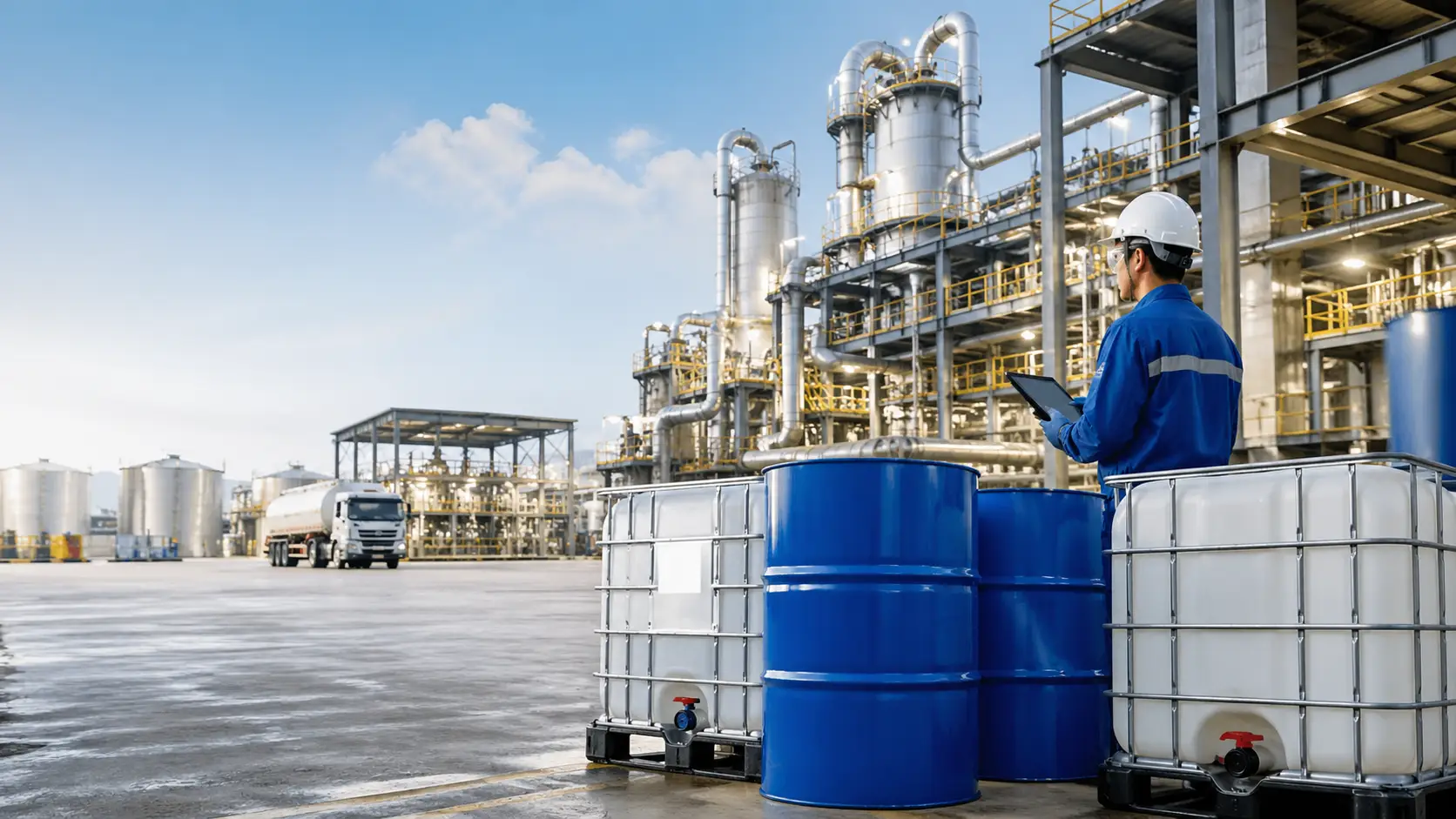
Beyond technical details, the value proposition in 2026 also includes logistics, packaging, and service. Many U.S. users need hydrochloric acid in bulk tankers for continuous processes, while others prefer intermediate bulk containers (IBCs) or smaller drums for batch operations and laboratory use. Suppliers represented on foodadditivesasia.com typically offer a range of packaging options, along with guidance on safe handling and compatibility with storage materials such as PVC, rubber-lined steel, or specialized alloys. By aligning product offerings with end-use requirements—whether in food processing, water treatment, or chemical synthesis—the platform helps buyers secure hydrochloric acid solutions that match both technical and operational needs.
Safety, Quality Standards, and Procurement Best Practices
Hydrochloric acid is a powerful corrosive, and in 2026 there is heightened awareness of safety and regulatory obligations across U.S. industries. Companies must manage risks related to storage, handling, and transportation, including proper ventilation, corrosion-resistant equipment, and personal protective equipment for workers. While many organizations already have established protocols, changes in suppliers or product grades can introduce new variables, such as different impurity profiles or slightly different concentrations. For this reason, procurement decisions are increasingly made in close coordination with EHS (Environment, Health, and Safety) teams and technical departments.
Quality standards play a central role in supplier selection. Food and pharmaceutical users often look for hydrochloric acid that aligns with FCC, USP, or equivalent specifications, and they expect suppliers to operate under ISO-certified quality systems and, where appropriate, food safety schemes such as FSSC 22000 or HACCP-based programs. Documentation such as certificates of analysis, lot traceability, and safety data sheets must be readily available and consistent. Platforms like foodadditivesasia.com support this by highlighting producers that can demonstrate compliance with international standards and by making key documents accessible during the evaluation process.
From a procurement best-practice perspective, U.S. buyers in 2026 are advised to look beyond unit price. Factors such as long-term supply reliability, backup production sites, transport lead times, and the ability to handle emergency orders have become more visible after recent global disruptions. Comparing multiple hydrochloric acid offers via a centralized digital platform can help buyers benchmark specifications, service levels, and commercial terms more systematically. In addition, aligning contracts with realistic consumption forecasts and clearly defined quality parameters helps prevent disputes and ensures that the delivered acid performs as expected in critical applications.
Conclusion
Hydrochloric acid’s renewed prominence in 2026 reflects its foundational role in U.S. industry as well as the evolving expectations placed on chemical supply chains. From steel and construction to food, pharmaceuticals, and water treatment, organizations are reevaluating how they source and manage this essential acid. The focus is shifting toward higher purity, better documentation, and more resilient logistics, all within a context of tighter regulatory oversight and stronger customer demands for transparency.
Digital sourcing platforms and specialized distributors are reshaping how buyers access and compare hydrochloric acid products. By leveraging resources such as foodadditivesasia.com, U.S. procurement teams can identify suitable hydrochloric acid grades, review technical specifications, and engage with producers that understand the nuances of food-grade, technical-grade, and high-purity applications. In a market where even small variations in quality or delivery performance can have outsized operational impacts, these tools help organizations make more informed, data-driven decisions.
This article is intended solely for informational and market insight purposes and does not constitute technical, safety, regulatory, or professional advice. Users should independently verify all information with qualified experts, review official documentation such as MSDS/SDS and relevant standards, and consult their own advisors or contact our team before selecting or applying hydrochloric acid products in any specific process or environment.