Introduction
The movement of chemicals across borders is a powerful economic indicator, revealing underlying industrial health, technological adoption, and environmental priorities. Among these essential commodities, hydrogen peroxide (H2O2) stands out for its versatility and growing significance in sustainable processes. As a clear liquid with potent oxidizing properties, its trade flows offer a unique lens through which to view global and regional industrial dynamics. For stakeholders in America—from pulp mill operators to electronics manufacturers—understanding these patterns is crucial for strategic sourcing, inventory planning, and competitive positioning.
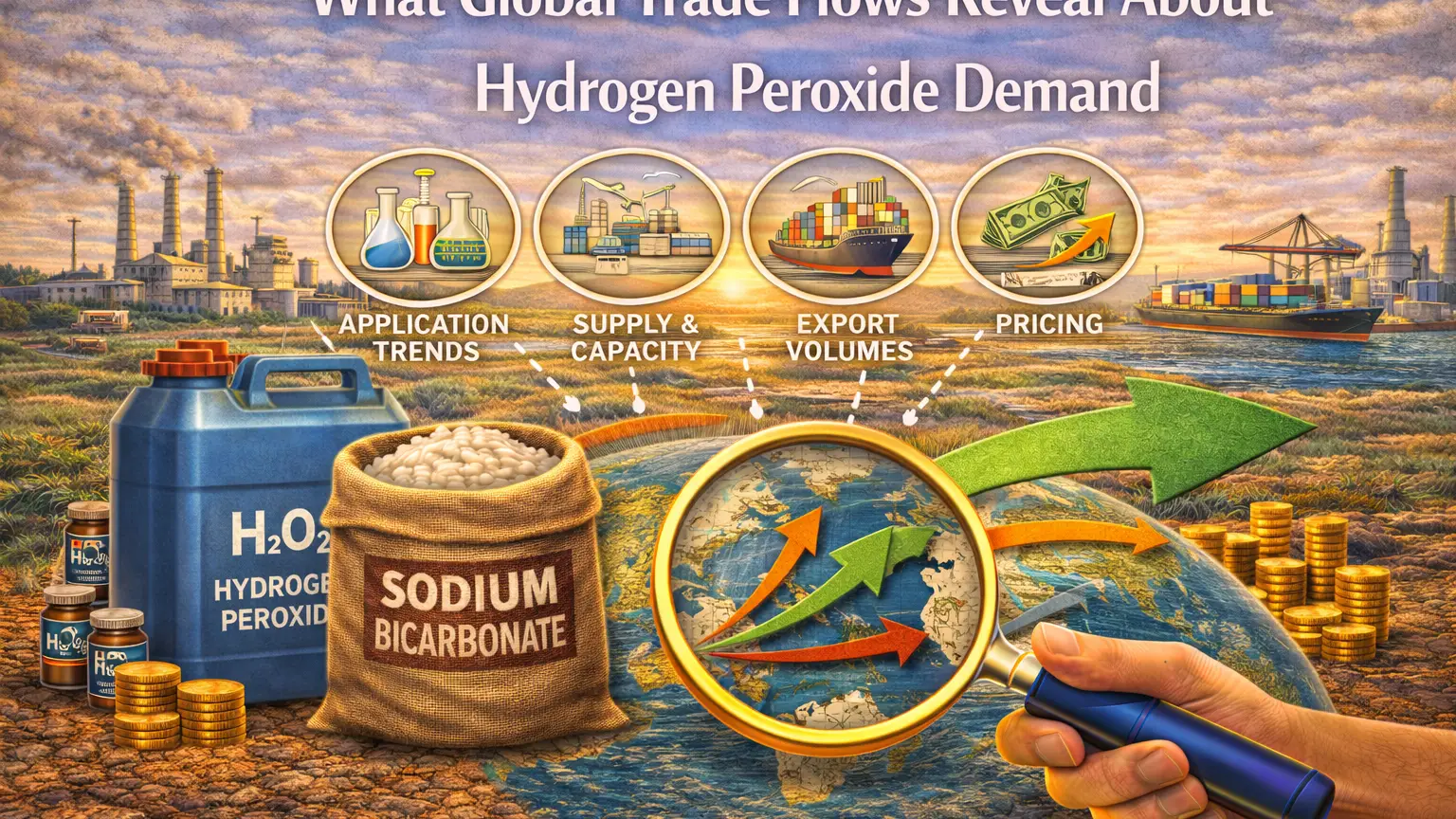
This analysis delves into what global trade data for hydrogen peroxide reveals about current and future demand, with a specific focus on the American market. We will explore the key importing and exporting nations, dissect the demand drivers within the United States, and examine the critical role of reliable chemical distributors in ensuring a stable supply. Platforms like Chemtradeasia.com have become integral in connecting American industries with global sources of high-quality H2O2, facilitating trade that meets stringent technical and safety standards. By interpreting these trade flows, businesses can anticipate market shifts and secure their chemical supply chains effectively.
Decoding the Global Hydrogen Peroxide Trade Map
The global trade landscape for hydrogen peroxide is characterized by well-established production hubs and significant regional consumption centers. Historically, large-scale production has been concentrated in Asia, particularly in China, which has emerged as a dominant exporter due to substantial capacity expansions and competitive production costs. Europe also remains a major player, with advanced manufacturing facilities serving both regional demand and export markets. The trade flows from these regions to North America, especially the United States, tell a story of robust and consistent demand that often outpaces domestic production capabilities for specific grades and volumes.
Recent data from trade databases shows that American imports of hydrogen peroxide have remained steady, with notable volumes arriving from Canada, Germany, and South Korea. This import dependency for certain grades highlights the specialized needs of advanced American industries. For instance, the semiconductor sector requires ultra-high-purity hydrogen peroxide, often sourced from suppliers with specific technological expertise. The consistency of these import streams, despite logistical challenges and geopolitical tensions, underscores hydrogen peroxide's status as a critical raw material. Analyzing port entry data and shipment frequencies provides invaluable insights into consumption hotspots and emerging industrial clusters within America.
Key Drivers of Hydrogen Peroxide Demand in America
The demand for hydrogen peroxide in the United States is propelled by a confluence of traditional industrial strength and modern environmental mandates. The pulp and paper industry, a long-standing cornerstone of H2O2 consumption, continues to be a major driver. Here, it is prized as an elemental chlorine-free (ECF) bleaching agent, enabling the production of brighter, higher-quality paper while significantly reducing the environmental impact of effluent compared to traditional chlorine-based bleaching. This shift towards greener manufacturing processes is a legislative and consumer-driven trend that solidifies hydrogen peroxide's role in this sector.
Beyond traditional uses, demand is increasingly fueled by the water and wastewater treatment industry. Municipalities and industrial facilities are adopting hydrogen peroxide as a powerful oxidizer for removing organic impurities, controlling odor, and meeting stringent discharge regulations. Furthermore, the push for sustainable agriculture has increased its use in soil remediation and as a component in organic farming practices. Perhaps most dynamically, the boom in electronics manufacturing, particularly semiconductors and printed circuit boards (PCBs), has created a surge in demand for high-purity grades. Each of these drivers is reflected in the volume and routing of global trade, with shipments increasingly tailored to meet these specific, high-value applications.
Spotlight on Product: Sourcing Premium-Grade Hydrogen Peroxide
Not all hydrogen peroxide is created equal. Its utility is entirely dependent on its concentration, purity, and stability. Industrial-grade H2O2 is commonly available in concentrations ranging from 35% to 50% and is suitable for applications like pulp bleaching and chemical synthesis. However, the market is seeing growing demand for specialized grades. Food-grade hydrogen peroxide (typically 35%), used in aseptic packaging and equipment sterilization, must meet strict FDA standards. The most technically demanding is electronic-grade or semiconductor-grade hydrogen peroxide, which is ultra-high-purity (often 30-31% concentration) with trace metal contamination measured in parts-per-billion (ppb). This grade is critical for wafer cleaning and etching processes where even microscopic impurities can ruin a batch of microchips.
For American buyers, navigating this product spectrum requires a supplier with robust technical knowledge and a reliable supply chain. This is where specialized chemical marketplaces like Chemtradeasia.com add immense value. They aggregate global supply, allowing buyers to compare specifications, verify certifications, and source the exact grade required—be it standard 50% solution for wastewater treatment or a high-purity variant for the electronics industry. Key specifications to evaluate include concentration, stabilizer type (e.g., sodium stannate or phosphates), acidity, and heavy metal content. Partnering with a distributor that understands these nuances and can ensure consistent quality and on-time delivery is paramount for maintaining uninterrupted production lines.
Major Applications Shaping Market Consumption
The consumption patterns of hydrogen peroxide in America are a direct reflection of its diverse applications. In the environmental sector, its use extends beyond wastewater to include gas scrubbing (removing SOx and NOx from flue gases) and in-situ chemical oxidation (ISCO) for groundwater remediation. These applications leverage H2O2's powerful oxidative breakdown of pollutants into harmless substances like water and oxygen, aligning with corporate sustainability goals. The chemical synthesis sector also consumes large quantities, where it serves as a "green" oxidizing agent in producing organic peroxides, epoxy propylene, and other fine chemicals, offering a safer and more environmentally benign alternative to other oxidants.
In manufacturing, the electronics industry's insatiable demand for smaller, more powerful devices directly translates to higher consumption of ultra-pure hydrogen peroxide. It is a key component of SC1 and SC2 cleaning solutions (RCA clean) used in silicon wafer fabrication. Furthermore, the healthcare and FMCG (Fast-Moving Consumer Goods) sectors utilize it as a disinfectant and bleaching agent in products ranging from contact lens solutions to hair dyes. The COVID-19 pandemic also highlighted its role in surface disinfection. Each application has its own specific grade requirement, purity standard, and consumption cycle, which collectively shape the import schedules and inventory strategies visible in trade flow data.
Challenges and Opportunities in the Supply Chain
The global supply chain for hydrogen peroxide faces several challenges that impact trade flows and availability in America. Logistics present a primary hurdle; H2O2 is classified as an oxidizer and must be transported under strict regulations (e.g., DOT regulations in the U.S.), often requiring specialized containers and careful handling to prevent decomposition. Geopolitical factors and trade policies can disrupt established routes, as seen with tariffs and trade tensions in recent years. Additionally, the concentration of production in specific regions creates vulnerability to regional disruptions, whether from energy shortages, natural disasters, or plant outages, leading to price volatility and supply crunches.
Conversely, these challenges present significant opportunities. There is a growing trend toward regionalization and nearshoring of supply chains, which could incentivize new production capacity within North America. Technological advancements in stabilizer formulations are extending the shelf-life and safe transport window of hydrogen peroxide, making longer shipping routes more feasible. For buyers, digital B2B platforms like Chemtradeasia.com mitigate risk by providing transparency, connecting them with a diversified pool of vetted global suppliers, and offering tools for monitoring market trends and prices. This digital transformation of chemical procurement allows American companies to build more resilient, agile, and cost-effective supply chains for critical chemicals like hydrogen peroxide.
Conclusion
Global trade flows for hydrogen peroxide are far more than just statistics; they are a real-time diagnostic of industrial activity, environmental policy adoption, and technological advancement. For the American market, sustained import levels underscore the chemical's indispensable role across a swath of industries, from foundational sectors like pulp and paper to cutting-edge semiconductor fabs. The data reveals a market driven by both volume needs for traditional applications and highly specialized demand for ultra-pure grades, painting a picture of a mature yet dynamically evolving landscape.
Successfully navigating this landscape requires a deep understanding of both product specifications and market mechanics. By leveraging insights from trade data and partnering with knowledgeable, reliable sourcing partners, American businesses can secure their supply of hydrogen peroxide, mitigate operational risks, and capitalize on the opportunities presented by the global shift towards greener, more sustainable industrial processes. In essence, mastering the flow of this essential chemical is key to maintaining competitive advantage in an increasingly complex global economy.
Leave a Comment