Introduction
The Asian continent stands at the epicenter of a profound transformation in global agriculture and animal husbandry. Driven by population growth, rising incomes, and rapid urbanization, the demand for high-quality animal protein—poultry, pork, and aquaculture—is surging at an unprecedented rate. This protein revolution is directly fueling an explosive growth in the animal feed industry, which in turn is creating massive demand for specialized feed additives and ingredients. Among these, L-Threonine, an essential amino acid, has emerged as a critical component for optimizing animal health, growth, and feed efficiency.
Navigating this complex and fast-evolving market requires more than just understanding demand curves. It necessitates a deep partnership with a knowledgeable and reliable supply chain partner. For industries ranging from feed mills to textile manufacturing, securing consistent, high-quality raw materials is paramount. This article delves into the key trends shaping the L-Threonine market in Asia through 2026, while also highlighting the indispensable role of a full-service chemical distributor in providing not only amino acids but also other vital products like Citric Acid Monohydrate and specialized textile chemicals.
The Asian Animal Feed Boom: Engine of L-Threonine Demand
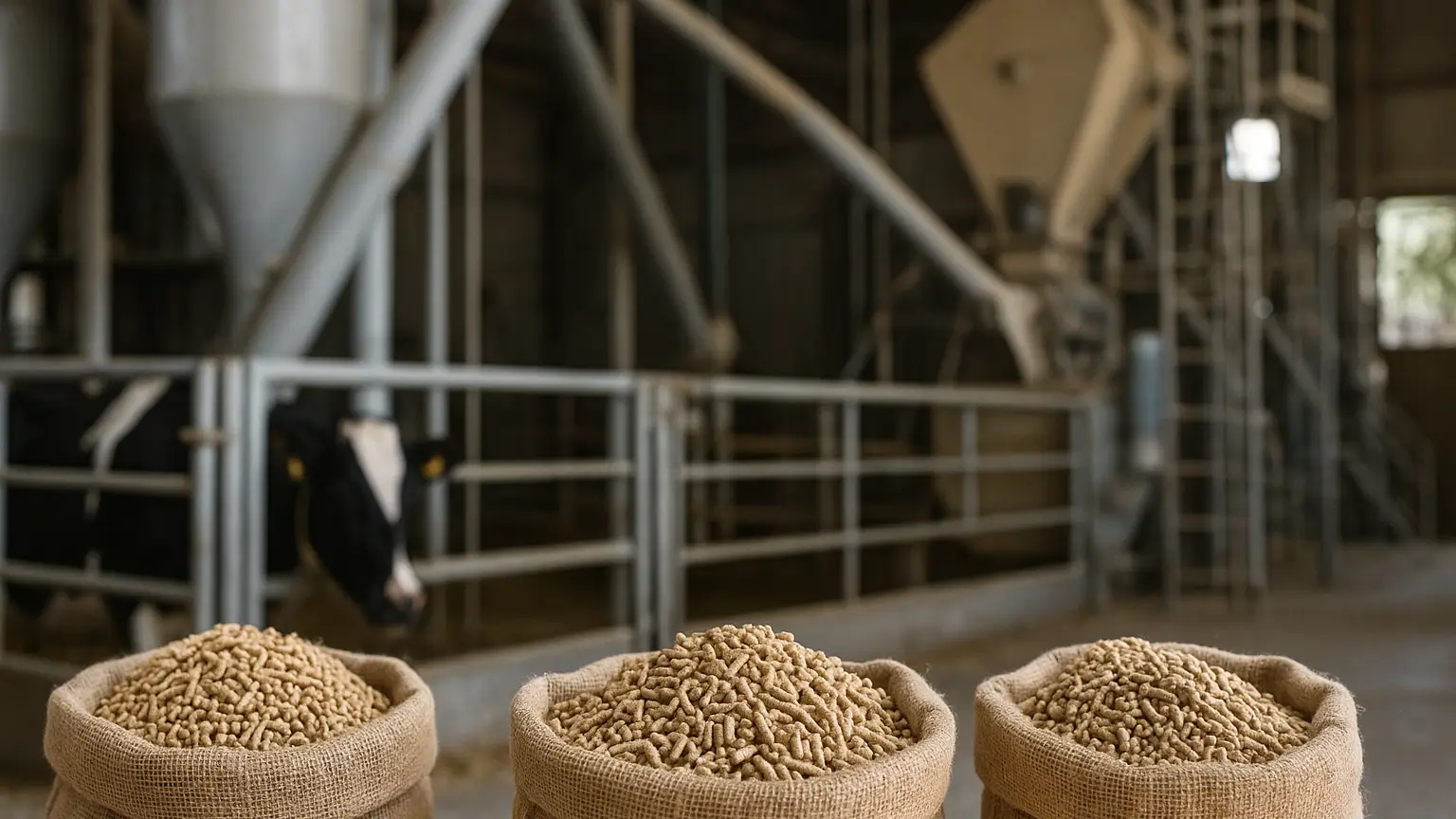
Asia's feed production is the largest in the world, with China, Vietnam, India, Indonesia, and Thailand leading the charge. The region's compound feed output is projected to grow at a CAGR of over 3.5% through 2026, significantly outpacing global averages. This growth is underpinned by the intensification of livestock farming. As operations move from traditional, low-input systems to large-scale, commercial facilities, the focus shifts dramatically toward precision nutrition. The goal is no longer just to feed animals, but to formulate diets that maximize lean meat production, improve feed conversion ratios (FCR), and reduce environmental waste.
This is where amino acid supplementation becomes non-negotiable. Cereal-based feedstuffs like corn and soybean meal, while staple ingredients, are deficient in certain essential amino acids. L-Threonine is often the third or fourth limiting amino acid in poultry and swine diets, especially in low-protein formulations. By supplementing feed with precisely balanced amino acids like L-Threonine, nutritionists can reduce the overall crude protein content in feed without compromising animal performance. This "ideal protein" concept is a major trend, as it lowers feed costs, decreases nitrogen excretion into the environment, and enhances gut health in monogastric animals. The push for antibiotic-free (ABF) production further amplifies the need for L-Threonine, as it supports intestinal integrity and immune function, key pillars of ABF systems.
Spotlight on L-Threonine: Specifications and Feed Industry Applications
L-Threonine is a colorless or white crystalline powder with the molecular formula C4H9NO3. As an essential amino acid, it cannot be synthesized by animals and must be obtained through their diet. In commercial feed applications, it is available in a highly pure form, typically 98.5% minimum, ensuring precise inclusion in premixes and complete feeds. Its high solubility and stability under standard feed processing conditions (pelleting, extrusion) make it a reliable and effective additive.
The primary application of L-Threonine is in the formulation of balanced diets for poultry and swine. In broiler chickens, it is crucial for feather development, protein synthesis, and maintaining gut mucosa health. Deficiencies can lead to poor growth, reduced feed efficiency, and increased susceptibility to disease. In piglet diets, L-Threonine is vital for supporting growth during the post-weaning phase, a period of high stress. It is a key component in starter feeds designed to prevent diarrhea and promote robust development. Furthermore, in aquaculture, particularly for species like shrimp and certain fish, L-Threonine supplementation is gaining traction to optimize growth and feed utilization in high-density farming systems.
Beyond its nutritional role, the strategic use of L-Threonine offers significant economic and environmental benefits. By enabling lower-protein diets, it reduces reliance on expensive protein sources like soybean meal. This directly translates to lower feed costs per kilogram of meat produced. Environmentally, it minimizes nitrogenous waste in manure, addressing growing concerns about pollution and aligning with stricter environmental regulations being implemented across Asia.
Beyond Threonine: The Role of Citric Acid Monohydrate in Modern Feed
While amino acids like L-Threonine address protein nutrition, modern feed formulation is a holistic science. Another critical ingredient seeing rising demand is Citric Acid Monohydrate. This versatile organic acid serves multiple functions that complement the goals of efficient and sustainable animal production. As a feed acidifier, Citric Acid Monohydrate lowers the pH in the animal's stomach, creating an environment that inhibits the growth of pathogenic bacteria like E. coli and Salmonella, which is especially important for young animals with underdeveloped digestive systems.
Citric Acid Monohydrate also acts as a potent chelating agent, binding to minerals in the feed and enhancing their bioavailability. This improves the absorption of crucial minerals like calcium, phosphorus, and zinc, leading to better bone development and overall metabolic health. In an era where reducing antibiotic use is a global priority, acidifiers like Citric Acid Monohydrate are classified as "zootechnical feed additives" that improve performance naturally. Its inclusion in feed, often alongside amino acids, supports gut health, improves nutrient digestibility, and contributes to the production of safer animal protein, making it a staple in advanced feed formulations across Asia's progressive livestock sectors.
The Critical Link: Choosing a Reliable Chemical Distributor in Asia
For feed manufacturers and other industrial consumers, accessing these high-quality ingredients consistently and efficiently is a major operational challenge. This is where the expertise of a dedicated chemical distributor becomes invaluable. A distributor like Chemtradeasia does not merely act as a middleman; it functions as a supply chain partner, ensuring logistical reliability, technical support, and product integrity. In a market as vast and diverse as Asia, with varying regulatory landscapes and quality standards, having a single, trusted source for multiple raw materials streamlines procurement and reduces risk.
A proficient distributor manages complex logistics, including import/export documentation, warehousing, and just-in-time delivery, which is crucial for feed mills operating on tight production schedules. They provide essential technical data sheets, certificates of analysis (CoA), and safety documentation for products like L-Threonine and Citric Acid Monohydrate. Furthermore, their portfolio often extends beyond feed additives. For instance, the same industrial networks that supply the feed industry can also provide essential textile chemicals—such as dyes, auxiliaries, and finishing agents—to another vital manufacturing sector, offering a one-stop solution for diverse industrial chemical needs across the region.
Future Outlook: Sustainability and Innovation in Feed Ingredients
The trajectory for L-Threonine and associated feed ingredients in Asia points toward continued growth intertwined with innovation. The overarching theme is sustainable intensification. Future demand will be shaped by the need to produce more meat with fewer resources and a lower environmental footprint. This will accelerate the adoption of precision feeding technologies, where amino acid levels are dynamically adjusted in real-time based on animal phase, health status, and environmental conditions, maximizing the efficiency of every gram of L-Threonine used.
Innovation will also come from novel production methods, including fermentation advancements that could lower the cost and environmental impact of amino acid manufacturing. Additionally, the exploration of alternative protein sources for feed (e.g., insect meal, single-cell protein) will create new formulation challenges and opportunities for amino acid supplementation to balance these novel matrices. The role of organic acids like Citric Acid Monohydrate will expand further as part of comprehensive gut health management programs. Distributors will need to evolve alongside these trends, offering not just products but data-driven insights and sustainable sourcing options to their clients.
Conclusion
The Asian market for L-Threonine through 2026 is a narrative of powerful demographic and economic forces converging with advanced animal nutrition science. The imperative to feed a growing population efficiently and sustainably makes this essential amino acid a cornerstone of modern livestock production. Its success, however, is part of a broader ecosystem that includes complementary additives like Citric Acid Monohydrate and is enabled by robust supply chains.
For businesses operating in this dynamic landscape, success hinges on securing reliable access to high-quality ingredients. Partnering with an experienced and reputable chemical distributor is a strategic decision that ensures supply chain resilience, technical support, and access to a broad portfolio—from vital feed additives to industrial textile chemicals. As Asia continues to drive global demand in these sectors, those with the right partners and insights will be best positioned to capitalize on the opportunities presented by the region's ongoing growth story.
Leave a Comment