Introduction
The Asian food and beverage industry is undergoing a transformative phase, driven by rapid urbanization, changing consumer palates, and relentless innovation. At the heart of this culinary revolution lies a fundamental ingredient: liquid glucose. As a versatile sweetener, humectant, and texture modifier, liquid glucose is indispensable in modern food processing. Projections leading to 2026 indicate a significant surge in its demand, particularly within Asia's burgeoning confectionery, bakery, and beverage sectors. This growth is not just about volume but also about the sophistication of applications and the need for consistent, high-quality supply chains.
Understanding these trends is crucial for manufacturers, formulators, and procurement specialists. The landscape is shaped by economic growth, the expansion of quick-service restaurants, and a growing middle class with disposable income for processed and indulgent foods. This article delves deep into the application trends for liquid glucose in Asia through 2026, analyzing the drivers, regional nuances, and the evolving role of specialized B2B chemical distributors like Chemtradeasia in ensuring a seamless flow of essential food additives across the continent.
The Rising Demand for Liquid Glucose in Asia's Food Sector
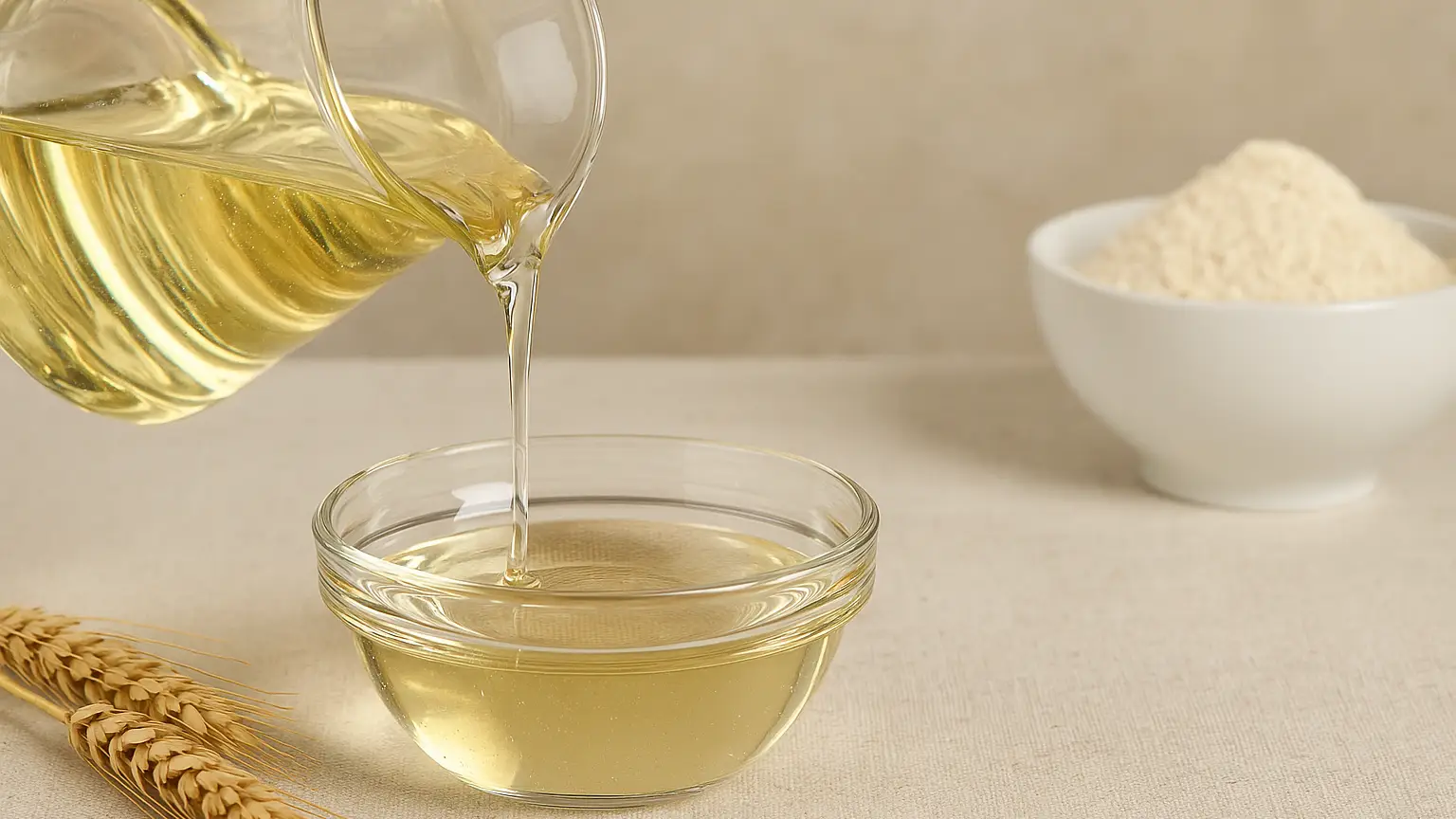
The demand curve for liquid glucose in Asia is steepening, fueled by several macroeconomic and industry-specific factors. Primarily, the massive population base, coupled with rising per capita income, has escalated the consumption of packaged and convenience foods. Countries like China, India, Indonesia, and Vietnam are witnessing a boom in their domestic food processing capabilities, requiring bulk quantities of functional ingredients. Liquid glucose, derived primarily from corn or wheat starch, offers a cost-effective and highly functional alternative to sucrose in many applications, making it a preferred choice for large-scale manufacturers aiming to optimize costs without compromising on quality.
Furthermore, the shift in consumer preference towards "clean label" products, though challenging, has been met with innovation using liquid glucose. Its natural derivation from starch resonates more with consumers than artificial sweeteners. The growth of the bakery and confectionery industry, estimated to grow at a CAGR of over 8% in the region, is a primary propeller. From providing softness in bread to preventing crystallization in hard candies, the functional properties of liquid glucose are irreplaceable, ensuring its central role in product formulation for years to come.
Key Applications Driving Market Growth
The versatility of liquid glucose is its greatest asset, leading to widespread adoption across diverse food segments. In the confectionery industry, it is a cornerstone ingredient. It prevents sucrose crystallization in products like jellies, gums, and fondants, ensuring a smooth, desirable texture. In hard-boiled candies, it delivers the essential chewiness and gloss, while in chocolate and compound coatings, it acts as a humectant to maintain moisture balance. The expansion of gummy vitamin and functional candy markets further broadens its application scope, requiring precise DE (Dextrose Equivalent) grades for specific textures.
Within the bakery sector, liquid glucose serves multiple purposes. It acts as a fermentable sugar for yeast, promotes browning (Maillard reaction) for appealing crust color, and, most importantly, retains moisture to extend the shelf life of cakes, pastries, and muffins. In beverages, both alcoholic and non-alcoholic, it provides fermentable sugars for brewing and balances sweetness and body in soft drinks and fruit juices. Beyond these, it finds critical use in ice cream to lower freezing point and improve scoopability, in canned fruits as a syruping agent, and in meat processing to enhance flavor and color development.
Spotlight on Product: Liquid Glucose Specifications & Benefits
Liquid glucose, often referred to as glucose syrup, is not a single product but a spectrum defined by its Dextrose Equivalent (DE) value. The DE indicates the degree of starch hydrolysis, influencing sweetness, viscosity, fermentability, and humectant properties. Common grades include low DE (20-38), offering low sweetness and high viscosity, ideal for body and texture in frozen desserts. Medium DE (38-58) provides balanced sweetness and viscosity, perfect for confectionery and baking. High DE (58+) is sweeter and more fermentable, suited for brewing and beverage applications. Understanding these specifications is paramount for food technologists to select the correct grade for their product.
The benefits of incorporating liquid glucose are multifaceted. Functionally, it controls crystallization, enhances mouthfeel, provides bulk, and improves shelf stability. Economically, it is often more cost-stable than sucrose and can be used to control sweetness intensity. Technologically, it offers manufacturers greater control over freezing points, fermentation rates, and browning reactions. For instance, a medium DE syrup in a chewy candy recipe prevents graininess, while a high DE syrup in a sports drink ensures rapid energy release. This technical flexibility makes it a powerful tool for R&D teams across Asia developing new products for local tastes.
Regional Market Dynamics and Key Countries
The Asian market for liquid glucose is not monolithic; it presents a tapestry of varied dynamics. China remains the dominant producer and consumer, with a massive starch processing industry supporting its domestic demand for bakery, confectionery, and beverage production. Government policies supporting bio-based products also indirectly benefit the liquid glucose sector. India follows closely, with its growing snack food and traditional sweet (mithai) industry modernizing and adopting liquid glucose for consistency and scale. The Indian market is particularly sensitive to raw material (corn) availability and pricing.
Southeast Asia represents the high-growth frontier. Indonesia, with its youthful population and booming quick-service restaurant sector, is experiencing surging demand for baked goods, sauces, and ready-to-drink beverages, all of which utilize liquid glucose. Similarly, Vietnam and Thailand are strengthening their positions as export hubs for processed foods, requiring reliable access to quality food ingredients. Japan and South Korea, while mature markets, continue to demand high-purity, specialized grades for premium and health-focused products, driving innovation in functional glucose syrups.
The Critical Role of B2B Chemical Distributors
In this complex and fast-moving landscape, the role of specialized B2B chemical distributors becomes mission-critical for food manufacturers. Companies do not merely need a supplier; they need a supply chain partner who ensures reliability, technical support, and regulatory compliance. A distributor like Chemtradeasia, with a presence in key markets (e.g., Chemtradeasia Indonesia), provides invaluable localized service. They manage logistics, warehousing, and just-in-time delivery, which is essential for manufacturers operating with lean inventory models to reduce capital tie-up.
Beyond logistics, a proficient distributor offers technical data sheets, certificates of analysis for every batch, and guidance on regulatory standards that vary by country, such as Indonesia's BPOM or India's FSSAI. They act as a single point of contact for sourcing multiple food additives, simplifying procurement. For a mid-sized bakery in Surabaya or a new confectionery startup in Bangalore, partnering with a reputable distributor like Chemtradeasia mitigates risk, ensures consistent ingredient quality, and allows them to focus on their core business of production and marketing.
Future Outlook and Innovation
Looking towards 2026 and beyond, the liquid glucose market in Asia is poised for sustained growth intertwined with innovation. One key trend is the development of specialized glucose syrups with targeted functionalities, such as syrups with specific carbohydrate profiles for sports nutrition or low-GI (Glycemic Index) formulations for health-conscious consumers. The integration of biotechnology may lead to more efficient and sustainable production processes, potentially using alternative starch sources.
Another significant trend is the push for sustainability across the value chain. This includes efforts to optimize water usage in starch processing, utilize co-products effectively, and ensure transparent and sustainable sourcing of raw materials. Distributors will play a role here by partnering with producers who adhere to sustainable practices. Furthermore, digitalization will transform procurement, with B2B platforms enabling more transparent pricing, easier order tracking, and digital inventory management, making the supply of essential ingredients like liquid glucose more resilient and responsive to market fluctuations.
Conclusion
The trajectory for liquid glucose in Asia's food ingredients industry is unequivocally upward. Its indispensable functional properties in creating texture, sweetness, and shelf stability align perfectly with the region's explosive growth in processed and indulgent foods. As applications diversify and regional markets mature, the need for precise grades and reliable supply will only intensify. Success in this dynamic environment requires more than just understanding technical specifications; it demands robust partnerships within the supply chain.
Navigating this promising yet complex market necessitates collaboration with experienced, reliable, and technically adept partners. Specialized B2B chemical and food ingredient distributors like Chemtradeasia are pivotal in bridging the gap between global production and local manufacturing needs. By ensuring consistent quality, regulatory compliance, and supply chain efficiency, they empower food businesses across Asia to innovate, scale, and meet the evolving tastes of billions of consumers, solidifying liquid glucose as a foundational pillar of the region's food industry through 2026 and into the future.
Leave a Comment