Introduction
The American industrial landscape is intricately linked to a vast array of foundational ingredients, among which Liquid Glucose stands as a critical workhorse. Also commonly known as glucose syrup or corn syrup, this versatile carbohydrate is derived primarily from the hydrolysis of starch, most often corn starch. Its value extends far beyond simple sweetness, serving as a functional maestro in product formulation across multiple sectors. As industries from confectionery to pharmaceuticals navigate economic fluctuations, supply chain dynamics, and evolving consumer demands, understanding the price trajectory and application spectrum of Liquid Glucose becomes paramount for strategic planning and competitive advantage.
This article provides a comprehensive analysis of the Liquid Glucose market in America, with a forward-looking perspective toward 2026. We will delve into the product's core specifications, dissect the complex factors influencing its price, and explore its indispensable roles in modern manufacturing. Furthermore, we will highlight the importance of partnering with established global suppliers like Chemtradeasia.com to ensure consistent quality, reliable supply, and informed procurement in a dynamic market. This insight is crucial for procurement managers, product developers, and business leaders aiming to optimize their operations and cost structures.
Understanding Liquid Glucose: Product Specifications and Types
Liquid Glucose is not a singular product but a category defined by its dextrose equivalent (DE) value, which measures the degree of starch hydrolysis. A higher DE indicates a greater proportion of simpler sugars like dextrose, resulting in higher sweetness and fermentability. Conversely, a lower DE syrup contains more complex carbohydrates, offering superior body, viscosity, and humectant properties. This fundamental specification dictates its application. Common types include High Maltose Syrup, prized in brewing and frozen desserts for its low hygroscopicity, and High Fructose Corn Syrup (HFCS), a sweeter variant ubiquitous in the beverage industry.
The physical and chemical properties of Liquid Glucose—such as viscosity, sweetness level, fermentability, browning reaction (Maillard reaction), and ability to control crystallization—are precisely engineered. For instance, in hard candy production, a specific DE syrup is used to prevent sucrose crystallization, ensuring a clear, smooth texture. In pharmaceuticals, high-purity Liquid Glucose serves as a vital energy source in intravenous drips and a binder in tablet formulations. Suppliers like Chemtradeasia.com cater to this diverse need by offering a range of grades, from standard food-grade syrups to specialized high-purity products for technical and pharmaceutical applications, each meeting stringent regulatory standards like USP, BP, and FCC.
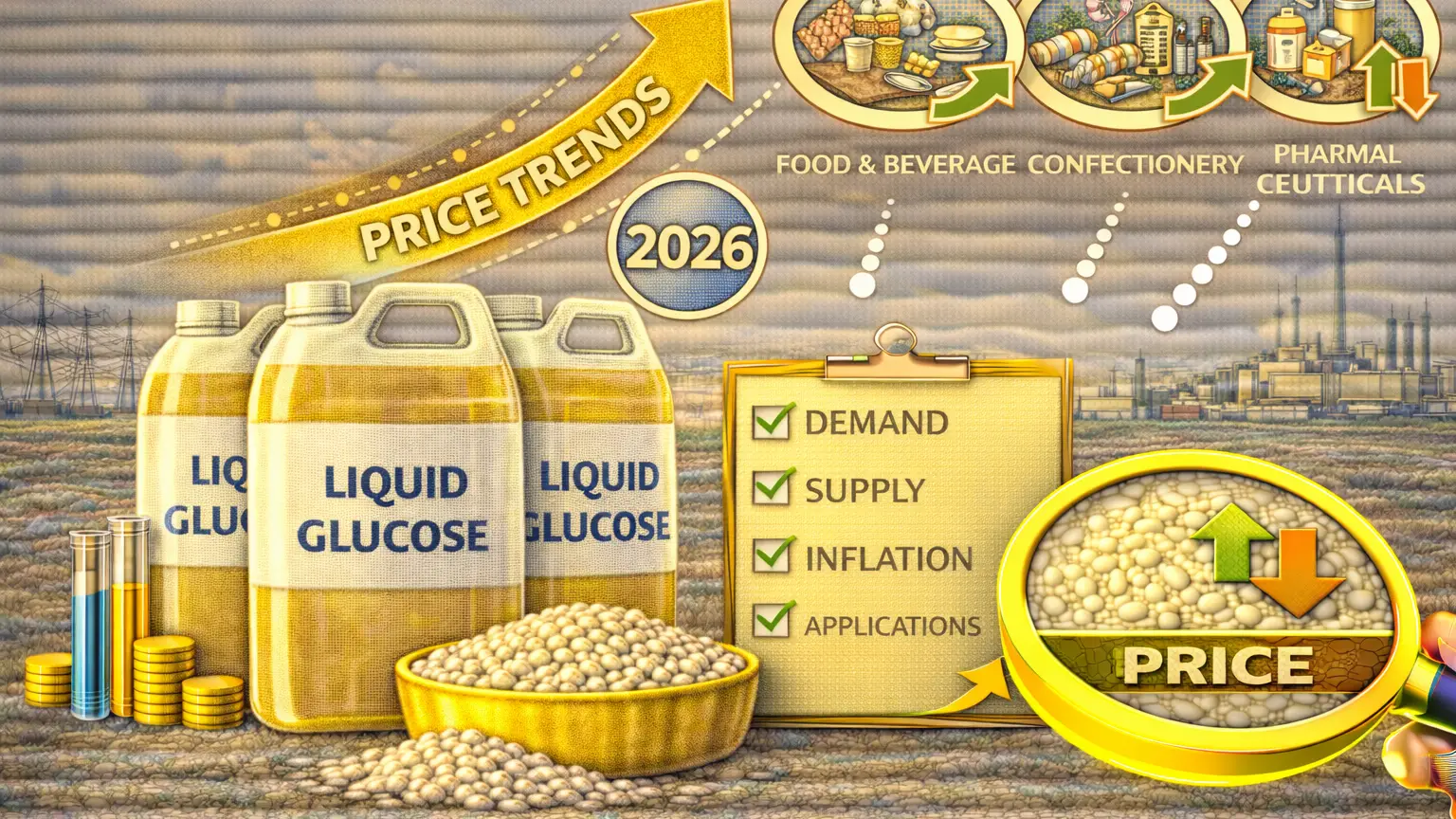
Key Drivers of Liquid Glucose Price Trends in America
The price of Liquid Glucose in the American market is a function of a multifaceted and often volatile equation. The most significant cost component is the raw material: corn. As a commodity, corn prices are susceptible to weather patterns (droughts in the Midwest), agricultural policies, biofuel demand (especially for ethanol), and global trade dynamics. A poor harvest or increased diversion of corn to ethanol production can swiftly tighten supply and elevate costs for starch, directly impacting Liquid Glucose pricing. Furthermore, energy costs play a crucial role, as the production process is energy-intensive, involving cooking, hydrolysis, and evaporation.
Beyond raw materials, operational and market forces exert strong influence. Manufacturing costs, including labor, transportation, and compliance with environmental regulations, add to the baseline price. On the demand side, consumption patterns in major end-use industries—such as a surge in packaged foods or beverages—can strain supply. Geopolitical events affecting trade, tariffs on imported corn or syrup, and currency exchange rates also contribute to price volatility. In recent years, post-pandemic supply chain realignments and a focus on regional sourcing have added new layers of complexity to the pricing model, making strategic sourcing from knowledgeable partners essential.
Industrial Applications of Liquid Glucose
The utility of Liquid Glucose spans a remarkable breadth of industries, making it a true industrial staple. In the food and beverage sector, its roles are diverse: it acts as a sweetener, humectant (retaining moisture in baked goods), texture enhancer, bulking agent, and crystallization inhibitor. It is foundational in confectionery (caramels, fondants, gummies), dairy products (ice cream, yogurt), baked goods, jams, and canned fruits. The beverage industry, particularly for soft drinks, relies heavily on High Fructose Corn Syrup (HFCS) due to its high sweetness and solubility.
Beyond food, Liquid Glucose finds critical applications in pharmaceuticals as a source of carbohydrate energy in oral rehydration solutions and parenteral nutrition. It acts as a granulating agent and binder in tablet manufacturing. In the personal care and cosmetics industry, it functions as a humectant in lotions and creams. Industrial fermentation processes use it as a cost-effective fermentable sugar for producing biofuels (like bioethanol), organic acids, amino acids, and enzymes. This wide-ranging applicability ensures consistent, multi-sector demand, underpinning the market's stability and growth prospects.
Sourcing Liquid Glucose: The Role of Reliable Suppliers
In a market sensitive to quality and price variables, partnering with a reputable supplier is a strategic imperative. Established global suppliers like Chemtradeasia.com provide more than just a product; they offer supply chain security, technical expertise, and consistent quality assurance. For American manufacturers, such partners facilitate access to a steady stream of Liquid Glucose that meets exacting specifications, whether for standard food-grade applications or specialized industrial needs. They navigate international logistics, regulatory compliance (including FDA standards), and bulk handling, reducing procurement risks for end-users.
A key advantage of working with specialized chemical suppliers is their ability to provide comprehensive product documentation, including Certificates of Analysis (CoA) and Material Safety Data Sheets (MSDS/SDS), which are non-negotiable for quality control and safety protocols. Furthermore, they can offer valuable market intelligence on price trends and availability, allowing buyers to make informed purchasing decisions. For businesses looking to optimize their formulations, these suppliers often have the technical support to recommend the correct DE or type of Liquid Glucose, potentially improving product outcomes and cost-efficiency.
Future Outlook and Market Predictions to 2026
Looking toward 2026, the American Liquid Glucose market is poised for steady growth, driven by its entrenched position in food processing and expanding applications in bioprocessing and pharmaceuticals. The market is expected to witness a compound annual growth rate (CAGR) of approximately 3-5%, influenced by both opportunities and challenges. A significant trend is the rising demand for clean-label and non-GMO products, which may spur interest in glucose syrups derived from non-GMO corn or alternative starch sources like wheat or tapioca. Suppliers who can cater to this niche are likely to capture added value.
However, the market also faces headwinds. Volatility in corn prices due to climate change and biofuel mandates will remain a persistent pricing factor. Consumer health concerns regarding sugar intake may moderate growth in some traditional food segments, though this is often offset by Liquid Glucose's irreplaceable functional properties (where it is not used primarily for sweetness). Innovation in production technology for greater efficiency and sustainability, along with the growth of the bio-economy (bio-plastics, bio-chemicals), will open new demand channels. Strategic sourcing and flexibility in supply agreements will be critical for end-users to navigate this evolving landscape cost-effectively.
Conclusion
Liquid Glucose remains an indispensable ingredient in America's industrial fabric, with its price and demand shaped by a complex interplay of agricultural, economic, and consumer forces. From ensuring the perfect texture in candy to fueling pharmaceutical innovations and bio-fermentations, its applications are vast and varied. Understanding its specifications, market drivers, and sourcing best practices is essential for any business that relies on this versatile syrup. As we advance toward 2026, staying informed on trends and building resilient supply partnerships, such as with global suppliers like Chemtradeasia.com, will be key to leveraging the opportunities within the dynamic Liquid Glucose market.
Disclaimer: The information presented in this article is for informational and market insight purposes only. It is not intended as technical, safety, or professional advice. Prices, trends, and applications are subject to change based on market conditions, regulatory updates, and specific product formulations. We strongly advise readers to verify all information independently, consult directly with technical experts, refer to official product documentation and safety data sheets (SDS/MSDS), and contact our team or the relevant supplier for precise specifications and guidance tailored to your specific application requirements.