Transport, Storage, and Quality Risks in the Mono Propylene Glycol Supply Chain
Introduction
In the global chemical and food ingredient trade, logistics and storage are not merely operational considerations but critical determinants of product quality, safety, and commercial viability. This is particularly true for Mono Propylene Glycol (MPG), a widely used compound in food, pharmaceutical, and industrial applications. Known for its versatility as a solvent, humectant, and stabilizer, MPG is a highly functional ingredient, but its physical and chemical properties introduce unique challenges in handling, transportation, and storage.
One of the defining characteristics of mono propylene glycol is its hygroscopic nature, meaning it readily absorbs moisture from the surrounding environment. While this property is beneficial in certain applications—such as maintaining moisture in food and cosmetic formulations—it presents significant challenges in logistics. Exposure to humidity can alter product concentration, affect purity, and compromise compliance with food-grade or pharmaceutical-grade specifications.
As global trade flows expand and supply chains become increasingly complex, ensuring the integrity of MPG during transit and storage has become a priority for manufacturers, distributors, and importers. From bulk liquid shipping across continents to storage in industrial tanks and repackaging into smaller units, each stage of the supply chain must be carefully managed to prevent contamination, degradation, and economic losses.
This article provides a comprehensive analysis of the logistics and storage considerations for mono propylene glycol, focusing on bulk transportation, tank storage systems, contamination risks, packaging strategies, and the broader implications for supply chain management.
Physical Properties and Their Impact on Logistics
Understanding the logistics challenges of mono propylene glycol begins with its physical and chemical properties. MPG is a colorless, odorless, viscous liquid with high solubility in water and many organic solvents. Its hygroscopic nature means that it has a strong affinity for water, enabling it to absorb moisture from the air even under moderate humidity conditions.
This property has direct implications for storage and transportation. In open or poorly sealed environments, MPG can gradually take in moisture, leading to dilution and changes in concentration. For applications that require strict purity levels—such as food-grade or pharmaceutical-grade MPG—this can result in non-compliance with quality specifications.
In addition to moisture absorption, MPG’s relatively low volatility and chemical stability make it suitable for long-distance transportation. However, these advantages do not eliminate the need for careful handling. The interaction between MPG and environmental conditions, including temperature fluctuations and humidity levels, must be managed to preserve product integrity.
The viscosity of MPG also influences logistics operations. While it remains liquid at room temperature, its flow characteristics require appropriate pumping and handling systems, particularly in bulk transport scenarios. Improper handling can lead to inefficiencies, product loss, or contamination.
Bulk Liquid Transportation: Global Trade Considerations
Bulk transportation is the most common method for moving large volumes of mono propylene glycol across international markets. This typically involves the use of ISO tank containers, tanker trucks, or railcars designed for liquid chemicals. These systems are engineered to maintain product integrity during transit, but they also require strict operational controls.
In international trade, MPG is often shipped in ISO tanks, which provide a sealed environment that minimizes exposure to air and moisture. These tanks are constructed from stainless steel and equipped with insulation and pressure control systems to maintain stable conditions throughout the journey. The use of dedicated or properly cleaned tanks is essential to prevent cross-contamination from previous cargoes.
Shipping routes and transit times also play a critical role in logistics planning. Long-distance shipments, particularly those involving transcontinental routes, expose MPG to varying climatic conditions. Changes in temperature and humidity during transit can affect product stability, making it essential to use appropriate sealing and monitoring systems.
Freight costs are another important consideration. The global shipping industry has experienced significant volatility in recent years, with fluctuations in fuel prices, port congestion, and geopolitical disruptions affecting transportation costs. These factors can influence the overall cost structure of MPG and impact procurement decisions for importers.
Efficient coordination between suppliers, logistics providers, and receiving facilities is essential to ensure timely delivery and minimize risks associated with delays or improper handling.
Tank Storage Systems and Infrastructure
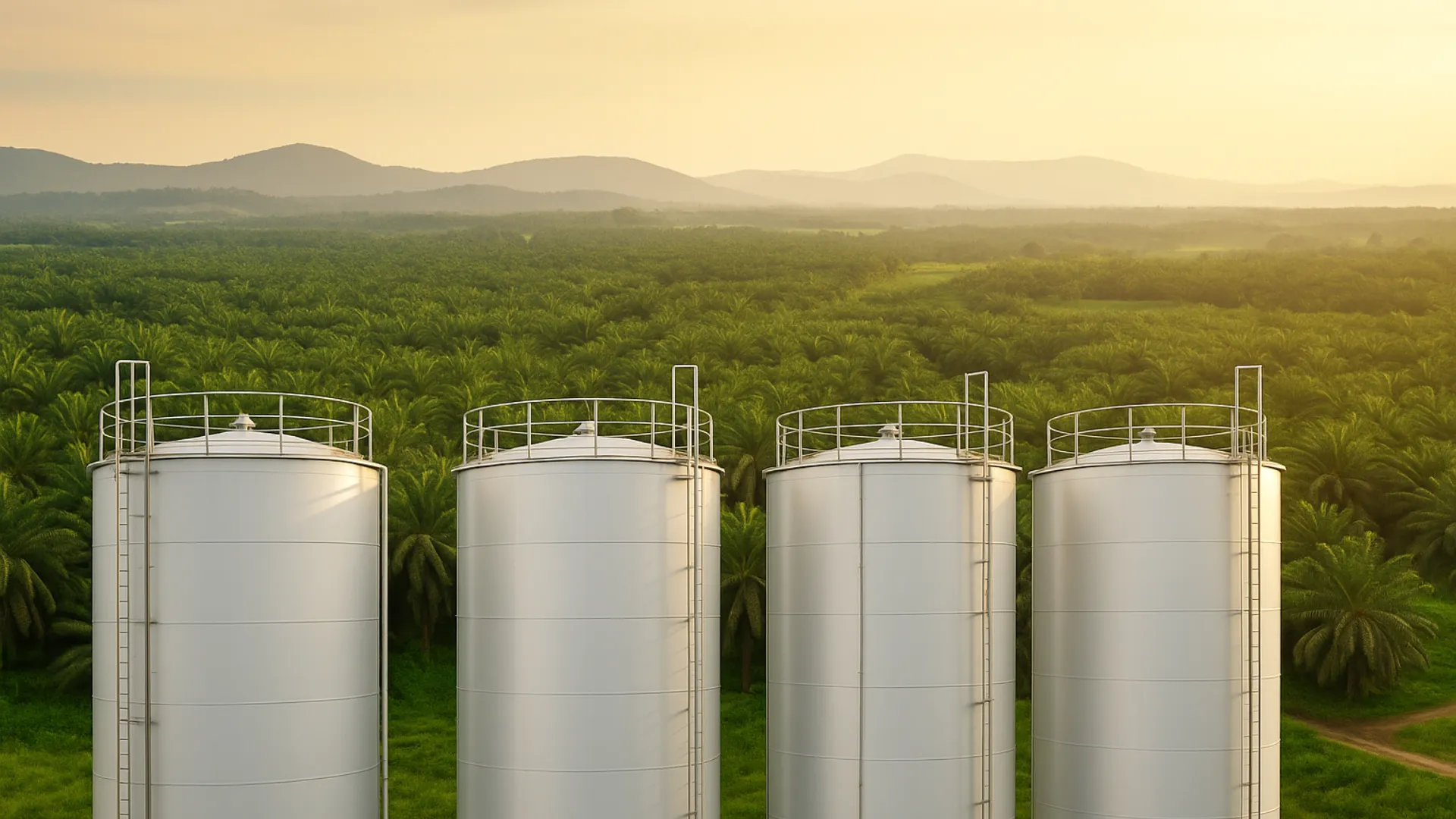
Once mono propylene glycol reaches its destination, proper storage becomes a critical factor in maintaining quality. Industrial storage of MPG typically involves the use of bulk storage tanks, which are designed to provide a controlled environment that minimizes exposure to moisture and contaminants.
Storage tanks for MPG are usually constructed from materials such as stainless steel or coated carbon steel to prevent chemical reactions and contamination. These tanks are equipped with sealed systems, including pressure-relief valves and nitrogen blanketing, to reduce contact with atmospheric air.
Nitrogen blanketing is a common practice in MPG storage, where an inert gas is used to create a protective layer above the liquid surface. This prevents moisture ingress and oxidation, helping to maintain product purity over extended storage periods.
Temperature control is another important aspect of storage management. While MPG is stable across a wide temperature range, extreme conditions can affect its viscosity and handling characteristics. Maintaining a stable temperature environment ensures consistent product performance and facilitates efficient transfer operations.
Regular inspection and maintenance of storage systems are essential to prevent leaks, contamination, and equipment failure. Proper cleaning protocols must also be followed to ensure that tanks remain free from residues that could compromise product quality.
Contamination Risks and Quality Management
Contamination is one of the most significant risks in the MPG supply chain, particularly given its hygroscopic nature and widespread use in sensitive applications. Contaminants can enter the product at various stages, including transportation, storage, and handling.
Moisture contamination is the most common issue, as MPG readily absorbs water from the environment. Even small amounts of moisture can alter product specifications, particularly for high-purity grades. This risk underscores the importance of maintaining sealed systems and controlled environments throughout the supply chain.
Cross-contamination from other chemicals is another concern, especially in shared transportation or storage systems. Residues from previous cargoes can compromise the purity of MPG, making it unsuitable for certain applications. Strict cleaning and validation procedures are necessary to mitigate this risk.
Microbial contamination, while less common, can also occur if storage conditions are not properly managed. This is particularly relevant for food and pharmaceutical applications, where hygiene standards are critical.
Quality management systems play a central role in addressing these risks. Regular testing, including analysis of water content, purity, and contaminants, is essential for ensuring compliance with industry standards. Documentation and traceability are also important, enabling stakeholders to track product history and respond effectively to any quality issues.
Packaging Formats and Distribution Flexibility
While bulk transport is the most efficient method for large volumes, mono propylene glycol is also distributed in various packaging formats to meet the needs of different customers. These formats include drums, intermediate bulk containers (IBCs), and smaller containers for specialized applications.
Drums and IBCs provide flexibility for distributors and end-users who require smaller quantities or more manageable handling options. These containers are typically made from materials that provide strong barriers against moisture and contamination, ensuring product integrity during storage and transportation.
Packaging design must account for the hygroscopic nature of MPG, with features such as airtight seals and durable construction to prevent exposure to environmental conditions. Proper labeling is also essential, providing information on product grade, handling instructions, and safety requirements.
The choice of packaging format can influence logistics costs and operational efficiency. Bulk transport offers cost advantages for large volumes, while smaller packaging formats provide greater flexibility and accessibility for diverse market segments.
Supply Chain Implications for Importers and Distributors
For importers and distributors, managing the logistics and storage of mono propylene glycol requires a strategic approach that balances cost efficiency with quality assurance. The hygroscopic nature of MPG introduces risks that must be carefully controlled to maintain compliance with customer specifications and regulatory requirements.
Investing in appropriate infrastructure, including storage tanks, handling equipment, and quality control systems, is essential for ensuring product integrity. Training personnel in proper handling procedures and maintaining strict operational protocols can further reduce the risk of contamination and product loss.
Collaboration with reliable logistics partners is also critical. Selecting carriers and storage providers with experience in handling liquid chemicals can enhance supply chain efficiency and reduce the likelihood of issues during transit.
Market dynamics, including fluctuations in freight costs and supply availability, must also be considered in logistics planning. By monitoring these factors and maintaining flexibility in sourcing and distribution strategies, importers can better navigate the complexities of the MPG supply chain.
Conclusion
The logistics and storage of mono propylene glycol represent a critical component of its global supply chain, with significant implications for product quality, safety, and cost efficiency. Its hygroscopic nature, while beneficial in end-use applications, introduces unique challenges that require careful management at every stage of handling.
From bulk liquid transportation in ISO tanks to storage in controlled environments and distribution in various packaging formats, each element of the supply chain must be designed to minimize exposure to moisture and contaminants. Effective quality management systems, supported by robust infrastructure and operational discipline, are essential for maintaining compliance and meeting customer expectations.
As global demand for mono propylene glycol continues to grow across food, pharmaceutical, and industrial sectors, the importance of efficient and resilient logistics systems will only increase. Companies that invest in advanced storage solutions, strategic partnerships, and proactive risk management will be better positioned to succeed in an increasingly complex and competitive market.