Introduction
Palm oil is an edible vegetable oil derived from the fruit of the oil palm tree, primarily the African oil palm (Elaeis guineensis). It is the most widely consumed vegetable oil on the planet, found in roughly half of all packaged products in American supermarkets, from pizza dough and instant noodles to lipstick and detergent. Its unparalleled versatility, high yield per hectare, and cost-effectiveness have made it a cornerstone of global agribusiness. However, its meteoric rise has been shadowed by intense controversy over deforestation, habitat destruction, and social issues.
For businesses and manufacturers in America and beyond, understanding palm oil is not just about navigating consumer sentiment; it's about grasping a critical supply chain component. The oil is traded and used in various forms, most notably as Crude Palm Oil (CPO) and Refined, Bleached, and Deodorized (RBD) Palm Oil. Each form has distinct properties, applications, and market dynamics. This article delves deep into the multifaceted world of palm oil, separating fact from fiction, examining its economic importance, and providing a clear-eyed view of its benefits and challenges for the American market.
The Two Faces of Palm Oil: Crude vs. Refined
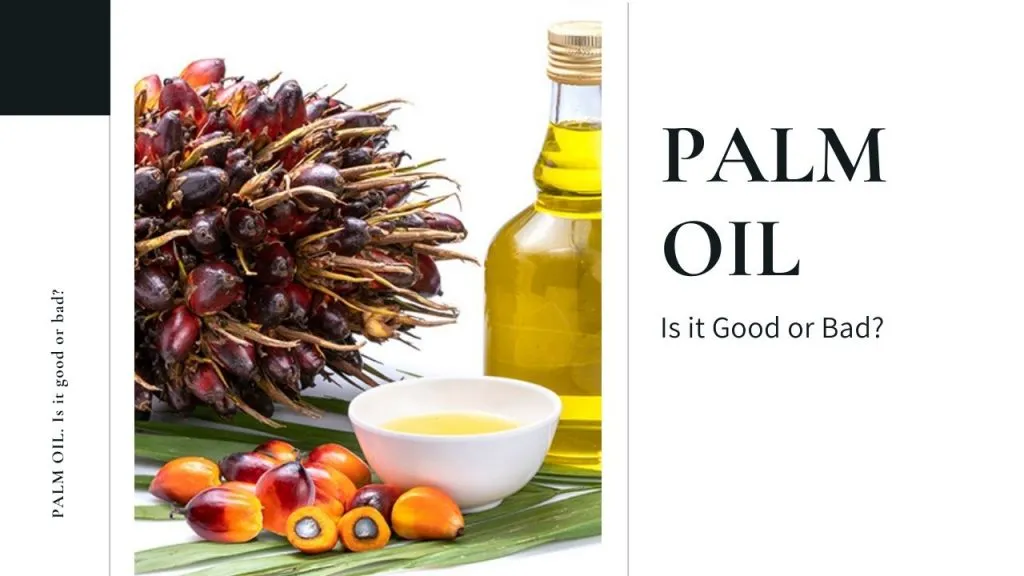
To comprehend palm oil's role in industry, one must first distinguish between its primary commercial states. Crude Palm Oil (CPO) is the raw, unprocessed oil extracted from the fleshy mesocarp of the palm fruit. It is characterized by its deep reddish-orange color, a result of high beta-carotene (pro-vitamin A) content, and a distinct odor. CPO has a high free fatty acid (FFA) content and contains impurities, making it unsuitable for direct food use without further processing. It is a vital commodity, often traded on futures markets, and serves as the foundational raw material for a vast array of derivative products.
In contrast, Refined, Bleached, and Deodorized (RBD) Palm Oil is the finished, food-grade product. The refining process involves several steps: neutralization to remove FFAs, bleaching with clay to remove color and impurities, and deodorization through steam distillation to eliminate odors and flavors. The result is a neutral, stable, semi-solid fat at room temperature with a clean taste and extended shelf life. RBD palm oil's consistency and functional properties, such as its resistance to oxidation and high melting point, make it incredibly valuable to food manufacturers. Furthermore, RBD palm oil can be fractionated into RBD Palm Olein (liquid, used for frying) and RBD Palm Stearin (solid, used in margarines and shortenings).
The choice between CPO and RBD palm oil depends entirely on the end-use. CPO is primarily an industrial input for refineries or for non-food uses like biodiesel feedstock. RBD palm oil and its fractions are the workhorses of the food industry. For businesses sourcing these commodities, partnering with reliable suppliers who understand these specifications and can ensure a consistent, traceable supply chain—such as through platforms like chemtradeasia.com—is crucial for operational efficiency and meeting quality standards.
The Global Palm Oil Market: Trends and America's Role
The global palm oil market is a behemoth, valued at over USD 60 billion and dominated by production in Indonesia and Malaysia, which together account for about 85% of the world's supply. The oil's incredible yield—producing 3-4 tons per hectare annually, which is nearly 5-10 times more than other oilseeds like soybean or rapeseed—is the fundamental driver of its economic dominance. This efficiency translates to lower land use and, theoretically, lower cost, a key factor for price-sensitive industries.
In the United States, palm oil imports have fluctuated but remain significant, primarily used in the food processing industry and, increasingly, as a feedstock for renewable biofuels due to federal mandates like the Renewable Fuel Standard. According to USDA data, the U.S. imports several hundred thousand metric tons annually. A major trend shaping the American market is the growing demand for sustainable palm oil. Consumer awareness and pressure from NGOs have led many major corporations to commit to sourcing 100% certified sustainable palm oil (CSPO) under standards set by the Roundtable on Sustainable Palm Oil (RSPO).
This shift presents both a challenge and an opportunity for suppliers and buyers. The market is bifurcating into conventional and certified streams, with traceability becoming a non-negotiable requirement for many brands. American companies are now actively seeking suppliers who can provide verifiable, deforestation-free supply chains. This trend underscores the importance of digital B2B platforms that can connect buyers with vetted suppliers who have the necessary certifications and transparent sourcing practices, ensuring compliance with both corporate policies and evolving regulatory landscapes.
Key Applications and Benefits of Palm Oil Products
The widespread use of palm oil is no accident; it is driven by a unique combination of chemical and physical properties that are difficult and costly to replicate with other oils. Its semi-solid state at room temperature eliminates the need for harmful artificial hydrogenation, which creates trans fats. This makes RBD palm oil and palm stearin ideal for creating trans-fat-free margarines, shortenings, and bakery fats that provide the desired texture and mouthfeel in pastries, cookies, and crackers.
In the frying industry, RBD palm olein is king. It has a high smoke point, exceptional oxidative stability which prevents it from breaking down quickly during prolonged high-heat use, and it imparts a neutral taste to food. This translates to longer fry life for restaurants and food processors, reducing oil turnover and operational costs. Beyond food, palm oil derivatives, known as oleochemicals, are fundamental in producing soaps, detergents, cosmetics (as emulsifiers and texture enhancers), and even industrial lubricants and candles.
The benefits are clear from a manufacturing standpoint: functionality, cost-effectiveness, and versatility. For a food technologist, palm oil provides the perfect "hard stock" for fat blends. For a cosmetic chemist, its derivatives offer reliable emollient properties. For a biofuel producer, CPO represents a high-energy-density feedstock. This multifaceted utility ensures that palm oil remains deeply embedded in global manufacturing, making informed sourcing—understanding whether you need CPO, RBD, or a specific fraction—a critical business decision.
The Sustainability Debate and Environmental Impact
The environmental cost of palm oil expansion is the core of the controversy. Large-scale clearing of tropical rainforests and carbon-rich peatlands in Southeast Asia for plantations has led to catastrophic biodiversity loss, particularly for iconic species like the orangutan, Sumatran tiger, and rhinoceros. This deforestation is a major driver of greenhouse gas emissions and contributes to regional haze pollution. Furthermore, the industry has been linked to land rights conflicts and labor issues in producing countries.
In response, the sustainability movement has gained formidable momentum. Certification schemes, most notably the RSPO, set standards for environmentally and socially responsible production. While criticism of certification effectiveness persists, it has undeniably moved the needle, creating a market mechanism for better practices. Technological solutions are also emerging, such as satellite monitoring (e.g., Global Forest Watch) for supply chain transparency and yield improvements on existing farmland to reduce pressure for new deforestation.
For the American importer or brand, navigating this landscape is complex. The solution is not a simplistic boycott, which could shift demand to less efficient oils requiring more land, but supporting verified sustainable production. This involves conducting thorough due diligence on suppliers, demanding chain-of-custody documentation (like Mass Balance or Segregated certified oil), and engaging with industry initiatives. The choice to source sustainable palm oil is increasingly a matter of corporate social responsibility, brand protection, and long-term supply chain resilience.
Conclusion
Palm oil is a study in contrasts: a remarkably efficient and functional commodity shadowed by significant environmental and social challenges. For the American market, it remains an indispensable ingredient across countless industries. The path forward lies in nuanced understanding and responsible action. Businesses must recognize the distinct roles of crude palm oil as a raw material and RBD palm oil as a refined food ingredient, and make sourcing decisions aligned with both operational needs and sustainability commitments.
The future of palm oil will be shaped by continued innovation in sustainable agriculture, stricter corporate sourcing policies, and informed consumer choice. By prioritizing transparency, supporting credible certification, and leveraging global B2B networks that connect buyers with responsible suppliers, the industry can evolve towards a model that balances economic necessity with ecological and ethical responsibility.
Disclaimer: This article is for informational and market insight purposes only. It is not intended as technical, safety, or professional advice. The information presented regarding product specifications, applications, and market trends should be verified independently. For specific applications, safety protocols, and precise product data, readers must consult relevant experts, official technical documentation such as Material Safety Data Sheets (MSDS/SDS), and directly contact our team or qualified professionals to address their particular requirements.
Leave a Comment