Introduction: Cost Efficiency in Modern Meat Processing
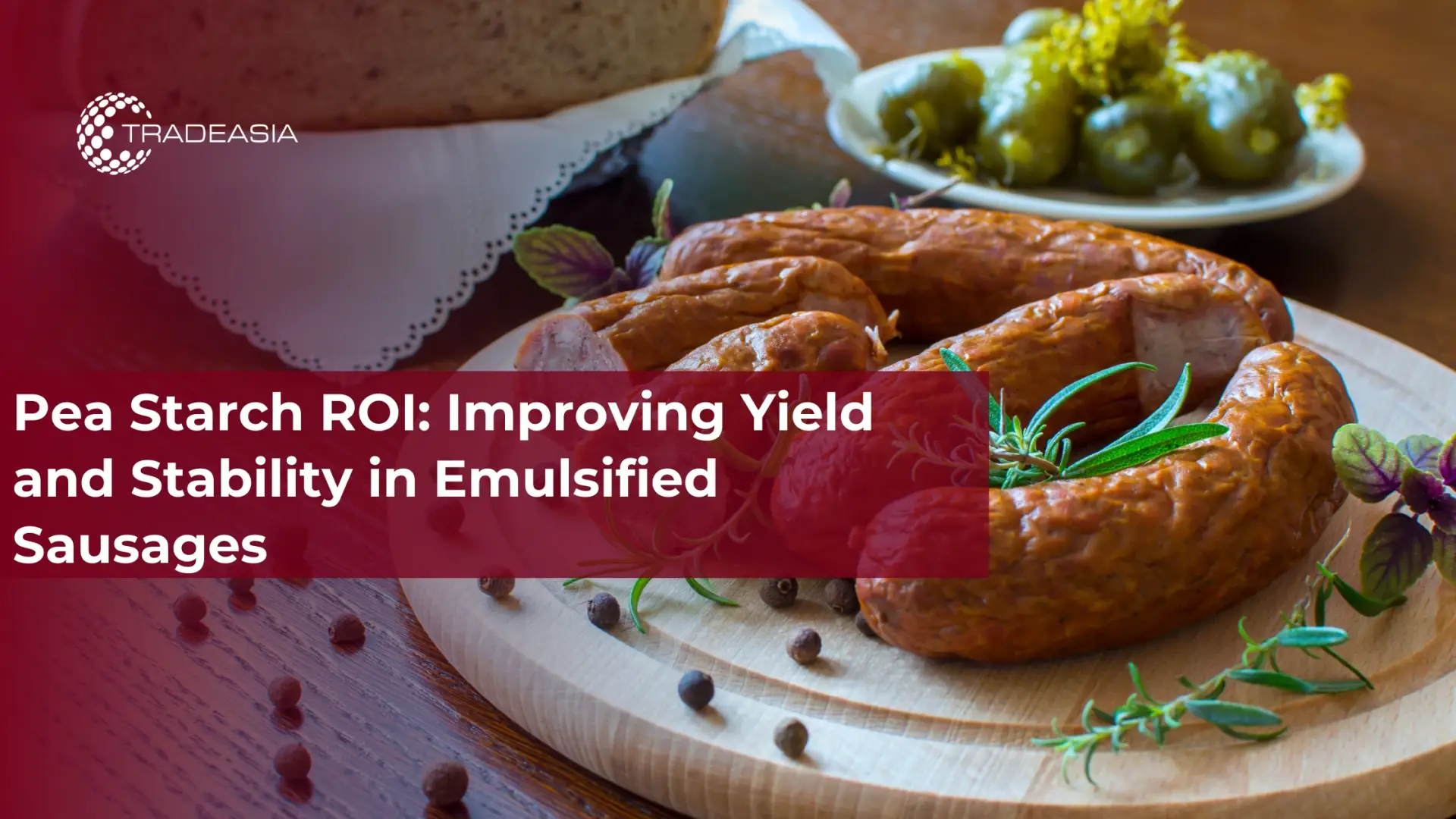
In the global meat processing industry, maintaining consistent product quality while controlling formulation costs remains a constant challenge. Producers of emulsified meat products such as frankfurters, bologna, mortadella, and hot dogs operate in a highly competitive market where raw material costs, particularly lean meat, can fluctuate significantly. These pressures require manufacturers to continuously evaluate ingredient strategies that allow them to maintain stable product performance while improving production efficiency.
One widely used approach in processed meat formulation is the concept of meat extension. This strategy involves partially replacing lean meat proteins with a combination of water and functional ingredients that help maintain the structure, texture, and stability of the final product. When properly formulated, meat extension can improve production yield and reduce formulation costs without negatively affecting consumer perception.
However, emulsified sausage systems are complex and require careful ingredient selection. The structural integrity of products such as frankfurters or bologna depends heavily on the stability of the oil-in-water emulsion formed during processing. Salt-soluble meat proteins, primarily myosin and actin, act as natural emulsifiers that stabilize fat droplets and bind water within the matrix.
When the proportion of lean meat is reduced, the stability of this protein network may also decrease. Without appropriate functional binders, the product may develop defects such as poor texture, fat separation during cooking, or excessive moisture loss during storage. For this reason, meat processors often incorporate functional starches that help stabilize water and reinforce the structural network.
Among the various starch options available, native pea starch has gained increasing attention in recent years. Due to its relatively high amylose content and favorable gelatinization characteristics, pea starch can contribute to improved texture stability, water retention, and slicing performance in emulsified meat products.
High-Amylose Starch Functionality in Meat Systems
The functional properties of pea starch in meat applications are closely related to its internal molecular structure. Like all starches, pea starch consists of two primary glucose polymers: amylopectin and amylose. Amylopectin is highly branched and contributes primarily to viscosity and thickening behavior, while amylose is a linear molecule that plays a significant role in gel formation during cooling.
Most cereal starches, such as standard corn starch, contain approximately 25% amylose. Root starches like tapioca and potato typically contain even lower amylose levels, which often produce softer and more elastic textures after cooking. In contrast, pea starch extracted from yellow field peas (Pisum sativum) generally contains approximately 30–40% amylose, which contributes to stronger gel formation.
When pea starch is heated in the presence of water during sausage cooking, the starch granules swell and gelatinize. During the subsequent cooling stage, amylose molecules begin to realign through a process known as retrogradation. This process creates a more structured gel network that can contribute to product firmness and structural stability.
In emulsified sausage formulations, this gel network can work together with the extracted meat proteins to reinforce the internal structure of the product. The result is often a firmer texture and improved cohesion within the meat matrix. When used at appropriate inclusion levels, pea starch can therefore help maintain product firmness while allowing manufacturers to incorporate additional water into the formulation.
Because of this balance between water-binding capacity and structural reinforcement, pea starch is frequently used as a functional binder in processed meat systems where both yield and texture are important formulation targets.
Thermal Behavior of Pea Starch During Sausage Processing
Understanding the thermal properties of starch is important when selecting functional ingredients for high-shear meat processing systems. Emulsified sausages are typically produced using high-speed bowl choppers or cutters, where lean meat, fat, curing ingredients, and ice are mixed under controlled temperatures to create a stable emulsion.
During the chopping stage, maintaining a low batter temperature is critical. If the temperature rises too quickly, fat may begin to melt before the protein matrix is fully developed, which can destabilize the emulsion. For this reason, processors carefully control the chopping temperature, typically keeping the mixture below approximately 12–15°C.
Pea starch is well suited to this process because its gelatinization temperature is relatively high compared with some other starches. Gelatinization generally begins around 65–70°C and peaks near 70–75°C, meaning the starch granules remain largely inactive during the cold mixing and emulsification stages.
Because the starch does not hydrate significantly at low temperatures, it is less likely to compete with meat proteins for water during the initial mixing phase. This allows the salt-soluble proteins to hydrate properly and form a stable emulsion around the fat droplets.
The functional contribution of pea starch becomes more significant later in the process, during the cooking stage in the smokehouse or steam chamber. As the internal temperature of the sausage increases, the starch begins to gelatinize and absorb water within the meat matrix. This gelatinized starch network can help retain moisture during cooking and contribute to improved product yield.
Slicing Performance and Water Retention
For manufacturers producing sliced deli meats and emulsified sausages, slicing performance is an important indicator of product quality and processing efficiency. High-speed industrial slicers require the sausage log to maintain sufficient structural integrity so that slices remain uniform and intact.
Products with weak internal structure may tear or crumble during slicing, leading to uneven slices, increased product waste, and slower production speeds. Texture stability is therefore critical not only for consumer experience but also for operational efficiency on the processing line.
Pea starch can contribute to improved slicing performance by reinforcing the internal matrix of the sausage. The gel network formed during cooling helps maintain cohesion within the product, which supports cleaner slicing and more consistent slice geometry.
Water retention is another important factor influencing product quality. During storage and vacuum packaging, poorly bound moisture may migrate out of the product, creating liquid accumulation known as purge or syneresis. This liquid can negatively affect the visual appearance of packaged meat products and reduce shelf-life perception.
Functional starches such as pea starch help bind water within the product matrix, which can reduce the amount of free moisture released during storage. While purge levels depend on multiple formulation and processing factors, the use of effective water-binding ingredients can help improve moisture stability and maintain product appearance during distribution.
Clean Label and Allergen Considerations
In addition to functional performance, ingredient selection in meat processing is increasingly influenced by consumer expectations regarding labeling and allergen management. Many traditional binders used in processed meat products, such as soy protein isolates or wheat-based ingredients, are classified as major allergens in many regions.
The use of allergenic ingredients requires strict segregation and control procedures in food manufacturing facilities. These measures can increase operational complexity and may limit product positioning in certain markets.
Pea starch provides an alternative functional ingredient that aligns with current clean-label and allergen-management trends. As a naturally derived starch extracted from yellow peas through physical separation processes, native pea starch is typically gluten-free and non-GMO, and it is not considered a major allergen in most regulatory frameworks.
Because it is used in its native form rather than chemically modified, pea starch can also support ingredient lists that are perceived as simpler or more natural by consumers. For manufacturers seeking to reformulate products to meet evolving market expectations, this can provide an additional advantage alongside its functional performance.
Procurement Strategy: Evaluating Functional Quality
When sourcing pea starch for meat processing applications, procurement teams typically evaluate more than just price per kilogram. Functional consistency, purity, and supplier quality assurance systems are also important considerations.
One key specification is residual protein content. Peas naturally contain proteins that may carry characteristic flavor notes if not sufficiently removed during starch extraction. High-quality pea starch suppliers typically refine the starch to achieve very low residual protein levels, helping minimize the risk of unwanted flavor impact in the final product.
Color and ash content are also commonly evaluated. A high-purity starch with a clean white appearance helps ensure that the ingredient does not alter the visual characteristics of pale emulsified meat products such as chicken or turkey sausages.
From an economic perspective, manufacturers often assess the cost-in-use of functional starches rather than simply comparing raw ingredient prices. Pea starch typically demonstrates good hydration capacity, allowing it to bind multiple parts of water during cooking. This ability to stabilize additional moisture can help increase product yield and improve formulation efficiency when used correctly.
In addition to functional specifications, buyers generally require comprehensive documentation such as Technical Data Sheets (TDS) and Certificates of Analysis (CoA) to verify microbiological safety, moisture levels, and other quality parameters. Reliable suppliers that provide consistent quality and traceability can help support stable production performance over time.
Conclusion
Pea starch has become an increasingly valuable functional ingredient in emulsified meat formulations due to its balance of water-binding capacity, gel strength, and clean-label compatibility. Its relatively high amylose content contributes to gel formation during cooling, which can help reinforce the structure of emulsified sausages and support improved slicing performance.
Because pea starch gelatinizes at higher temperatures, it remains largely inactive during the early mixing stages of sausage production. This allows proper protein extraction and emulsion formation before the starch begins to bind water during the cooking phase.
In addition to its functional role in texture and moisture retention, pea starch offers advantages in modern ingredient strategies that prioritize allergen management and simpler labeling. For many manufacturers, this combination of performance and formulation flexibility makes pea starch a practical ingredient choice in processed meat applications.
When sourced from reliable suppliers and integrated into well-designed formulations, pea starch can support improved production yield, stable product quality, and efficient processing performance in emulsified sausage manufacturing.
For more information about high-quality native pea starch for meat processing and food manufacturing, including product specifications and supply availability, visit foodadditivesasia.com.