
Introduction Polyaluminium Chloride (PAC)
Across Asia’s rapidly industrializing economies, Polyaluminium Chloride (PAC) has become one of the most important inorganic coagulants used in water treatment and process industries. From municipal drinking water plants in India and China to effluent treatment units in textile and leather clusters in Southeast Asia, PAC plays a critical role in meeting tightening environmental and quality standards. Growing urbanization, stricter discharge regulations, and the need for more efficient treatment solutions are all driving sustained demand for PAC in the region.
At the same time, buyers in Asia face increasing pressure to secure consistent quality, competitive pricing, and reliable logistics for PAC and related chemicals. This is especially true for sectors such as the leather industry, where water quality, effluent control, and process stability directly affect product quality and export competitiveness. In this context, platforms like chemtradeasia are becoming central to how manufacturers, traders, and end-users source Polyaluminium Chloride and other specialty chemicals across borders.
This article explores the technical and commercial landscape of PAC in Asia, focusing on its key applications, the specific role it plays in the leather value chain, and how buyers can navigate the regional market more effectively. It also highlights sourcing considerations, typical product specifications, and emerging trends that are reshaping procurement strategies for PAC buyers in Asia.
Overview of Polyaluminium Chloride and Its Key Properties
Polyaluminium Chloride is an inorganic polymer coagulant, generally represented by the formula Aln(OH)mCl3n−m, where the degree of polymerization and basicity can be adjusted to suit different applications. Unlike traditional coagulants such as aluminum sulfate (alum) or ferric chloride, PAC is partially neutralized and pre-hydrolyzed. This structural difference gives PAC faster floc formation, broader effective pH range, and improved settling behavior in many water and wastewater systems.
Commercially, PAC is commonly supplied either as a yellow to light brown liquid or as a light-yellow powder. Key technical parameters buyers typically evaluate include Al2O3 content (often in the range of 26–30% for liquid and 28–31% or higher for powder grades), basicity (usually 40–90%), water insoluble content, and heavy metal limits. For sensitive applications like potable water treatment, low iron content and compliance with national drinking water standards are essential. For industrial and leather applications, higher basicity PAC is often preferred because it can deliver stronger and more compact flocs with lower sludge volume.
In Asia, product standards are guided by national norms such as IS 15573 in India and GB/T standards in China, as well as internal specifications set by large industrial users and municipalities. Buyers increasingly request documentation such as Certificates of Analysis (COA), quality certifications (e.g., ISO 9001), and safety documents like MSDS/SDS. Platforms such as chemtradeasia facilitate the matching of these specification requirements with suitable producers, helping buyers identify the right PAC grade for their process and regulatory environment.
Core Applications of Polyaluminium Chloride in Asia
The largest application segment for Polyaluminium Chloride in Asia is water and wastewater treatment. Municipal drinking water plants use PAC as a primary coagulant to remove turbidity, suspended solids, algae, and organic matter from surface and ground water sources. PAC’s ability to perform well across a wider pH range (typically pH 5–9) and its lower dosage requirements compared with alum can reduce overall treatment costs, including savings on alkali addition and sludge handling. In rapidly growing cities across India, Indonesia, Vietnam, and China, these benefits make PAC an attractive alternative as utilities upgrade or expand treatment capacity.
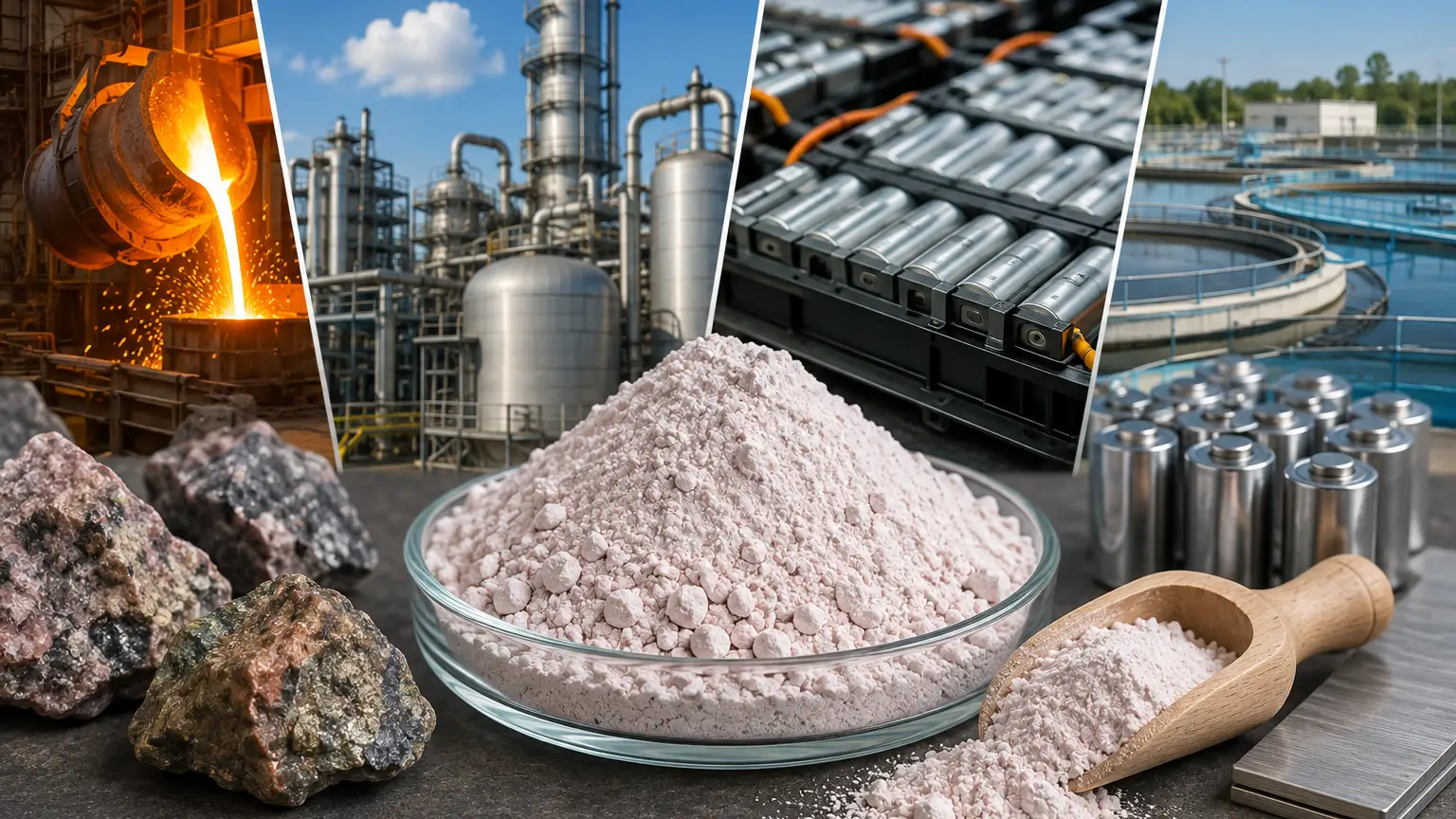
Industrial wastewater treatment is another major driver of PAC demand. Industries such as textiles, pulp and paper, food processing, petrochemicals, and mining rely on PAC for primary and secondary clarification. In Asia’s manufacturing hubs, many industrial estates operate centralized effluent treatment plants (CETPs) where PAC is dosed to meet increasingly stringent chemical oxygen demand (COD), biological oxygen demand (BOD), and suspended solids limits before discharge or reuse. As governments in countries like China and Vietnam have tightened environmental enforcement over the last decade, PAC consumption in these industrial segments has steadily increased.
Beyond water treatment, PAC finds specialized applications in sectors such as oil and gas (for oil–water separation), ceramics and pigments (as a binder and flocculant), and paper manufacturing (as a retention aid and sizing promoter). In Asia’s export-oriented manufacturing ecosystem, consistency and performance of PAC directly influence process stability and product quality. Buyers therefore often look for suppliers with proven track records, strong technical support, and the ability to tailor PAC formulations. Through networks like chemtradeasia, many of these niche requirements can be matched with producers who have specific application expertise.
Role of Polyaluminium Chloride in the Leather Industry
The leather industry is a significant user of water and chemicals in Asia, with major production clusters in India (Tamil Nadu, Uttar Pradesh), Pakistan (Punjab, Sindh), Bangladesh (Dhaka region), China, and parts of Southeast Asia. Polyaluminium Chloride plays a dual role in this sector: as a key coagulant in effluent treatment plants attached to tanneries, and, in some cases, as a process aid in pre-treatment of water used in leather processing. Given the high load of organic matter, sulfides, chromium, dyes, and fats in tannery effluent, efficient coagulation–flocculation is essential to meet discharge norms and maintain the industry’s export license and social license to operate.
In tannery effluent treatment, PAC is commonly applied in the primary treatment stage to destabilize colloidal particles, emulsified fats, and color-causing compounds. When combined with polymers (such as anionic or nonionic flocculants), PAC can significantly improve sludge settleability and reduce turbidity, color, and residual chromium levels in the treated water. Many leather clusters in Asia have shifted from traditional alum or lime-only systems to PAC-based treatment in order to achieve better performance within limited plant footprints and to comply with stricter discharge standards introduced over the last decade.
From a buyer’s perspective, leather industry applications often require PAC grades that are optimized for high organic load and variable pH conditions. Higher basicity PAC with good solubility and low insoluble content is typically preferred to minimize dosing and prevent blockages in dosing systems. In some integrated leather complexes, PAC is also used to condition recycled process water, helping to stabilize water quality entering critical operations such as dyeing and finishing. Buyers in this sector increasingly source PAC and other leather chemicals through multi-product platforms like chemtradeasia, which can supply not only PAC but also auxiliary chemicals such as sodium sulfide, formic acid, and fatliquors, enabling coordinated procurement and logistics.
Buyer Landscape and Procurement Trends in Asia
The buyer landscape for Polyaluminium Chloride in Asia is diverse, ranging from large municipal utilities and multinational industrial groups to small and medium-sized enterprises (SMEs) operating individual treatment plants. In major economies like China and India, government-owned water utilities and large private water operators account for a significant share of PAC consumption. These buyers typically engage in long-term contracts, often through competitive tenders, and place strong emphasis on consistent quality, regulatory compliance, and lifecycle cost rather than just unit price.
SMEs in sectors such as leather, textiles, and food processing often purchase PAC in smaller lots through regional distributors or trading houses. For these buyers, supply reliability, flexible packaging (bags, drums, IBCs, bulk), and technical support on dosing optimization are critical. Many of them do not have in-house R&D or process engineering teams, so they rely on suppliers and intermediaries to recommend suitable PAC grades and to assist with plant trials. Digital trading platforms like chemtradeasia have gained traction by aggregating demand from such buyers, offering transparent pricing, and providing access to multiple PAC producers across Asia and beyond.
Several procurement trends are shaping the PAC market in Asia. First, there is a gradual shift toward higher-performance and higher-basicity PAC grades as plants aim to reduce chemical consumption and sludge generation. Second, sustainability and compliance requirements are becoming more prominent; buyers increasingly seek suppliers who can demonstrate adherence to environmental, health, and safety standards, as well as proper handling of by-products. Third, supply chain resilience has moved up the agenda following disruptions in global logistics in recent years. Buyers are more open to multi-sourcing strategies and regional diversification of supply, which platforms like chemtradeasia can facilitate by connecting them with qualified producers in different countries.
Conclusion
Polyaluminium Chloride has established itself as a versatile and efficient coagulant across Asia’s water-intensive industries, from municipal drinking water and industrial effluent treatment to specialized sectors like leather processing. Its advantages over traditional coagulants, such as lower required dosage, broader pH operating window, and improved sludge characteristics, make it particularly well-suited to the region’s rapidly evolving regulatory and operational demands. As Asian economies continue to urbanize and industrialize, PAC is expected to remain a key component in strategies for water security, environmental compliance, and resource efficiency.
For leather manufacturers and other industrial users, the ability to source the right PAC grade, at the right time and cost, is increasingly strategic. Buyers must balance technical specifications, regulatory requirements, and logistics considerations while ensuring stable operation of their treatment and production processes. By leveraging integrated sourcing platforms like chemtradeasia, buyers can access a broader supplier base, compare product offerings, and obtain support for product selection and application optimization. In an environment where quality, compliance, and cost-efficiency are all critical, such partnerships can significantly enhance procurement outcomes. For tailored PAC solutions and reliable cross-border sourcing support, contact Chemtradeasia today to discuss your specific requirements with our team
This article is intended solely to provide general information and market insights on Polyaluminium Chloride and related applications; it does not constitute technical, safety, engineering, or professional advice. Readers should independently verify all data and recommendations with qualified experts, refer to official documentation such as MSDS/SDS and applicable standards, and consult their own advisors or contact our team before making decisions on specific products, plant designs, or operating conditions.