Market Tone in March to April 2026
From March to April 2026, the poultry meal market 2026 looked commercially firm rather than overheated. Market commentary on Feed Ingredients Asia described poultry meal global supply as broadly available and pricing as firm but not aggressive, while Rabobank projected 2.5% to 3% growth in global poultry consumption for 2026, led by Asia Pacific and Southern Asia, with Europe also posting one of its strongest demand gains in years. (Feedingredients Asia)
Demand Stayed Supportive Across the Protein Chain
According to Rabobank, poultry continued to benefit from its price-competitive position and improving availability in growth markets, which matters for poultry meal because rendering output follows the poultry complex rather than operating as a standalone industry. That kept poultry meal demand by region constructive, especially where feed buyers were balancing cost control with protein density in livestock feed formulations.
Supply Was Active, Not Scarce
Feed Ingredients Asia reported that no major disease-driven disruptions were shaping the current market tone across key producing regions, and that rendering output remained consistent enough to support stable availability. In practical terms, the poultry meal rendering industry was not facing a raw-material shortage in April 2026; the firmer tone came more from demand pull and trade friction than from a collapse in supply. (Feedingredients Asia)
What This Market Tone Means for Industrial Buyers
For industrial buyers, that combination usually signals a market where spot coverage is still possible, but delayed decisions can raise exposure to freight volatility, seller firmness, and uneven landed costs. In other words, poultry meal price trend April 2026 was shaped less by panic buying and more by disciplined procurement in a commercially busy market. (Feedingredients Asia)
Why Poultry Processing Volumes Matter for Supply
Poultry meal is a rendered co-product, so poultry meal global supply depends first on slaughter and poultry processing activity, then on rendering efficiency and product standardization. Scientific work published in Poultry Science notes that raw material mix and industrial processing conditions are central drivers of nutritional consistency, digestibility, and shelf life in poultry by-product meal.
Brazil Remains a Major Supply Anchor
Based on USDA-posted industry data for Brazil, chicken meat production in 2026 is forecast at a record 15.8 million metric tons, up 3% from 2025. That matters directly for poultry meal Brazil supply because large and active poultry processing volumes support byproduct availability for rendering plants and export-oriented sellers.
US Output Also Supports Availability
On the US side, USDA ERS said projected broiler production was adjusted higher in the first half of 2026 based on hatchery, placements, and slaughter indicators, while a USDA long-range outlook had already pointed to 47.9 billion pounds of broiler production in 2026. Together, those signals support the view that poultry meal US supply remained underpinned by a healthy poultry production base rather than by a shrinking slaughter cycle. (Economic Research Service)
Rendering Efficiency Still Shapes Commercial Quality
Even when supply is adequate, not every ton of poultry meal is commercially equal. The Poultry Science study found that processing control, bone inclusion, fat extraction, and cooking conditions materially affect product standardization, which is why procurement teams should evaluate not just availability, but also guaranteed protein, ash profile, digestibility, and handling stability before finalizing volume.
Demand by Region and End-Use Segment
The strongest story behind poultry meal demand by region in early 2026 was not one uniform buying wave, but a layered demand structure across poultry feed, aquafeed, and pet food. Rabobank’s Q2 2026 poultry outlook pointed to Asia Pacific and Southern Asia as leading expansion zones for chicken consumption, with Europe also showing an unusually strong gain, which supports broader feed ingredient movement across those regions. (Rabobank)
Livestock Feed Still Provides the Base Load
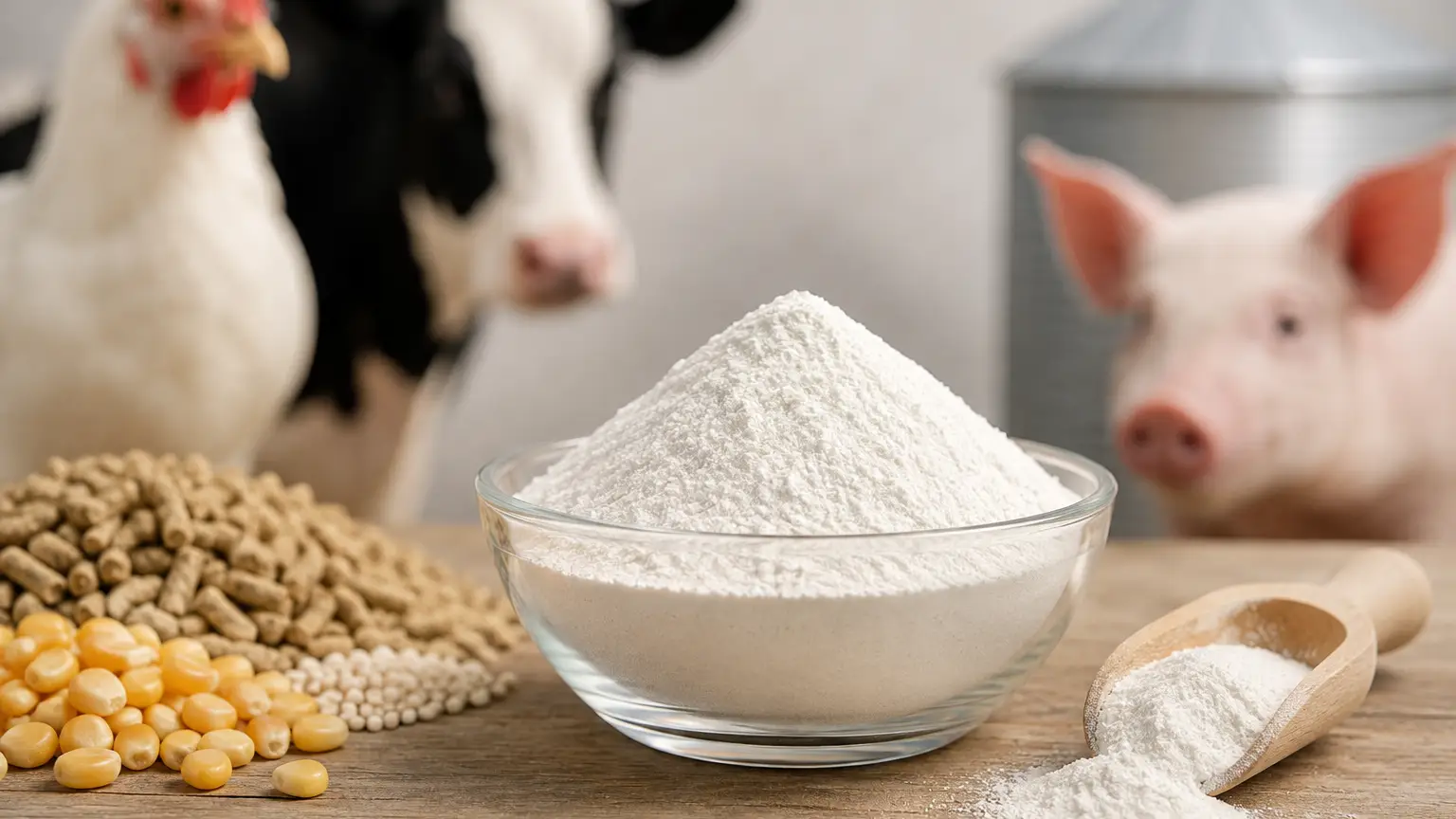
Poultry meal livestock feed remains the foundational outlet because it serves as an economical protein source in poultry, swine, and some ruminant formulations where buyers are trying to balance amino acid value and cost. As poultry consumption expands in growth regions, feed demand tends to stay supportive for rendered proteins even when buyers rotate volumes across alternative meals and animal proteins.
Aquafeed Adds a Strategic Layer of Demand
Poultry meal aquafeed demand is important because aquaculture nutrition increasingly depends on flexible protein sourcing as formulators manage fishmeal costs and performance targets. Rabobank’s Global Aquaculture Outlook 2026, as reported by The Fish Site, described a year of high production, high prices, and comparatively low costs, while industry reporting from Aquafeed highlighted Southeast Asia as a major aquaculture production hub contributing 22% of world output. (The Fish Site)
Pet Food Keeps the Market Tone Firm
Poultry meal pet food demand also matters more than many buyers assume. Petfood Industry, citing Alltech’s 2025 Agri-Food Outlook, reported that global pet food production reached 37.692 million metric tons in 2024, up 4.5% year on year, with Asia-Pacific recording double-digit gains, which helps explain why non-livestock demand can keep poultry meal values firm even when feed-sector buying alone does not look overheated. (PetfoodIndustry)
Price Trend April 2026 and Landed-Cost Risk
The defining feature of poultry meal price trend April 2026 was not a single global benchmark moving sharply upward, but a commercially active market with uneven price expression across regions. Feed Ingredients Asia described poultry meal trade trends in March and April 2026 as busy without a uniform price direction, reflecting steady rendering output on one side and variable logistics and producer-margin pressure on the other. (Feedingredients Asia)
Landed Cost Became More Important Than Origin Cost Alone
For import-dependent buyers, the bigger commercial issue was often landed cost rather than ex-works or origin pricing. Lloyd’s List coverage in late March and April 2026 showed repeated disruption around Hormuz-related traffic, war-risk repricing, vessels stuck in the Gulf, and rising uncertainty for shipowners, all of which can raise freight exposure even when the underlying protein ingredient itself is not scarce.
Logistics Strain Can Firm the Market Without a Supply Shock
That distinction is important for reading poultry meal trade outlook correctly. A buyer may see adequate poultry meal product availability from Brazil, the US, or other suppliers, yet still face a firmer delivered market because rerouting, insurance premiums, booking delays, and transit uncertainty widen the gap between nominal supplier quotes and actual replacement cost. (Feedingredients Asia)
April 2026 Price Risk Was Mostly Operational
For that reason, the market looked firm not because rendering plants lacked raw materials, but because procurement decisions were being made inside a noisier freight environment. Buyers who managed only ingredient price and ignored vessel timing, regional routing risk, or contingency freight budgets were more exposed than buyers who treated logistics as part of the total poultry meal price trend April 2026. (Feedingredients Asia)
Producers, Consumers, and Product Availability
When buyers ask about poultry meal producers and poultry meal consumers, the most useful answer is to connect production geography with end-use demand geography. Brazil’s record 2026 chicken output, higher US broiler expectations, and very large Chinese poultry production together reinforce the idea that global poultry processing remains broad-based, which helps explain why poultry meal product availability stayed workable in early 2026.
The Leading Producers Are Tied to Large Poultry Systems
Major producers are typically countries with large integrated poultry industries and established rendering infrastructure. Brazil stands out in export-oriented poultry production, the US remains a deeply industrialized broiler market, and USDA’s world market data highlights China’s scale in 2026, so buyers should think of poultry meal producers as an extension of large chicken meat systems rather than as isolated raw-material sellers.
The Main Consumers Sit Across Feed, Aqua, and Pet Food
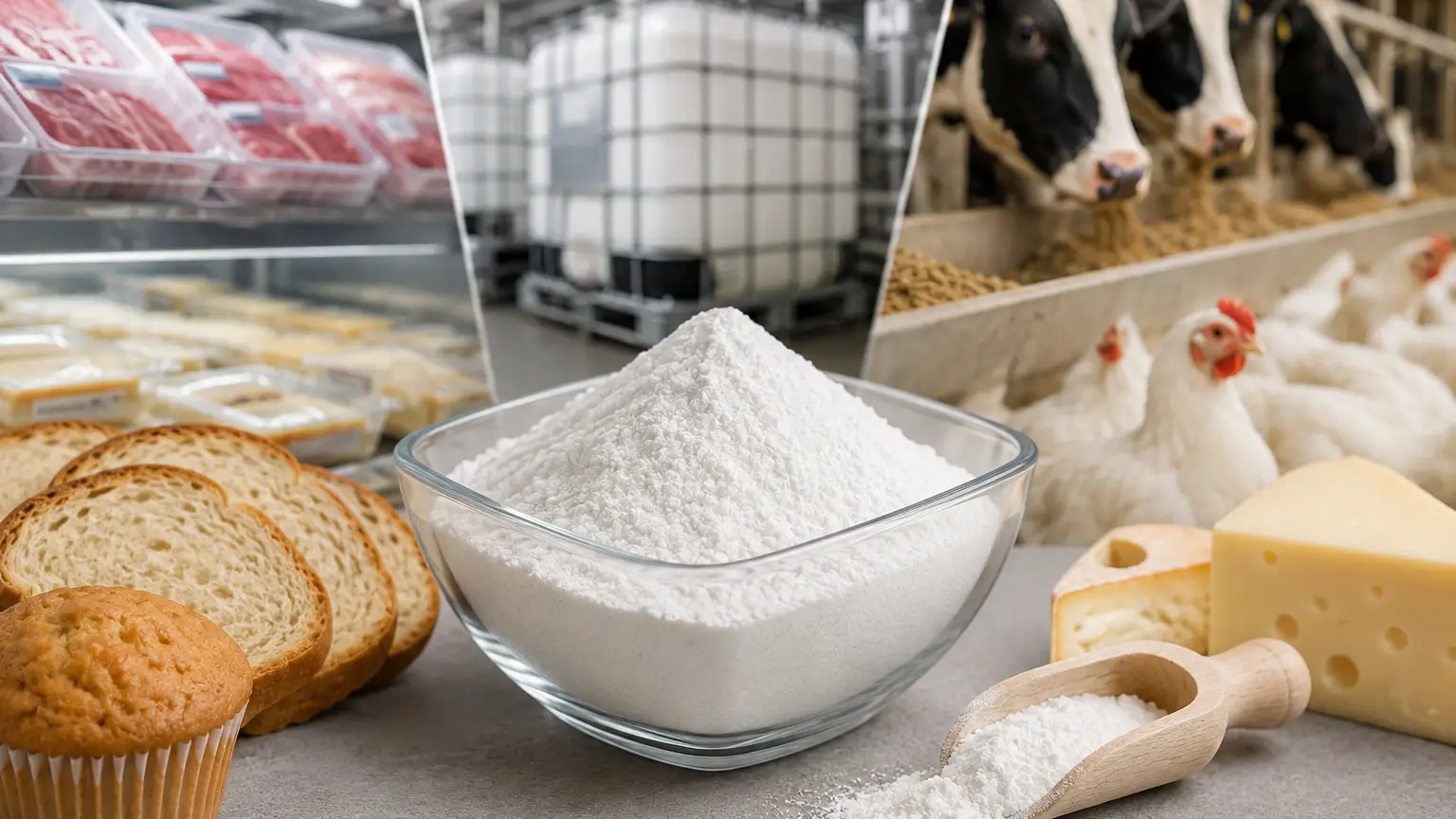
On the demand side, poultry meal consumers are spread across livestock feed mills, aquafeed manufacturers, and pet food producers, with Asia Pacific and Southern Asia remaining especially important growth zones. That is why the market can stay active even if one end-use segment softens temporarily, because feed, aquaculture, and companion animal nutrition do not always move in the same cycle.
Commercial Availability Must Be Matched With Technical Fit
A market-ready product profile still matters at the buying stage. The poultry meal sourcing page presents a commercial example with origin, packaging, appearance, and application context for livestock feed, aquaculture, and pet food, but buyers should still compare ash, crude protein, fat level, and document support before placing volume because rendering quality can vary by plant and process. (Feedingredients Asia)
Trade Outlook and Sourcing Actions for Buyers
Looking ahead through the next buying cycle, poultry meal trade outlook remains constructive but operationally sensitive. Feed Ingredients Asia’s April 2026 market commentary supports a view of adequate supply and purposeful buying, while Lloyd’s List reporting shows that shipping instability can still distort delivered economics, so the most likely near-term scenario is firm trade activity with selective freight-led volatility. (Feedingredients Asia)
Buyers Should Prepare With Better Documentation
A disciplined sourcing process now needs more than a price inquiry. Buyers should secure specification review, application fit, and document readiness early through technical document access, especially when poultry meal livestock feed, poultry meal aquafeed demand, and poultry meal pet food demand are all competing for commercially acceptable material. (Feedingredients Asia)
Supplier Coordination Matters More in a Volatile Freight Environment
Procurement teams should also shorten feedback loops with suppliers and logistics partners. Using a direct feed ingredient sourcing consultation helps buyers align origin options, freight timing, documentation, and application requirements before the market shifts from firm to difficult, which is especially valuable when freight risk is moving faster than the ingredient itself. (Feedingredients Asia)
Conclusion
In summary, poultry meal market 2026 is being supported by firm protein demand, adequate supply from active poultry systems, and a logistics environment that can still raise replacement costs without creating an outright shortage. For B2B buyers, the most practical path is to combine a clear reading of poultry meal global supply and poultry meal demand by region with active supplier communication, document review, and market monitoring through the poultry meal sourcing page, technical document access, and direct sourcing contact. (Feedingredients Asia)