Introduction: Xylitol Beyond Commodity
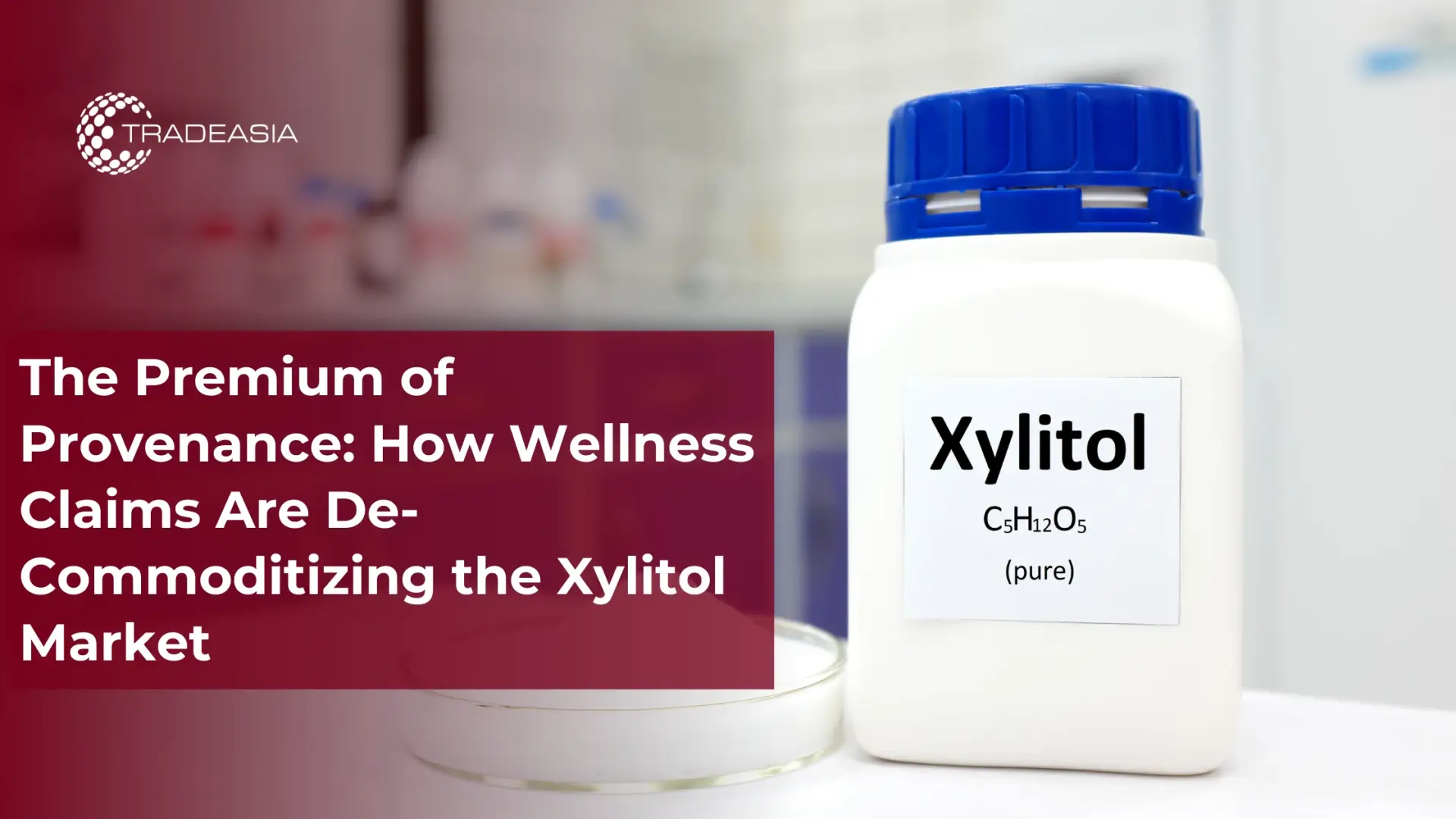
Xylitol historically was regarded as a mid-tier sugar alcohol, traded largely on feedstock cost, production efficiency, and global commodity pricing. Its use in sugar-free chewing gum, candies, and basic food products meant that price, supply reliability, and sweetness equivalence dominated commercial decisions. However, over the last decade a notable shift has emerged: xylitol is increasingly perceived not merely as a substitute for sugar, but as a functional ingredient with wellness credentials and differentiated market value. This shift has important implications for how the market is structured, how pricing is set, and how buyers — both industrial and retail — perceive the product’s value.
Rather than competing on cost alone, some segments of the xylitol market now derive premium pricing power from wellness claims and provenance narratives — attributes that elevate the product beyond fungibility. Where once bulk xylitol from commodity sources like corn husks traded solely on cost per ton, premium “identity preserved” and clinical-grade variants command 30–50% or higher pricing relative to conventional grades.
This article examines how that premiumization is unfolding, driven by consumer health impressions, supply chain integrity, and evolving product positioning across food, beverage, pharmaceutical, and wellness applications.
Traditional Xylitol Market Dynamics and Volume Drivers
Before the rise of wellness-driven premiums, the xylitol market was primarily volume-based. Market research projects estimate the global xylitol market size at approximately USD 776.1 million in 2025, with growth toward USD 1.18 billion by 2035 at a modest compound annual growth rate (CAGR) of around 4.3%.
This growth reflects xylitol’s adoption in core categories such as sugar-free confectionery, chewing gum, oral care products, beverages, and functional foods, driven in large part by rising demand for low-calorie sweeteners and sugar reduction. Consumers are more aware than ever of health risks associated with excessive sugar intake — including diabetes, obesity, and dental caries — prompting both food manufacturers and consumers to embrace alternatives.
Xylitol’s intrinsic properties — close sweetness match to sucrose but lower caloric value and a low glycemic index — have positioned it as an attractive solution in formulation strategies that prioritize taste retention without sugar’s metabolic effects. Its usage in chewing gum and oral care products is also supported by recognized dental benefits, such as reducing cavity-causing bacteria and stimulating salivation.
However, even as base market volumes expanded, much of this growth was driven by commodity dynamics: feedstock prices, production capacity expansion — particularly in Asia — and broad adoption across mid-tier products. For many years, differentiation occurred mostly through product form (powder vs crystal) or end-use (confectionery vs beverage), not through value-based positioning tied to health narratives.
Wellness Narratives and Consumer Health Perception
What has changed more recently is the narrative surrounding xylitol’s role in health and wellness, extending beyond simple sugar replacement. As consumers become more proactive about health outcomes, wellness claims — both substantiated and aspirational — increasingly inform purchasing decisions. Xylitol, by virtue of its physiological impacts, fits squarely within this trend.
Scientific and clinical interest in xylitol’s benefits has expanded. For instance, beyond sweetening, xylitol has been associated with oral health improvements, such as reducing Streptococcus mutans bacteria, which contribute to dental decay, and aiding oral pH balance. These attributes are now frequently cited on product labels and marketing materials, transforming xylitol from a functional sweetener to a proactive health ingredient in consumers’ minds.
Furthermore, preliminary research suggests additional wellness dimensions, such as potential benefits for the gut microbiome and appetite regulation, although these areas are still emerging and require further verification. Nevertheless, the mere association with microbiome health and metabolic wellness significantly enhances xylitol’s perceived value.
Wellness narratives resonate particularly strongly with cohorts such as diabetic populations, weight-conscious consumers, and oral care enthusiasts. With global diabetes prevalence anticipated to rise substantially by 2045 according to projections, the context for sugar alternatives has shifted beyond taste to encompass health risk mitigation.
Provenance as a Premium Differentiator
In parallel with functional health claims, provenance — specifically country and feedstock origin — has become a critical differentiator. Although xylitol is chemically identical regardless of source, the story of its origin influences buyer and consumer perception significantly.
For decades, most xylitol was bulk-sourced and manufactured from corn husks, particularly in regions with established agro-processing infrastructure like China and parts of North America. This industrial origin, while cost-effective, carries associations of commodity monoculture and perceived lower quality. In contrast, variants sourced from birch wood or hardwood hemicellulose, especially when linked to sustainable forestry practices and eco-certifications, are increasingly marketed as premium xylitol.
In Europe and North America, brands have successfully leveraged such provenance stories, likening “birch-derived” xylitol to the way terroir impacts wine — not because the chemical differs, but because the narrative conveys purity, sustainability, and heritage value. Some premium retail products, especially in oral care or natural confectionery segments, command price points up to nearly double those of generic bulk xylitol under these positioning strategies.
This has shifted part of the market away from mere commodity pricing toward value-based segments, where consumers are willing to pay more for ingredients with auditable, traceable origins.
Functional Claims: From Sweetener to “Active” Ingredient
As xylitol’s narrative has evolved, so has the scope of claims attached to it. Whereas earlier usage emphasized sweetness equivalence and calorie reduction, modern marketing increasingly frames xylitol as a functional or active ingredient with measurable wellness outcomes.
In oral care, for example, xylitol is presented not just to sweeten toothpaste or gum, but to actively inhibit bacterial adhesion and reduce plaque formation. In some nasal sprays and lozenges, premium-grade xylitol is marketed for sinus health or biofilm disruption, moving beyond cosmetic dental benefits into categories more closely aligned with therapeutic outcomes.
In metabolic health and functional foods, xylitol is positioned within broader narratives of glycemic control, appetite regulation, and even microbiome support — although regulatory frameworks vary by region in how explicit these claims can be. This expansion of functional claims elevates xylitol’s status, making it appear less like a simple sugar substitute and more like a health-enhancing ingredient, thereby justifying higher pricing tiers.
Supply Chain Transparency and Identity Preservation
A third vector in de-commoditizing xylitol is the rise of supply chain transparency and identity preservation (IP). In an era of clean-label demands and skepticism toward global supply systems, traceability has become a monetizable attribute.
Manufacturers now offer xylitol with identity-preserved supply chains that guarantee specific feedstock origin, non-GMO status, and absence of cross-contamination with allergens. This level of documentation — sometimes supported by blockchain tracking or third-party certification — adds operational cost, but allows brands to market these ingredients at a premium.
Products labeled “Certified Non-GMO,” “Organic Birch Xylitol,” or “Auditable Sustainable Xylitol” appeal to segments of health-conscious consumers who are willing to pay extra for assurances of purity and ethical sourcing. This shift has made provenance not just a marketing narrative, but a component of risk management for companies concerned about regulatory scrutiny and consumer trust issues.
Product Segmentation: Food vs Premium Wellness Tiers
The xylitol market today is increasingly stratified between traditional food-grade commodity supply and premium or wellness-oriented segments. Commodity xylitol continues to dominate volume usage in staples like sugar-free gummies, chewing gums, candies, and baked goods, where price sensitivity remains high and functionality is the primary criterion.
At the same time, a growing segment targets premium food & beverage, oral care, nutraceuticals, and functional formulations where wellness claims and provenance narratives justify higher price points. This bifurcation allows manufacturers to optimize product portfolios: base formulations prioritize cost efficiency, while premium offerings emphasize function, origin, and health narratives.
This segmentation mirrors broader patterns in the food ingredients market, where commoditized inputs remain essential for volume, while differentiated variants capture higher margins and deeper brand loyalty.
Regional Variations in Premium Xylitol Adoption
Adoption of premium xylitol varies significantly across regions. In North America and Western Europe, high consumer health awareness and strong regulatory frameworks for nutrition labeling accelerate demand for wellness-positioned sweeteners. Asia-Pacific, meanwhile, remains the largest volume market overall, driven by its expanding food processing sector and rising urban middle classes, but demand there still emphasizes price and basic health benefits over premium provenance narratives.
In emerging markets, where per capita income is rising, premium segments are beginning to take shape, particularly in oral care and functional food categories. However, price elasticity remains higher, meaning that premium positioning works best when tied to clear functional claims and local health priorities rather than provenance alone.
Pricing Structures and Brand Positioning
Premiumization has clear pricing implications. Generic xylitol grades — typically derived from corn husks — trade based on feedstock cost, production efficiency, and competitive supply, with relatively thin margins. In contrast, premium grades marketed for their wellness benefits or provenance can command 30–50% higher prices due to branding, certification costs, and traceability investments.
Brand positioning in this space increasingly mirrors strategies seen in other premium food ingredients: storytelling, certified labeling, and scientific backing. For example, oral care brands that emphasize xylitol’s anticariogenic benefits often pay a premium for pharmaceutical-grade or identity-preserved supplies to enhance their credibility. In functional beverages or keto snacks, xylitol is positioned as part of a broader wellness formulation, making consumers more willing to accept higher price points.
Conclusion
The xylitol market is in the midst of a significant structural shift. What was once a largely commoditized ingredient traded on cost and functionality is now being reframed through the lens of wellness and provenance. Rising health awareness, expanding functional claims, and advanced supply chain transparency have enabled segments of the market to break away from pure commodity pricing and capture premium value through differentiation.
As consumer demand continues to favor natural, health-oriented, and traceable ingredients, xylitol’s role is increasingly defined not just by what it does in formulations, but by where it comes from, how it is sourced, and how its benefits are communicated. These dynamics are reshaping market segmentation, pricing, and strategic positioning across global value chains.
For businesses seeking deeper insight into xylitol market dynamics, sourcing options, and strategic formulation guidance, visit foodadditivesasia.com or contact food@chemtradeasia.com for tailored market intelligence and supply support.