
Introduction Borax Decahydrate
The global market for industrial chemicals is a complex and dynamic ecosystem, where pricing serves as a critical barometer of supply, demand, and geopolitical stability. Among these essential commodities, Borax Decahydrate (Na2B4O7·10H2O), also known as sodium tetraborate decahydrate, holds a unique position. As a versatile boron compound, it is a fundamental raw material across a diverse range of industries, from glass and ceramics to agriculture and detergents. For procurement managers, business strategists, and industry analysts, understanding the multifaceted drivers behind its pricing indices is not merely an academic exercise but a vital component of cost management and supply chain resilience.
This article delves deep into the global pricing landscape for Borax Decahydrate. We will move beyond simple price tracking to explore the intricate web of factors that influence its cost, from raw material extraction and geopolitical tensions to regional demand fluctuations and logistical challenges. By examining these elements, stakeholders can gain valuable market insight, enabling more informed decision-making. Furthermore, we will highlight the importance of reliable pricing indices and platforms like Chemtradeasia that provide transparency in an often-opaque market, offering a crucial edge in a competitive global environment.
Understanding Borax Decahydrate: Product Specifications and Key Applications
Borax Decahydrate is a naturally occurring mineral salt refined from borate ores. Its chemical formula, Na2B4O7·10H2O, indicates the presence of ten water molecules, which distinguishes it from other borate forms like anhydrous borax or pentahydrate. This hydrated form typically appears as white, odorless crystals or a crystalline powder. Key specifications that influence its grade and, consequently, its price include boron oxide (B2O3) content (usually around 36.5%), purity levels, crystal size, and the presence of impurities such as sulfate or chloride. Industrial buyers must match these specifications precisely to their application needs, as even minor deviations can impact process efficiency and final product quality.
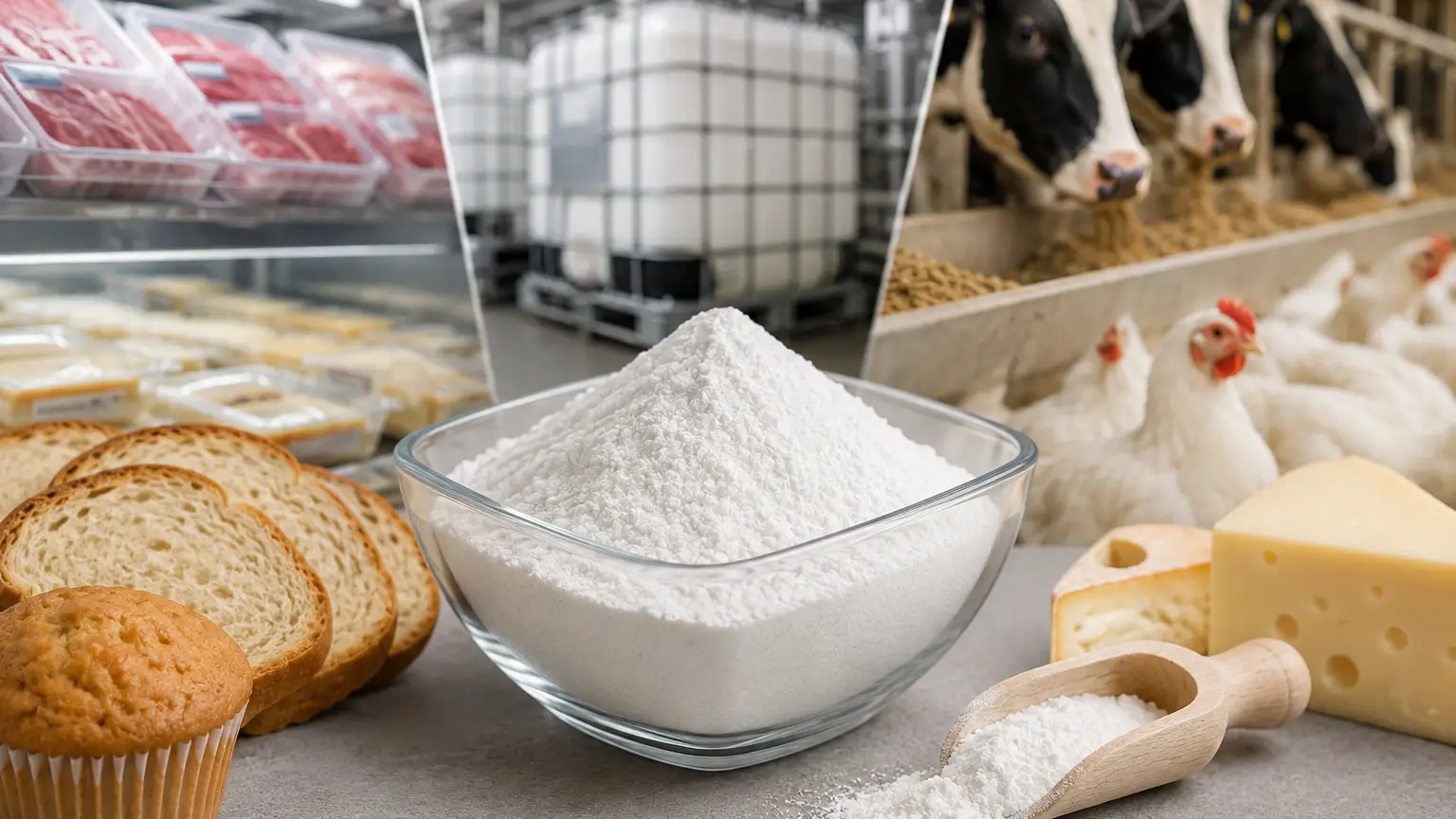
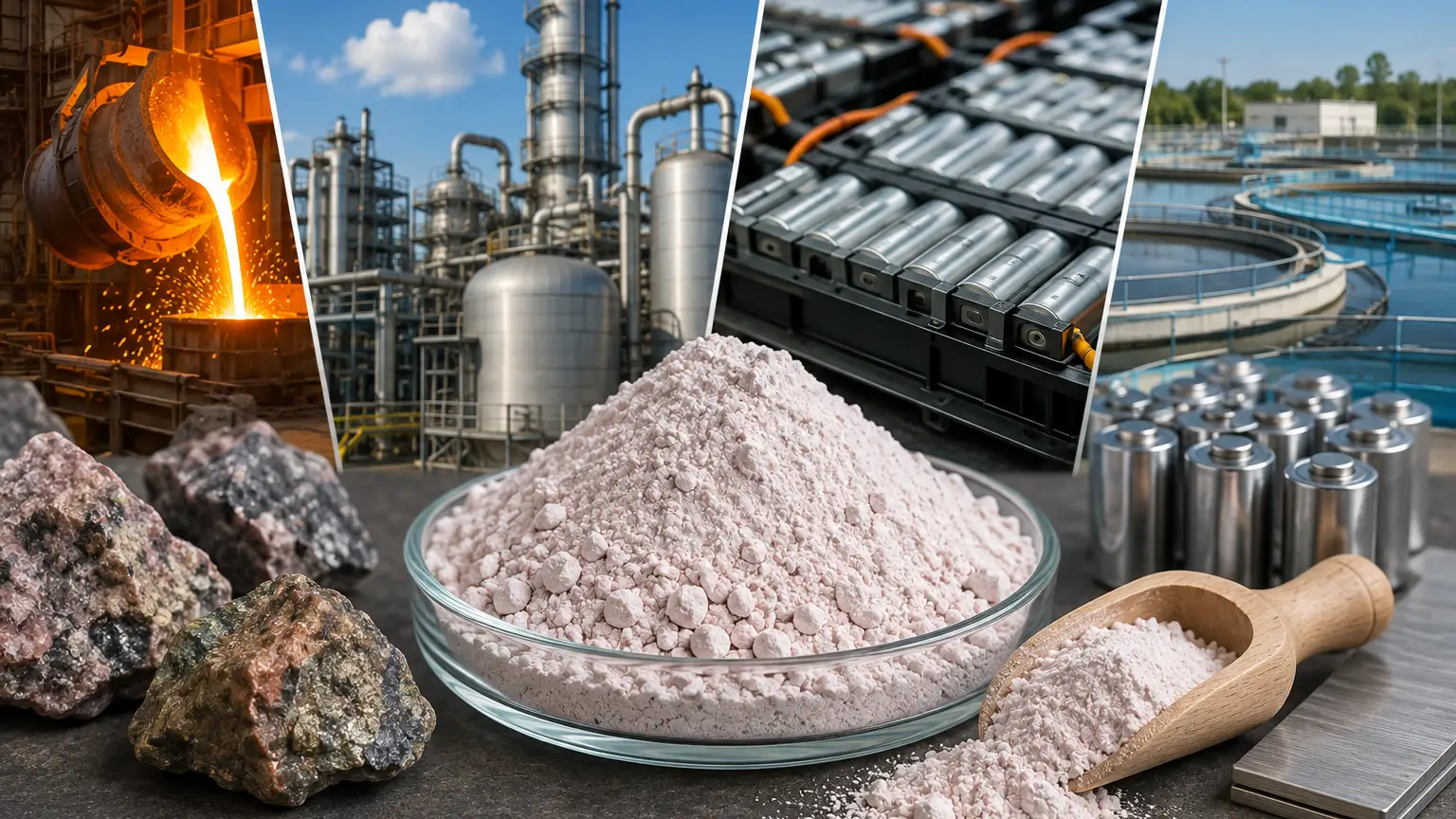
The demand for Borax Decahydrate is underpinned by its wide-ranging applications. In the glass and ceramics industry, it is indispensable as a flux, lowering the melting temperature and improving the thermal durability and gloss of products like fiberglass, borosilicate glass, and ceramic glazes. The agriculture sector utilizes it as a source of the micronutrient boron, which is critical for plant cell wall formation and development. Furthermore, it serves as a builder in laundry and cleaning products, enhancing surfactant effectiveness and water softening. Other significant uses include metallurgy (as a flux and slag conditioner), wood preservation, and as a precursor for other boron chemicals. This diverse application portfolio means that pricing is sensitive to trends in multiple, sometimes unrelated, industrial sectors.
The versatility of Borax Decahydrate creates a complex demand profile. A surge in construction activity boosts demand for fiberglass insulation, pulling prices upward. Simultaneously, a strong agricultural season in a major economy can increase demand for boron-based fertilizers, applying additional pressure on supply. This interconnectedness means that market analysts must monitor a broad spectrum of end-use industries to accurately forecast price movements for this critical chemical.
Primary Drivers of Global Borax Decahydrate Pricing
The cost of Borax Decahydrate on the global stage is not determined by a single factor but by a confluence of interrelated drivers. At the most fundamental level is the cost of raw borate ore extraction and processing. Major mining operations, such as those of Rio Tinto in the United States (Boron, California) and Turkey (Eti Maden), dominate global supply. Any operational disruptions—due to labor strikes, environmental regulations, or technical failures, can immediately constrict supply and trigger price volatility. Furthermore, the energy-intensive nature of refining borate ores into decahydrate means that global energy prices directly impact production costs, making the chemical's price sensitive to fluctuations in natural gas and coal markets.
Geopolitical factors exert a profound influence. Turkey, possessing the world's largest boron reserves, plays a pivotal role in global supply and pricing strategy. Changes in Turkish export policies, tariffs, or domestic industrial priorities can send shockwaves through the market. Similarly, trade policies between major economies, such as tariffs on Chinese goods or sanctions affecting specific regions, can alter trade flows and create regional price disparities. Logistics form another critical cost layer. Fluctuations in freight rates, container availability, and fuel surcharges, especially for long-haul shipments from producers in the Americas to consumers in Asia, are directly baked into the final landed cost for buyers.
On the demand side, macroeconomic health is a key barometer. Industrial production indices, construction spending, and agricultural output forecasts serve as reliable leading indicators for Borax Decahydrate demand. A slowdown in manufacturing or a downturn in the housing market can lead to inventory build-up and price softening. Conversely, rapid industrialization in emerging economies or global initiatives promoting energy-efficient building materials (which use more fiberglass) can create sustained demand growth, supporting higher price levels over the long term.
Regional Market Analysis and Price Variations
A granular look at the global market reveals significant regional price variations for Borax Decahydrate, shaped by local supply-demand dynamics, trade policies, and currency exchange rates. The Asia-Pacific region, led by China and India, represents the largest and fastest-growing consumption market. Prices here are highly competitive but also volatile, reacting swiftly to changes in domestic manufacturing output and import volumes from Turkey and the United States. China's domestic production, while substantial, often requires supplementation with imports, making its market price a blend of local and international costs.
In North America, the market is more stable, largely supplied by domestic production from California. Prices are influenced by long-term contracts with major consumers in the glass and detergent industries, though spot market prices can fluctuate with export demand, particularly from Asia. The European market is heavily reliant on imports from Turkey and, to a lesser extent, the US. Consequently, European prices are highly sensitive to Mediterranean freight costs, EU regulatory changes concerning chemical substances (like REACH), and the Euro-TRY (Turkish Lira) exchange rate. Recent data indicates that CFR (Cost and Freight) prices in Southeast Asia can often be 10-15% higher than FOB (Free On Board) prices in the US Gulf, highlighting the substantial impact of logistics on final cost.
Regional environmental and safety regulations also play a cost-setting role. Stricter regulations on mining, wastewater discharge from processing plants, or workplace exposure limits can increase production compliance costs, which are ultimately passed through the supply chain. A buyer in a region with stringent regulations may face a premium for material that meets specific purity or packaging standards compared to a buyer in a less regulated market.
The Role of Pricing Indices in Market Transparency
In a market characterized by complexity and opacity, reliable pricing indices are indispensable tools for achieving transparency and fairness. These indices aggregate data from a wide range of sources—including confirmed trades, supplier offers, and buyer bids, to establish benchmark prices for specific grades of Borax Decahydrate in key geographic markets (e.g., FOB US West Coast, CFR India). They provide an objective, third-party reference point that helps buyers and sellers negotiate contracts, manage procurement budgets, and hedge against price risk.
For instance, a procurement manager can use a published index to assess whether a supplier's quote is aligned with current market conditions. Similarly, a producer can reference the index to justify price adjustments to long-term customers based on verifiable market movements. Platforms dedicated to chemical market intelligence, such as Chemtradeasia, enhance this transparency by not only reporting indices but also providing contextual analysis, news on supply disruptions, and demand-side trends. This holistic view transforms raw price data into actionable market insight.
Beyond transaction support, these indices are critical for financial planning and strategy. Companies can use historical index data to analyze seasonal trends, forecast future price ranges, and make informed decisions about inventory levels, whether to stockpile in anticipation of a price rise or to adopt a just-in-time approach during a predicted downturn. In essence, a robust pricing index demystifies the market, reducing information asymmetry and enabling all participants to make more efficient and confident decisions.
Future Outlook and Strategic Considerations for Buyers
The future trajectory of Borax Decahydrate pricing will be shaped by several long-term trends. The global push towards renewable energy and electric vehicles is expected to sustain demand for fiberglass in wind turbine blades and lightweight composites, providing a solid demand floor. Conversely, environmental pressures may lead to substitution in some detergent formulations, though this is likely to be a gradual process. On the supply side, the geographic concentration of boron reserves means that geopolitical developments in Turkey and the South American lithium-borate triangle will remain paramount price influencers.
For strategic buyers, navigating this landscape requires a proactive and informed approach. Relying solely on spot purchases exposes a business to short-term volatility. A more resilient strategy involves a mix of long-term contracts with key suppliers to ensure baseline supply at predictable costs, complemented by spot market purchases to fill gaps or capitalize on low prices. Developing relationships with multiple reputable suppliers, including those in different geographic regions, can mitigate risk from supply chain disruptions in any single area.
Leveraging technology and data is no longer optional. Utilizing market intelligence platforms that offer real-time price tracking, predictive analytics, and supply chain news is crucial. Buyers should also stay abreast of technological advancements in borate mining and processing, as improvements in efficiency or the development of new extraction sites could alter the global cost structure. Ultimately, the most successful buyers will be those who treat Borax Decahydrate procurement as a strategic function, integrating market insight, risk management, and supplier relationship management into a cohesive plan.
Conclusion
Understanding the global pricing indices for Borax Decahydrate is a multifaceted endeavor that extends far beyond watching numbers on a chart. It requires a deep comprehension of the product's essential role in modern industry, the complex interplay of geopolitical, logistical, and economic drivers, and the regional nuances that define local markets. As we have explored, from its specifications in glass manufacturing to its vulnerability to freight cost spikes, each factor weaves into the final price paid by end-users.
In this complex environment, access to accurate, timely, and analyzed market data becomes a significant competitive advantage. By utilizing reliable pricing benchmarks and comprehensive market insights, businesses can transition from being reactive price-takers to proactive, strategic decision-makers. This empowers them to optimize procurement costs, secure supply chains, and navigate the inevitable market fluctuations with greater confidence and foresight. For the latest global pricing insights, secure supply solutions, and tailored procurement strategies for Borax Decahydrate, contact our team today.
Disclaimer: The information presented in this article is for informational and market insight purposes only. It is not intended as technical, safety, or professional advice of any kind. Prices, market conditions, and regulatory frameworks are subject to change. Readers are strongly advised to verify all information independently with qualified experts, consult official documentation such as Material Safety Data Sheets (MSDS/SDS) for safety and handling protocols, and contact our team or relevant suppliers for specific application requirements and current pricing before making any procurement or operational decisions.