Introduction
The global market for Gum Rosin, a critical pine-derived chemical, is undergoing significant transformation in the second quarter of the fiscal year. As industries ranging from adhesives and printing inks to synthetic rubber and paper sizing continue to rely on this versatile natural resin, the complexities of sourcing and exporting it have intensified. Q2 presents a unique set of regulatory challenges that demand meticulous attention from traders, manufacturers, and logistics providers alike. These challenges are not merely bureaucratic hurdles; they directly impact supply chain stability, cost structures, and market access.
Understanding the shifting landscape of international trade laws, environmental mandates, and quality standards is now a prerequisite for success. For businesses utilizing platforms like chemtradeasia.com, chemtradeasia.in, chemtradeasia.co.id, chemtradeasia.ae, and chemtradeasia.sg, staying ahead of these regulatory curves is essential for maintaining a competitive edge. This article delves into the specific regulatory obstacles encountered in Q2, offering a comprehensive guide to navigating the intricate web of compliance in the Gum Rosin trade.
Key Regulatory Frameworks Impacting Gum Rosin Trade
The trade of Gum Rosin is governed by a complex matrix of international and national regulations. In Q2, several key frameworks are causing notable friction. The European Union's REACH (Registration, Evaluation, Authorisation and Restriction of Chemicals) regulation continues to tighten, requiring importers to provide exhaustive data on the chemical composition and potential hazards of Gum Rosin shipments. Similarly, the US Environmental Protection Agency (EPA) under the Toxic Substances Control Act (TSCA) mandates strict reporting for new uses of existing chemicals, which can inadvertently affect Gum Rosin derivatives. Non-compliance with these frameworks can lead to shipment rejections, financial penalties, and blacklisting from major markets.
Furthermore, the push for deforestation-free supply chains, particularly under the European Union Deforestation Regulation (EUDR), is creating new due diligence requirements for Gum Rosin sourced from natural pine forests. Traders must now prove that their raw materials were not harvested from land deforested after December 2020. This adds a layer of complexity to sourcing strategies in Q2, as suppliers must provide verifiable geolocation data and chain-of-custody documentation. The interplay between chemical safety laws and environmental sustainability mandates is reshaping the operational playbook for global traders.
Product Focus: Applications and Specifications of Gum Rosin
Gum Rosin is a natural resin obtained from the oleoresin of living pine trees, primarily species like Pinus elliottii and Pinus massoniana. Its primary chemical constituents are resin acids, such as abietic and pimaric acids, which give it excellent emulsifying, adhesive, and film-forming properties. In terms of specifications, premium grades of Gum Rosin are classified by color (ranging from X to WW to WG on the US Rosin scale) and softening point (typically between 72°C and 78°C). Acid value (usually above 160 mg KOH/g) and saponification value are critical quality parameters that dictate its suitability for various industrial applications.
The versatility of Gum Rosin makes it indispensable across multiple sectors. In the adhesive industry, it is used as a tackifier to enhance the stickiness of hot-melt and pressure-sensitive adhesives. For the printing ink sector, it serves as a binder that improves gloss and adhesion. In the production of synthetic rubber, Gum Rosin acts as an emulsifier in the polymerization process. The paper industry utilizes it for internal sizing to control water absorption. Given this wide application base, any regulatory disruption in Q2 that affects the supply of specific grades—such as X-grade rosin for high-end inks—can have cascading effects on downstream manufacturing schedules and product quality.
Sourcing Challenges: Sustainability and Traceability in Q2
One of the most pressing challenges in Q2 is ensuring the sustainability and traceability of Gum Rosin feedstock. As environmental, Social, and Governance (ESG) criteria become embedded in corporate procurement policies, buyers are demanding proof of responsible forestry practices. This is particularly challenging in major producing regions like China, Indonesia, and Brazil, where smallholder farmers often dominate the tapping process. Verifying that the oleoresin is sourced from well-managed forests and not from illegal logging operations requires robust auditing frameworks that are still maturing in many areas.
For traders operating through chemtradeasia.co.id and chemtradeasia.sg, Q2 has seen a surge in requests for Forest Stewardship Council (FSC) certification or equivalent proof of legal harvest. The cost of compliance is rising, as it involves investment in GPS tracking, digital record-keeping, and third-party certification audits. Moreover, the seasonality of gum tapping—which peaks in the warmer months—means that any regulatory delay in approving a supplier's sustainability credentials in Q2 can directly impact the availability of fresh Gum Rosin for the rest of the year. Proactive engagement with suppliers and early documentation is no longer optional; it is a strategic necessity.
Export Compliance: Documentation and Customs Hurdles
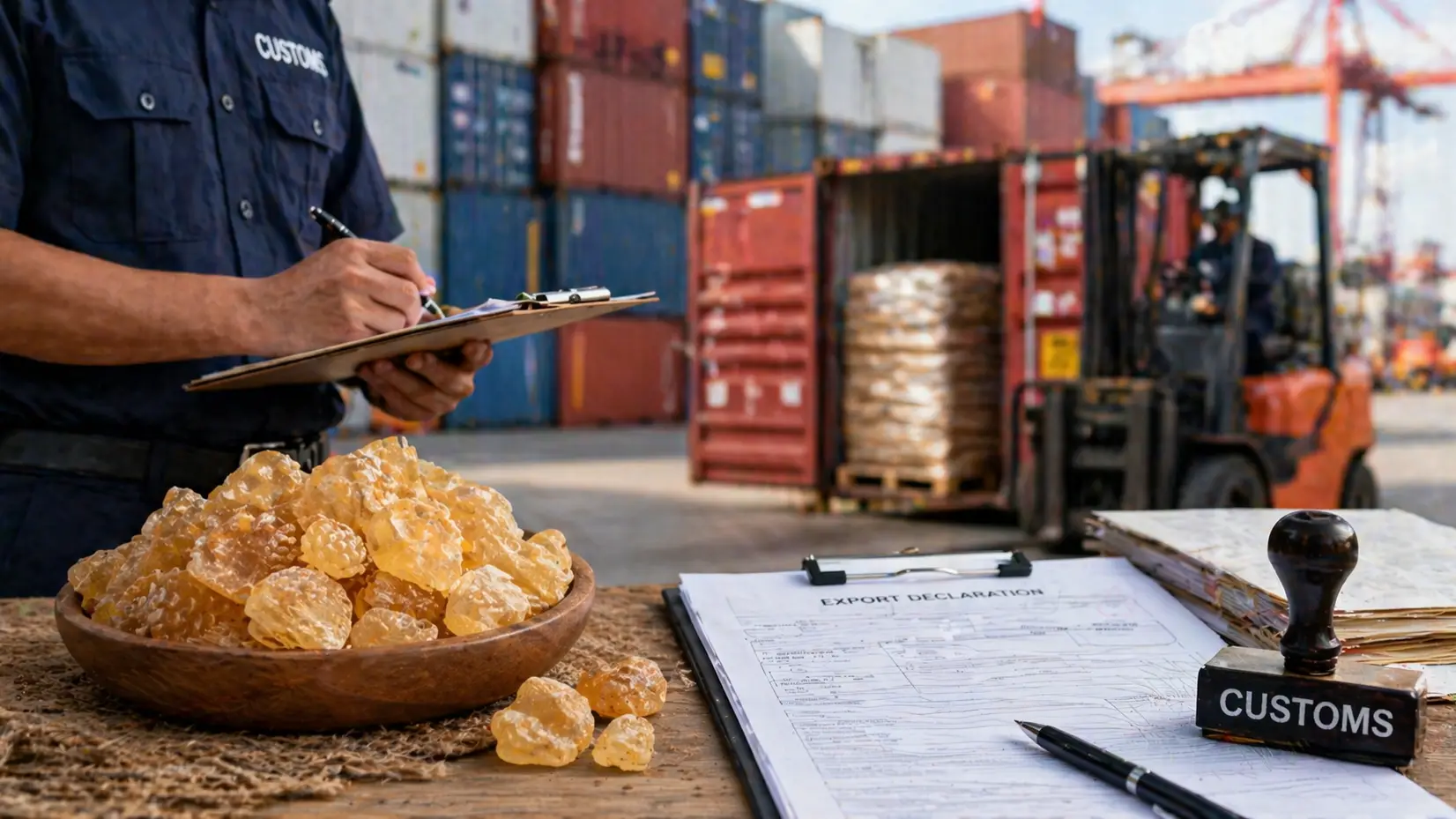
Exporting Gum Rosin in Q2 requires navigating a minefield of documentation and customs requirements. The Harmonized System (HS) code for Gum Rosin (typically 3806.10) is subject to varying tariff rates and non-tariff barriers across different jurisdictions. For instance, shipments to the European Union may require a REACH registration number for the specific rosin grade, while exports to India must comply with the Bureau of Indian Standards (BIS) specifications. Inaccurate classification or missing Safety Data Sheets (SDS) can lead to cargo being held at ports, incurring demurrage charges and missing delivery windows.
The role of digital platforms like chemtradeasia.in and chemtradeasia.ae has become crucial in streamlining this process. These platforms facilitate the exchange of standardized documentation, such as Certificates of Analysis (CoA) and Phytosanitary Certificates, which are often required to prove that the Gum Rosin is free from pests and contaminants. Additionally, the implementation of the Advanced Ruling system in various countries allows traders to pre-determine tariff classifications and duty rates, reducing uncertainty. However, the human element remains critical: customs officers in some ports may lack specific training on Gum Rosin classification, leading to discretionary delays that require experienced logistics partners to resolve.
Regional Spotlight: Navigating Regulations with chemtradeasia Platforms
The network of chemtradeasia.com, chemtradeasia.in, chemtradeasia.co.id, chemtradeasia.ae, and chemtradeasia.sg offers a unique vantage point for managing Q2 regulatory challenges. Each regional platform is tailored to address the specific legal and commercial nuances of its market. For example, chemtradeasia.co.id is instrumental in sourcing high-quality Indonesian Gum Rosin, providing local expertise on the country's Timber Legality Assurance System (SVLK), which is mandatory for export. Similarly, chemtradeasia.ae serves as a critical hub for re-exporting Gum Rosin to African and Middle Eastern markets, where customs documentation requirements are often unique.
These platforms also facilitate compliance by offering integrated logistics solutions that include pre-shipment inspection and document verification. By leveraging the collective intelligence of the chemtradeasia network, traders can compare regulatory updates across regions in real-time. For instance, a change in the Indian import policy for Gum Rosin under the Foreign Trade Policy (FTP) can be quickly disseminated through chemtradeasia.in, allowing buyers and sellers to adjust their contracts and shipping schedules accordingly. This regionalized, yet interconnected approach is vital for mitigating the risks associated with Q2's volatile regulatory environment.
Conclusion
The second quarter presents a formidable array of regulatory challenges for those involved in the sourcing and export of Gum Rosin. From stringent environmental traceability mandates and complex chemical safety laws to the practical hurdles of customs documentation, the path to market is fraught with potential pitfalls. Success in this environment hinges on a proactive, informed, and technologically-enabled approach to compliance. By understanding the specific requirements of key regions and leveraging the expertise of specialized trading platforms, businesses can turn these regulatory obstacles into opportunities for differentiation and supply chain resilience.
Disclaimer: This article is provided for informational and market insight purposes only and does not constitute technical, safety, or professional advice. The regulatory landscape for Gum Rosin and other pine chemicals is subject to rapid change and varies by jurisdiction. Readers are strongly advised to independently verify all information with qualified legal and regulatory experts, consult official documentation such as Material Safety Data Sheets (MSDS/SDS), or contact our team at chemtradeasia.com for specific application guidance. We assume no liability for any actions taken based on the content of this article.
Leave a Comment