Sodium Lauryl Ether Sulphate universally abbreviated as SLES is the surfactant that makes most household cleaning products work. It lowers the surface tension of water, generates the foam that consumers associate with cleaning efficacy, and removes oil-based soils from surfaces, fabrics, and equipment with an efficiency that cheaper alternatives cannot reliably match at comparable cost. Across Southeast Asia, where household cleaning product consumption is expanding rapidly alongside urbanization and rising middle-class incomes, SLES is among the most actively procured surfactant raw materials in the detergent and cleaning formulation industry. For B2B buyers in the region, understanding how SLES functions, which grades serve which applications, and how to navigate the regional supply landscape are the foundational elements of effective procurement.
What Is SLES (Sodium Lauryl Ether Sulphate)?
SLES is an anionic surfactant produced through a two-step chemical process: the ethoxylation of lauryl alcohol (derived from palm kernel oil or coconut oil fatty acids) with ethylene oxide, followed by sulfation with sulfur trioxide or chlorosulfuric acid and neutralization with sodium hydroxide. The ethoxylation step which introduces ethylene oxide units between the lauryl alcohol and the sulfate group is the critical differentiation between SLES and its predecessor SLS (Sodium Lauryl Sulphate). The presence of ethylene oxide units reduces skin irritation potential significantly, making SLES the dominant choice in formulations where skin contact is expected, while retaining the strong foaming and detergency performance that makes sulfate-based surfactants commercially essential.
SLES appears as a thick, viscous liquid or paste ranging from colorless to pale yellow, with an active matter content that varies by grade. The three principal commercial grades are SLES 70% (active matter approximately 70%), SLES 28% (active matter approximately 28%), and SLES 50%, each suited to different formulation contexts and logistics configurations. The 70% grade is the preferred procurement format for manufacturers with dilution capability, offering lower freight cost per unit of active matter. The 28% grade is ready-to-use in formulations and preferred by smaller manufacturers or those without on-site dilution infrastructure.
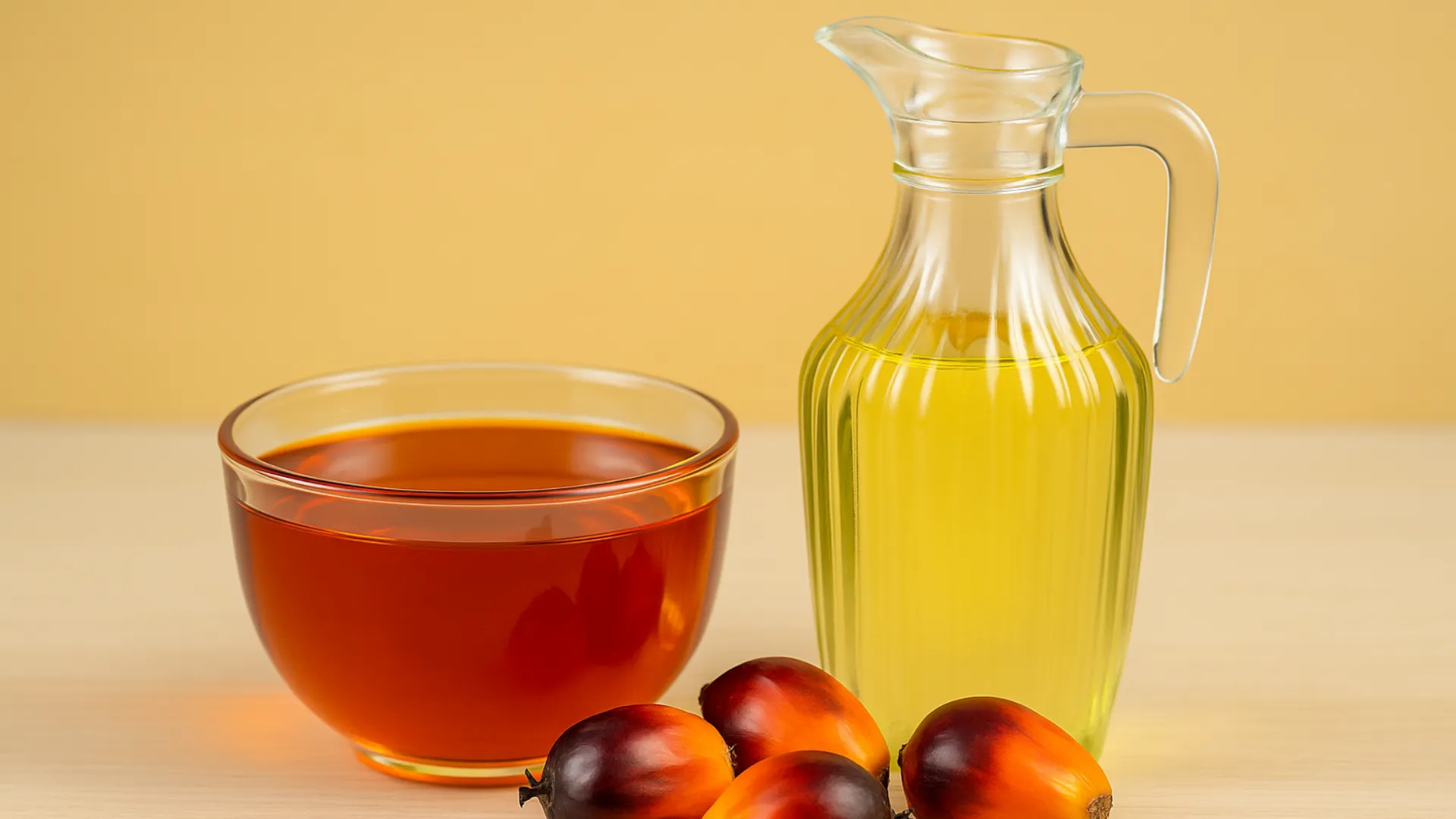
The feedstock basis of SLES is highly relevant to Southeast Asian procurement. Palm kernel oil and coconut oil both regionally abundant in Indonesia, Malaysia, and the Philippines are the dominant sources of the lauryl alcohol used in SLES production. This geographic alignment between feedstock supply and SLES production has made Indonesia and Malaysia significant SLES manufacturing hubs, with production capacity that serves both domestic consumption and regional export demand across Southeast Asia and beyond.
How SLES Functions in Cleaning Formulations
SLES operates through micelle formation when SLES molecules are dispersed in water above a critical concentration, they self-assemble into spherical structures with their hydrophobic (oil-loving) tails pointing inward and their hydrophilic (water-loving) sulfate heads facing outward. These micelles encapsulate oil, grease, and fat particles, suspending them in water so they can be rinsed away. This mechanism is the basis of SLES's function as a detergent, emulsifier, wetting agent, and foaming agent across cleaning applications.
In household and industrial cleaning formulations, SLES rarely functions alone. It is typically blended with co-surfactants most commonly LABSA (Linear Alkylbenzene Sulphonic Acid) for heavy-duty detergency, or amphoteric surfactants like Cocamidopropyl Betaine (CAPB) for mildness and combined with builders, thickeners, preservatives, and fragrances to produce finished cleaning products. Understanding SLES as a formulation input rather than a standalone product is important for buyers, because the grade, concentration, and purity of SLES procured directly affects the stability, viscosity, color, and performance of the finished formulation.
Major Household Cleaning Applications in Southeast Asia
Dishwashing Liquid
Dishwashing liquid is the single largest volume application for SLES in household cleaning across Southeast Asia. The region's food culture, characterized by oil-heavy cooking across Indonesian, Thai, Vietnamese, and Filipino cuisines requires high-performance grease-cutting dishwash formulations that deliver consistent foam and cleaning power. SLES is the primary active surfactent in dishwashing liquid formulations, typically used at 8–15% active matter in the finished product, where it delivers the initial foam volume and grease-emulsification performance that drives consumer repurchase.
Dishwashing liquid manufacturers in Indonesia, Thailand, Vietnam, and the Philippines consume SLES in large volumes, with procurement handled either directly from producers or through regional chemical distributors. The competitive retail price point of dishwashing liquids in Southeast Asian markets creates strong pressure on raw material cost, making SLES 70% the standard procurement grade for manufacturers with dilution capability its higher active matter concentration reduces effective landed cost per unit of surfactant compared to the 28% diluted grade.
Laundry Detergent and Fabric Wash
Liquid laundry detergents incorporate SLES as a primary or co-surfactant alongside LABSA, which provides the core anionic detergency needed for fabric cleaning. SLES contributes foam, emulsification of oily soils, and formulation stability. As Southeast Asian consumers increasingly shift from powder laundry detergents to liquid formats, a transition accelerating across urban markets in Indonesia, Vietnam, Thailand, and the Philippines driven by premium product positioning and the growth of front-loading washing machines. SLES consumption in laundry applications is growing consistently.
The liquid laundry detergent segment is commercially significant because it encompasses both mass-market products competing on price and premium brands competing on formulation performance and ingredient positioning. Manufacturers serving the mass-market segment prioritize SLES cost efficiency; those serving premium channels increasingly specify SLES from certified sustainable palm-based sources, with documentation supporting eco-label or green chemistry claims that resonate with urban middle-class consumers across the region.
Floor Cleaners and Multipurpose Surface Cleaners
Floor cleaners and multipurpose surface cleaning products represent a structurally important volume segment for SLES across Southeast Asia, driven by the region's tropical climate — high humidity and temperature create conditions where surface soiling occurs rapidly, sustaining high-frequency cleaning habits in households, commercial spaces, and institutional settings. SLES functions in these formulations as a wetting agent and emulsifier, enabling the cleaning solution to spread across floor surfaces, penetrate soil deposits, and lift them efficiently during mopping.
SLES concentrations in floor cleaner formulations are typically lower than in dishwashing liquids commonly 3–8% active matter often combined with fragrance components and antimicrobial actives. The rapid growth of modern retail, convenience stores, and minimarts across Southeast Asia has created expanding shelf space for branded floor cleaning products, directly increasing demand for SLES among the consumer goods manufacturers supplying these channels.
Toilet Bowl Cleaners and Bathroom Cleaners
Toilet bowl and bathroom cleaning products use SLES primarily for its wetting and soil-lifting properties in combination with acidic active ingredients, typically hydrochloric acid or citric acid that address mineral scale and organic deposits specific to bathroom surfaces. SLES functions as a compatibility agent and foam stabilizer in these acidic environments, where it must maintain performance and physical stability at pH levels well below the neutral range suited to most surfactant applications.
This application category requires procurement-grade SLES with consistent purity and low impurity profiles, as interactions between impurities in the surfactant and the acidic cleaning matrix can destabilize formulations or produce off-color or malodorous finished products. Buyers formulating bathroom cleaners should specify SLES with tightly controlled color (APHA maximum 50 or lower), low NaCl content, and stable active matter within ±1% of specification.
Industrial and Institutional Cleaning Applications
Commercial Dishwashing and Food Service Cleaning
The food service sector encompassing restaurants, hotel kitchens, catering operations, and institutional food service facilities across Southeast Asia's rapidly expanding hospitality industry is a significant industrial buyer of SLES-based cleaning formulations. Commercial dishwashing detergents and kitchen degreasing products use SLES in combination with LABSA and alkaline builders to deliver the heavy-duty grease removal required in high-volume food preparation environments.
Southeast Asia's hospitality sector expansion driven by tourism growth in Thailand, Bali, Vietnam, and the Philippines has consistently increased demand for institutional cleaning chemicals from the food service segment, making it one of the faster-growing industrial end-use categories for SLES in the region. Institutional cleaning product manufacturers serving hotel chains and catering companies typically procure SLES at commercial grade (70% active) in IBC containers or drums, with supply relationships managed through chemical distributors with regional warehousing.
Industrial and Metal Cleaning Degreasers
In industrial manufacturing settings including metal fabrication, automotive component production, electronics assembly, and machinery maintenance. SLES is incorporated in aqueous degreasing formulations where it functions as a wetting agent and emulsifier that aids the removal of machining oils, cutting fluids, and industrial lubricants from metal surfaces before painting, coating, or further processing.
Indonesia and Thailand are the most commercially significant markets for industrial cleaning chemicals in Southeast Asia, reflecting their status as the region's two largest manufacturing economies. Thailand's automotive manufacturing cluster and Indonesia's industrial manufacturing expansion both generate consistent demand for SLES-containing industrial cleaning formulations from manufacturers and MRO (maintenance, repair, and operations) chemical suppliers.
Textile Scouring and Processing
In textile manufacturing — where Vietnam, Indonesia, and Cambodia operate significant garment export industries — SLES is used as a scouring and wetting agent in fabric preparation processes. Scouring removes sizing agents, natural waxes, and processing oils from greige fabric before dyeing or finishing. SLES's ability to function effectively at lower concentrations and its compatibility with the temperature and pH conditions of textile scouring baths make it a standard ingredient in textile auxiliary formulations across the region.
Vietnam's textile and garment export industry, which consistently generates among the highest export revenues in the country, represents a stable and substantial demand base for SLES in this industrial application. Textile chemical buyers in Vietnam source SLES through both direct procurement from producers and regional distributors, with grade specifications typically matching industrial-grade SLES 70% with defined active matter, color, and pH parameters.
Who Buys SLES for Cleaning Applications in Southeast Asia
Household and Personal Care Manufacturers
The largest volume buyer segment for SLES in cleaning applications across Southeast Asia is the household and personal care product manufacturing sector companies producing dishwashing liquid, laundry detergent, floor cleaners, and multipurpose surface cleaners under their own brands or as contract manufacturers for FMCG companies. In Indonesia, Thailand, and the Philippines, this segment includes subsidiaries of multinational FMCG groups as well as a large number of domestic mid-scale manufacturers supplying regional retail chains, wet markets, and modern trade channels.
These buyers typically procure SLES on monthly supply contracts or spot purchase orders through chemical distributors, with procurement decisions driven primarily by active matter cost per kilogram, consistent specification compliance, and supply continuity. Detergent and home care manufacturers represent what industry analysts describe as "base-load volume" procurement steady, contract-anchored demand that anchors the SLES market across the region.
Industrial and Institutional Chemical Formulators
The second major buyer segment is the industrial and institutional (I&I) cleaning chemical formulator — companies producing specialized cleaning products for commercial kitchens, hotel housekeeping, hospital sanitation, industrial facilities, and manufacturing environments. These buyers typically purchase SLES in drums and IBC containers rather than bulk tankers, reflecting smaller but higher-margin formulation volumes. Their procurement requirements include tighter documentation. Certificate of Analysis per lot, MSDS, and increasingly an ISO 9001 or GMP certification from the supplier.
I&I formulators in Malaysia, Singapore, Thailand, and the Philippines represent a growing buyer segment as the region's commercial and institutional sectors professionalize cleaning operations. Singapore in particular, with its extensive hospitality, healthcare, and commercial real estate sectors, maintains strong demand for premium-grade SLES in institutional cleaning formulations.
Private-Label and Contract Cleaning Product Manufacturers
A structurally growing buyer segment across Southeast Asia is the private-label cleaning product manufacturer — companies producing unbranded or retailer-branded cleaning products for supermarket chains, e-commerce platforms, and bulk institutional buyers. In Indonesia and Vietnam, where modern retail has expanded rapidly through hypermarket, minimart, and online grocery channels, private-label cleaning products are gaining significant shelf presence as consumers trade channel sophistication against price sensitivity.
These buyers consume SLES in meaningful volumes and prioritize supplier flexibility — including the ability to supply different packaging formats (drums, IBCs, and bulk), shorter lead times, and responsive technical support for formulation optimization. For SLES distributors, this segment requires a service model that goes beyond commodity supply to include basic formulation guidance and documentation support.
What SEA Buyers Should Know About Sourcing SLES
The primary SLES production origins supplying Southeast Asia are China which dominates global SLES production by volume and regional producers in Indonesia and Malaysia who leverage palm-derived feedstocks. South Korean producers are also active exporters into the region, particularly for higher-specification grades. SLES prices in Indonesia reached approximately USD 837 per metric tonne in June 2025 for SLES 70%, with pricing driven primarily by upstream ethylene oxide and fatty alcohol cost movements.
The most important procurement consideration for Southeast Asian buyers in 2026 is raw material feedstock transparency. Ethylene oxide — the critical intermediate in SLES production is a petrochemical derivative whose price is sensitive to naphtha and natural gas market movements, creating periodic volatility in SLES pricing that buyers on fixed-price contracts absorb and those on index-linked contracts pass through. Understanding the feedstock cost stack behind SLES pricing enables buyers to time procurement decisions and negotiate appropriate price adjustment mechanisms in supply contracts.
SLES demand generally falls into three procurement shapes in the regional market: base-load volume from large detergent manufacturers on steady contracts; value-led volume from personal care and premium cleaning formulators who pay more for tighter specifications and documentation; and distribution-driven volume from I&I and mid-sized manufacturers who rely on regional distributors for smaller lots, mixed packaging, and shorter lead times. Each of these procurement shapes requires different supplier capabilities and commercial structures.
Tradeasia International supplies SLES including SLES 70% and SLES 28% grades to household cleaning manufacturers, industrial formulators, and chemical distributors across Southeast Asia, with country-specific operations in Indonesia, Vietnam, the Philippines, and Singapore. Buyers seeking reliable grade documentation, consistent active matter specifications, and flexible procurement terms from drums to container loads can contact our regional teams to discuss specifications, volumes, and delivery options.
Outlook: Demand Growth Through 2030
The global SLES market reached approximately 2.51 million tonnes in 2025 and is projected to grow to 4.10 million tonnes by 2035 at a CAGR of 5.02%. Within Asia-Pacific which accounts for approximately 40–55% of global SLES consumption. Southeast Asia is among the faster-growing sub-regions, driven by urban population growth, rising household income levels, and the continued premiumization of cleaning product categories from powder to liquid formats.
The SLES market in Southeast Asia will be shaped by two structural dynamics through 2030. First, the growth of eco-label and sustainable formulation requirements from multinational FMCG buyers operating regional manufacturing in Indonesia, Thailand, and Vietnam will increase demand for palm-based SLES with certified sustainable feedstock documentation, a specification profile that regional palm-derived producers are structurally positioned to supply. Second, the continued expansion of the I&I cleaning chemicals segment, driven by Southeast Asia's growing hospitality, healthcare, and commercial real estate sectors, will sustain demand growth for SLES in institutional applications at rates above the regional household cleaning average.