Introduction
The American soap manufacturing industry is undergoing a significant green revolution, driven by consumer demand for natural, sustainable, and transparently sourced products. At the heart of this transformation lies a fundamental raw material: soap noodles. Traditionally derived from animal tallow or a blend of oils, the modern shift is decisively towards vegetable oil soap base. This move aligns with vegan preferences, ethical sourcing, and a desire for milder, more skin-friendly formulations. For manufacturers across the United States, from large-scale industrial producers to artisanal crafters, understanding the production, benefits, and sourcing of high-quality vegetable oil-based soap noodles is now a critical component of business strategy and product development.
This detailed exploration delves into the world of soap noodles production from vegetable oil, with a specific focus on the American market. We will examine the driving forces behind this trend, the intricate chemical and mechanical processes involved, the tangible benefits for both producers and end-users, and the practical considerations for sourcing reliable raw materials. As a key player in the global oleochemicals supply chain, platforms like oleochemicalsasia.com serve as vital connectors, linking American manufacturers with specialized producers of premium vegetable oil soap noodles, ensuring a consistent supply of this essential base material.
The Rise of Vegetable Oil-Based Soap Noodles in America
The American consumer landscape has evolved dramatically, with a pronounced emphasis on health, wellness, and environmental stewardship. This shift has directly impacted the personal care and cleaning product sectors. Market data indicates a consistent annual growth in the natural and organic soap segment, far outpacing conventional counterparts. This demand is not merely a niche trend but a mainstream movement, compelling manufacturers to reformulate. Vegetable oil-based soap noodles, primarily sourced from palm oil, palm kernel oil, coconut oil, and olive oil, offer a direct response to this demand. They provide a plant-derived, biodegradable foundation that resonates with the values of a growing demographic.
Beyond consumer preference, regulatory and corporate sustainability goals are powerful catalysts. Many American corporations have committed to deforestation-free supply chains and sustainable sourcing policies. Reputable suppliers, accessible through B2B platforms like oleochemicalsasia.com, provide RSPO (Roundtable on Sustainable Palm Oil) certified soap noodles, giving manufacturers the traceability and certification needed to meet these internal and external standards. Furthermore, the versatility and consistent quality of vegetable oil bases allow for superior product performance, enabling the creation of soaps that are hard, long-lasting, richly lathering, and gentle on the skin—all key selling points in a competitive market.
The Production Process: From Oil to Noodles
The transformation of crude vegetable oil into uniform, ready-to-use soap noodles is a sophisticated blend of chemistry and engineering. The primary method employed is the saponification of fatty acids. This begins with the splitting of vegetable oils (like palm oil) into fatty acids and glycerol through a process called hydrolysis. These fatty acids are then neutralized with an alkali, typically sodium hydroxide for hard soap, in a continuous, computer-controlled reaction. This method, known as neutralization saponification, is prized for its efficiency, high yield, and the production of very pure soap with excellent color and low impurity levels.
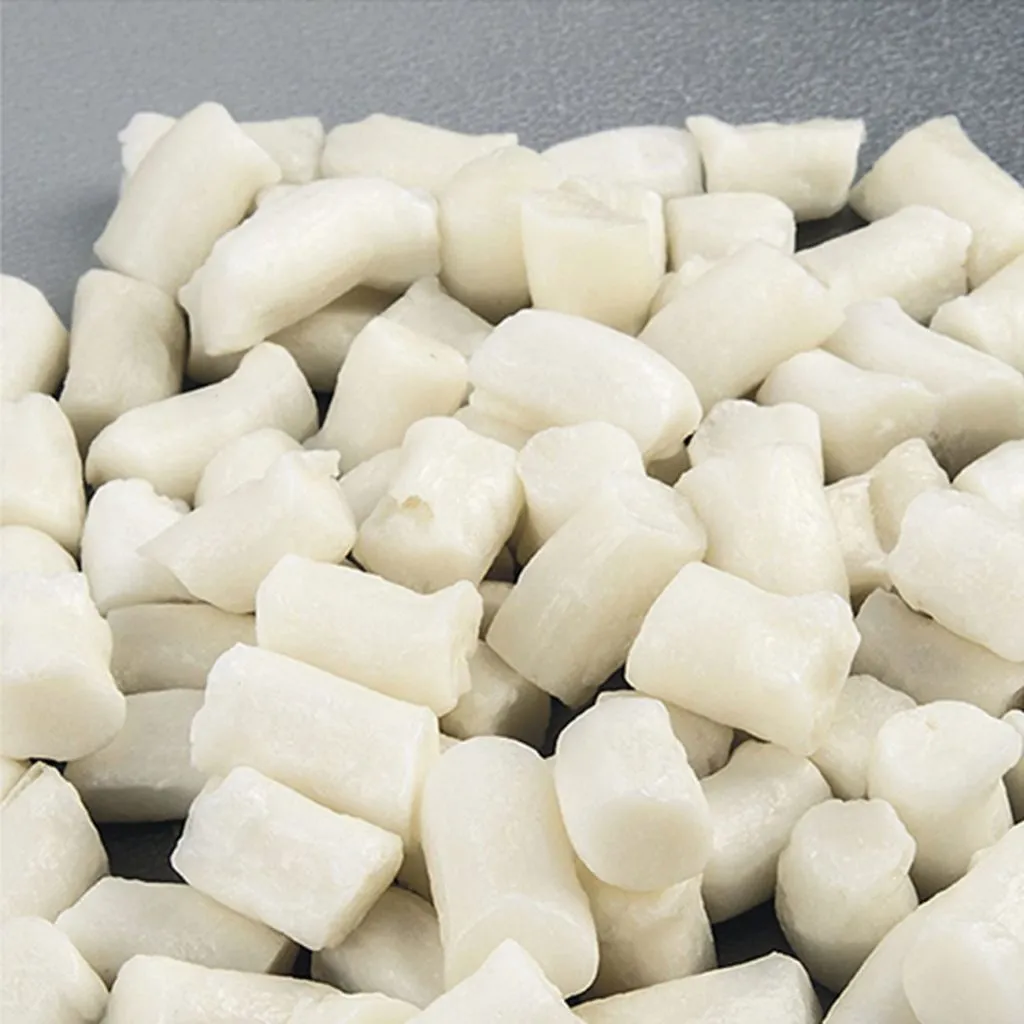
Following saponification, the molten soap mass undergoes critical downstream processing. It is dried to achieve a precise moisture content, typically between 10-14%, which is essential for the final soap's hardness and solubility. Additives such as chelating agents, antioxidants, or whiteners may be incorporated at this stage. The cooled, pliable soap is then extruded through a die plate and cut into small, cylindrical or pellet-like shapes—the familiar soap noodles. This form factor is not arbitrary; it allows for easy handling, transportation, storage, and most importantly, effortless remelting and mixing with fragrances, colors, and active ingredients in the final soap finishing lines of American factories.
Key Benefits of Vegetable Oil Soap Noodles
Choosing a vegetable oil soap base offers a multitude of advantages that cascade from the manufacturer to the retailer and finally to the consumer. From a production standpoint, consistency is paramount. High-quality soap noodles provide a uniform starting material with known fatty acid composition, TFM (Total Fatty Matter), and moisture content. This standardization reduces batch-to-batch variation, minimizes production downtime, and simplifies quality control, leading to greater operational efficiency and cost predictability for American soap makers.
For the end product, the benefits are directly marketable. Soaps made from vegetable oils are generally milder with a pH closer to that of skin, making them suitable for sensitive skin types. They produce a stable, creamy lather that consumers associate with quality and efficacy. From a marketing perspective, the "plant-based," "vegan," and "natural origin" claims are powerful differentiators on packaging. Environmentally, vegetable oil-based soaps are biodegradable and, when sourced from certified sustainable origins, support responsible agricultural practices, enhancing a brand's overall sustainability narrative.
Applications and Product Specifications
Soap noodles are the versatile workhorse of the cleansing product industry. Their primary application is, of course, in the manufacture of bar soaps—toilet soaps, laundry soaps, medicated soaps, and luxury cosmetic soaps. However, their utility extends further. They are the base for soap flakes and powder detergents, and are used in the production of certain industrial cleansers. The specific type of vegetable oil soap base chosen dictates the final soap's characteristics. For instance, noodles high in coconut oil fatty acids yield a hard soap with copious, fluffy lather, while those rich in palm oil derivatives offer excellent hardness and longevity in the bathroom dish.
When sourcing, American manufacturers must pay close attention to technical specifications. Key parameters include Total Fatty Matter (TFM), which indicates purity (typically 78-80% for toilet soap grade), moisture content, free caustic alkali levels, and chloride content. The fatty acid profile (lauric, myristic, palmitic, stearic, oleic) determines hardness, lather quality, and cleansing power. Color (usually white or off-white) and odor (neutral) are also critical for finished product aesthetics. Reputable suppliers will provide comprehensive technical data sheets (TDS) and material safety data sheets (MSDS/SDS) for each grade, such as TFM 78% Min. Toilet Soap Noodles or TFM 80% Min. Laundry Grade, ensuring manufacturers can select the perfect base for their application.
Sourcing and Quality: Partnering with Reliable Suppliers
For American businesses, securing a consistent supply of high-grade vegetable oil soap noodles is a strategic imperative. The global oleochemicals market is complex, with quality and pricing influenced by agricultural cycles, geopolitical factors, and logistical challenges. This is where established B2B platforms and specialized suppliers become invaluable partners. A platform like oleochemicalsasia.com aggregates suppliers from key producing regions, offering manufacturers a streamlined way to compare specifications, certifications (like RSPO, ISO), and pricing from vetted producers.
Building a relationship with a reliable supplier goes beyond transactional purchasing. It involves verifying the supplier's manufacturing capabilities, audit reports, and commitment to sustainable sourcing. It ensures access to consistent quality, reliable documentation (crucial for regulatory compliance in the US), and technical support. Furthermore, a good supplier can offer customized solutions, such as pre-blended noodle formulations or specific additive incorporations, to meet unique product development needs. In an era of supply chain fragility, having a trusted partner for this essential raw material mitigates risk and provides a competitive edge in bringing high-quality, sustainable soap products to the American market.
Conclusion
The transition to soap noodles production from vegetable oil represents more than just an ingredient swap; it signifies a fundamental alignment with the future of conscious consumption in America. This plant-derived base material offers a powerful combination of technical performance, manufacturing efficiency, and compelling consumer benefits. From enabling the production of milder, skin-friendly bars to providing the foundation for strong sustainability claims, vegetable oil soap noodles are a cornerstone of modern soap manufacturing. The process, from saponification to extrusion, is a testament to advanced oleochemical engineering, delivering a consistent and versatile intermediate product.
For American manufacturers looking to capitalize on this trend, success hinges on understanding the specifications, applications, and, most critically, the sourcing of these essential noodles. Engaging with specialized suppliers and platforms in the global oleochemicals network is key to securing quality, sustainability, and supply chain resilience. As the demand for transparent, ethical, and high-performance personal care products continues to grow, mastering the use of vegetable oil-based soap noodles will remain a vital strategy for brands aiming to lead in the marketplace.
Disclaimer: This article is for informational and market insight purposes only. It is not intended as technical, safety, or professional advice for soap formulation or manufacturing. The processes, specifications, and applications described are general in nature. We strongly advise readers and businesses to independently verify all information with qualified experts, consult official technical documentation and Safety Data Sheets (SDS) for specific materials, and contact our team or your supplier for detailed guidance tailored to your specific applications and requirements.
Leave a Comment