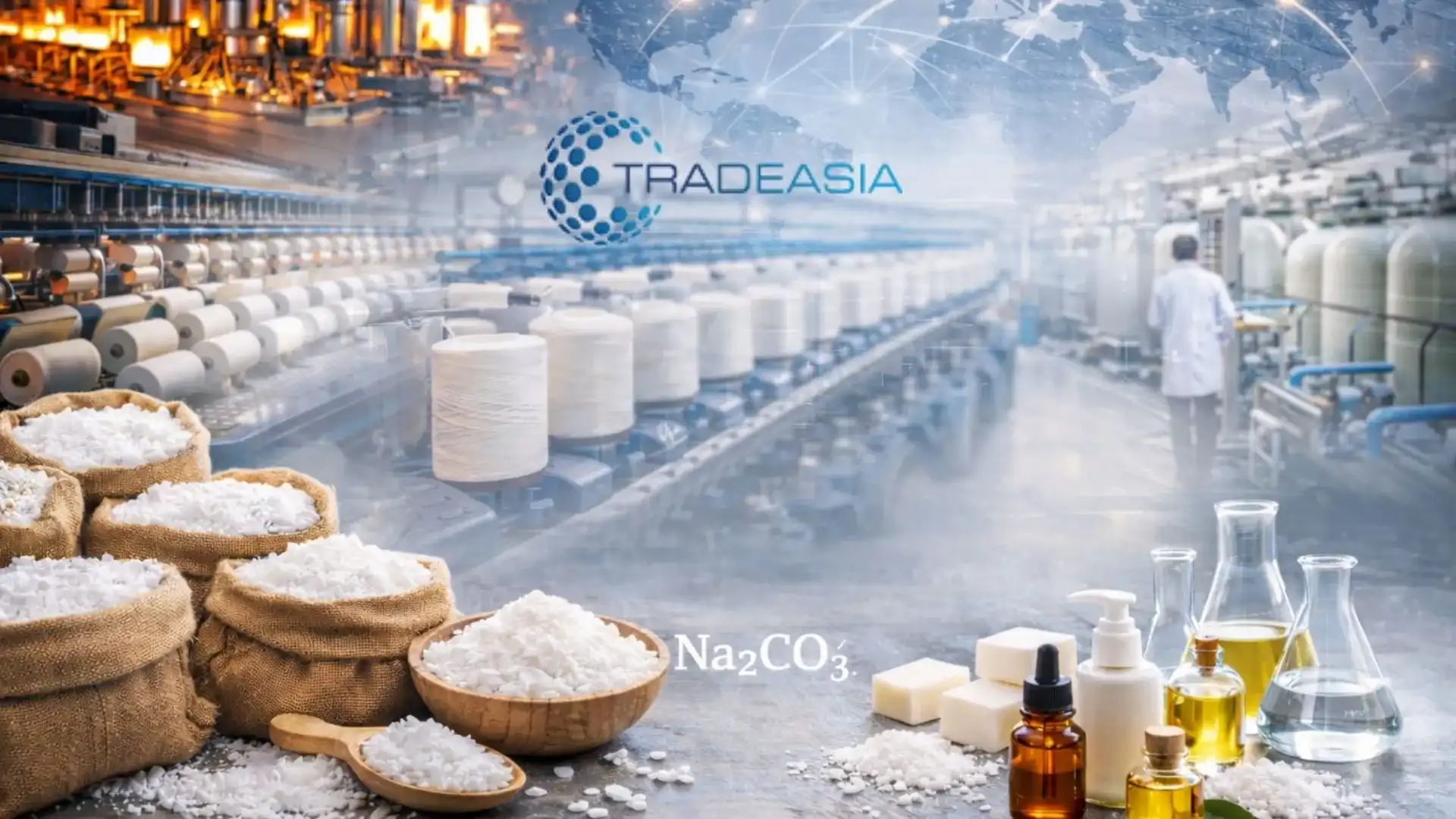
Introduction Soda Ash Light
The Asian industrial landscape is a powerhouse of global manufacturing, and at the heart of countless chemical processes lies a fundamental material: Soda Ash Light, also known as light sodium carbonate. This versatile alkali is a cornerstone for numerous industries, from the sprawling textile mills to the vast glass production facilities that dot the continent. Its role as a pH regulator, a source of alkalinity, and a key reactant makes it indispensable. For chemical buyers and procurement specialists across Asia, understanding the nuances of Soda Ash Light—its applications, specifications, and the dynamics of its supply chain—is not just beneficial but essential for maintaining competitive and efficient operations.
This article provides a comprehensive exploration of Soda Ash Light within the Asian context. We will delve into its technical specifications, unpack its critical applications with a special focus on the textile sector, analyze current market trends, and identify the primary buyer segments. Furthermore, we will offer strategic insights for procurement, helping buyers navigate a market influenced by regional production capacities, environmental policies, and fluctuating demand. Whether you are a seasoned purchaser for a large-scale detergent plant or a quality manager in a specialty chemical unit, this guide aims to equip you with the knowledge needed to make informed sourcing decisions.
Understanding Soda Ash Light: Product Specifications and Grades
Soda Ash Light (Na2CO3) is distinguished from its counterpart, Soda Ash Dense, primarily by its lower bulk density and smaller particle size. This physical difference is not merely academic; it has direct implications for its industrial use. The "light" variant typically has a bulk density ranging from 500-600 kg/m³, compared to over 1,000 kg/m³ for the dense grade. This lower density and finer particle structure give it a higher surface area, making it dissolve more rapidly in aqueous solutions, a property highly valued in applications where quick reaction times are critical, such as in chemical manufacturing and water treatment processes.
In terms of chemical purity, commercial Soda Ash Light generally assays at a minimum of 99.2% sodium carbonate. Key impurities that are monitored include sodium chloride (NaCl), iron (Fe), and insoluble matter. For specific high-purity applications, such as in the production of certain chemicals or food-grade processes, refined grades with even lower impurity levels are available. Buyers must carefully match the product specifications to their process requirements. For instance, the textile industry often requires a grade with very low iron content to prevent staining or discoloration of delicate fabrics during dyeing and finishing. Understanding these technical data sheets is the first step in effective procurement.
Key Industrial Applications of Soda Ash Light in Asia
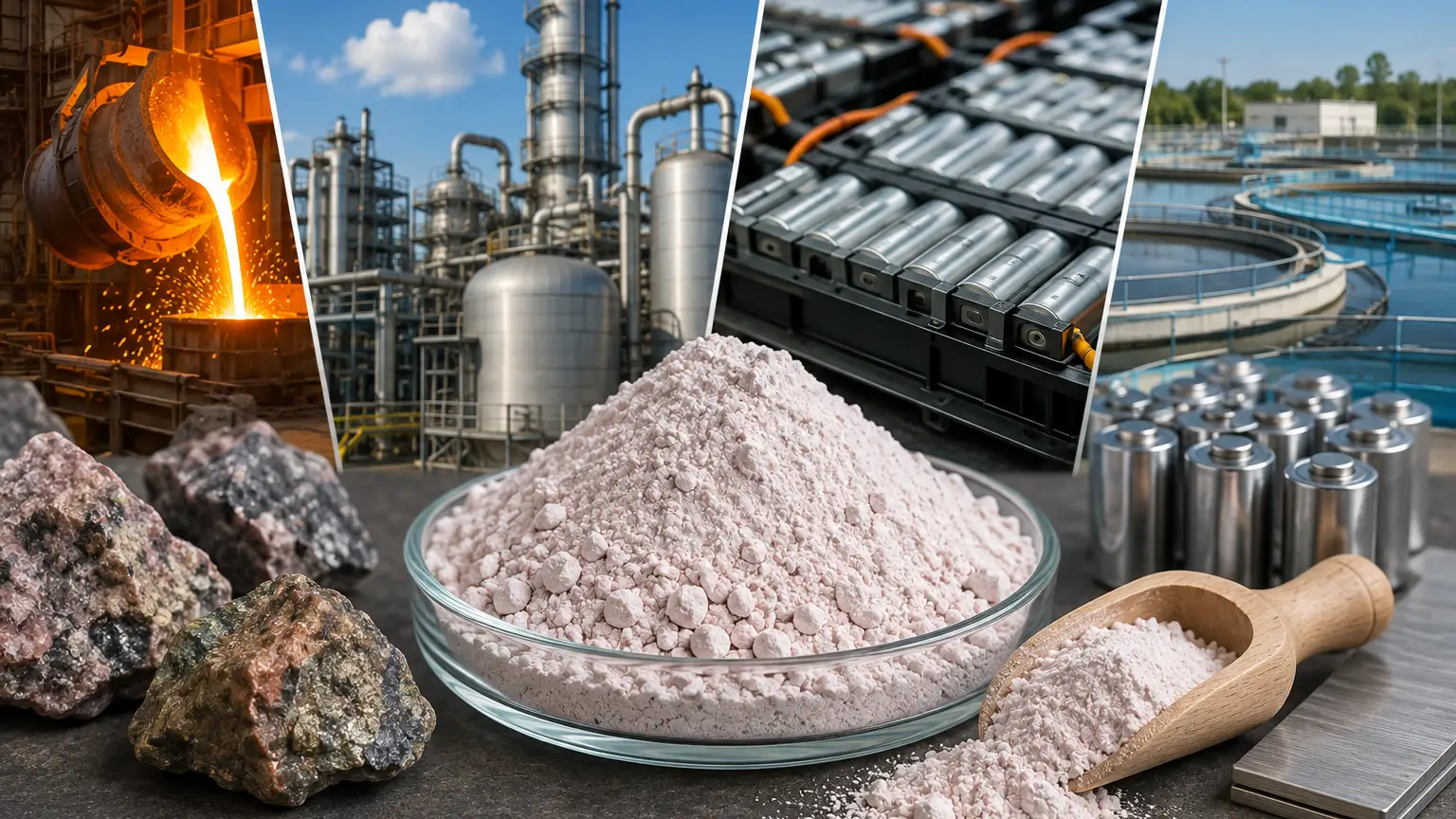
The application portfolio of Soda Ash Light in Asia is vast, mirroring the region's industrial diversity. The most prominent consumer remains the glass industry, where soda ash is a fundamental flux to lower the melting point of silica. However, the unique properties of the light grade make it particularly favored in other sectors. In chemical manufacturing, it is a primary raw material for producing sodium bicarbonate, sodium silicates, and various phosphates. Its rapid solubility is crucial in these batch processes. Furthermore, it plays a vital role in water treatment as a pH adjuster and for removing hardness ions, a growing application as Asian nations intensify their focus on water quality and environmental compliance.
A sector of paramount importance, especially given the website's focus, is the textile industry. Here, Soda Ash Light is a workhorse chemical. It is essential in the dyeing process for cellulose fibers like cotton and rayon. It acts as a fixing agent for reactive dyes, creating an alkaline environment that facilitates the chemical bond between the dye molecule and the fiber, resulting in vibrant and wash-fast colors. It is also used in scouring and mercerizing processes to remove natural impurities and improve the luster and strength of the yarn. The growth of textile hubs in Bangladesh, Vietnam, India, and China directly translates into sustained and significant demand for high-quality Soda Ash Light, with buyers often seeking consistent supply and specific low-iron grades.
Beyond these, Soda Ash Light finds use in the production of detergents and soaps, where it softens water and enhances cleaning efficacy. In the pulp and paper industry, it is used in chemical recovery cycles. The food industry utilizes it as a processing aid and acidity regulator (food-grade E500). The metallurgical sector uses it in ore processing. This wide-ranging utility underscores its status as a true industrial commodity, with demand linked to the overall health of Asia's manufacturing economy.
Asia's Soda Ash Light Market: Trends and Insights
The Asian Soda Ash Light market is characterized by a complex interplay of massive domestic production and strategic imports. China is the world's largest producer and consumer of soda ash, with its massive manufacturing base driving both supply and demand. However, other regions like Southeast Asia and the Indian subcontinent, while having growing production capacities, often rely on imports to bridge the gap between domestic supply and burgeoning industrial demand. This creates a dynamic trading environment where buyers must monitor regional price differentials, logistical costs, and trade policies. For instance, anti-dumping duties in certain countries can significantly alter sourcing economics overnight.
Several key trends are currently shaping the market. Firstly, environmental and energy policies, particularly in China, are influencing production costs and methods. The shift from the traditional Solvay process to more environmentally friendly natural soda ash mining (trona) in some regions affects supply stability and cost structures. Secondly, the global push towards sustainability is trickling down to chemical procurement. Buyers are increasingly inquiring about the environmental footprint of their Soda Ash Light supply, considering factors like energy consumption during production and transportation logistics. Finally, the post-pandemic recovery and the geopolitical realignment of supply chains have emphasized the need for supply chain resilience. Buyers are diversifying their supplier base beyond a single country or region to mitigate risks, looking towards reliable partners who can ensure consistent quality and timely delivery.
Major Buyer Segments and Sourcing Strategies
The buyer ecosystem for Soda Ash Light in Asia is segmented by industry and scale. The largest volume buyers are integrated glass manufacturers and large-scale chemical conglomerates, who often procure through long-term contracts directly with major producers to secure volume pricing and supply assurance. The next significant segment comprises medium to large enterprises in the textile, detergent, and water treatment industries. These buyers frequently work with specialized chemical distributors or trading companies that offer value-added services like just-in-time delivery, technical support, and handling of smaller, more frequent orders. Finally, there are numerous small to medium-sized enterprises (SMEs) across various sectors that purchase bagged quantities, relying heavily on local distributors for accessibility.
Developing an effective sourcing strategy requires a multi-faceted approach. First, technical qualification is non-negotiable. Buyers must rigorously test product samples against their process specifications before committing to large orders. Second, a total cost analysis is crucial. The focus should be beyond just the FOB price to include logistics, handling, storage costs, and the financial impact of consistency in quality (which reduces production downtime). Third, building relationships with suppliers who have a strong regional footprint, like Chemtradeasia, can be advantageous. Such partners often have deep market intelligence, robust logistics networks, and the flexibility to cater to diverse buyer needs, from bulk shipments to customized packaging. Verifying a supplier's certifications, financial stability, and commitment to safety (providing proper SDS documentation) is a fundamental step in risk management.
Conclusion
Soda Ash Light remains an irreplaceable chemical building block for Asia's industrial might. Its applications, from creating the vibrant colors in textiles to treating essential water supplies, are deeply embedded in the region's economic fabric. For buyers, success in this market hinges on a deep understanding of product specifications, a clear view of the application requirements, and a strategic approach to navigating the complex supply landscape. By focusing on quality consistency, total cost of ownership, and partnering with reliable suppliers who offer more than just a commodity transaction, industrial buyers can secure a competitive edge. As Asia continues to grow and its industries evolve, the demand for this versatile alkali will persist, making informed procurement a key component of operational excellence. Should you need reliable Soda Ash Light supply support, we welcome your inquiry.
Disclaimer: This article is provided for informational and market insight purposes only. It is not intended to serve as technical, safety, or professional advice for any specific application or process. The information presented, including market trends and product descriptions, is based on general industry knowledge and may not reflect the most current developments or specific local regulations. We strongly advise all readers and potential buyers to independently verify any information, consult directly with technical experts, review official Safety Data Sheets (SDS/MSDS), and conduct their own due diligence before making any procurement decisions or using Soda Ash Light in an industrial setting. For specific application guidance, please contact our technical team directly.