How Packaged Bread Consumption and Supermarket Expansion Are Driving Preservative Markets
Introduction: The Expanding Industrial Bakery Economy and the Growing Importance of Preservation Systems
The global bakery industry has evolved into one of the largest and most operationally sophisticated sectors within modern food manufacturing. Bread, buns, tortillas, pastries, cakes, croissants, flatbreads, frozen dough products, and packaged baked goods now form part of an industrialized global food system designed to supply billions of consumers through highly integrated retail and distribution networks. What was once a predominantly local and artisanal industry has transformed into a massive industrial ecosystem driven by urbanization, changing consumer lifestyles, supermarket expansion, convenience-food demand, and large-scale food logistics. Within this rapidly expanding bakery economy, sodium diacetate has emerged as one of the most strategically important shelf-life ingredients supporting industrial scalability, distribution efficiency, and spoilage prevention.
Sodium diacetate, a compound derived from sodium acetate and acetic acid, functions primarily as an antimicrobial preservative and acidity regulator widely used in bakery manufacturing to inhibit mold growth and extend product shelf life. Although it rarely receives public attention compared to major food ingredients such as flour, sugar, or oils, sodium diacetate has become deeply integrated into the operational infrastructure of industrial bakery systems worldwide. Its importance has increased substantially as packaged bread consumption continues rising across both developed and emerging economies, forcing bakery manufacturers to optimize shelf-life performance while managing increasingly complex supply chains.
The commercial significance of sodium diacetate is closely connected to the global expansion of packaged baked goods. According to multiple food industry analyses, the global bakery market exceeded USD 500 billion in annual value during the early 2020s and continues expanding steadily due to rising urban populations, changing eating habits, convenience-oriented lifestyles, and modern retail development. Packaged bread alone represents one of the largest segments of industrial food manufacturing globally, with major multinational bakery corporations producing millions of units daily for supermarkets, convenience stores, food-service chains, institutional buyers, and e-commerce grocery systems. This industrial scale creates enormous demand for preservation technologies capable of maintaining microbiological stability and commercial shelf life throughout increasingly sophisticated distribution networks.
Urbanization remains one of the strongest macroeconomic drivers supporting long-term sodium diacetate demand growth. As populations migrate toward cities, dietary patterns increasingly favor convenient, ready-to-eat, and packaged food products compatible with fast-paced urban lifestyles. Bread products, sandwich buns, tortillas, and packaged bakery items are especially well-positioned within this consumption shift because they offer affordability, portability, versatility, and compatibility with modern retail systems. The rapid growth of urban middle-class populations across Asia, Africa, Latin America, and the Middle East is therefore contributing directly to rising industrial bakery production volumes and, by extension, increasing demand for preservatives such as sodium diacetate.
The expansion of supermarket chains and organized retail infrastructure has further accelerated this transformation. Modern supermarkets require highly standardized food products capable of surviving regional distribution systems, warehouse storage, retail display periods, and consumer household handling while maintaining consistent quality and appearance. Bread manufacturers supplying supermarket systems must therefore engineer products with stable shelf-life performance that minimizes spoilage-related losses and supports efficient inventory turnover. Sodium diacetate plays a central role within this operational model because it helps inhibit microbial growth and extend product stability without significantly disrupting production efficiency or product sensory characteristics.
At the same time, the economics of shelf life have become increasingly important within global food industries. Food waste, spoilage losses, transportation inefficiencies, and inventory shrinkage create major financial burdens throughout bakery supply chains. Mold contamination alone can generate substantial economic losses for manufacturers and retailers due to product returns, disposal costs, damaged retailer relationships, and reduced inventory efficiency. Sodium diacetate therefore contributes economic value not merely through preservation functionality but through its broader impact on supply-chain optimization, retail reliability, and operational scalability.
The strategic importance of sodium diacetate is also increasing because bakery supply chains themselves are becoming more geographically dispersed and operationally complex. Industrial bakery companies increasingly rely on centralized manufacturing facilities serving regional or national markets through large-scale distribution systems. Products may travel hundreds or thousands of kilometers before reaching consumers, particularly in export-oriented food systems and emerging e-commerce grocery networks. Longer transportation timelines and more complicated logistics create greater dependence on preservation systems capable of maintaining product stability under variable environmental conditions.
This article provides a comprehensive analysis of the rising global demand for sodium diacetate in industrial bakery manufacturing, focusing specifically on packaged bread consumption trends, supermarket expansion, urbanization, shelf-life economics, preservation demand forecasting, and the evolving operational structure of global bakery supply chains.
The Transformation of Bread from Local Staple to Industrial Food Category
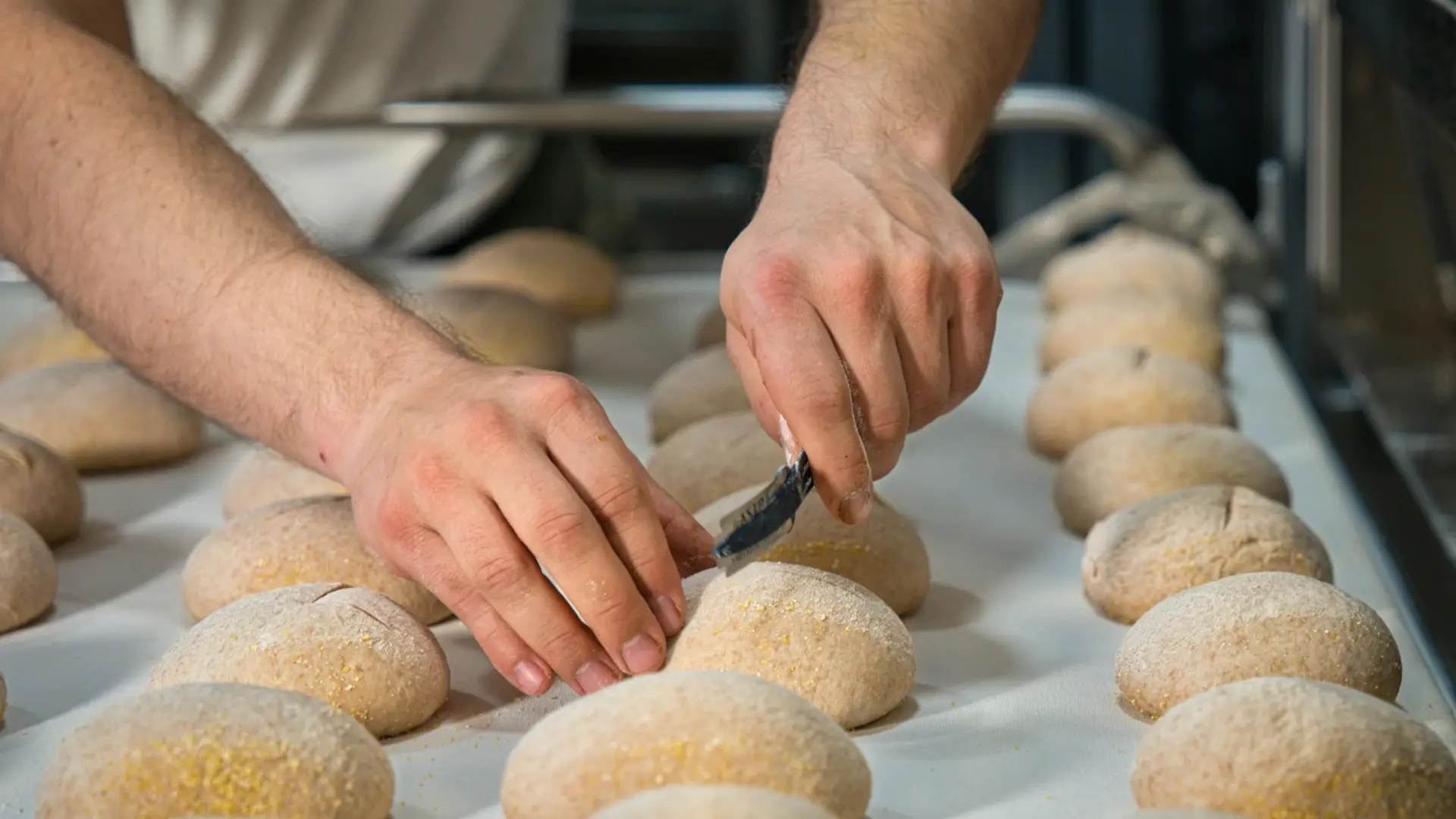
Bread has historically functioned as one of humanity’s most fundamental staple foods, but the industrialization of bakery production has transformed bread manufacturing into a highly sophisticated global business sector. Traditional bakery systems typically relied on localized production and rapid consumption cycles where bread products were produced daily and consumed within short timeframes. Preservation requirements were therefore relatively limited because products rarely traveled far from production sites.
However, modern food economies increasingly prioritize industrial efficiency, retail scalability, and centralized production systems capable of supplying large urban populations through integrated distribution networks. This structural transformation accelerated throughout the twentieth and twenty-first centuries alongside urbanization, supermarket development, refrigeration expansion, transportation modernization, and changing labor dynamics within households.
Industrial bakery manufacturing now depends heavily on automated production systems capable of producing massive volumes of standardized products efficiently and consistently. Large bakery corporations frequently operate centralized facilities serving extensive geographic markets through coordinated logistics networks connecting warehouses, retailers, convenience stores, restaurants, institutional buyers, and online grocery platforms.
This shift toward industrial bakery systems dramatically increased the importance of preservation technologies because products must remain commercially stable for significantly longer periods than under traditional bakery models. Mold growth became one of the most commercially important operational risks within packaged bread systems due to the high moisture content and biological vulnerability of baked goods.
Sodium diacetate consequently became increasingly valuable because it offered manufacturers a practical solution for improving shelf stability while supporting modern distribution requirements. The additive’s role expanded further as bakery products diversified into packaged sandwiches, burger buns, tortillas, wraps, frozen bakery products, and convenience-oriented snack applications requiring longer shelf life and broader retail distribution.
Global Bakery Market Growth and Demand Expansion
The global bakery industry continues experiencing strong long-term growth driven by demographic expansion, rising disposable incomes, urban consumer lifestyles, and evolving food consumption patterns. Bread remains one of the world’s most widely consumed food products, while packaged bakery categories continue expanding due to convenience-oriented purchasing behavior and modern retail penetration.
Asia-Pacific has emerged as one of the fastest-growing bakery regions globally due to rapid urbanization and industrial food development. Countries such as China, India, Indonesia, Vietnam, and the Philippines are witnessing rising consumption of packaged breads, cakes, pastries, and frozen bakery products as urban middle-class populations expand. Industrial bakery systems throughout these regions increasingly require scalable preservation solutions capable of supporting modern distribution systems and supermarket retail structures.
The Middle East and Africa are also experiencing significant bakery-market growth due to population increases, retail modernization, and expanding food-service industries. Gulf countries in particular have become major importers and consumers of packaged baked goods because of strong supermarket penetration and large expatriate populations consuming Western-style bakery products.
North America and Europe remain mature but highly sophisticated bakery markets characterized by advanced supply chains, extensive supermarket networks, and strong demand for packaged convenience foods. While population growth may be slower in these regions, premium bakery categories, frozen baked products, and convenience-oriented packaged foods continue supporting stable preservative demand.
These global bakery trends collectively strengthen long-term sodium diacetate demand because preservation systems remain essential for large-scale industrial bakery operations.
Urbanization and Changing Consumer Behavior
Urbanization represents one of the most influential structural forces shaping future bakery demand worldwide. According to United Nations projections, nearly 70 percent of the global population may live in urban areas by 2050, compared to substantially lower levels during previous decades. Urban lifestyles significantly influence food consumption behavior because consumers increasingly prioritize convenience, portability, time efficiency, and ready-to-eat products compatible with fast-paced metropolitan living.
Bread products fit naturally within this urban consumption model because they serve as versatile and affordable components of breakfast foods, sandwiches, snacks, and quick meals. Working professionals, students, commuters, and urban households frequently depend on packaged bread products due to convenience and accessibility.
The increasing participation of women in the workforce across many developing economies has also contributed to rising demand for commercially prepared food products, including industrial bakery items. Household cooking patterns are shifting toward convenience-oriented consumption models where packaged foods replace labor-intensive traditional preparation methods.
As bakery products become more integrated into modern urban lifestyles, manufacturers face growing pressure to maintain consistent product availability across complex retail systems. Sodium diacetate helps support these expectations by extending shelf stability and reducing spoilage-related disruptions.
Supermarket Expansion and Retail Modernization
The expansion of supermarket chains and organized retail infrastructure has fundamentally reshaped global bakery supply chains. Modern retail systems prioritize standardized packaged products capable of surviving centralized warehousing, transportation, shelf display, and consumer handling while maintaining quality consistency.
Supermarkets depend heavily on predictable inventory management and efficient product turnover. Mold-related spoilage creates financial losses through unsold inventory, disposal costs, retailer dissatisfaction, and operational inefficiencies. Bakery manufacturers therefore increasingly optimize preservation systems to meet retailer expectations regarding shelf-life reliability.
Emerging markets throughout Asia, Africa, and Latin America are witnessing rapid supermarket expansion driven by rising middle-class incomes and retail modernization. International supermarket chains and regional retailers continue investing heavily in distribution infrastructure supporting packaged-food growth.
Convenience-store expansion similarly contributes to preservative demand because smaller retail formats frequently require products with longer shelf stability due to lower inventory turnover rates compared to major supermarkets.
Sodium diacetate plays a critical role within these evolving retail systems because it supports stable distribution economics while helping bakery manufacturers reduce spoilage risk.
Shelf-Life Economics and Food Waste Reduction
Shelf-life management has become a major economic priority within global food industries due to rising concerns regarding food waste, operational efficiency, and sustainability. Bread products are among the world’s most wasted food categories because of their perishability and high production volumes.
Spoilage-related losses generate substantial economic costs throughout bakery supply chains. Manufacturers lose raw materials, labor, packaging, transportation expenses, and production capacity when products become unsellable due to mold contamination. Retailers similarly incur disposal costs and inventory losses associated with expired bakery products.
Sodium diacetate contributes directly to food waste reduction by extending product usability and reducing spoilage frequency. Even modest shelf-life improvements can generate major operational savings when applied across industrial-scale bakery networks producing millions of units weekly.
Sustainability initiatives and environmental concerns are increasing industry interest in preservation technologies supporting more efficient food utilization. Extending bread shelf life reduces waste-management burdens and improves overall supply-chain resource efficiency.
Future Outlook for Sodium Diacetate Demand
The long-term outlook for sodium diacetate demand remains strongly positive due to continued expansion in industrial bakery manufacturing, packaged-food consumption, supermarket penetration, and convenience-oriented food systems worldwide. Preservation technologies will likely become increasingly important as food-distribution networks grow more complex and geographically dispersed.
Emerging economies are expected to drive much of the future demand growth because urbanization and retail modernization continue accelerating throughout Asia, Africa, and Latin America. These regions are developing increasingly sophisticated industrial food systems requiring scalable shelf-life management solutions.
The frozen bakery sector also represents an important future growth area because frozen dough products, ready-to-bake foods, and convenience-oriented frozen bakery applications continue expanding globally. Preservation systems supporting microbiological stability throughout cold-chain logistics will remain strategically important.
E-commerce grocery expansion may further strengthen preservative demand because online food distribution often involves longer fulfillment timelines and more complicated logistics conditions compared to traditional retail purchasing models.
At the same time, clean-label trends and consumer interest in ingredient transparency may encourage manufacturers to optimize preservative usage carefully while maintaining operational efficiency. Sodium diacetate may remain commercially attractive because of its established functionality and compatibility with industrial bakery systems.
Conclusion: Sodium Diacetate and the Future of Industrial Bakery Systems
Sodium diacetate has evolved into a strategically important ingredient within the modern industrial bakery economy because it supports shelf-life engineering, spoilage prevention, retail scalability, and distribution efficiency across increasingly sophisticated food supply chains. As packaged bread consumption continues expanding globally alongside urbanization, supermarket growth, and convenience-food demand, the commercial importance of preservation systems will likely increase further.
The global bakery industry is no longer merely a traditional food sector but rather a highly industrialized operational ecosystem dependent on efficient logistics, centralized manufacturing, and stable product performance. Sodium diacetate contributes directly to this transformation by helping manufacturers manage the economic realities of modern food distribution.
Future demand for sodium diacetate will likely remain closely connected to broader structural trends including retail modernization, emerging-market urbanization, packaged-food growth, frozen bakery expansion, and global efforts to reduce food waste throughout industrial food systems. In this context, sodium diacetate represents far more than a simple preservative additive. It functions as part of the hidden operational infrastructure enabling the scalability and reliability of the global packaged bakery industry.
Leave a Comment