Introduction
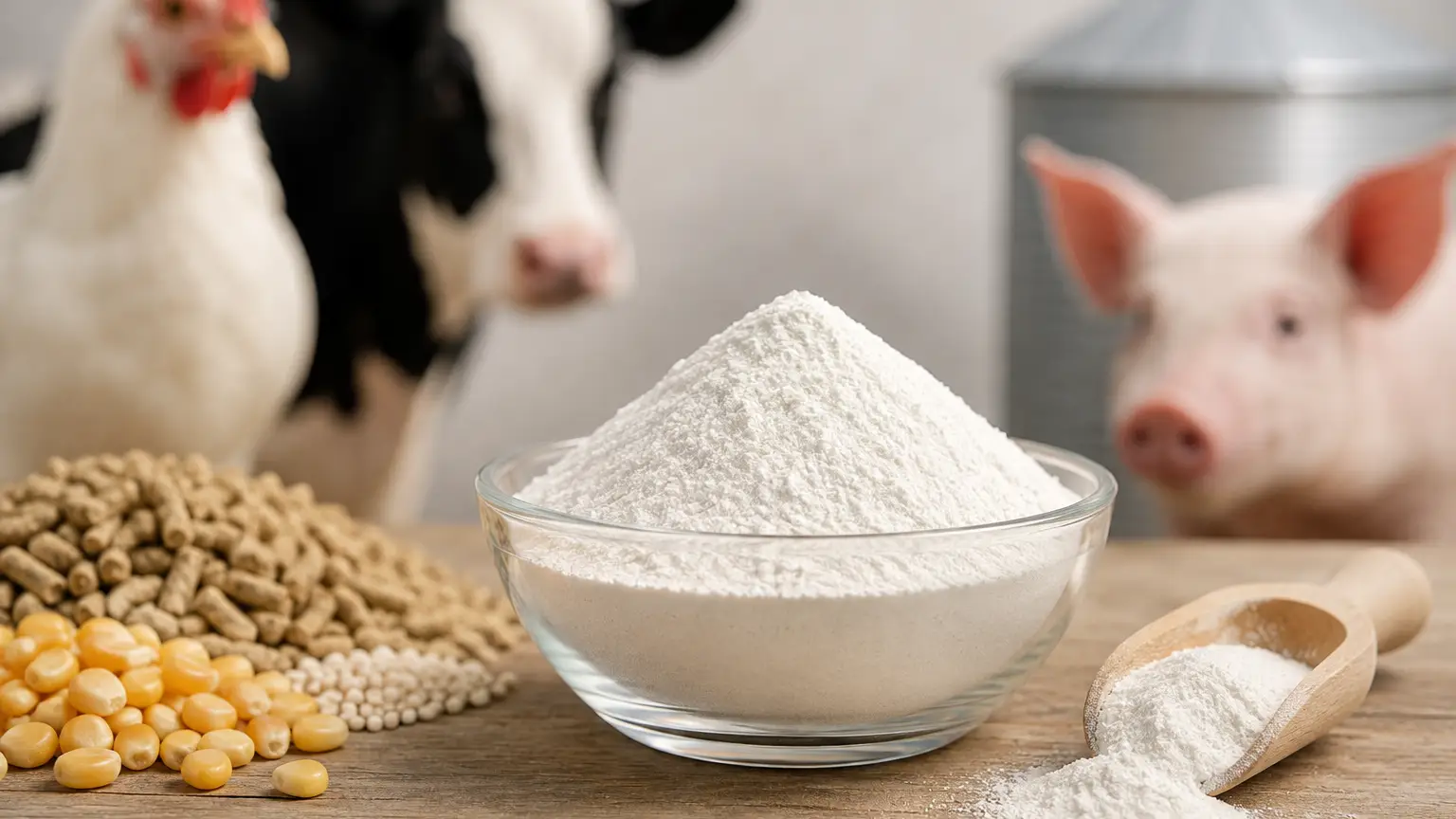
The Asian animal feed industry stands at the precipice of a transformative period as it enters the first quarter of 2026. Driven by a potent combination of rising disposable incomes, urbanization, and a consequent surge in demand for animal protein, the sector is undergoing a significant shift towards precision nutrition. At the heart of this evolution is the escalating demand for high-quality, specialized feed ingredients that optimize animal health, growth performance, and operational efficiency. Among these, soy protein isolate (SPI) has emerged as a cornerstone ingredient, prized for its exceptional amino acid profile and digestibility.
This article provides a comprehensive analysis of the soy protein isolate market trends across Asia for Q1 2026. We will delve beyond surface-level statistics to explore the underlying drivers, regional nuances, and the specific applications that are propelling SPI to the forefront of modern animal feed formulation. The analysis will highlight how this premium ingredient is not merely a commodity but a strategic tool for feed manufacturers and integrators aiming to meet the stringent demands of a rapidly modernizing agricultural landscape.
The focus will extend to the practical implications for industry stakeholders, from feed millers to livestock producers. Understanding these trends is crucial for making informed sourcing and formulation decisions. Platforms like chemtradeasia.com, chemtradeasia.in, and chemtradeasia.co.id are pivotal in this ecosystem, connecting buyers with reliable suppliers of high-grade soy protein isolate and other critical feed ingredients, ensuring supply chain resilience and quality consistency across diverse Asian markets.
The Surging Demand for High-Quality Protein in Asian Feed
The primary engine behind the SPI market's growth is Asia's insatiable appetite for meat, eggs, and dairy. Countries like China, Vietnam, Indonesia, and India are experiencing a "nutrition transition," where animal-sourced proteins constitute an increasingly large portion of the average diet. This shift is compelling the livestock and aquaculture sectors to scale up production rapidly and efficiently. However, with land and resource constraints becoming more acute, the industry cannot rely solely on expanding herd sizes; it must enhance productivity per animal. This is where the science of advanced feed ingredients becomes paramount.
Traditional protein sources like fishmeal and standard soybean meal, while still widely used, face challenges related to price volatility, sustainability concerns, and inconsistent quality. Feed formulators are now seeking alternatives that offer precise nutritional control. Soy protein isolate, with its protein content typically exceeding 90% on a dry basis, provides an unparalleled concentration of essential amino acids like lysine and methionine, which are critical for muscle development, immune function, and overall metabolic health in monogastric animals and fish.
Furthermore, the intensification of farming practices has made animal health a top priority. Outbreaks of diseases like African Swine Fever (ASF) have taught the industry hard lessons about biosecurity and robustness. High-quality, easily digestible proteins like SPI reduce metabolic stress on animals, support gut health, and strengthen immune responses. Consequently, feed manufacturers are increasingly incorporating SPI into starter feeds for piglets, poultry chicks, and young aquaculture species, where early-life nutrition sets the trajectory for lifetime performance and resilience.
Spotlight on Soy Protein Isolate: A Premium Feed Ingredient
Soy protein isolate is not just another protein source; it represents the pinnacle of soy protein refinement. Produced by removing the carbohydrates, fats, and anti-nutritional factors present in defatted soybean flakes, the resulting isolate is a concentrated, highly functional protein powder. Its specifications make it uniquely suited for high-performance animal nutrition. Typical analytical parameters include a minimum crude protein content of 90%, low moisture (around 6%), minimal crude fiber (less than 1%), and a highly favorable amino acid score that closely matches animal requirements.
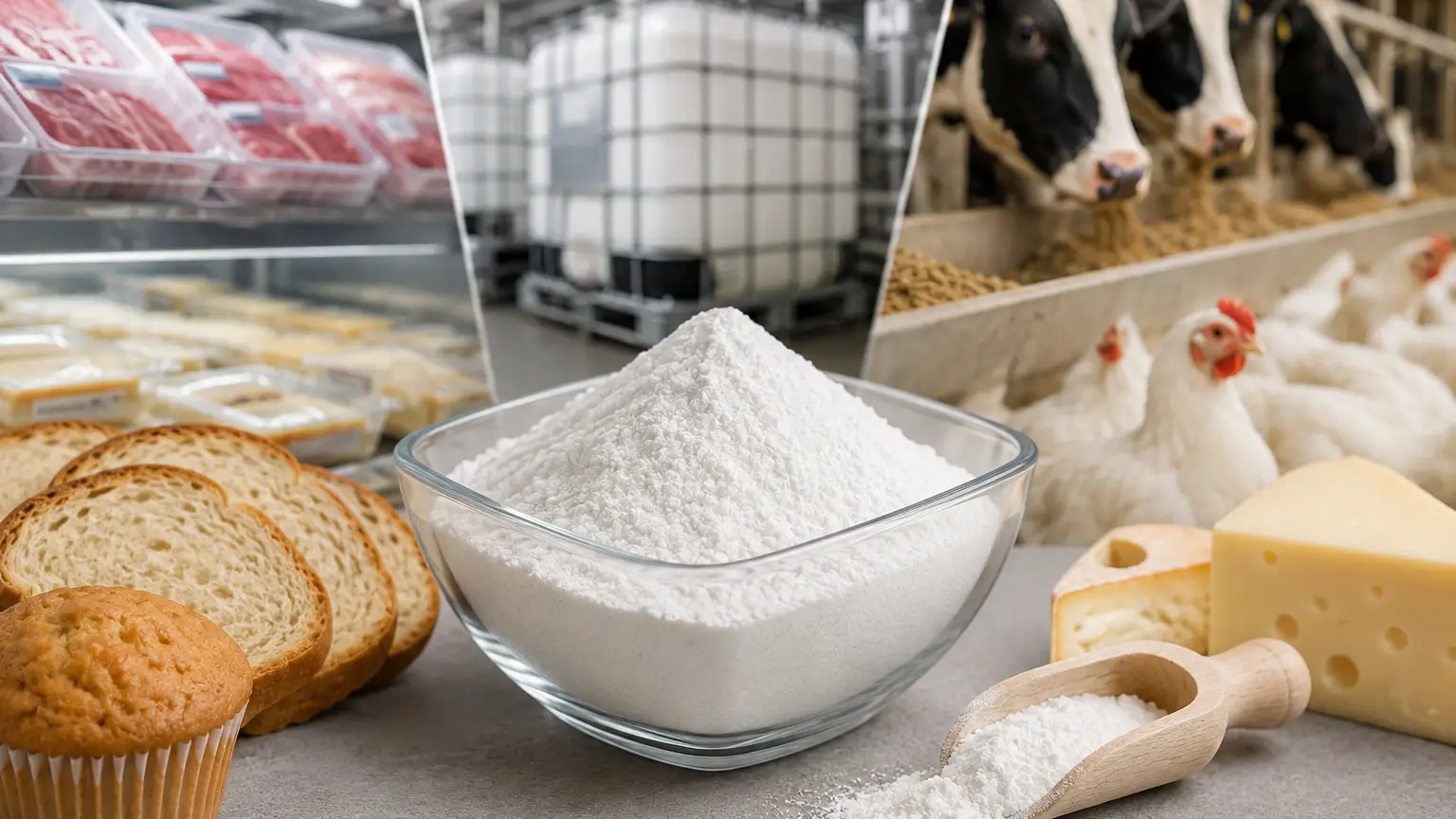
The benefits of incorporating SPI into feed formulations are multifaceted. First and foremost is its exceptional digestibility. With anti-nutritional factors like trypsin inhibitors and oligosaccharides largely eliminated, animals can absorb and utilize almost all the protein provided, leading to superior Feed Conversion Ratios (FCR). This means less feed is required to produce a kilogram of meat, directly improving profitability and reducing the environmental footprint of production. Secondly, its high solubility and functional properties—such as emulsification, water-binding, and gelation—make it an excellent ingredient in processed feeds, milk replacers, and aquafeeds, improving pellet quality and stability in water.
In practical use cases, SPI shines in specific applications. In aquaculture, especially for species like shrimp, seabass, and trout, SPI is used in high-value formulated feeds to promote rapid growth and improve survival rates during sensitive larval stages. In swine nutrition, it is a gold-standard ingredient in post-weaning piglet diets, helping to overcome the "weaning dip" by providing a palatable, gut-friendly protein that doesn't trigger inflammatory responses. For the poultry sector, SPI is leveraged in broiler pre-starter feeds and layer diets to ensure optimal early development and consistent egg quality. Sourcing such a specialized ingredient requires trusted partners; platforms like chemtradeasia.co.id for Indonesia or chemtradeasia.in for India provide vital links to verified suppliers who can meet these precise technical specifications.
Key Drivers Fueling Market Growth in Q1 2026
Several interconnected macro and micro trends are converging to accelerate the adoption of SPI in Q1 2026. The most prominent is the regulatory push for antibiotic reduction. Across Asia, governments are implementing stricter regulations on the use of antibiotics as growth promoters in animal feed. This has forced the industry to seek alternative strategies to maintain animal health and growth rates. SPI, as a highly digestible protein, supports gut integrity and reduces the nutrient load in the hindgut that can promote pathogenic bacteria, making it a key component in antibiotic-free (ABF) and no-antibiotics-ever (NAE) feeding programs.
Simultaneously, consumer awareness is driving demand for premium and traceable animal products. Urban consumers are increasingly concerned about what goes into their food and are willing to pay a premium for meat, eggs, and fish produced with high-quality, sustainable ingredients. This retail pull incentivizes producers to upgrade their feed formulations, creating a direct demand pipeline for premium feed ingredients like SPI. Feed companies are now marketing their products based on "clean label" formulations, where SPI's natural, plant-based origin is a significant selling point.
Technological advancements in feed processing and precision nutrition are also key drivers. The integration of IoT sensors and data analytics in modern farms allows for real-time monitoring of animal performance. This data-driven approach highlights the tangible return on investment from using superior ingredients. When a feed mill can quantitatively demonstrate that a diet containing soy protein isolate improves FCR by 5% and reduces mortality in shrimp larvae, the value proposition becomes indisputable. This evidence-based adoption is particularly strong in integrated livestock companies and large-scale commercial aquaculture operations.
Regional Analysis: Hotspots and Emerging Markets
The Asian SPI market is not monolithic; it features established powerhouses and rapidly emerging frontiers. China remains the undisputed leader, both as the world's largest feed producer and a massive consumer of soy protein isolate. The recovery and modernization of its swine herd post-ASF, coupled with a booming aquaculture sector, continue to drive robust demand. Chinese feed mills are increasingly focused on efficiency and disease resilience, making SPI a staple in premium feed lines. Sourcing platforms like chemtradeasia.com are critical for connecting with the global and domestic suppliers that serve this vast market.
Southeast Asia represents the most dynamic growth corridor. Vietnam, Thailand, Indonesia, and the Philippines are all experiencing explosive growth in industrialized poultry and aquaculture. Vietnam's pangasius and shrimp industries, Thailand's chicken export sector, and Indonesia's expanding broiler production are all major consumers of high-protein feed. In Indonesia, local content requirements and a push for agricultural self-sufficiency are shaping the market, making local sourcing hubs like chemtradeasia.co.id increasingly relevant for navigating regional supply chains.
South Asia, particularly India, is an emerging hotspot with immense potential. While currently a smaller market due to the higher cost sensitivity and dominant use of traditional cakes and meals, the Indian market is shifting. The rapid growth of organized dairy, poultry, and aquaculture is creating a new segment of producers who recognize the value of advanced nutrition. The demand for specialized feeds for shrimp, prawns, and high-yielding dairy cattle is opening new avenues for SPI adoption. Platforms catering to this region, such as chemtradeasia.in, are poised to facilitate this transition by connecting Indian buyers with quality-assured ingredients.
Challenges and Sustainability Considerations
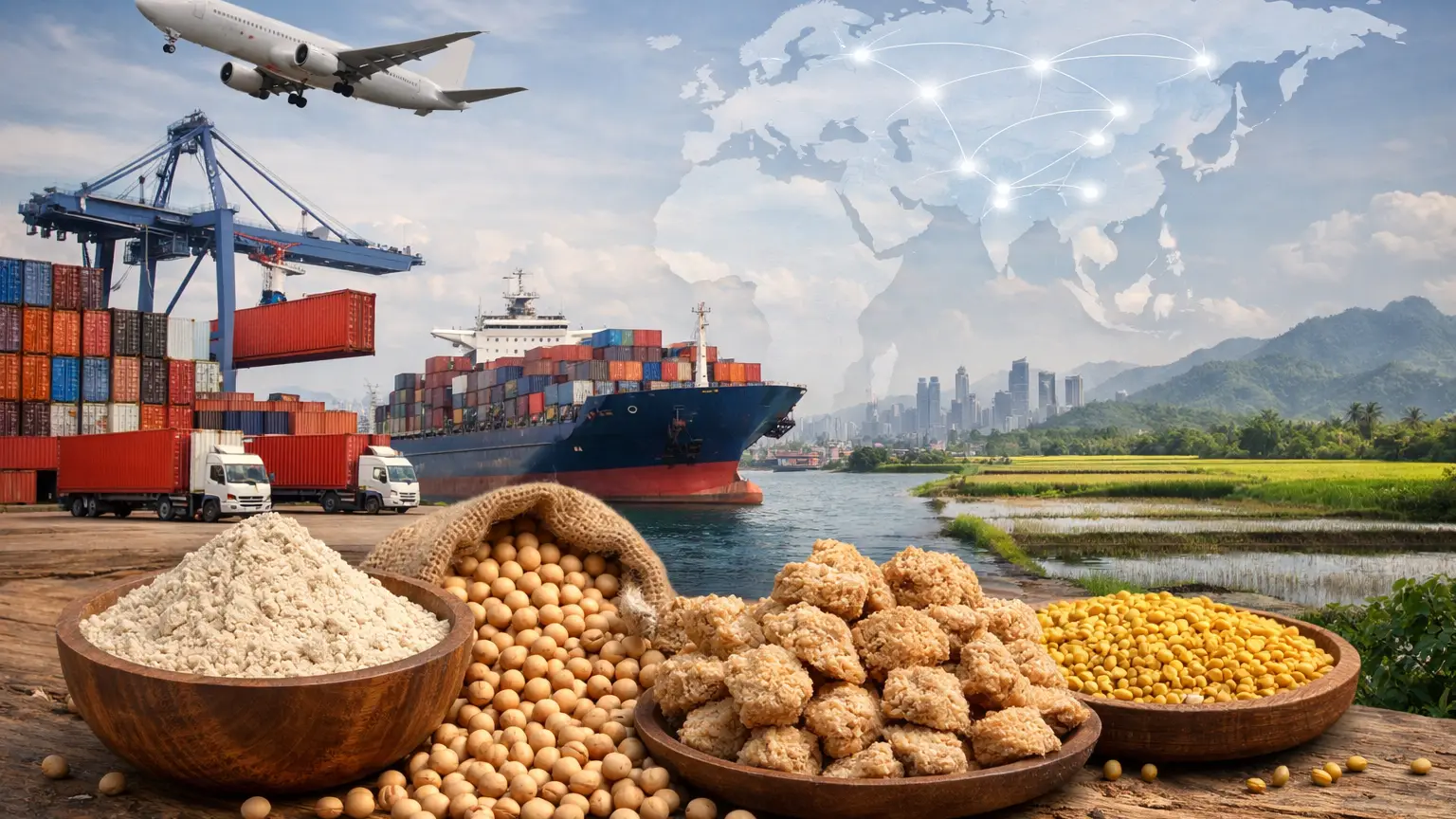
Despite the optimistic outlook, the SPI market in Asia faces significant headwinds. Price volatility and supply chain security are perennial concerns. SPI is a derivative of the global soybean market, which is subject to geopolitical tensions, trade policies, and climate-related yield fluctuations. A price spike in raw soybeans directly impacts SPI cost, potentially pushing it out of reach for standard feed formulations. Feed manufacturers must engage in strategic sourcing and consider long-term contracts to mitigate this risk, often leveraging B2B platforms to compare options and secure stable supply.
The sustainability narrative is a double-edged sword. On one hand, SPI's role in improving feed efficiency contributes to a lower environmental footprint per unit of animal protein produced. On the other, the soybean industry at large is scrutinized for deforestation, particularly in South America. This places pressure on the entire value chain, from crushers to feed companies, to provide proof of sustainable and deforestation-free sourcing. In Q1 2026, traceability and certification (such as ProTerra, RTRS, or FEFAC Soy Sourcing Guidelines) are becoming critical purchasing criteria for multinational feed companies and their downstream customers in Asia.
Finally, technological competition is on the horizon. The rapid development of alternative proteins, including single-cell proteins, insect meal, and fermented proteins, presents a long-term challenge. While these alternatives are not yet cost-competitive at scale for bulk feed, they are gaining traction in niche markets and are the focus of heavy investment. The SPI industry must continue to innovate, potentially by further refining processes to reduce cost, improving functional properties, and doubling down on its sustainability credentials to maintain its dominant position in the high-performance feed ingredients segment.
Conclusion
The first quarter of 2026 is set to be a defining period for the soy protein isolate market in Asia. The convergence of dietary shifts, production intensification, and a focus on sustainable and efficient animal nutrition has cemented SPI's role as a critical, high-value feed ingredient. Its unparalleled protein quality and functional benefits make it indispensable for modern feed formulations aimed at maximizing animal health, productivity, and ultimately, the profitability of livestock and aquaculture operations across the continent.
For industry stakeholders—from feed formulators and nutritionists to procurement managers—navigating this dynamic landscape requires access to reliable market intelligence and robust supply chains. Success will depend on the ability to source consistent, high-quality SPI, understand regional application nuances, and adapt to evolving sustainability standards. Digital B2B platforms that specialize in feed ingredients, such as chemtradeasia.com, chemtradeasia.in, and chemtradeasia.co.id, provide the essential infrastructure for this, offering connectivity, transparency, and trust in a complex global market.
Looking ahead, the trajectory for SPI is one of growth, innovation, and increased sophistication. As Asia continues to lead global animal protein production, the ingredients that fuel this growth will be scrutinized for their performance, provenance, and planetary impact. Soy protein isolate, with its proven track record and ongoing potential for refinement, is well-positioned to meet these challenges and remain a cornerstone of advanced animal nutrition for years to come.