Introduction Soya Lecithin
In the intricate world of food science and industrial manufacturing, few ingredients demonstrate the versatility and indispensability of Soya Lecithin. As a naturally derived emulsifier and multifunctional additive, it is a cornerstone in countless products that line supermarket shelves and industrial formulations globally. For buyers, manufacturers, and product developers, understanding this compound extends beyond its basic definition; it encompasses a deep knowledge of its applications, functional benefits, sourcing nuances, and market dynamics. This article serves as a comprehensive guide, delving into the essential role of Soya Lecithin within the food additives industry, providing actionable market insights, and outlining critical considerations for global buyers seeking reliable supply chains and high-quality products.
The global push towards cleaner labels and natural ingredients has further cemented lecithin's position, as it allows manufacturers to replace synthetic additives while maintaining product integrity. From ensuring the smooth texture of your chocolate to extending the shelf life of baked goods, its contributions are both fundamental and multifaceted. For procurement specialists and R&D teams, navigating this market requires a blend of technical knowledge and strategic sourcing acumen. We will explore the journey of Soya Lecithin from a by-product of soybean oil processing to a high-value, functional ingredient critical to modern food production and beyond.
What is Soya Lecithin? A Versatile Food Additive
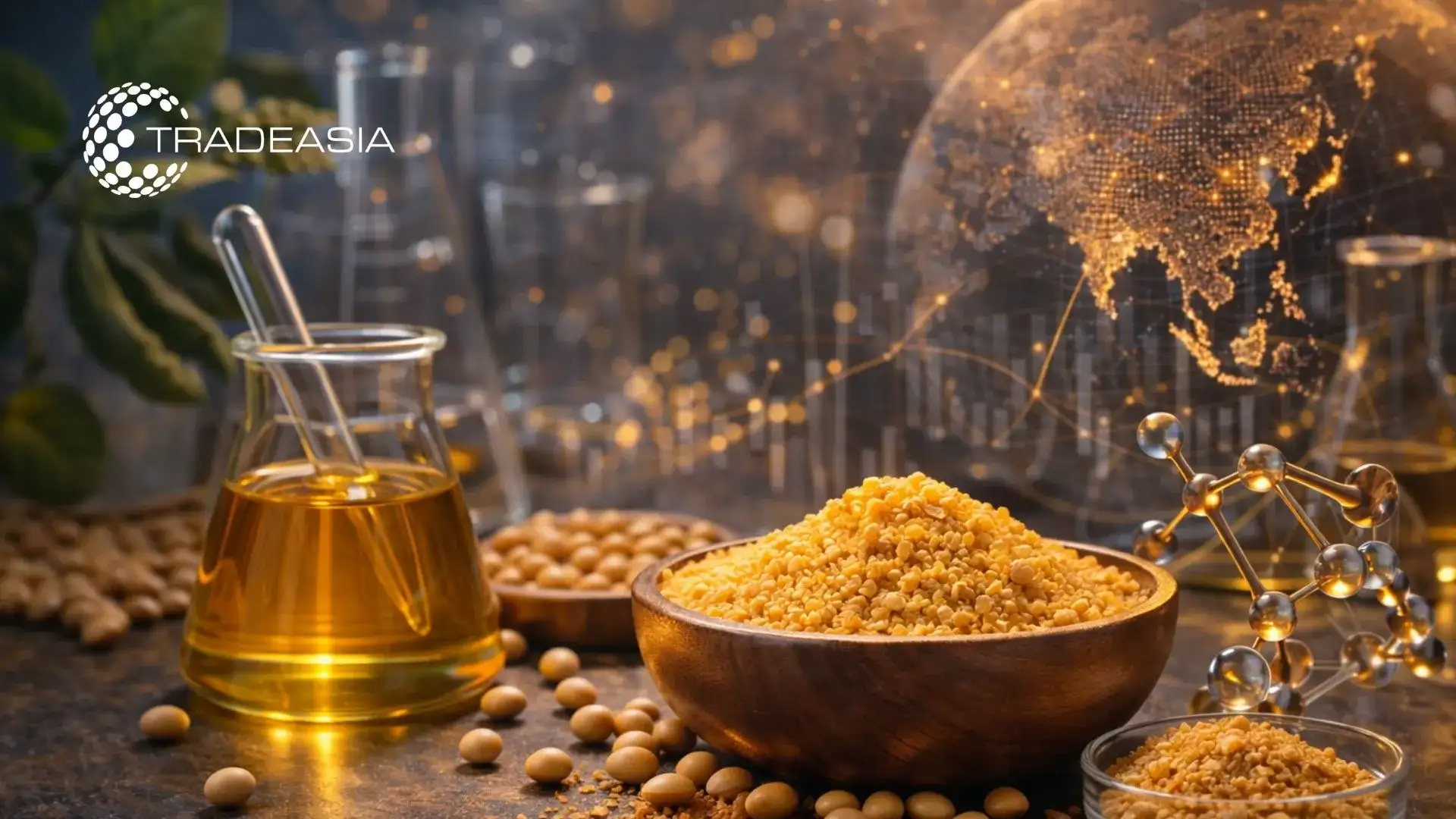
Soya Lecithin is a complex mixture of phospholipids, glycolipids, triglycerides, and other minor components extracted during the refining process of soybean oil. It is a natural emulsifier, meaning it has the unique ability to bind water and oil together—two substances that would otherwise separate. This property is its primary claim to fame, but its functionality extends far beyond simple mixing. Chemically, the key active components are phosphatidylcholine, phosphatidylethanolamine, and phosphatidylinositol, each contributing to its emulsifying, wetting, and release properties.
Commercially, Soya Lecithin is available in several forms to suit different industrial applications. Liquid lecithin is a viscous, honey-like substance, often used in confectionery, margarine, and instantizing applications. De-oiled lecithin powder or granules offer a higher concentration of phospholipids, reduced odor, and better handling properties, making them ideal for baked goods, nutritional supplements, and dry mix products. Further refined versions, like fluidized lecithin or enriched fractions (high in phosphatidylcholine), cater to specialized pharmaceutical and high-end nutritional uses. This adaptability in form factor is a key reason for its widespread adoption across diverse sectors.
Key Applications of Soya Lecithin in the Food Industry
The application portfolio of Soya Lecithin is remarkably broad, touching nearly every segment of the food and beverage industry. In confectionery, particularly chocolate and compound coatings, it is indispensable. It reduces viscosity during processing (saving costly cocoa butter), ensures a smooth mouthfeel, prevents fat bloom, and aids in mold release. Usage levels are typically between 0.1% to 0.5%, demonstrating its high efficacy. In baked goods, lecithin acts as a dough conditioner and strengthening agent. It improves machinability, increases volume, creates a finer crumb structure, and acts as an anti-staling agent, thereby extending shelf life.
Another major application is in instant foods and powdered products. Here, lecithin's wetting properties are crucial. It allows powders like milk replacers, drink mixes, and cocoa powders to dissolve instantly in water without forming lumps. In margarines, spreads, and dressings, it stabilizes the water-in-oil or oil-in-water emulsions, preventing separation and ensuring a consistent texture. Furthermore, in nutritional and health products, lecithin is valued not just as an emulsifier but as a source of choline and phospholipids, supporting brain health and liver function, leading to its inclusion in supplements and functional foods.
Benefits and Functional Properties of Lecithin
The dominance of Soya Lecithin in formulations is driven by a suite of powerful functional benefits. Its primary function, emulsification, creates stable, homogeneous mixtures, enhancing product consistency and consumer appeal. The release agent property is vital in industrial baking and food processing, where it prevents sticking to pans, belts, and molds, improving production efficiency and reducing waste. As a wetting and dispersing agent, it ensures even distribution of ingredients in both liquid and dry systems, which is critical for product performance and quality control.
Beyond processing aids, lecithin offers significant quality and shelf-life benefits. It can act as an antioxidant synergist, enhancing the effectiveness of other preservatives and protecting fats from rancidity. In starch-containing systems, it complexes with amylose to slow retrogradation, directly combating staling in bread and other baked items. From a marketing perspective, its status as a natural, plant-based ingredient (often non-GMO certified) aligns perfectly with current consumer demand for clean labels, allowing brands to simplify ingredient lists while maintaining functionality, a powerful competitive advantage.
The Global Market for Soya Lecithin: Trends and Insights
The global Soya Lecithin market is a dynamic and growing sector, valued at over USD 1.5 billion and projected to continue expanding at a steady CAGR. This growth is fueled by rising demand from the food and beverage industry, particularly in emerging economies with expanding processed food sectors, and the increasing popularity of convenience foods and functional nutrition products. Asia-Pacific, led by China and India, is both a major producer and a rapidly growing consumer market, influencing global supply chains and pricing dynamics.
Key trends shaping the market include the rising demand for non-GMO and organic lecithin, driven by stringent regulations in Europe and consumer preferences in North America. There is also a notable shift towards highly purified and fractionated lecithin products for pharmaceutical and premium nutraceutical applications, which command higher price points. However, the market faces challenges such as volatility in soybean crop yields and prices, competition from alternative lecithin sources (like sunflower lecithin, favored for allergen-free claims), and the need for consistent quality across large-scale production batches. Understanding these trends is essential for buyers to make informed, forward-looking procurement decisions.
A Buyer's Guide: Sourcing High-Quality Soya Lecithin
For global buyers, sourcing Soya Lecithin requires careful evaluation of several critical factors. First and foremost is specification and quality. Buyers must define their needs based on: Acetone Insolubles (AI) percentage (indicating phospholipid content), hexane residue, peroxide value, color, and viscosity. Certifications such as Non-GMO Project Verified, Organic, Kosher, Halal, and FSSC 22000 are increasingly important for market access and brand integrity. The form liquid, powder, or granule must match the production process and final application.
Choosing the right supplier is equally crucial. A reliable supplier, such as chemtradeasia, offers more than just a product; they provide supply chain security, consistent quality backed by Certificates of Analysis (CoA), and technical support. Buyers should assess a supplier's manufacturing capabilities, auditing standards, logistical network, and ability to provide tailored solutions. For international buyers, considerations around incoterms, packaging (drums, totes, or bulk), lead times, and regulatory compliance (e.g., FDA, EFSA) are paramount. Establishing a partnership with a knowledgeable and transparent supplier mitigates risk and ensures a steady flow of ingredient that meets precise formulation requirements.
Conclusion
Soya Lecithin stands as a testament to the power of natural ingredients in solving complex industrial challenges. Its unparalleled functionality as an emulsifier, release agent, and stabilizer makes it irreplaceable in vast segments of the global food industry. As market trends continue to evolve towards clean labels, functional foods, and sustainable sourcing, the role of informed buyers and robust supply partnerships becomes ever more critical. By understanding the technical specifications, applications, and market forces at play, procurement professionals can secure not just an ingredient, but a key component for product success and innovation.
Navigating this landscape successfully demands a strategic approach to sourcing, prioritizing suppliers who demonstrate reliability, quality assurance, and a deep understanding of both the product and the end-use applications. In doing so, manufacturers can leverage the full potential of Soya Lecithin to create superior, stable, and market-responsive products that meet the demands of today's discerning global consumer. For reliable supply, detailed specifications, and tailored sourcing solutions for high-quality Soya Lecithin, contact our team today and strengthen your global procurement strategy
Disclaimer: This article is for informational and market insight purposes only. It is not intended as technical, safety, or professional advice. The information presented, including market data and application examples, should be independently verified. For specific applications, formulations, or safety handling, we strongly advise consulting with qualified experts, reviewing official product documentation such as Safety Data Sheets (SDS), or contacting our technical team for precise guidance tailored to your needs.