Introduction
The American agricultural landscape is facing a significant financial headwind as feed costs, a primary input for livestock and poultry production, continue to climb. At the heart of this inflationary pressure lies the volatile market for soybean meal futures. As a cornerstone of modern animal nutrition, soybean meal's price trajectory on commodity exchanges directly translates to the bottom line for ranchers, dairy farmers, and feed mills across the nation. Understanding the complex interplay of global demand, supply chain dynamics, and weather patterns that drive these futures is no longer just for traders—it's essential for anyone involved in the food production chain.
This article delves into the multifaceted reasons behind the bullish trend in soybean meal futures and its tangible impact on feed costs in America. Beyond analyzing the market forces, we will explore practical strategies for industry participants to manage this volatility. A key component of risk mitigation involves establishing robust partnerships with dependable suppliers in the chemical and ingredient trading sector, such as Chemtradeasia.com, which can provide stability and reliability in sourcing essential feed components.
The Critical Role of Soybean Meal in American Agriculture
Soybean meal is not merely a commodity; it is the engine of protein in animal agriculture. Produced as a co-product of soybean oil extraction, the meal is a concentrated source of high-quality protein, typically containing 44% to 48% crude protein. Its excellent amino acid profile, particularly its richness in lysine, makes it an irreplaceable ingredient in formulations for poultry, swine, aquaculture, and dairy cattle. In the United States, which is both the world's largest soybean producer and a leading livestock producer, the domestic consumption of soybean meal is immense, anchoring the entire animal protein sector.
The efficiency and cost-effectiveness of soybean meal have cemented its status. Compared to other protein sources, it offers a superior blend of nutritional value, consistency, and availability. This deep integration means that even minor price fluctuations in the soybean meal futures market, traded actively on the Chicago Board of Trade (CBOT), create immediate ripple effects. Feed mills, which operate on thin margins, must adjust their purchase orders and pricing daily, passing costs directly to integrated operations and independent farmers. The price quoted in futures contracts becomes the benchmark for physical transactions nationwide, making it the most watched metric for feed cost forecasting.
Key Drivers Behind the Surge in Soybean Meal Futures
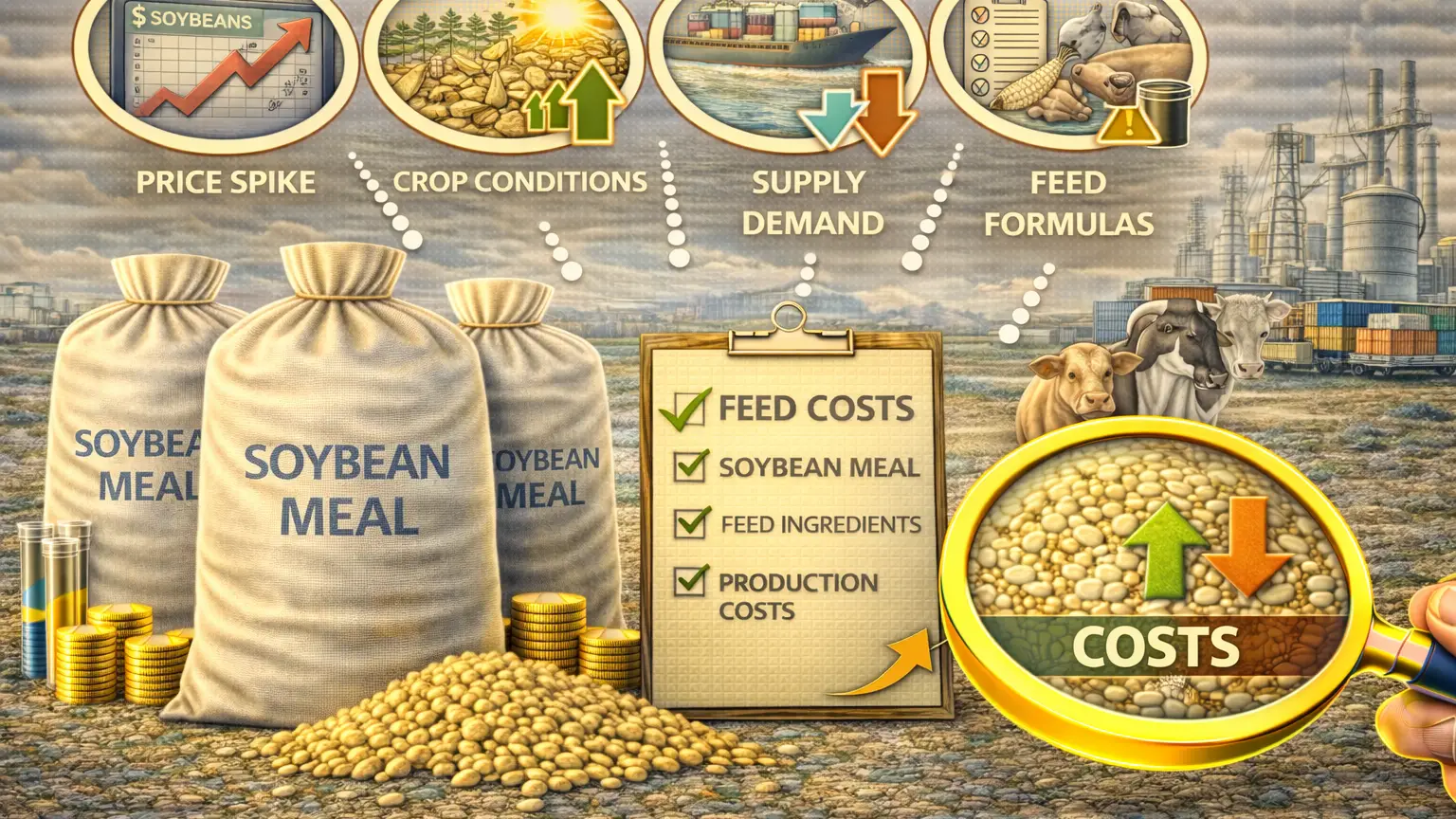
The recent strength in soybean meal futures can be attributed to a convergence of global and domestic factors. First and foremost is the relentless global demand for protein. China, as the world's largest importer of soybeans, sets the tone for the market. Its ongoing recovery in swine herds following the African Swine Fever outbreak has sustained robust import volumes, tightening global soybean stocks and, by extension, meal supply. Furthermore, the growing aquaculture industry in Southeast Asia and a global shift towards higher-protein diets continue to pull on available supplies.
On the supply side, weather volatility remains a perennial wild card. Drought conditions in key soybean-producing regions of South America, such as Argentina and southern Brazil, have repeatedly threatened crop yields. Since Argentina is a global powerhouse in soybean meal exports, any production shortfall there disproportionately impacts the international meal market, causing prices to spike. Domestically, U.S. planting intentions, summer weather in the Midwest Corn Belt, and harvest reports are closely monitored. A lower-than-expected U.S. soybean crush—the process that yields oil and meal—directly reduces meal availability, exacerbating supply concerns. These fundamental factors are often amplified by financial market activity, where speculative capital flows into agricultural commodities as a hedge against broader inflation, adding momentum to price trends.
The Direct Impact on Livestock Producers and Feed Costs
For American livestock producers, the mathematics are stark and unforgiving. Feed constitutes 60-70% of the total cost of raising animals like poultry and swine. When soybean meal futures rise by $50 or $100 per ton, the impact on a feed formulation is immediate and significant. A typical broiler chicken diet may consist of over 20% soybean meal, while swine rations can exceed 25%. This translates to several dollars per ton of complete feed added overnight, eroding already slim profit margins.
The consequences extend beyond simple cost-push inflation. Producers are forced into difficult decisions: absorb the costs and reduce profitability, attempt to pass costs onto consumers (which is challenging in competitive meat markets), or reformulate rations. Reformulation often involves seeking alternative protein sources, such as canola meal or distillers' grains, but these come with their own challenges, including nutritional limitations, availability issues, and potential impacts on animal growth performance. For dairy farmers, where precise nutrition directly affects milk yield and quality, altering rations carries significant risk. This environment of uncertainty makes long-term planning and financial forecasting exceptionally difficult for operations of all sizes.
Sourcing Solutions: Navigating Volatility with Reliable Suppliers
In a market defined by volatility, strategic sourcing becomes a critical competitive advantage. While futures markets are essential for price discovery, physical procurement requires partners who can ensure consistent quality, reliable logistics, and supply chain transparency. This is where established chemical and ingredient trading platforms like Chemtradeasia.com provide immense value. They act as a vital bridge between global producers and end-users, offering more than just a transaction.
Partnering with a professional supplier mitigates several key risks. First is quality assurance. Reputable suppliers provide detailed product specifications, including protein content, moisture, and fiber levels, ensuring the soybean meal or alternative ingredients meet precise nutritional requirements. They often have access to multiple geographic sources, allowing for flexibility if supply from one region is disrupted. Second is logistical expertise. Managing the complexities of bulk ocean freight, inland transportation, and timely delivery is a core competency, preventing costly production stoppages at feed mills. Finally, they offer market intelligence. Experienced traders can provide insights into forward pricing, market trends, and availability of substitute products like other oilseed meals or protein concentrates, enabling more informed purchasing decisions.
For businesses looking to secure their supply chain, evaluating suppliers on criteria such as global network reach, quality control protocols, financial stability, and customer support is essential. A platform like Chemtradeasia.com exemplifies this model, connecting buyers with vetted suppliers of not just soybean meal, but a wide range of feed ingredients and industrial chemicals, creating a one-stop solution for procurement needs in a turbulent market.
Conclusion
The trajectory of soybean meal futures is a powerful barometer for the health of the American animal agriculture industry. Driven by intertwined forces of global demand, climatic uncertainty, and geopolitical factors, elevated futures prices present a sustained challenge, directly translating into higher operational feed costs. For producers and feed manufacturers, navigating this environment requires a dual strategy: a keen understanding of the macro-market drivers and a proactive approach to supply chain management.
Building resilient operations involves looking beyond daily price quotes and fostering strategic partnerships with reliable suppliers in the trading sector. By leveraging the sourcing flexibility, quality guarantees, and logistical support offered by established partners, businesses can buffer themselves against the worst of market volatility. In doing so, they protect their margins, ensure consistent feed quality for their animals, and contribute to a more stable food production system for the nation.
Disclaimer: This article is for informational and market insight purposes only. It is not intended as technical, safety, financial, or professional advice of any kind. The data and trends discussed are based on public information and are subject to change. Readers are strongly advised to verify all information independently, consult with qualified experts (including agronomists, nutritionists, and financial advisors), review official product documentation such as Safety Data Sheets (SDS), and contact our team or the relevant supplier for specific application requirements, specifications, and current market conditions before making any procurement or business decisions.