Introduction
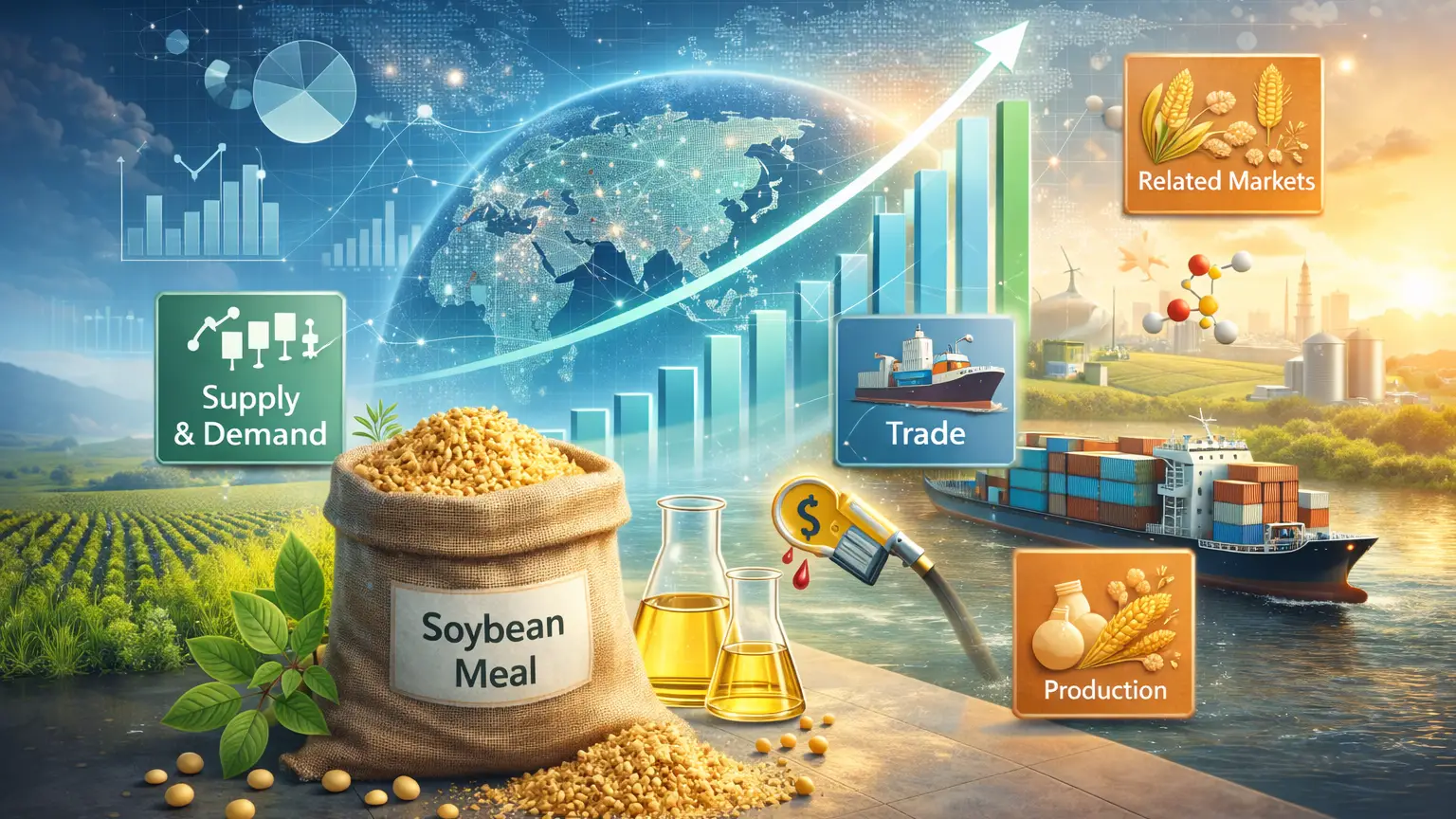
The global commodities market is a complex and interconnected web, where price fluctuations in one region can send ripples across industries worldwide. For American agribusinesses, chemical manufacturers, and feed producers, understanding key benchmarks like the Soybean Meal Price Index in Asia is no longer optional—it's a strategic imperative. Asia, as the world's largest consumer of feed proteins, sets influential price signals that affect global trade flows, cost structures, and competitive dynamics. Simultaneously, securing reliable, high-quality industrial inputs like Gum Turpentine Oil is crucial for manufacturing sectors ranging from fragrances to paints.
This article delves into the critical function of Asia's Soybean Meal Price Index, explaining its formation and profound implications for American market participants. Furthermore, it highlights the parallel importance of stable supply chains for specialty chemicals, using Gum Turpentine Oil as a prime example. In today's digital age, platforms such as Chemtradeasia.com have become indispensable tools for navigating these complex markets, offering transparency, efficiency, and reliability in sourcing essential commodities and chemicals.
The Mechanics of the Soybean Meal Price Index in Asia
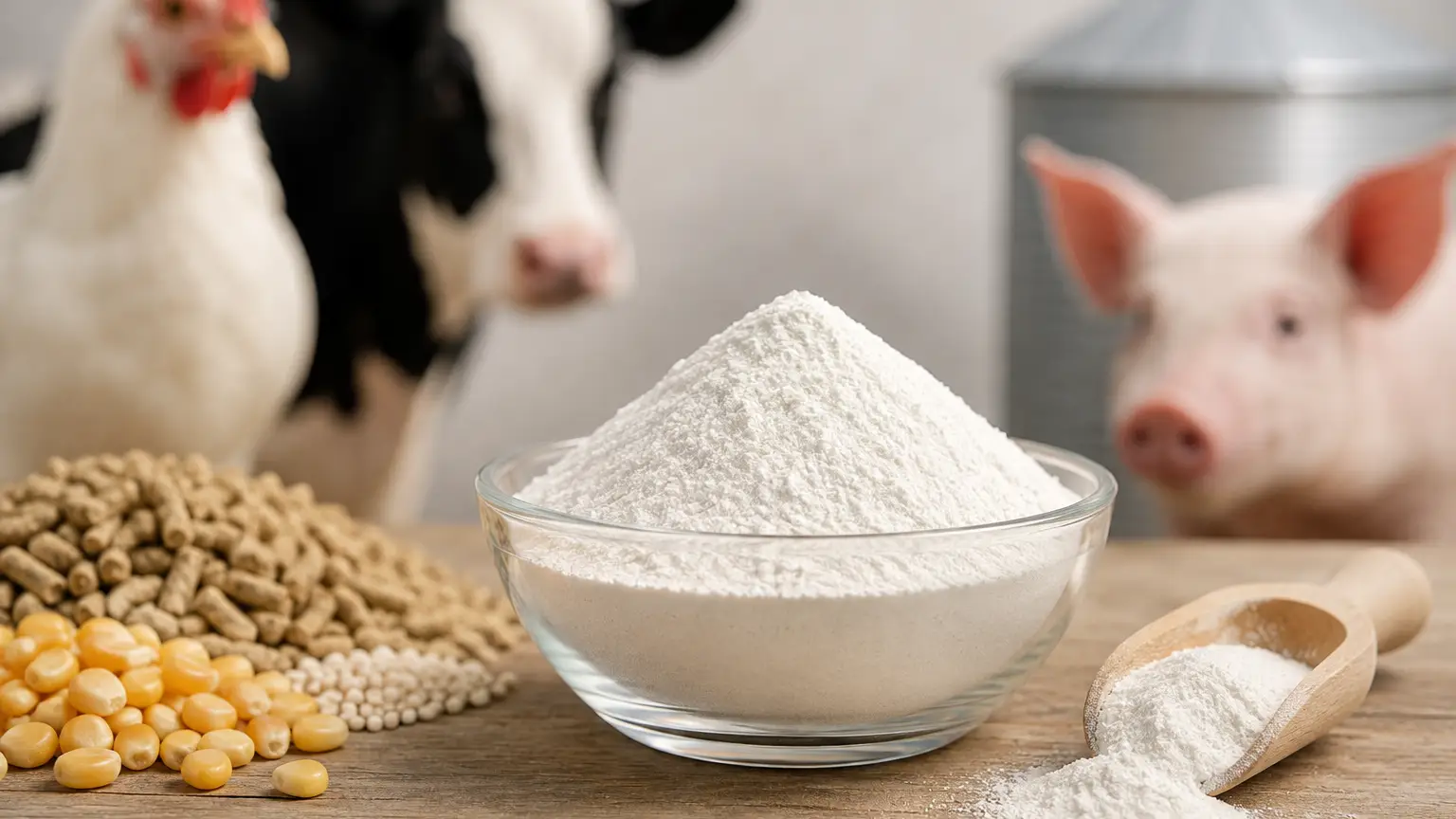
The Soybean Meal Price Index in Asia is not a single, monolithic number but a composite benchmark that reflects the prevailing cost of soybean meal delivered to major consumption hubs in the region, such as China, Southeast Asia, and Japan. It is typically calculated and published by major commodity price reporting agencies (like S&P Global Platts or AgriCensus) and exchanges. This index aggregates data from physical trades, bids, offers, and assessments from key ports and trading centers. It primarily references soybean meal with a protein content of 44% or 48%, which is the standard for animal feed formulation.
The index's value is influenced by a confluence of local and global factors. Domestically, Asian swine and poultry herd sizes, government stockpiling policies, and seasonal demand cycles play a direct role. On the global stage, the index is acutely sensitive to the cost and availability of raw soybeans from major producers like the United States, Brazil, and Argentina. Weather events in these producing nations, shipping freight rates, currency exchange rates (particularly USD/CNY), and geopolitical trade policies (such as tariffs) are all priced into the benchmark. For instance, a drought in Brazil directly lifts the index, while strong Chinese import demand can sustain elevated levels.
Understanding this mechanism is vital. The index serves as the primary reference point for physical contract pricing, futures market hedging, and long-term supply agreements. It provides a transparent, market-driven price that reduces ambiguity and facilitates trade across borders. For an American exporter, quoting a price "at a premium of $X over the Asia SBM Index" is a common and understood practice, linking their offer directly to the destination market's reality.
Why the Soybean Meal Index Matters to American Businesses
For American agribusinesses, particularly soybean crushers and meal exporters, the Asia Soybean Meal Price Index is the ultimate barometer of export competitiveness and profitability. When the index is strong relative to U.S. domestic prices, it opens lucrative arbitrage opportunities, making U.S.-origin meal attractive in Asian markets. This directly supports farm-gate prices for soybeans in the U.S. heartland and drives export volumes. Conversely, a weak Asian index can signal oversupply or weak demand, forcing American sellers to compete more aggressively on price or seek alternative markets.
Beyond direct trade, the index is a critical risk management tool. American feed manufacturers and integrated livestock producers use it to gauge global protein cost trends. A sustained rise in the Asian index can indicate tightening global supply, which may eventually translate to higher domestic feed input costs in the U.S. This foresight allows for proactive procurement strategies and financial hedging. Furthermore, for American investors and analysts in the agricultural sector, the index provides essential data for modeling company earnings, assessing market sentiment, and predicting future commodity price movements.
The index's importance was starkly highlighted during the U.S.-China trade disputes. Tariffs disrupted traditional trade flows, causing volatility in the index as Chinese buyers shifted to Brazilian supplies. American exporters had to navigate this new landscape, often selling at a discount to the index to regain market share. This historical episode underscores that the index is not just a number but a real-time reflection of geopolitical and economic forces that American businesses must monitor closely to protect their interests and identify new opportunities.
Gum Turpentine Oil: A Versatile Industrial Product
While agricultural commodities dominate headlines, the smooth operation of countless American manufacturing processes relies on a steady supply of specialized industrial chemicals. Gum Turpentine Oil, a natural essential oil obtained from the distillation of pine resin, is one such critical product. It is a complex mixture of terpene hydrocarbons, primarily alpha-pinene and beta-pinene, which give it unique solvent and chemical properties. Unlike wood turpentine, gum turpentine is valued for its higher purity and specific aromatic profile, making it suitable for more demanding applications.
The applications of Gum Turpentine Oil are remarkably diverse. In the chemical industry, it serves as a vital bio-based solvent for paints, varnishes, and waxes, prized for its ability to dissolve resins and its pleasant odor. It is a key starting material (feedstock) in the synthesis of aroma chemicals, synthetic pine oil, camphor, and terpene resins. In the fragrance and flavor sector, it is used directly or as a derivative to impart fresh, pine-like notes. Furthermore, it finds use in pharmaceutical manufacturing and as a cleaning agent for specialized equipment.
For American manufacturers, the specifications of Gum Turpentine Oil are paramount. Key parameters include pinene content (often 85-95%), optical rotation, color, and specific gravity. Consistency in these specs ensures predictable performance in end products. Sourcing this product presents challenges: supply is tied to the forestry industry, often in specific regions like Southeast Asia, parts of the US, and Europe. Quality can vary based on the pine species and distillation process. Therefore, partnering with a reliable supplier who can guarantee consistent quality, stable volumes, and transparent documentation (like Certificates of Analysis and MSDS) is not a convenience but a necessity for maintaining production quality and efficiency.
Navigating Supply Chains with Digital Platforms like Chemtradeasia.com
In the face of global market complexity and supply chain fragility, digital B2B marketplaces have emerged as powerful solutions for sourcing both bulk commodities and specialty chemicals. A platform like Chemtradeasia.com exemplifies this shift, acting as a centralized hub that connects buyers with vetted suppliers worldwide. For an American business seeking to monitor the Soybean Meal Price Index or procure Gum Turpentine Oil, such platforms offer unprecedented advantages in transparency, efficiency, and risk reduction.
These platforms demystify the sourcing process. Instead of relying on a fragmented network of brokers, buyers can access real-time market intelligence, view supplier profiles and certifications, compare offers, and assess historical price trends—all in one interface. For a product like Gum Turpentine Oil, a buyer can filter suppliers based on specific country of origin, technical specifications, and packaging requirements. This reduces the time spent on supplier qualification and minimizes the risk of engaging with non-compliant or unreliable partners.
The value extends beyond simple transaction facilitation. Reputable platforms often provide logistical support, quality inspection services, and trade finance options, creating an end-to-end solution. For American companies, this means they can confidently diversify their supply sources, hedge against regional disruptions, and ensure a consistent flow of essential inputs. Whether reacting to a spike in the Soybean Meal Index by finding new buyers or securing a hard-to-find grade of turpentine oil for a specialty formulation, digital trading platforms like Chemtradeasia.com provide the agility and data-driven insight needed to compete in today's fast-paced global market.
Conclusion
The Soybean Meal Price Index in Asia stands as a critical compass for American agribusiness, guiding export strategy, informing risk management, and signaling global demand shifts. Its movements encapsulate a world of factors, from Brazilian weather to Chinese policy. In parallel, the reliable procurement of industrial workhorses like Gum Turpentine Oil remains a cornerstone of manufacturing success, requiring attention to detail and supply chain resilience. Mastering the understanding of one and the sourcing of the other is key to operational and financial stability.
The digital transformation of commodity trading, embodied by platforms such as Chemtradeasia.com, provides the essential tools to navigate this landscape. By offering transparency, efficiency, and access to a global network, these platforms empower American businesses to make informed decisions, secure optimal pricing, and build robust, diversified supply chains. In an era defined by volatility, leveraging such market intelligence and digital tools is not merely an advantage—it is a fundamental requirement for sustainable growth and competitiveness in the global arena.
Disclaimer: This article is for informational and market insight purposes only. It is not intended as technical, safety, financial, or professional advice of any kind. The data, trends, and product descriptions mentioned are based on general market knowledge and should be independently verified. For specific applications, handling, or procurement decisions related to Soybean Meal, Gum Turpentine Oil, or any other chemical product, readers must consult directly with qualified experts, refer to official technical documentation and Safety Data Sheets (SDS/MSDS), and conduct their own thorough due diligence. Always contact our team or the relevant supplier for precise, application-specific information.