Introduction Soybean Meal
Asia has become the epicenter of global demand for soybean meal, driven by rapid growth in livestock, aquaculture, and food processing industries. As incomes rise and dietary patterns shift toward higher protein consumption, the need for high-quality feed ingredients has intensified. In this context, the efficiency, resilience, and transparency of the soybean meal supply chain are critical to ensuring food security and cost-effective production across the region.
Unlike many agricultural commodities, soybean meal sits at the intersection of agriculture, food, and chemical value chains. It is primarily known as a high-protein animal feed ingredient, but its derivatives and by-products also support various industrial and chemical applications. This dual role makes supply chain coordination more complex, requiring robust sourcing, quality control, logistics, and risk management. Trading and distribution partners such as chemtradeasia play a central role in bridging producers, processors, and end users across multiple Asian markets.
This article examines the structure and dynamics of the soybean meal supply chain in Asia, outlines key product specifications and applications, and highlights how integrated trading platforms like chemtradeasia support buyers and suppliers. It also explores emerging trends, including sustainability, traceability, and price volatility, which are reshaping how companies plan and manage their soybean meal procurement strategies.
Global and Asian Market Overview for Soybean Meal
Soybean meal is predominantly produced as a by-product of soybean oil extraction, and its global supply is closely tied to the crushing industry. According to recent industry data, the world produces well over 250 million metric tons of soybean meal annually, with the largest producers being the United States, Brazil, Argentina, and China. However, much of Asia, especially Southeast and South Asia, remains structurally dependent on imports due to limited domestic soybean cultivation and crushing capacity.
China is by far the largest consumer of soybean meal in Asia, driven by its massive poultry, swine, and aquaculture sectors. Other key importers include Vietnam, Thailand, Indonesia, Malaysia, South Korea, Bangladesh, and India (which is both a producer and importer depending on domestic crop conditions and policy). These markets collectively account for a significant share of global trade flows, making Asia the primary destination for soybean meal shipments from South America and North America.
Demand growth in Asia is expected to continue, although at varying rates across countries. Factors influencing demand include livestock herd expansion, disease outbreaks (such as African swine fever), shifts toward more intensive farming systems, and government policies on feed ingredient imports and tariffs. At the same time, volatility in freight costs, currency movements, and weather-related crop risks in exporting countries can significantly impact landed prices. For buyers, working with experienced trading partners like chemtradeasia helps navigate these complexities, secure competitive pricing, and ensure timely deliveries.
Supply Chain Structure: From Soybean to Soybean Meal
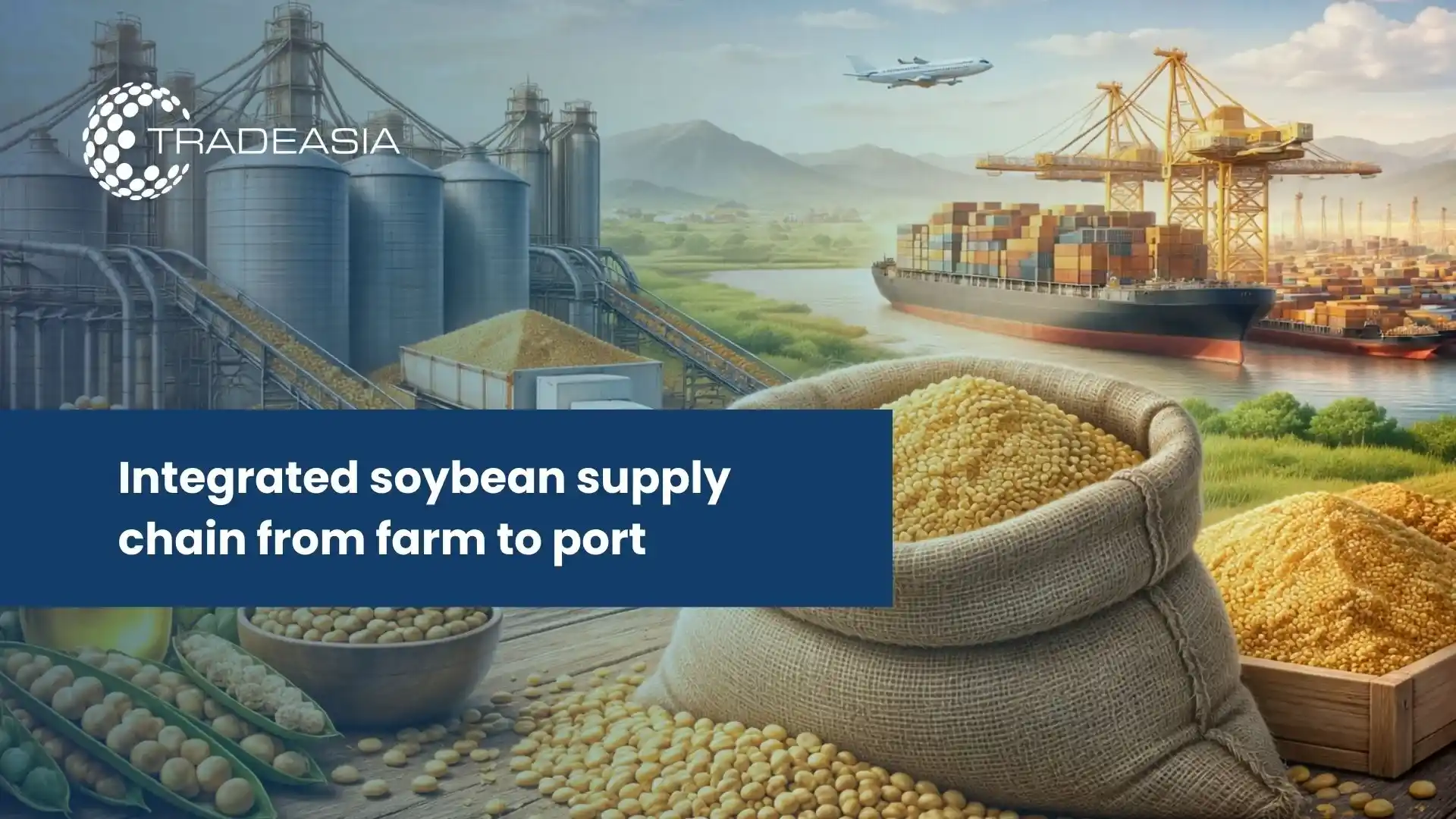
The soybean meal supply chain begins with soybean cultivation, primarily in major exporting regions such as Brazil, the United States, and Argentina. Soybeans are harvested, stored, and transported to crushing facilities where they are processed into crude soybean oil and soybean meal. The crushing process involves cleaning, dehulling, flaking, solvent extraction (commonly using hexane), and toasting, which inactivates anti-nutritional factors and improves digestibility for animals.
Once produced, soybean meal is typically classified by protein content and other quality parameters, then stored in silos or warehouses before being loaded onto bulk vessels. It is shipped in large volumes to Asian ports such as Shanghai, Qingdao, Ho Chi Minh City, Bangkok, Jakarta, and others. From there, it is discharged into local storage facilities and redistributed via trucks or barges to feed mills, integrators, and industrial users. Throughout this journey, careful handling is required to prevent moisture ingress, contamination, and quality degradation.
In Asia, the downstream segment of the supply chain is highly fragmented in some markets and consolidated in others. Large integrated feed and livestock companies often import directly, while smaller feed mills and distributors rely on trading houses and distributors. Companies like chemtradeasia connect these diverse stakeholders by aggregating demand, offering flexible shipment sizes, and coordinating logistics across borders. Their expertise in documentation, customs clearance, and local regulatory compliance ensures that soybean meal moves efficiently from origin to final user, reducing delays and minimizing operational risk.
Product Profile: Soybean Meal Specifications, Grades, and Applications
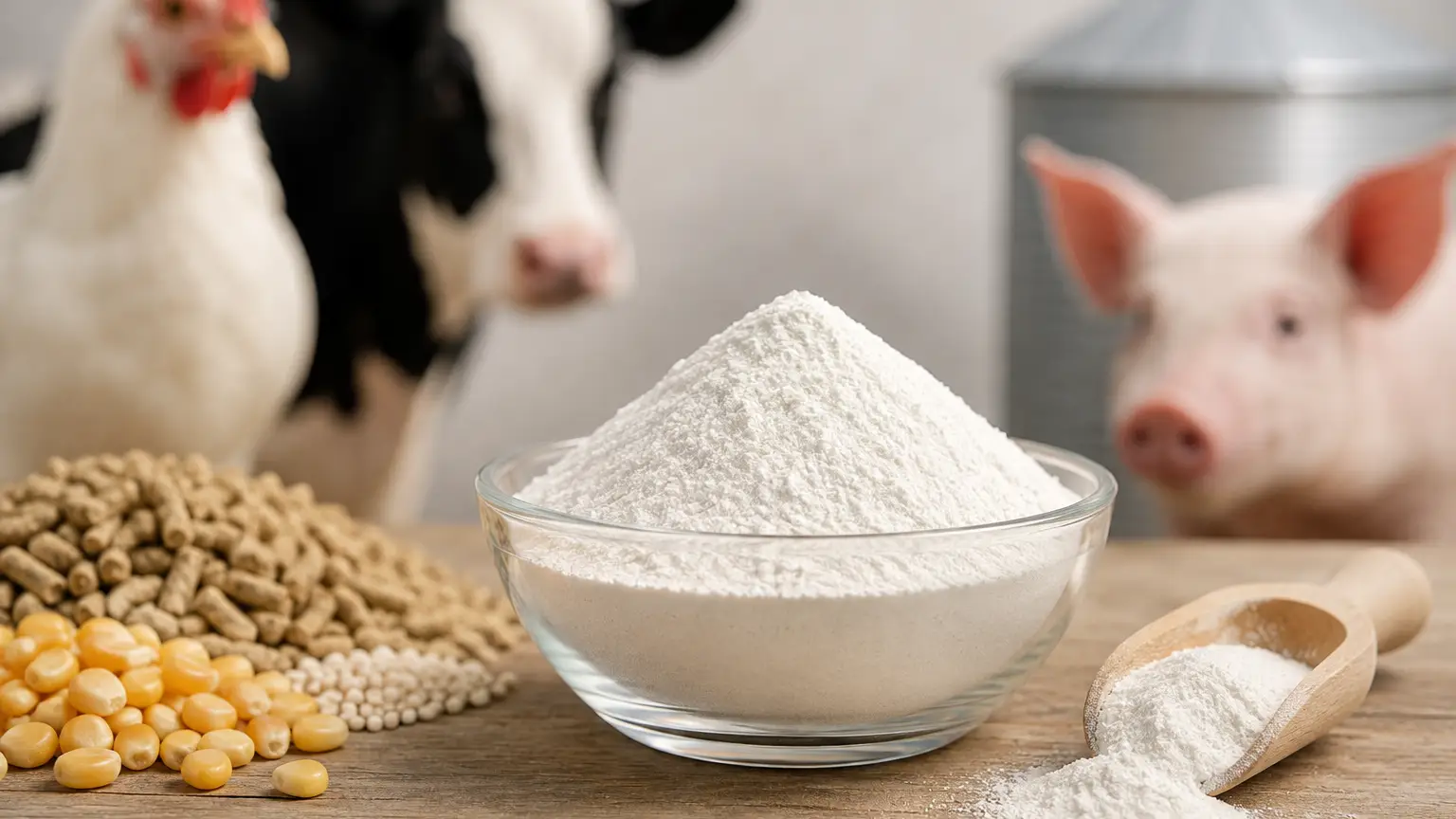
Soybean meal is valued primarily for its high protein content, balanced amino acid profile, and good digestibility. Standard feed-grade soybean meal typically contains around 44% to 48% crude protein on an as-fed basis, with low fat content (generally 1–3% after oil extraction) and moderate levels of fiber. Key quality parameters monitored by buyers include crude protein, moisture (usually kept below 12%), crude fiber, crude fat, ash, and the presence of anti-nutritional factors such as trypsin inhibitors and urease activity.
There are several common grades and types of soybean meal used in Asia. The most widely traded is solvent-extracted soybean meal, available as 44% protein (often with higher fiber) and 48% protein (dehulled, lower fiber) variants. Some markets also use full-fat soybean meal or roasted soybeans, but these are more specialized. For aquaculture and high-performance poultry feeds, buyers often prefer higher-protein, lower-fiber meal with consistent particle size and color. In certain applications, non-GMO or identity-preserved soybean meal is required, especially for premium food and specialty feed segments.
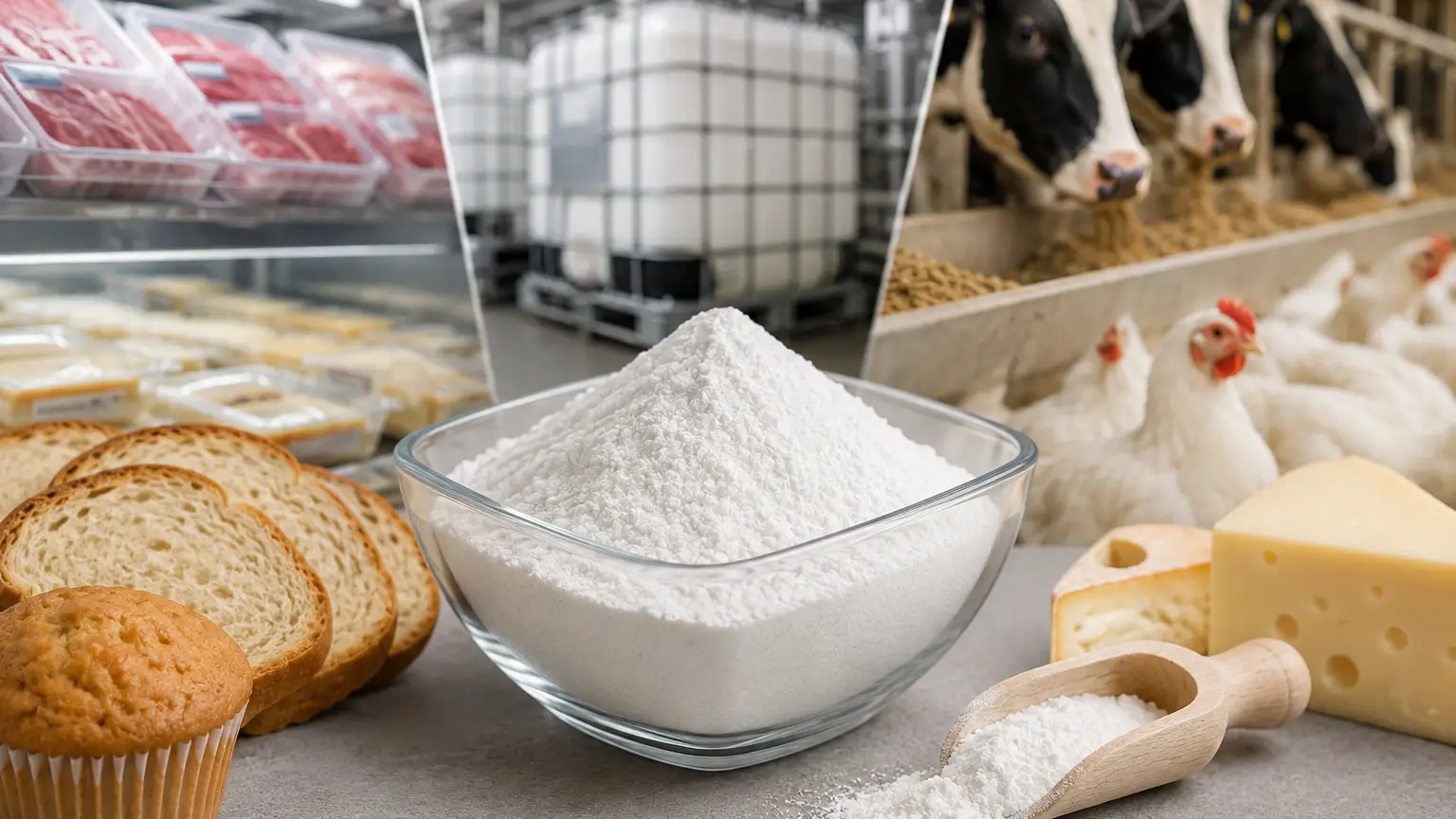
While animal feed remains the dominant application, soybean meal and its derivatives intersect with the broader chemical and industrial sectors. Soy protein concentrates and isolates, derived from soybean meal, are used in food formulations, adhesives, paper coatings, and certain biodegradable materials. In some cases, feed-grade soybean meal is also used as an organic nitrogen source in fermentation processes or as a raw material in bio-based products. Distributors such as chemtradeasia support both traditional feed customers and industrial users by offering documentation, technical specifications, and, where relevant, links to related chemical products handled within their broader portfolio.
Role of chemtradeasia in the Soybean Meal Supply Chain
chemtradeasia operates as a specialized trading and distribution platform connecting global producers of soybean meal and related commodities with buyers across Asia. By leveraging a wide supplier network in key origin countries and established logistics channels into major Asian ports, chemtradeasia helps ensure that customers have access to consistent, competitively priced supply. This is particularly important in markets where domestic production is insufficient or where seasonal factors and policy shifts can disrupt local availability.
One of the key values that chemtradeasia brings to the soybean meal market is its focus on quality assurance and documentation. The company works with suppliers that adhere to recognized industry standards and provides detailed product specifications, certificates of analysis, and, where applicable, documentation related to non-GMO status or sustainability certifications. For industrial and chemical-sector customers, chemtradeasia can also coordinate access to technical data sheets and safety-related information for processed soy derivatives, aligning with the expectations of professional buyers.
From a logistics perspective, chemtradeasia offers flexible shipment options ranging from full vessel or container loads for large feed integrators to smaller consignments suitable for regional feed mills and distributors. The company’s knowledge of local regulations, import requirements, and port operations across multiple Asian countries helps reduce administrative burdens for buyers. By integrating soybean meal into a broader portfolio of chemical and agri-related products, chemtradeasia allows customers to consolidate sourcing, optimize freight, and streamline procurement processes across multiple raw materials.
Risk Management, Sustainability, and Future Trends
The soybean meal supply chain is exposed to a range of risks, including climate-related yield variability in producing countries, geopolitical tensions, freight market volatility, and currency fluctuations. For Asian buyers, these risks can translate into sharp swings in landed costs and occasional supply disruptions. Effective risk management strategies may include diversifying origins, using forward contracts or hedging instruments, and working with trading partners who can provide timely market intelligence and alternative sourcing options when needed.
Sustainability and traceability are becoming increasingly important in the soybean complex. Concerns about deforestation, land-use change, and greenhouse gas emissions in major producing regions have led to greater scrutiny from regulators, downstream food companies, and consumers. Many global brands now seek to source soybean meal that meets specific sustainability standards or that is traceable back to responsible suppliers. Trading firms such as chemtradeasia can support these efforts by aligning with certified producers, providing documentation, and adapting supply chains to meet evolving sustainability criteria.
Looking ahead, several trends are likely to shape the soybean meal landscape in Asia. Continued growth in poultry and aquaculture will sustain demand, but there may also be gradual diversification into alternative proteins such as canola meal, sunflower meal, and insect-based ingredients. Technological improvements in feed formulation, enzyme use, and precision nutrition may optimize inclusion rates and reduce waste. Digitalization of trade, including online platforms, electronic documentation, and real-time shipment tracking, will enhance transparency and efficiency. In this environment, companies that combine market knowledge, digital tools, and robust supplier networks such as chemtradeasia will be well positioned to support buyers navigating these changes.
Conclusion
The soybean meal supply chain in Asia is both dynamic and complex, reflecting the region’s central role in global protein consumption and livestock production. From upstream soybean cultivation in the Americas to crushing, shipping, and final distribution into Asian feed mills and industrial plants, each stage requires careful coordination and risk management. Quality parameters such as protein content, moisture, and fiber are critical to end-use performance, while logistics and regulatory compliance shape the reliability and cost-effectiveness of supply.
As demand continues to grow and sustainability, traceability, and price volatility gain prominence, market participants are increasingly relying on specialized trading partners to navigate the landscape. chemtradeasia contributes to this ecosystem by connecting reputable producers with diverse buyers, providing product documentation and market insights, and offering flexible logistics solutions tailored to different scales of operation. For feed manufacturers, integrators, and industrial users across Asia, a well-managed relationship with such partners can be a key differentiator in securing stable, high-quality soybean meal supplies. For reliable soybean meal sourcing, competitive pricing, and integrated logistics support across Asia, contact Chemtradeasia to discuss your specific procurement and supply chain requirements.
This article is intended solely for informational and market insight purposes and does not constitute technical, safety, nutritional, legal, or other professional advice. Readers should independently verify any data or specifications with qualified experts, consult official documentation such as MSDS/SDS and relevant standards, and contact appropriate professionals or our team before making decisions or using soybean meal in specific applications.