
Introduction Soybean Meal
The global feed industry relies heavily on soybean meal as a cornerstone protein ingredient for poultry, swine, aquaculture, and ruminant nutrition. As demand for animal protein rises worldwide, the need for consistent, high-quality, and cost-effective feed inputs has become a strategic priority for feed manufacturers, integrators, and premix companies. In this context, understanding the industrial supply chain of soybean meal is essential for procurement managers, formulators, and supply chain planners who must balance nutrition, price volatility, and regulatory compliance.
Soybean meal is not just a commodity; it is a technically specified feed ingredient with defined protein content, amino acid profile, fiber level, and quality parameters that directly influence animal performance. Industrial buyers must navigate a complex network of crushers, exporters, traders, logistics providers, and local distributors to secure the right specification, at the right time, and at the right cost. This is where specialized platforms such as chemtradeasia play a pivotal role by aggregating supply, providing documentation, and enabling more transparent global trade.
This article explores the global soybean meal market, key product characteristics, supply chain dynamics, and major applications in industrial feed. It also highlights how integrated chemical and ingredient trading platforms, including chemtradeasia, support buyers in managing risk, ensuring quality, and meeting sustainability and regulatory expectations across diverse regions.
Global Market Overview of Soybean Meal in Industrial Feed
Soybean meal is the world’s most widely used plant-based protein source in compound feed, accounting for a substantial share of total protein meal consumption. According to industry analyses and data from international organizations, global soybean meal production has grown steadily over the past two decades, closely tracking the expansion of soybean crushing capacity in major producing regions such as the United States, Brazil, Argentina, and China. This growth is driven by rising meat and aquaculture production, particularly in Asia-Pacific, Latin America, and parts of Africa.
From a global trade perspective, soybean meal is a highly internationalized commodity. Brazil and Argentina are among the leading exporters, while the EU, Southeast Asia, and the Middle East are key import regions. Price formation is influenced by soybean futures, currency movements, freight costs, and local policy measures such as export taxes or import tariffs. Industrial feed manufacturers must monitor these variables closely because they affect feed cost structures and, ultimately, the profitability of livestock and aquaculture operations.
At the same time, the market is undergoing structural changes. Buyers increasingly demand traceability, non-GMO or identity-preserved (IP) soybean meal for specific markets, and certification schemes related to deforestation-free or sustainable sourcing. Global trading and supply platforms like chemtradeasia respond to these shifts by diversifying origin options, offering documentation support (such as sustainability certificates where applicable), and providing market insight that helps procurement teams align their sourcing strategies with both commercial and ESG (environmental, social, governance) objectives.
Product Profile: Soybean Meal as a Core Feed Ingredient
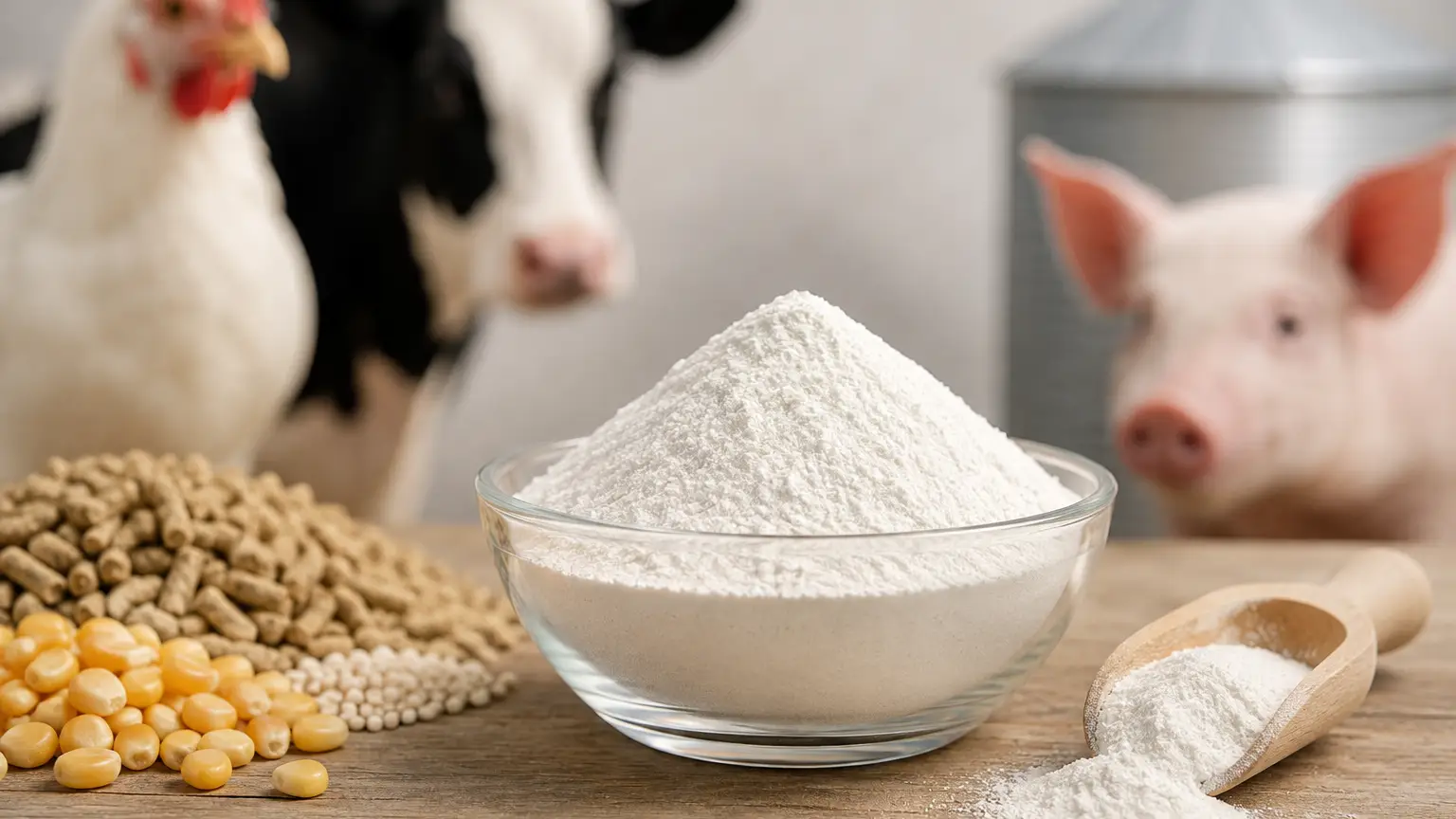
Soybean meal is produced by solvent extraction or mechanical pressing of soybeans, followed by toasting to deactivate anti-nutritional factors such as trypsin inhibitors. The resulting meal is a fine to coarse granular product with a protein content typically ranging from 44% to 48% on an as-fed basis, depending on whether hulls are added back. High-protein (HP) meals, often around 47–48% crude protein, are preferred in poultry and aquaculture diets, while 44% protein meal is commonly used in ruminant and some swine formulations.
Beyond crude protein, the quality of soybean meal is defined by its amino acid profile, digestibility, and levels of residual oil, fiber, and moisture. It is rich in lysine and provides balanced levels of other essential amino acids, making it highly complementary to cereal grains like corn or wheat. Industrial buyers also evaluate parameters such as urease activity, KOH protein solubility, and color as indicators of proper heat treatment and processing. Consistency in these factors is critical because under- or over-processed meal can reduce digestibility and negatively affect animal performance.
Feed formulators and procurement teams often specify soybean meal grades according to regional standards and industry norms. For example, they may request GMO or non-GMO variants, low-fiber meal, or meal with specific maximum limits for moisture, ash, or mycotoxins. Suppliers and trading partners, including chemtradeasia, typically provide detailed product specifications, test reports, and, where required, certificates of analysis (COA) to ensure that the meal delivered aligns with the technical and regulatory requirements of the target market and application.
Supply Chain Dynamics and Sourcing Strategies
The supply chain for soybean meal begins with raw soybean production in major agricultural regions. After harvest, soybeans are transported to crushing facilities where they are processed into oil and meal. The meal is then stored in silos or warehouses before being shipped in bulk via trucks, rail, barges, or ocean vessels to domestic and international buyers. Each stage introduces potential risks such as quality degradation, contamination, moisture uptake, or logistical delays, which industrial buyers must manage through robust supplier selection and logistics planning.
Global sourcing strategies typically balance origin diversification, contract structures, and logistics optimization. Some feed manufacturers secure long-term contracts with crushers or traders for a portion of their needs, while leaving another portion to be covered on the spot market to benefit from favorable price movements. Others may rely on regional distributors or trading platforms like chemtradeasia to aggregate volumes from multiple origins and offer more flexible delivery terms, including smaller lot sizes, different packaging (bulk, jumbo bags, or 25–50 kg bags), and multimodal logistics solutions.
Risk management is central to soybean meal procurement. Price volatility driven by weather events in South America or North America, geopolitical developments, freight market fluctuations, and currency risk can significantly affect landed costs. Industrial buyers increasingly look for partners that not only supply product but also provide market intelligence, forward pricing options (where available), and guidance on alternative origins or substitute ingredients. By leveraging broad supplier networks and on-the-ground insights, trading companies and platforms such as chemtradeasia help customers mitigate supply disruptions and maintain continuity of operations.
Benefits and Applications of Soybean Meal for Industry Feed
In industrial feed formulations, soybean meal offers a combination of high-quality protein, favorable amino acid balance, and relatively consistent supply compared with many alternative plant proteins. For poultry, it is often the primary protein source, contributing significantly to growth rates, feed conversion ratios, and carcass yield. In swine diets, soybean meal supports lean tissue deposition and reproductive performance. In aquaculture, where digestibility and pellet stability are critical, well-processed soybean meal can partially replace more expensive fishmeal in many species, provided that diets are carefully balanced.
Beyond nutritional value, soybean meal provides operational and economic benefits. Its global production scale and established trade flows contribute to relatively high availability and liquidity in the market, enabling industrial buyers to source competitively across origins. The standardized nature of many soybean meal specifications also makes it easier to integrate into existing feed mill processes and quality systems. In many regions, regulatory frameworks and industry guidelines are well developed, simplifying compliance for feed manufacturers that rely on documented quality parameters and traceability.
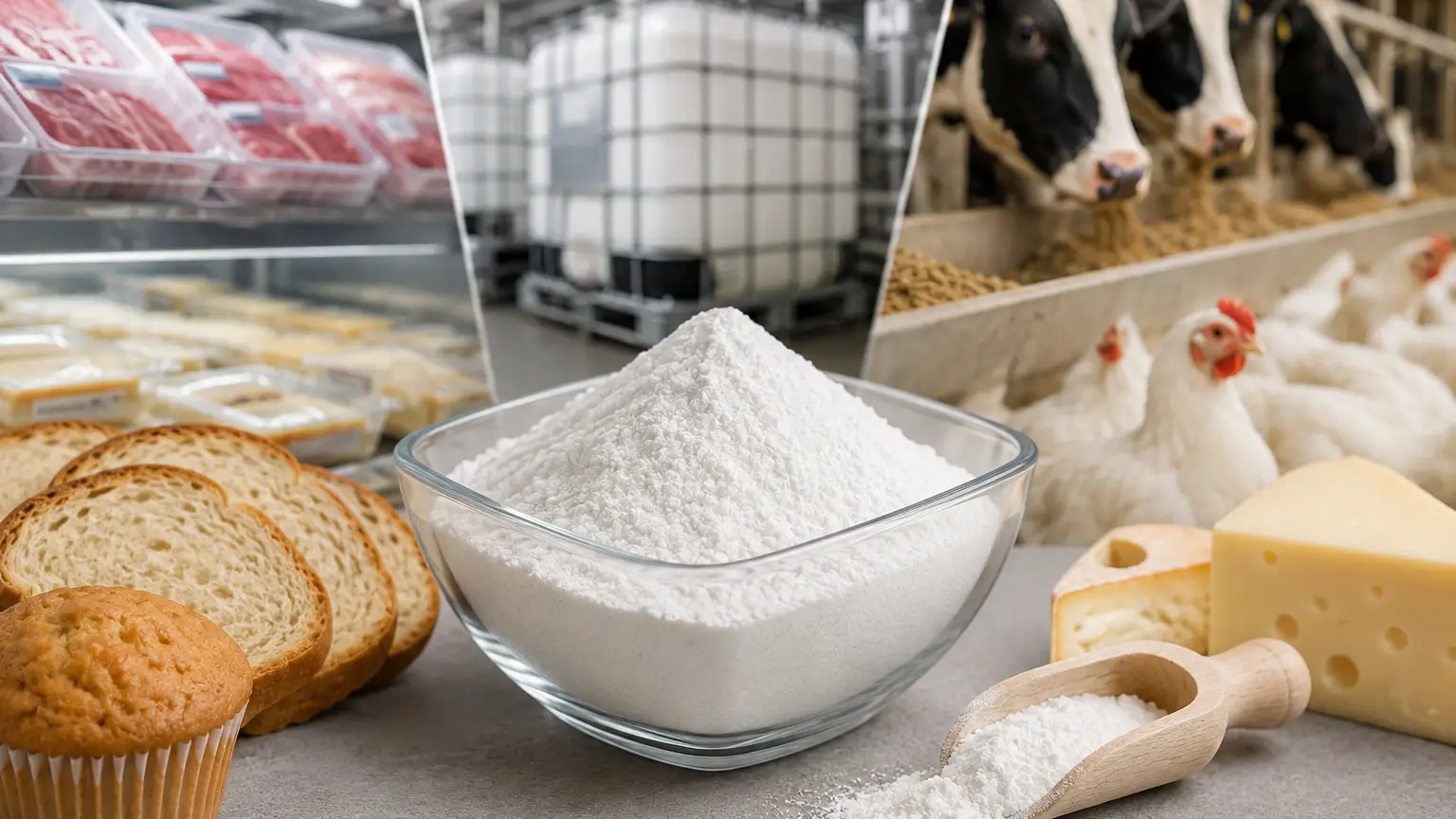
Applications of soybean meal extend across a wide spectrum of feed industry segments. Large integrators use bulk shipments for high-capacity feed mills, while smaller manufacturers and premix producers may prefer bagged or containerized product for flexibility and inventory management. Through platforms like chemtradeasia, buyers can match specific application needs—such as non-GMO meal for specialty poultry or dairy markets, or higher-protein meals for intensive aquaculture systems,with suitable suppliers and origins. This alignment of product specification, logistics, and market requirements enhances both performance and cost-efficiency in industrial feed operations.
Conclusion
The industrial feed sector depends on soybean meal as a reliable, protein-rich ingredient that underpins the productivity and efficiency of poultry, swine, ruminant, and aquaculture value chains worldwide. As global demand for animal protein continues to grow, the importance of managing soybean meal sourcing strategically—considering quality, price, sustainability, and regulatory compliance—will only increase. Companies that can integrate technical understanding of the product with sophisticated supply chain capabilities will be better positioned to maintain competitiveness and resilience in a dynamic market environment.
In this landscape, specialized trading and supply platforms such as chemtradeasia provide tangible advantages. By connecting buyers with a broad network of crushers, exporters, and regional distributors, they help secure consistent access to the right grades of soybean meal, supported by documentation, quality assurance, and market insight. For procurement managers and feed formulators, leveraging such partners can streamline sourcing, reduce operational risk, and support the transition toward more traceable and sustainable feed ingredient supply chains on a global scale.
This article is intended solely for informational and market insight purposes and does not constitute technical, safety, or professional advice. Readers should independently verify all information with qualified experts, consult official documentation such as MSDS/SDS and relevant standards, and contact their suppliers or our team directly for guidance on specific formulations, handling practices, and regulatory requirements.