Introduction Soybean Meal
The global feed industry relies heavily on soybean meal as its primary protein source, making the resilience and efficiency of the soybean meal supply chain a strategic concern for feed manufacturers, integrators, and livestock producers. As we approach 2026, structural shifts in trade flows, sustainability requirements, and regulatory frameworks are reshaping how soybean meal is sourced, processed, transported, and delivered to industrial users worldwide. In this context, specialized supply chain partners such as chemtradeasia are playing a growing role in connecting producers with feed manufacturers through reliable, compliant, and cost-effective channels.
Soybean meal is more than just a commodity; it is a critical input that directly affects feed formulation costs, animal performance, and ultimately food security. With global feed production exceeding 1.3 billion tonnes per year, and poultry and aquaculture sectors expanding rapidly in Asia, Africa, and Latin America, demand for high-quality, consistent soybean meal remains robust. However, this demand is increasingly conditioned by expectations around traceability, non-GMO or identity-preserved (IP) supplies, and lower environmental footprints, all of which introduce new layers of complexity into the supply chain.
This article provides a detailed, forward-looking view of the soybean meal supply chain for industry feed ingredients up to 2026. It covers market dynamics, supply chain architecture, product specifications, and the role of global distributors and solution providers such as chemtradeasia in ensuring reliable access to feed-grade soybean meal. The objective is to equip procurement teams, supply chain managers, and technical professionals with practical insights that support informed sourcing and risk management decisions.
Global Soybean Meal Market Overview to 2026
By 2026, the global soybean meal market is expected to continue its steady growth, driven mainly by rising meat, egg, dairy, and aquaculture production in emerging economies. Historically, world soybean meal consumption has expanded at roughly 2–3% annually, with Asia accounting for the largest incremental demand. China, the European Union, the United States, Brazil, and Southeast Asia together represent the bulk of global soybean meal use, particularly for poultry and swine feed. As income levels rise and dietary patterns shift toward higher animal protein intake, industrial feed manufacturers are under pressure to secure stable, competitively priced protein inputs.
On the supply side, soybean meal availability is closely tied to soybean crushing volumes, which in turn depend on soybean production and global oilseed trade. The United States, Brazil, and Argentina collectively dominate soybean and soybean meal exports, while countries like China and India maintain significant domestic crushing capacity to support their own feed industries. Weather variability in key producing regions, logistical bottlenecks at ports, and trade policy changes such as tariffs or export restrictions can all translate into price volatility and supply disruptions for downstream feed producers.
Looking toward 2026, several structural trends are shaping the soybean meal market. First, sustainability and deforestation-free sourcing requirements are tightening, especially in Europe and parts of Asia, prompting a shift toward certified or traceable soybean meal. Second, competition from alternative protein sources—such as canola meal, sunflower meal, or novel ingredients like insect meal and microbial protein—will increase, but soybean meal is likely to remain the benchmark protein due to its favorable amino acid profile, established supply chains, and cost competitiveness. Finally, currency fluctuations and freight rate movements will continue to influence landed costs, reinforcing the importance of experienced supply chain partners like chemtradeasia that can navigate multi-origin sourcing and optimize logistics.
Supply Chain Structure for Soybean Meal in Feed Industries
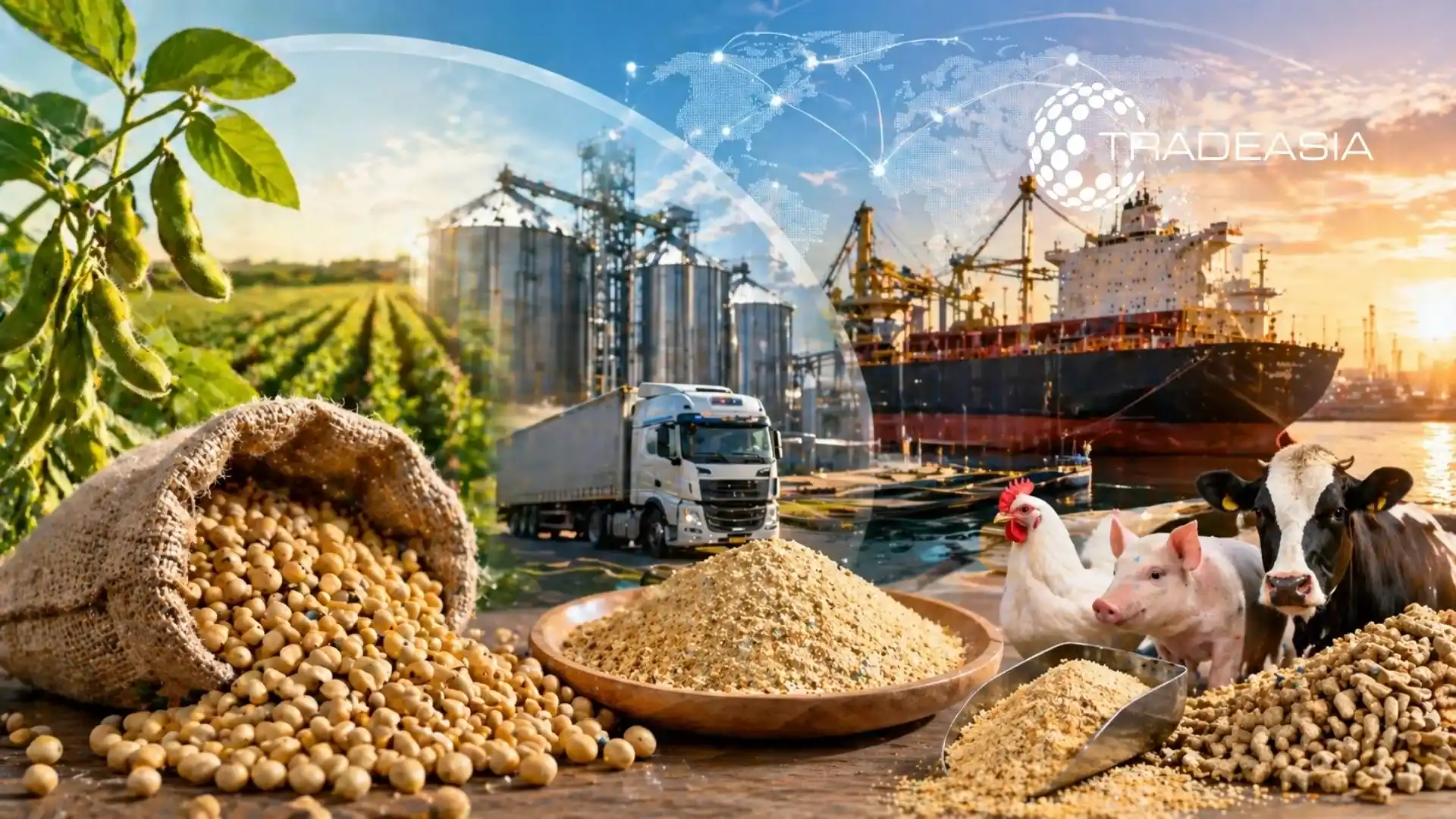
The soybean meal supply chain for industrial feed applications typically begins with soybean cultivation in major producing regions such as Brazil, the United States, Argentina, and, to a growing extent, countries like Paraguay and Ukraine. After harvesting, soybeans are transported to crushing facilities where they are cleaned, dehulled, and processed via mechanical pressing and/or solvent extraction. This process yields crude soybean oil and soybean meal as a high-protein co-product. The meal is then cooled, ground to the desired particle size, and often standardized for protein and fiber content before being shipped in bulk.
From crushers, soybean meal moves through a network of traders, distributors, and logistics providers. For export flows, the product is typically loaded in bulk onto vessels or containers at origin ports and shipped to destination markets. Upon arrival, it may be stored in port silos, inland terminals, or dedicated warehouses before being delivered by truck, rail, or barge to feed mills and integrators. The choice between bulk vessel shipments and containerized cargo depends on volume, destination infrastructure, and the need for segregation (for example, non-GMO or certified sustainable lots). Efficient coordination of these stages is essential to controlling demurrage, minimizing quality losses, and ensuring timely delivery.
Industrial users often rely on specialized suppliers such as chemtradeasia to manage this complex, multi-node supply chain. These partners consolidate demand from multiple feed manufacturers, negotiate long-term contracts with crushers and exporters, and arrange multimodal logistics. They also handle documentation, quality control, and compliance with import regulations, including sanitary and phytosanitary (SPS) requirements. By leveraging diversified supply origins and storage hubs, such distributors can buffer customers against regional disruptions, offer flexible shipment sizes, and provide tailored contract structures (spot, forward, or indexed pricing) aligned with the risk appetite of feed producers.
Product Profile: Soybean Meal as a Strategic Feed Ingredient
Soybean meal is valued in the feed industry primarily for its high and consistent protein content and favorable amino acid balance, particularly lysine, which is essential for growth in poultry, swine, and aquaculture species. Typical solvent-extracted soybean meal for feed applications contains around 44–48% crude protein on an as-fed basis, with low levels of fiber and residual oil. Dehulled, high-protein soybean meal can reach 47–49% protein, making it especially attractive for high-performance poultry and aqua feeds where precise nutrient density is required. Digestibility and palatability are also generally superior to many alternative plant protein sources.
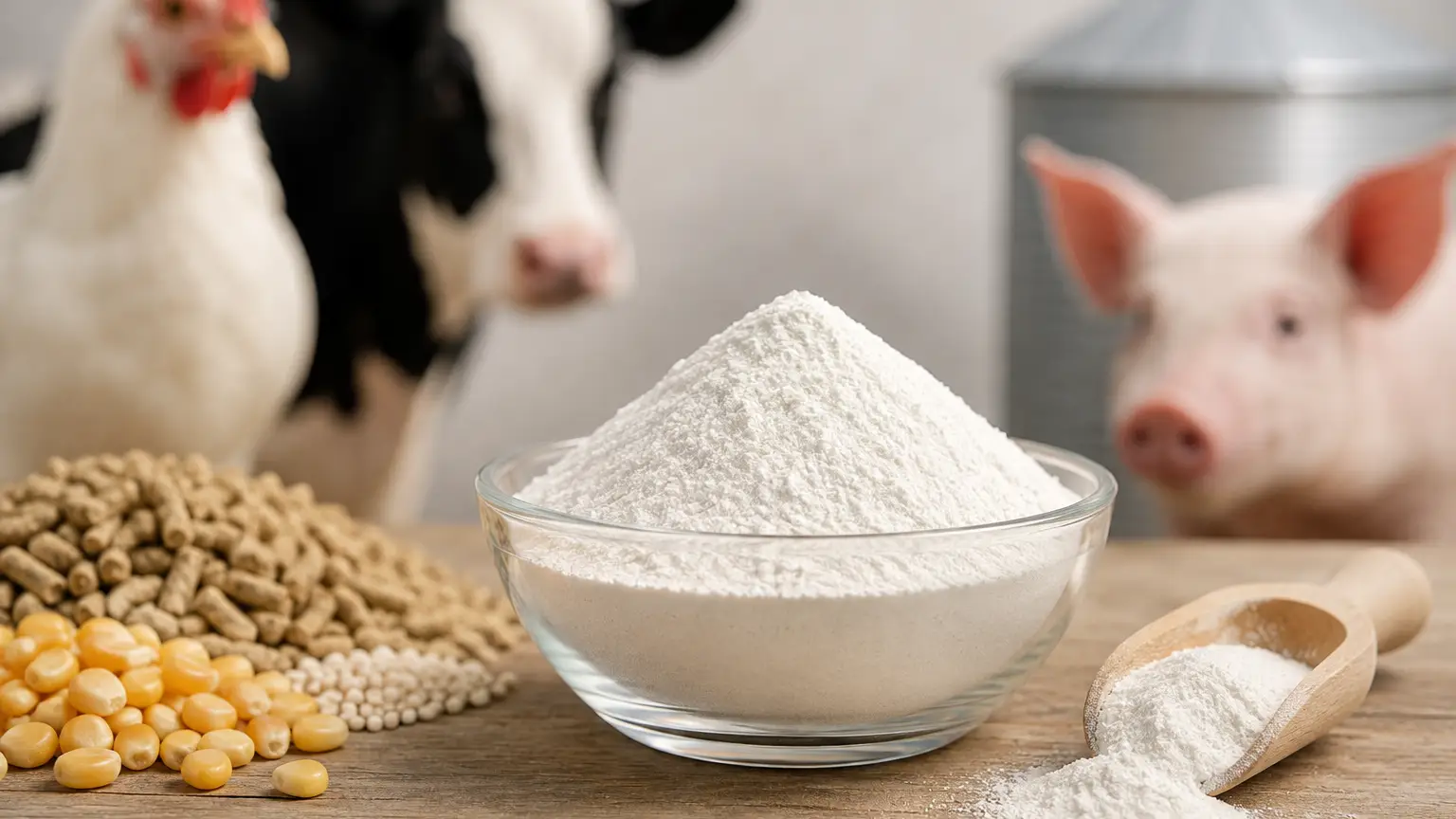
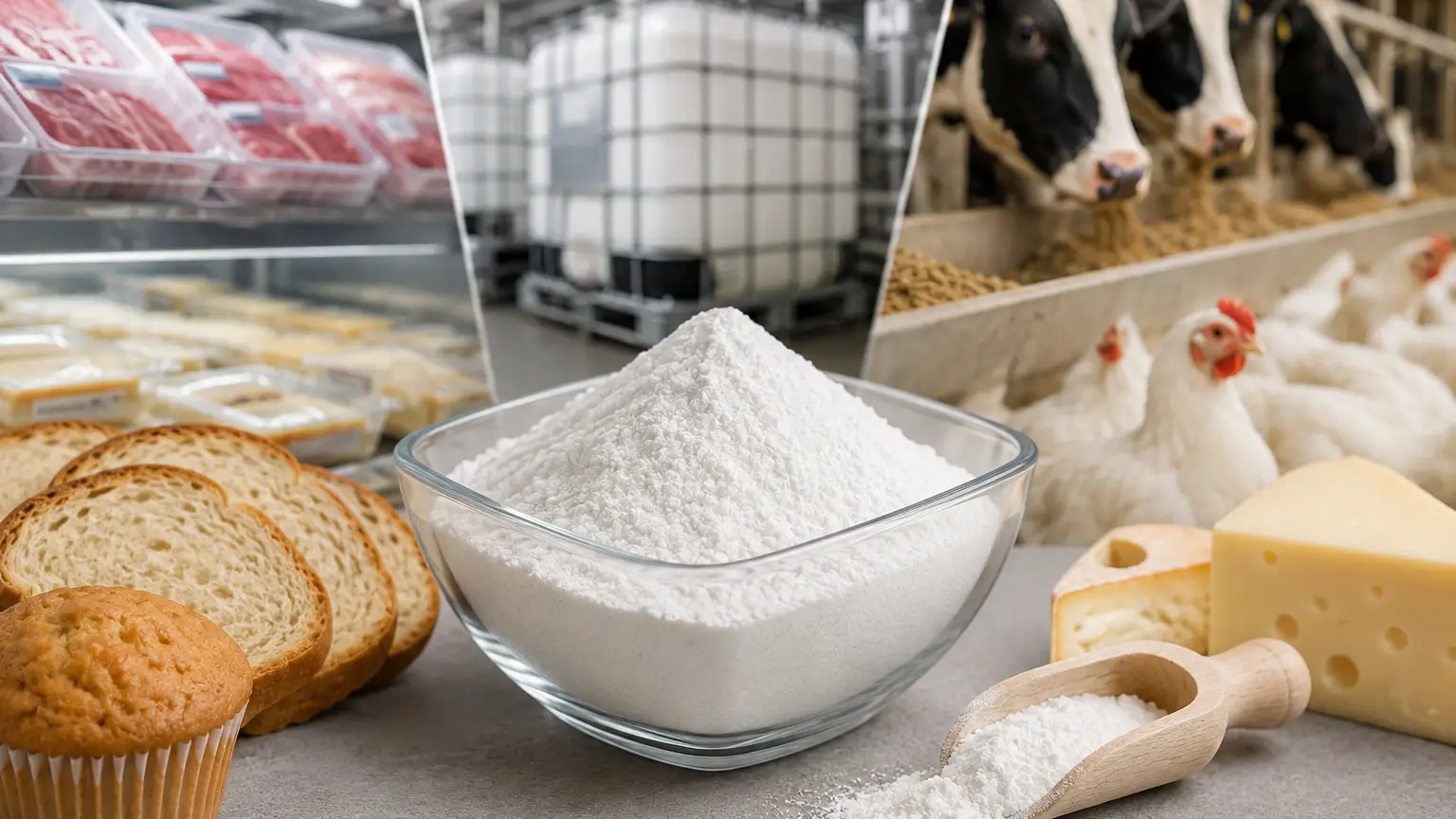
Industrial feed formulations use soybean meal across a wide range of applications: broiler and layer feeds, swine grower and finisher diets, dairy and beef cattle rations (often in combination with other protein meals), and increasingly in aquaculture feeds for species such as tilapia, carp, and some marine fish. While fishmeal remains important in aquafeeds, cost and sustainability concerns have led formulators to partially replace fishmeal with soybean meal and other plant proteins. In pet food, defatted soybean meal and soy protein concentrates may be used to complement animal-derived proteins, although labeling and consumer preferences can vary by region.
From a specification standpoint, industrial buyers typically focus on parameters such as crude protein, moisture (usually below 12%), crude fiber, fat content, urease activity, and the presence of anti-nutritional factors. Proper heat treatment during crushing is essential to deactivate trypsin inhibitors and ensure good digestibility, while avoiding over-processing that can damage amino acids. Quality-conscious suppliers like chemtradeasia work with vetted producers that implement strict process controls and provide detailed certificates of analysis (COAs) for each lot, enabling feed formulators to maintain consistent nutrient matrices and minimize the need for reformulation.
In addition to conventional solvent-extracted soybean meal, the market also includes specialized variants such as non-GMO soybean meal, identity-preserved (IP) soybean meal with traceable origin, and meals certified under sustainability schemes. These differentiated products command price premiums but are increasingly requested by feed manufacturers serving export-oriented livestock producers or retailers with strict sustainability commitments. By maintaining a broad portfolio of industrial feed ingredients, including soybean meal and complementary additives, chemtradeasia can help customers balance cost, performance, and certification requirements in their overall ingredient strategy.
Key Supply Chain Challenges, Sustainability, and Risk Management
Despite its maturity, the global soybean meal supply chain faces several persistent challenges that are likely to remain central through 2026. Price volatility is perhaps the most visible, driven by weather shocks in major producing regions, shifts in global demand, and speculative activity in futures markets. Logistics disruptions—such as port congestion, container shortages, or high ocean freight rates—can further amplify cost swings and lead to delivery delays. For feed manufacturers operating on thin margins, these factors can significantly impact profitability if not carefully managed through procurement and hedging strategies.
Another major challenge is compliance with evolving sustainability and regulatory standards. Concerns about deforestation and land-use change in sensitive biomes, particularly in parts of South America, have prompted retailers, food processors, and regulators to demand deforestation-free and traceable soybean supply chains. In Europe, for example, new regulations require due diligence on imported commodities linked to deforestation. This has led to growing interest in certified soybean meal, including schemes that verify responsible land use, labor practices, and greenhouse gas emissions. Meeting these requirements often entails more complex sourcing, documentation, and auditing processes, which can be difficult for smaller feed mills to manage on their own.
Effective risk management therefore increasingly involves partnering with experienced suppliers such as chemtradeasia, who can diversify origin risks, maintain multiple logistics routes, and provide transparency on product provenance. By leveraging data on crop forecasts, freight markets, and regulatory developments, such partners can advise customers on timing purchases, structuring contracts, and considering alternative origins or specifications when necessary. In addition, they can facilitate access to certified or non-GMO soybean meal where required, while still optimizing overall cost and availability. This integrated approach to supply, compliance, and logistics helps industrial feed manufacturers maintain continuity of operations and meet the rising expectations of downstream customers and regulators.
Conclusion
As the global feed industry continues to expand and diversify, soybean meal will remain a cornerstone ingredient due to its nutritional profile, availability, and cost-effectiveness. However, the path from soybean field to feed mill is becoming more complex, shaped by shifting trade patterns, sustainability imperatives, and logistical uncertainties. Stakeholders who understand the evolving dynamics of the soybean meal supply chain up to 2026 will be better positioned to secure reliable supplies, control costs, and support the performance of their livestock, poultry, and aquaculture operations.
Industrial users are increasingly looking beyond simple price comparisons to evaluate suppliers on reliability, transparency, and technical support. Companies like chemtradeasia, with their global sourcing networks, quality assurance protocols, and experience in handling a broad portfolio of industrial feed ingredients, can play a pivotal role in this environment. By offering flexible contract structures, multimodal logistics solutions, and access to both conventional and specialized soybean meal grades, they help feed manufacturers align procurement strategies with nutritional, regulatory, and sustainability objectives. In doing so, they contribute to more resilient and efficient supply chains that support food security and sustainable growth in animal production worldwide.
This article is intended solely for informational and market insight purposes and does not constitute technical, safety, or professional advice. Readers should independently verify all information with qualified experts, consult official documentation such as MSDS/SDS, and contact relevant technical teams or our specialists at chemtradeasia for guidance on specific applications or compliance requirements.