Agricultural Risk, Global Trade Dynamics, and Pricing Implications in the Soya Lecithin Supply Chain
Introduction
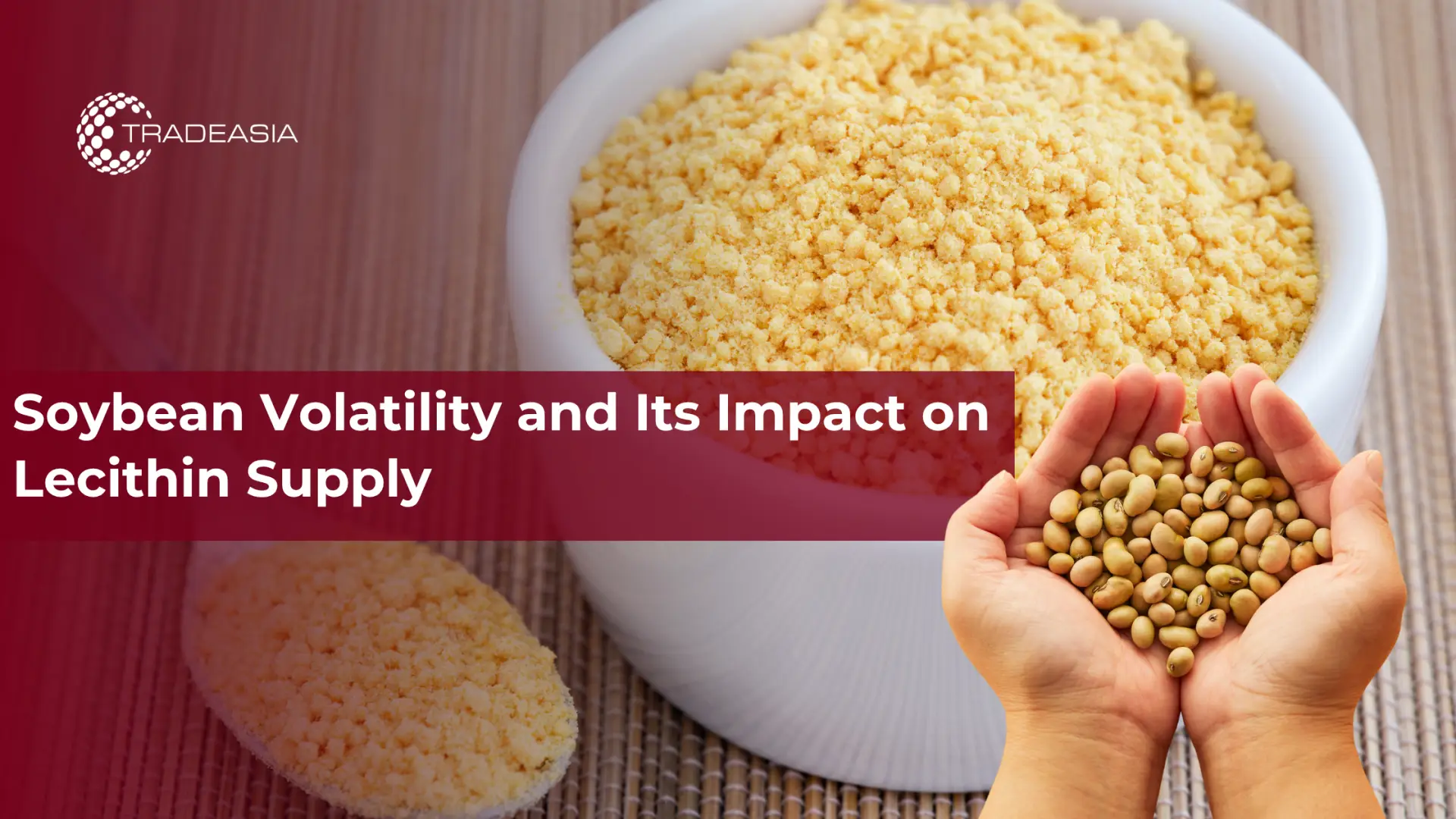
In the global food ingredient industry, few supply chains are as tightly linked to agricultural commodities as that of soya lecithin, a widely used emulsifier derived from soybean processing. Lecithin plays a critical role in stabilizing emulsions, improving texture, and enhancing shelf life in applications ranging from chocolate and bakery products to dairy alternatives and instant beverages. Despite its functional importance, lecithin is not produced as a standalone commodity; rather, it is a byproduct of soybean oil refining, making its availability and pricing inherently dependent on the broader dynamics of the global soybean market.
This dependency creates a complex and often volatile supply environment. Unlike synthetic ingredients whose production can be scaled independently, lecithin supply is directly tied to soybean crushing volumes, which are influenced by agricultural yields, weather conditions, trade policies, and global demand for soybean-derived products such as oil and meal. As a result, fluctuations in soybean markets—whether driven by droughts in Brazil, export policies in United States, or shifting demand patterns in China—can have cascading effects on lecithin availability and pricing.
In recent years, increasing climate variability, geopolitical tensions, and evolving sustainability requirements have further amplified volatility in soybean markets. These factors not only affect raw material supply but also reshape global trade flows, influencing where and how lecithin is produced and distributed. For manufacturers and procurement professionals, understanding these dynamics is essential for managing risk, ensuring supply continuity, and maintaining cost efficiency.
This article provides a comprehensive analysis of how soybean market volatility shapes the supply chain of soya lecithin. It examines the agricultural foundations of soybean production, the impact of weather and climate risks, the role of major producing countries, and the implications for global pricing and trade. Through this analysis, it highlights the interconnected nature of agricultural and industrial supply chains and the strategic considerations required to navigate an increasingly uncertain market environment.
The Structural Link Between Soybeans and Lecithin Production
The supply chain of soya lecithin is fundamentally rooted in the processing of soybeans, making it inseparable from the dynamics of the global soybean industry. Lecithin is obtained during the degumming stage of soybean oil refining, where phospholipids are separated from crude oil. These phospholipids are then processed into commercial lecithin products, which can be sold in liquid, powdered, or modified forms depending on application requirements.
Because lecithin is a byproduct, its production is not driven by direct demand alone but by the overall economics of soybean crushing. Crushing facilities primarily operate to produce soybean oil and soybean meal, which are used in food, feed, and industrial applications. Lecithin emerges as a secondary output, meaning its supply is dependent on crushing volumes rather than standalone production planning.
This structural relationship introduces inherent constraints into the lecithin supply chain. When soybean crushing activity increases—often driven by high demand for oil or animal feed—lecithin supply expands accordingly. Conversely, when crushing margins decline or soybean availability is limited, lecithin production may decrease, even if demand for emulsifiers remains strong.
The result is a supply chain that is highly sensitive to upstream agricultural and industrial factors. Unlike other food ingredients that can be produced on demand, lecithin availability is tied to a broader ecosystem of commodity markets, making it more susceptible to external shocks and volatility.
Global Soybean Production and Key Supply Regions
The global soybean market is dominated by a relatively small number of producing countries, with Brazil, the United States, and Argentina accounting for the majority of global output. Among these, Brazil has emerged as the largest producer and exporter, benefiting from vast agricultural land, favorable climate conditions, and significant investment in agribusiness infrastructure.
The United States remains a key player, with advanced farming technologies, high productivity, and well-developed logistics systems supporting its position as a major exporter. Argentina, while smaller in production volume, plays a critical role in soybean processing, particularly in crushing and oil extraction, making it an important contributor to lecithin supply.
This concentration of production creates both efficiencies and vulnerabilities. On one hand, large-scale production enables economies of scale and consistent supply. On the other hand, it increases exposure to regional risks, such as weather disruptions, policy changes, and infrastructure constraints.
For example, drought conditions in Brazil can significantly reduce soybean yields, tightening global supply and driving up prices. Similarly, changes in export policies or trade relations in the United States can alter global trade flows, affecting the availability of soybeans for processing in other regions.
China, while not a major producer, is the world’s largest importer of soybeans, primarily for animal feed and oil production. Its demand plays a critical role in shaping global market dynamics, influencing prices and trade patterns that ultimately affect lecithin supply.
Weather Patterns and Climate Risk in Soybean Production
Agricultural production is inherently dependent on environmental conditions, and soybeans are particularly sensitive to weather variability. Factors such as rainfall, temperature, and soil moisture levels have a direct impact on crop yields, making soybean supply vulnerable to climate-related disruptions.
In recent years, climate variability has become more pronounced, with extreme weather events occurring more frequently. Droughts in South America, excessive rainfall in North America, and shifting seasonal patterns have all contributed to fluctuations in soybean production. These disruptions can lead to significant price volatility, which in turn affects the cost and availability of lecithin.
The impact of weather is not limited to yield reductions. It also affects crop quality, which can influence processing efficiency and the composition of byproducts such as lecithin. Lower-quality soybeans may result in reduced lecithin yields or require additional processing, increasing costs for manufacturers.
Climate change adds a layer of long-term uncertainty to the soybean market. Rising temperatures, changing precipitation patterns, and increased frequency of extreme weather events are expected to affect agricultural productivity in key producing regions. This creates challenges for long-term supply planning and underscores the importance of resilience in the lecithin supply chain.
Trade Flows and Geopolitical Influences
Global trade plays a central role in the soybean market, with large volumes of soybeans and soybean products moving across continents to meet demand. Trade flows are influenced by a combination of economic, political, and logistical factors, all of which can impact lecithin supply.
Geopolitical tensions, particularly trade disputes between major economies, have had significant effects on soybean markets. For example, trade tensions between the United States and China have led to shifts in sourcing patterns, with China increasing imports from Brazil while reducing purchases from the United States. These shifts can affect crushing activity in different regions, thereby influencing lecithin production.
Export restrictions and tariffs can also disrupt supply chains, creating uncertainty for buyers and sellers. In addition, logistical challenges such as port congestion, shipping delays, and rising freight costs can affect the movement of soybeans and lecithin, further contributing to volatility.
The interconnected nature of global trade means that disruptions in one region can have ripple effects across the entire supply chain. For lecithin buyers, this underscores the importance of monitoring geopolitical developments and understanding their potential impact on supply availability.
Pricing Dynamics and Cost Transmission
The pricing of soya lecithin is closely linked to the broader soybean market, with raw material costs playing a significant role in determining final prices. When soybean prices rise due to supply constraints or increased demand, the cost of lecithin typically follows, although the relationship is not always linear.
Because lecithin is a byproduct, its pricing is also influenced by the economics of soybean processing. When crushing margins are high, producers may be more willing to supply lecithin at competitive prices, as their primary revenue comes from oil and meal. Conversely, when margins are tight, lecithin prices may increase to compensate for reduced profitability in other areas.
Energy costs, processing expenses, and logistics also contribute to the overall cost structure. Rising energy prices can increase the cost of crushing and refining, while higher freight rates can add to the final delivered price of lecithin.
Currency fluctuations further complicate pricing dynamics, particularly in international trade. Changes in exchange rates can affect the competitiveness of exporters and influence purchasing decisions for importers.
Strategic Implications for Lecithin Buyers and Suppliers
For buyers and suppliers of soya lecithin, navigating the complexities of soybean market volatility requires a strategic approach to procurement and supply chain management. Diversification of sourcing is one key strategy, allowing companies to reduce reliance on a single region or supplier and mitigate the impact of localized disruptions.
Long-term contracts and strategic partnerships can also provide greater stability, helping to secure supply and manage price risk. In addition, monitoring market trends and maintaining flexibility in procurement strategies can enable companies to respond more effectively to changing conditions.
Sustainability considerations are becoming increasingly important, with growing demand for non-GMO and responsibly sourced lecithin. These requirements add another layer of complexity to the supply chain, as they often involve stricter sourcing criteria and higher costs.
Investments in supply chain transparency and traceability can enhance resilience and build trust with customers. By understanding the origins of raw materials and the processes involved in production, companies can better manage risks and ensure compliance with regulatory and sustainability standards.
Conclusion
The supply chain of soya lecithin is deeply intertwined with the global soybean market, making it highly sensitive to agricultural, environmental, and geopolitical factors. From crop yields and weather patterns to trade flows and pricing dynamics, a wide range of variables influence the availability and cost of this essential emulsifier.
As volatility in soybean markets continues to increase, driven by climate change and shifting global demand, the challenges facing lecithin supply chains are likely to intensify. For industry stakeholders, understanding these dynamics is essential for managing risk and maintaining competitiveness.
By adopting strategic sourcing practices, investing in supply chain resilience, and staying informed about market developments, buyers and suppliers can navigate the complexities of soybean-driven volatility and ensure a stable supply of soya lecithin in an increasingly uncertain global environment.