Introduction Borax Pentahydrate
The Asian leather industry is entering a pivotal phase as it prepares for 2026, driven by rising demand for footwear, automotive upholstery, fashion accessories, and industrial leather products. At the core of this transformation is the secure and efficient supply of key leather processing chemicals, particularly Borax Pentahydrate, which plays a critical role in beamhouse operations, buffering systems, and auxiliary formulations. A resilient and transparent supply chain for Borax-based leather chemicals is becoming a strategic differentiator for tanneries and chemical formulators across Asia.
As environmental regulations tighten and brands demand traceable, compliant, and sustainable leather, chemical inputs are under greater scrutiny. Boron-based compounds such as Borax Pentahydrate are valued not only for their technical performance but also for their relative stability in formulations and compatibility with modern, low-impact tanning systems. Ensuring a reliable flow of this material from mining regions to Asian leather clusters requires coordinated planning, robust logistics, and trusted distribution partners.
This article provides a structured overview of the supply chain of Borax Pentahydrate for the leather chemicals industry in Asia, with a forward-looking view toward 2026. It explores market trends, product applications, logistics challenges, and sourcing strategies, while highlighting how distributors like chemtradeasia can support manufacturers, traders, and tanneries in managing risk, optimizing cost, and maintaining quality in a rapidly evolving regulatory and market environment.
Global and Asian Market Outlook for Borax Pentahydrate
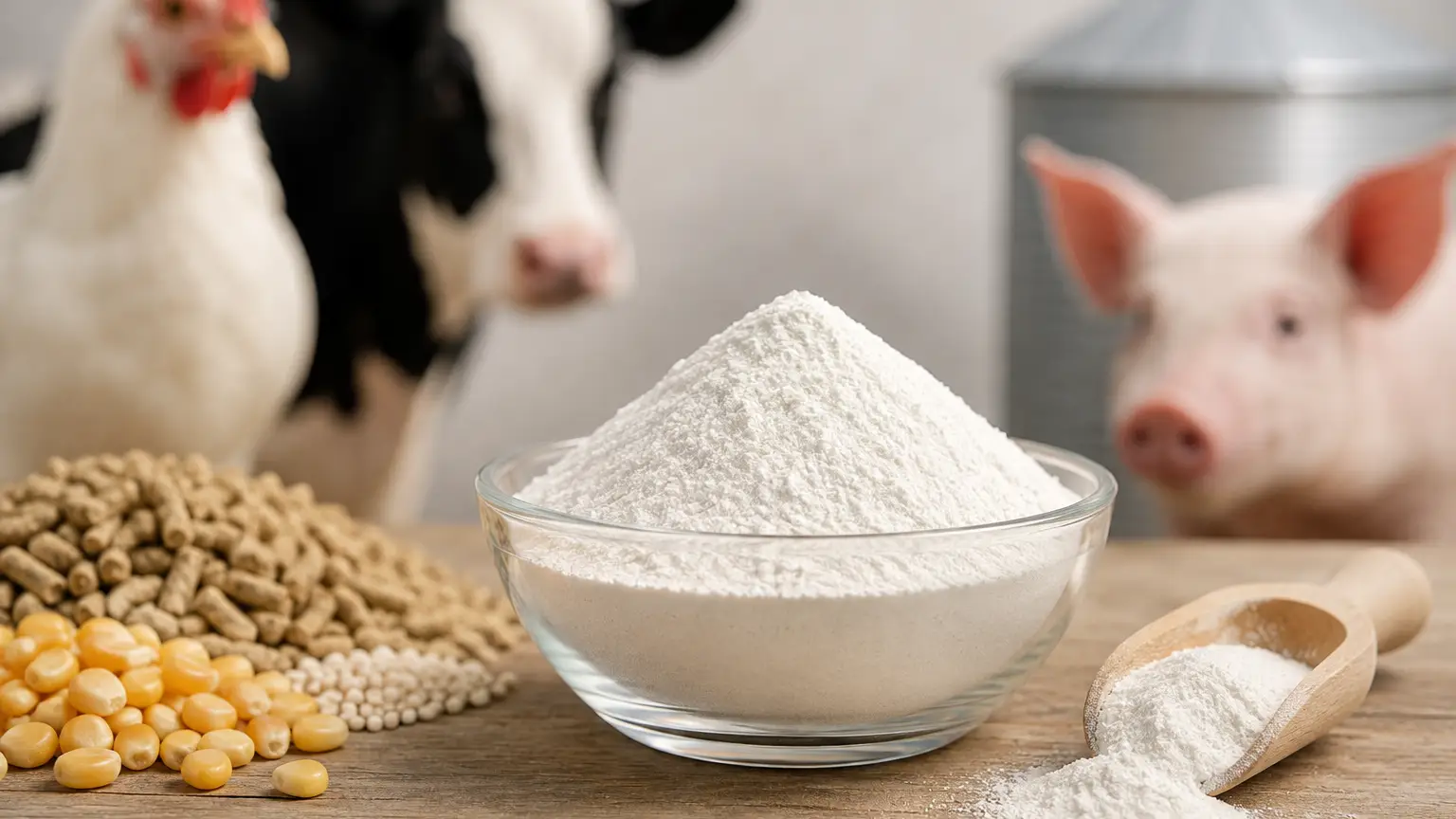
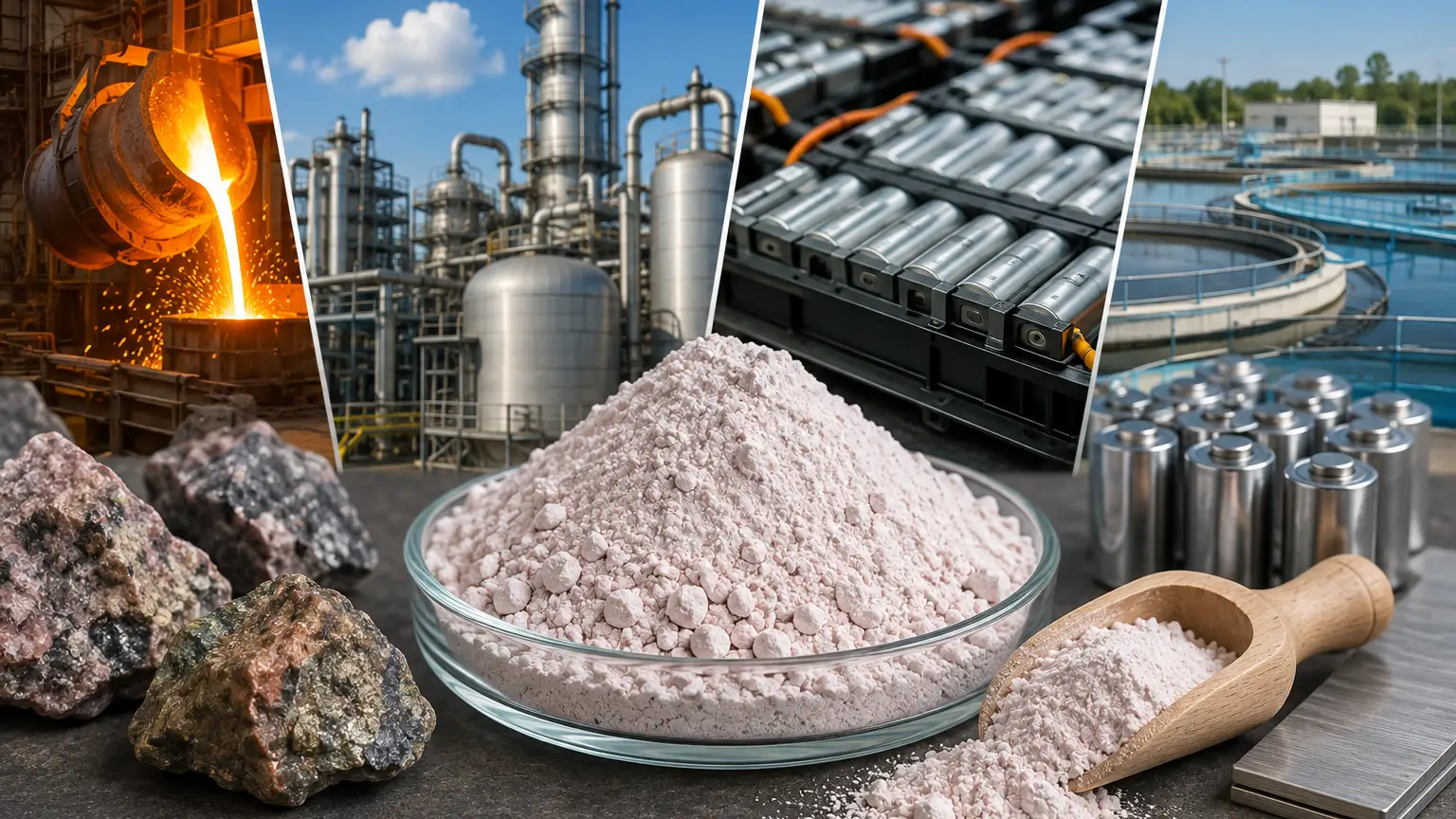
Borax Pentahydrate (Na2B4O7·5H2O) is a key boron compound used across glass and ceramics, detergents, metallurgy, agriculture, and specialty chemicals, including leather auxiliaries. Globally, borates demand has historically grown in line with industrial output, with leading producers in the United States, Turkey, South America, and parts of Asia. While glass and detergents remain the largest segments, specialty uses such as leather chemicals are gaining importance due to their value-added nature and higher specification requirements.
For Asia, the demand outlook toward 2026 is shaped by three main factors: continued urbanization and income growth, expansion of footwear and automotive industries, and regional shifts in leather production from Europe to Asia. Major tanning hubs in China, India, Pakistan, Vietnam, Indonesia, and Bangladesh are expected to maintain or increase output, even as they invest in cleaner technologies and effluent treatment. This translates into steady to moderate growth for Borax Pentahydrate used in leather-related formulations, despite potential cyclical fluctuations in global trade.
On the supply side, borate production is relatively concentrated, making logistics and trade flows critical. Asia relies both on local production and imports from major mining regions. Freight volatility, energy costs, and geopolitical issues can influence landed prices in Asian ports. However, by 2026, the market is expected to stabilize around diversified sourcing strategies and longer-term contracts. Distributors like chemtradeasia, with networks across multiple origin countries and Asian destinations, are positioned to mitigate regional imbalances and help leather chemical formulators secure consistent Borax Pentahydrate supply at competitive cost.
Role of Borax Pentahydrate in Leather Chemicals
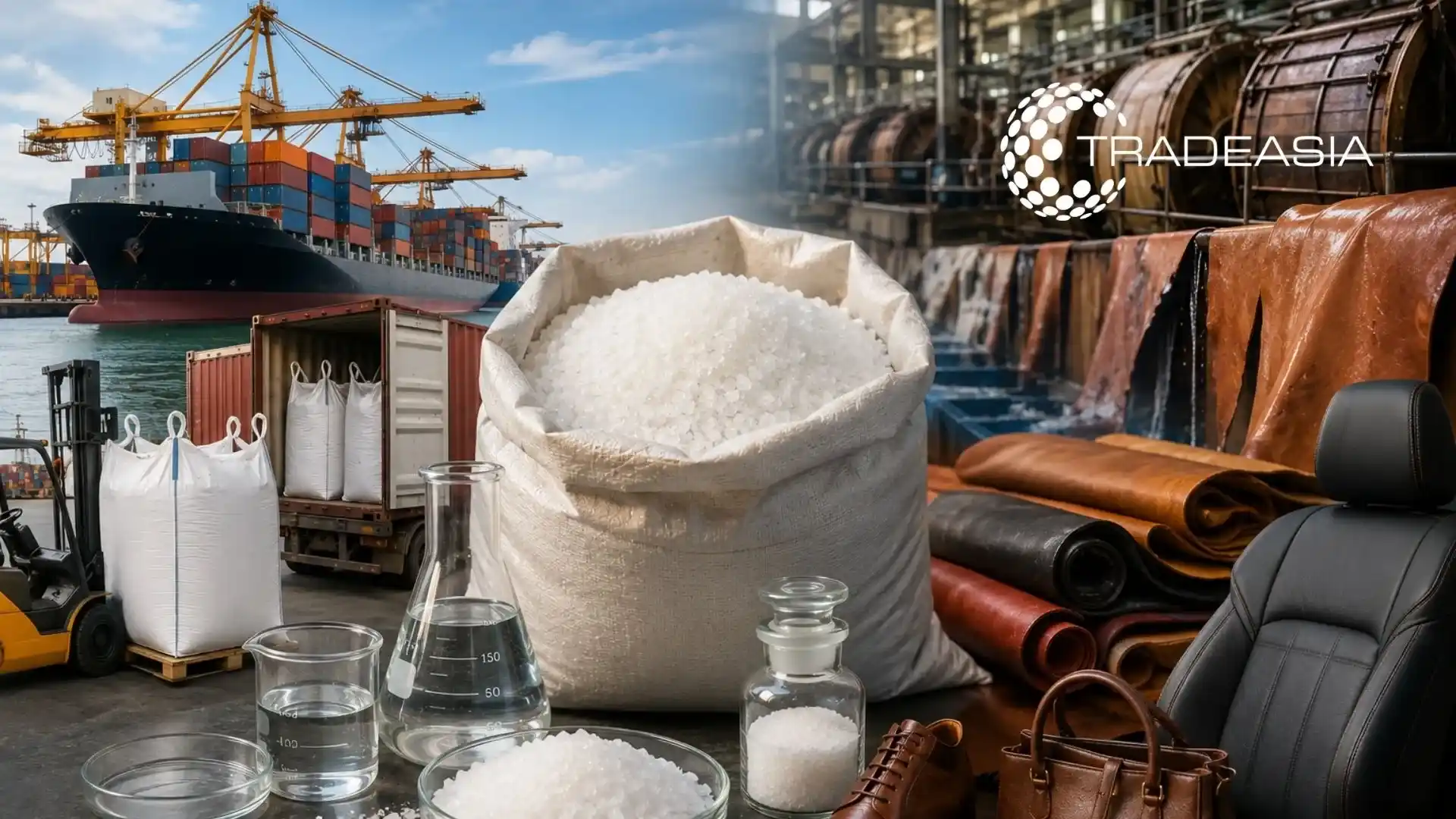
In leather processing, Borax Pentahydrate is valued for its buffering capacity, alkalinity control, and synergy with surfactants and other auxiliary agents. During the beamhouse stages—soaking, liming, deliming, and bating—borax-based formulations help regulate pH, improve swelling control, and enhance the removal of natural fats and impurities. This contributes to more uniform hides, better penetration of subsequent tanning agents, and reduced risk of grain damage or uneven dyeing.
Typical technical specifications for industrial-grade Borax Pentahydrate used in leather chemicals include a boron oxide (B2O3) content of around 48–50%, low levels of insoluble matter, controlled particle size distribution, and moisture content consistent with the pentahydrate form. High purity is crucial, as excessive insolubles or contaminants can lead to spotting, deposits in process equipment, or interaction issues with chrome, synthetic, or vegetable tanning systems. Suppliers such as chemtradeasia often provide product documentation, including Certificates of Analysis (CoA) and compliance declarations, to support quality assurance programs at tanneries and chemical plants.
Beyond basic buffering, Borax Pentahydrate can be incorporated into specialty leather auxiliaries, including degreasing agents, enzyme-based products, and retanning formulations, where it can help stabilize pH and improve performance consistency. In some systems, it contributes to microbial control and enhances the effectiveness of biocides, though it is typically not used as a primary biocide. As the leather industry moves toward more sustainable chemistries and reduced environmental load, borax-based products are often evaluated for their compatibility with low-salt, low-sulfide, and low-chrome systems, making reliable specification and supply even more important.
Supply Chain Dynamics and Logistics in Asia
The supply chain of Borax Pentahydrate for Asia’s leather chemicals industry spans mining, refining, export logistics, maritime transport, regional distribution, and last-mile delivery to chemical formulators and tanneries. The journey typically begins at borate mines and refineries in regions such as North America or Turkey, where crude ore is processed into refined borax pentahydrate and other borate products. Material is then shipped in bulk, big bags, or smaller industrial packaging to Asian ports including Shanghai, Mumbai, Chennai, Karachi, Ho Chi Minh City, Jakarta, and Singapore.
Logistics efficiency is a key driver of cost and reliability. Ocean freight rates, container availability, port congestion, and customs clearance procedures all affect lead times and price stability. The disruptions seen in global shipping during recent years have encouraged many Asian buyers to diversify their supply bases, increase safety stock, and work with distributors that maintain regional inventories. Companies like chemtradeasia often utilize multi-port warehousing and flexible shipping arrangements to buffer customers against sudden supply shocks or transit delays.
Within Asia, domestic transportation, from port warehouses to chemical formulation plants and tanneries—relies on truck, rail, and sometimes inland waterway networks. Local regulations on hazardous and non-hazardous chemical transport, labelling, and storage must be followed, even though Borax Pentahydrate is typically classified as relatively low hazard compared to many other industrial chemicals. Proper packaging, moisture control, and inventory management are essential to preserve product quality, prevent caking, and ensure that the borax received by leather chemical producers meets the required specifications for their formulations.
Sourcing Strategies and Supplier Selection
By 2026, strategic sourcing of Borax Pentahydrate will increasingly focus on risk management, transparency, and total cost of ownership rather than just spot price. Leather chemical manufacturers and tanneries are expected to prioritize suppliers that can offer consistent quality, multi-origin sourcing options, and robust documentation for compliance with regulations such as REACH, local environmental rules, and brand-specific Restricted Substances Lists (RSLs). Evaluating suppliers on technical support, logistics capabilities, and sustainability credentials is becoming standard practice.
Distributors such as chemtradeasia play a pivotal role in this ecosystem by bridging producers and end-users across Asia. With a portfolio that includes Borax Pentahydrate and other leather-related chemicals, chemtradeasia can consolidate shipments, optimize container loads, and provide flexible packaging options (from 25 kg bags to jumbo bags) tailored to the operational needs of tanneries and formulation plants. Their regional presence allows for better demand forecasting, local currency invoicing, and faster response to urgent orders or unexpected consumption spikes.
For buyers, an effective sourcing strategy may include a mix of long-term contracts for base volumes and spot purchases for peak demand, combined with vendor-managed inventory or consignment stock where feasible. Technical collaboration with suppliers, such as joint trials, formulation optimization, and cost-in-use analysis—can further enhance value. By partnering with established distributors like chemtradeasia, leather chemical companies in Asia can reduce the complexity of dealing with multiple overseas producers, streamline documentation, and gain access to market insight that supports informed purchasing decisions for Borax Pentahydrate and complementary leather chemicals.
Conclusion
The supply chain of Borax Pentahydrate for Asia’s leather chemicals industry is set to become more strategic and data-driven by 2026. As leather production clusters evolve, brands raise sustainability expectations, and regulatory frameworks tighten, the role of borax in delivering consistent leather quality and process control remains significant. Ensuring reliable sourcing, robust logistics, and rigorous quality management will be essential for tanneries and chemical formulators aiming to remain competitive in both domestic and export markets.
Stakeholders across the value chain, miners, refiners, distributors, formulators, and tanners—must collaborate to improve transparency, traceability, and resilience. Leveraging the capabilities of regional distributors such as chemtradeasia can help align supply with demand, optimize inventory, and navigate complex import-export environments. With thoughtful sourcing strategies, technical collaboration, and continuous monitoring of market trends, Asian leather manufacturers can secure the Borax Pentahydrate they need to support innovation, compliance, and long-term growth.
This article is intended solely for informational and market insight purposes and does not constitute technical, safety, regulatory, or professional advice; readers should independently verify all information with qualified experts, consult official documentation such as MSDS/SDS, and, where appropriate, contact our team or relevant professionals before making decisions on specific applications or operational practices.