Functional Science, Processing Technology, and Applications of Textured Soy Protein in Plant-Based Foods
Introduction
The rapid growth of the plant-based food industry has fundamentally reshaped how food scientists and manufacturers approach protein functionality, texture design, and product development. At the center of this transformation lies the challenge of replicating the complex sensory experience of meat using plant-derived ingredients. Among the various solutions developed to address this challenge, textured soy protein (TSP) has emerged as one of the most effective and widely adopted ingredients. Its ability to mimic the fibrous, chewy, and juicy characteristics of meat has positioned it as a cornerstone of modern plant-based formulations.
Unlike traditional protein ingredients that primarily contribute nutritional value, TSP is specifically engineered to deliver structural functionality. It is produced through extrusion processing, a technology that transforms defatted soy flour or soy protein concentrate into a fibrous, sponge-like material capable of absorbing water and developing a meat-like texture upon rehydration. This transformation is not merely physical but involves complex molecular rearrangements that align protein structures in a way that resembles muscle fibers. As a result, TSP offers a unique combination of functionality, scalability, and cost efficiency that few other plant-based ingredients can match.
The importance of TSP extends beyond its ability to replicate texture. It also plays a critical role in moisture retention, fat binding, and structural integrity, all of which are essential for creating products that meet consumer expectations. In applications such as plant-based burgers, nuggets, sausages, and minced meat alternatives, TSP serves as the primary structural backbone, providing the chewiness and bite that define the eating experience. Furthermore, its versatility allows it to be used in a wide range of formulations, from simple rehydrated products to highly processed and engineered foods.
This article provides a comprehensive and in-depth analysis of textured soy protein, focusing on its extrusion technology, fibrous structure formation, water absorption behavior, and textural performance. It also explores its applications in key product categories and examines the reasons behind its dominance in the plant-based food industry. By understanding the science and functionality of TSP, food manufacturers can better leverage its capabilities to create innovative and high-quality products that meet the evolving demands of consumers.
Extrusion Technology: Transforming Soy into Structure
The defining characteristic of textured soy protein lies in its method of production, specifically extrusion cooking, which is a highly controlled process that combines heat, pressure, and mechanical shear to transform raw soy materials into structured protein systems. During extrusion, defatted soy flour or soy protein concentrate is mixed with water and fed into an extruder, where it is subjected to high ??? temperatures and intense mechanical forces. These conditions cause the protein molecules to denature, unfold, and realign, forming new interactions that result in a continuous and anisotropic structure.
As the material exits the extruder through a die, it experiences a sudden drop in pressure, causing the water within the matrix to vaporize and expand. This expansion creates a porous, sponge-like structure that is characteristic of TSP. At the same time, the aligned protein chains form fibrous networks that mimic the structure of muscle tissue. The ability to control parameters such as temperature, moisture content, screw speed, and die design allows manufacturers to tailor the texture of TSP to specific applications, ranging from fine granules for minced meat analogs to larger chunks for whole-muscle substitutes.
The extrusion process is not only critical for creating texture but also for enhancing functionality. The structural changes induced during extrusion improve the protein’s ability to absorb water and interact with other ingredients, making TSP highly adaptable in different formulations. This process also contributes to the scalability and cost-effectiveness of TSP production, enabling large-scale manufacturing to meet global demand.
Fibrous Structure Formation and Meat Analogy
One of the most remarkable aspects of TSP is its ability to replicate the fibrous structure of meat, which is a key determinant of texture and mouthfeel. In animal muscle, fibers are organized into hierarchical structures that provide strength, elasticity, and chewiness. Through extrusion, TSP achieves a similar alignment of protein molecules, creating elongated structures that resemble muscle fibers at a macro level.
This fibrous structure is essential for delivering the sensory attributes associated with meat. When properly hydrated and cooked, TSP exhibits resistance to biting and chewing, similar to animal protein. The alignment of fibers also contributes to the perception of juiciness, as it allows water and fat to be retained within the matrix and released during consumption. This dynamic interaction between structure and moisture is critical for creating a realistic eating experience.
The degree of fiber formation can be adjusted through processing conditions, allowing manufacturers to design products with specific textural profiles. For example, finer textures are suitable for ground meat analogs, while more pronounced fibers are used in products that aim to replicate whole cuts of meat. This flexibility makes TSP a highly versatile ingredient in plant-based product development.
Water Absorption and Rehydration Behavior
Water absorption is a fundamental property of textured soy protein that directly influences its functionality and performance in food systems. Due to its porous structure and high surface area, TSP can absorb several times its weight in water, swelling and softening as it rehydrates. This rehydration process is critical for transforming the dry, rigid material into a pliable and meat-like texture suitable for consumption.
The ability of TSP to retain water is driven by both physical and chemical mechanisms. Physically, the porous structure created during extrusion allows water to penetrate and fill the internal spaces of the matrix. Chemically, the exposed hydrophilic groups on the protein chains form hydrogen bonds with water molecules, further enhancing retention. This combination of mechanisms ensures that TSP remains hydrated and stable during cooking and storage.
Water absorption also plays a key role in yield and cost efficiency. By increasing the weight and volume of the final product, it allows manufacturers to maximize output while maintaining quality. Additionally, the retained moisture contributes to juiciness and mouthfeel, which are critical for consumer acceptance.
Texture Development and Chewiness
The development of texture in TSP-based products is a complex process that involves the interaction of multiple factors, including protein structure, water content, and processing conditions. The fibrous network formed during extrusion provides the foundation for texture, but it is the rehydration and cooking processes that ultimately determine the final sensory characteristics.
Chewiness, in particular, is a defining attribute of meat analogs and is closely ????? with the strength and elasticity of the protein network. A well-structured TSP matrix provides resistance to deformation, creating a satisfying bite that mimics the experience of eating meat. At the same time, the network must be flexible enough to avoid toughness, highlighting the importance of balancing structural integrity with softness.
The interaction between TSP and other ingredients, such as fats and binders, also influences texture. Fats contribute to lubrication and flavor, while binders help stabilize the structure and prevent breakdown. By carefully controlling these interactions, formulators can create products with a wide range of textures, from tender and juicy to firm and chewy.
Applications in Plant-Based Meat Products
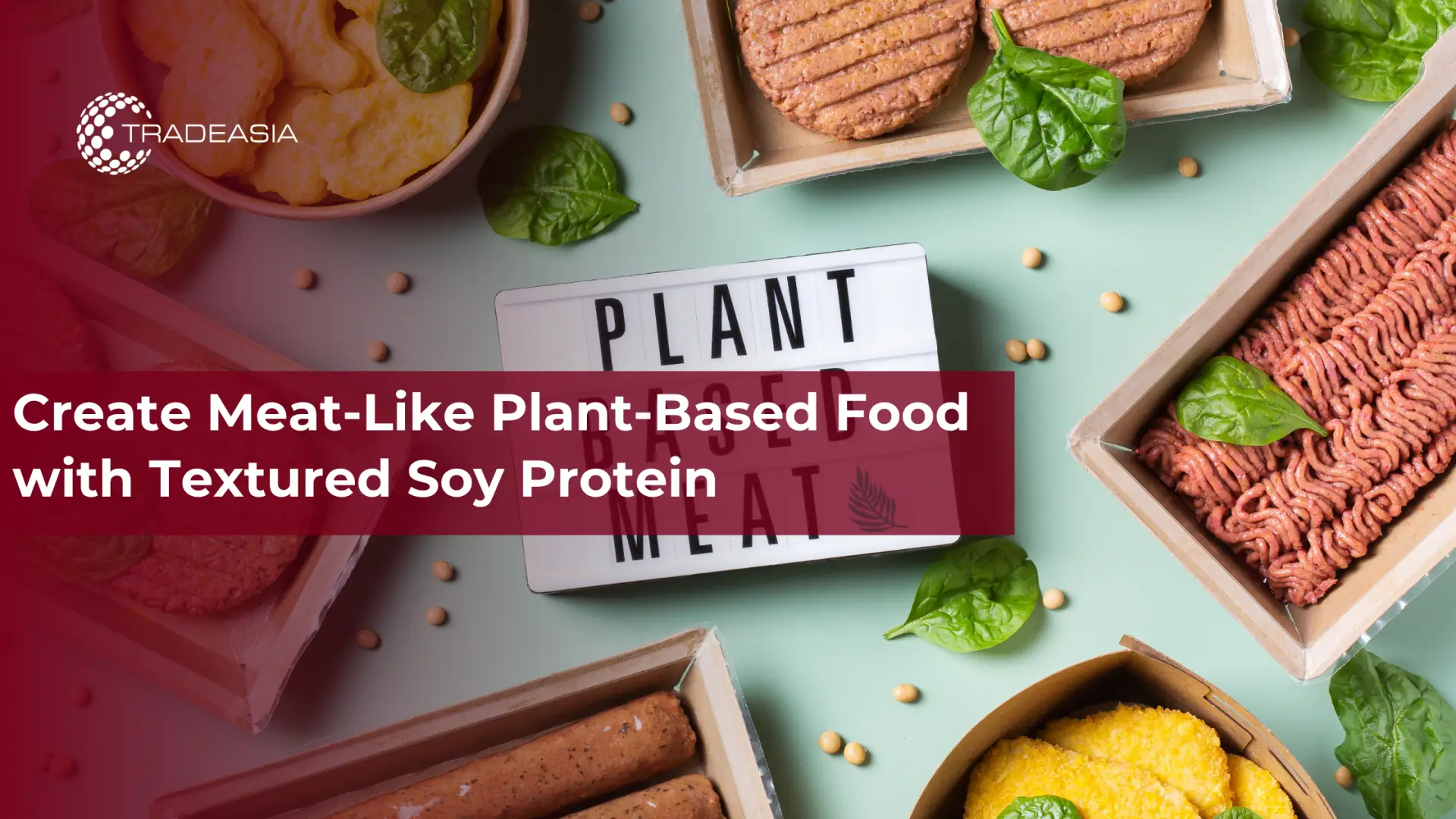
Textured soy protein is most widely used in plant-based meat products, where it serves as the primary structural component. In burgers, nuggets, sausages, and minced meat alternatives, TSP provides the bulk and texture needed to replicate the characteristics of animal protein. Its ability to absorb flavors and interact with other ingredients makes it highly adaptable to different formulations.
In burger applications, TSP contributes to the formation of a cohesive patty that holds its shape during cooking while delivering a juicy and satisfying bite. In nuggets and sausages, it provides structure and stability, ensuring consistent texture and performance. In minced meat alternatives, finer TSP particles create a granular texture that closely resembles ground meat.
Industrial and Economic Advantages
From an industrial perspective, TSP offers significant advantages in terms of scalability, cost efficiency, and versatility. Its production through extrusion allows for large-scale manufacturing with consistent quality, making it suitable for global supply chains. Additionally, its ability to absorb water and increase yield provides economic benefits for manufacturers, reducing raw material costs.
TSP also supports sustainability goals by providing a plant-based alternative to animal protein, which has a higher environmental impact. Its efficient production and high protein yield make it an attractive option for companies seeking to reduce their carbon footprint while meeting consumer demand for sustainable products.
Conclusion
Textured soy protein represents a powerful intersection of food science, engineering, and innovation, offering a practical solution to one of the most complex challenges in the food industry: replicating the texture of meat using plant-based ingredients. Through extrusion technology, it transforms simple soy materials into highly functional structures capable of delivering the chewiness, juiciness, and sensory experience that consumers expect.
Its ability to absorb water, form fibrous networks, and interact with other ingredients makes it indispensable in plant-based food systems. As the demand for sustainable and high-performance food solutions continues to grow, TSP will remain at the forefront of innovation, enabling the development of products that bridge the gap between plant-based and traditional meat.
For businesses seeking high-quality Textured Soy Protein products and reliable sourcing solutions, visit foodadditivesasia.com for more information about specifications, applications, and supply capabilities. For direct inquiries, product details, or customized requirements, please contact food@chemtradeasia.com. Our team is ready to assist you with professional support and comprehensive solutions tailored to your needs.