1. Introduction: Investment Momentum in the Poultry Industry
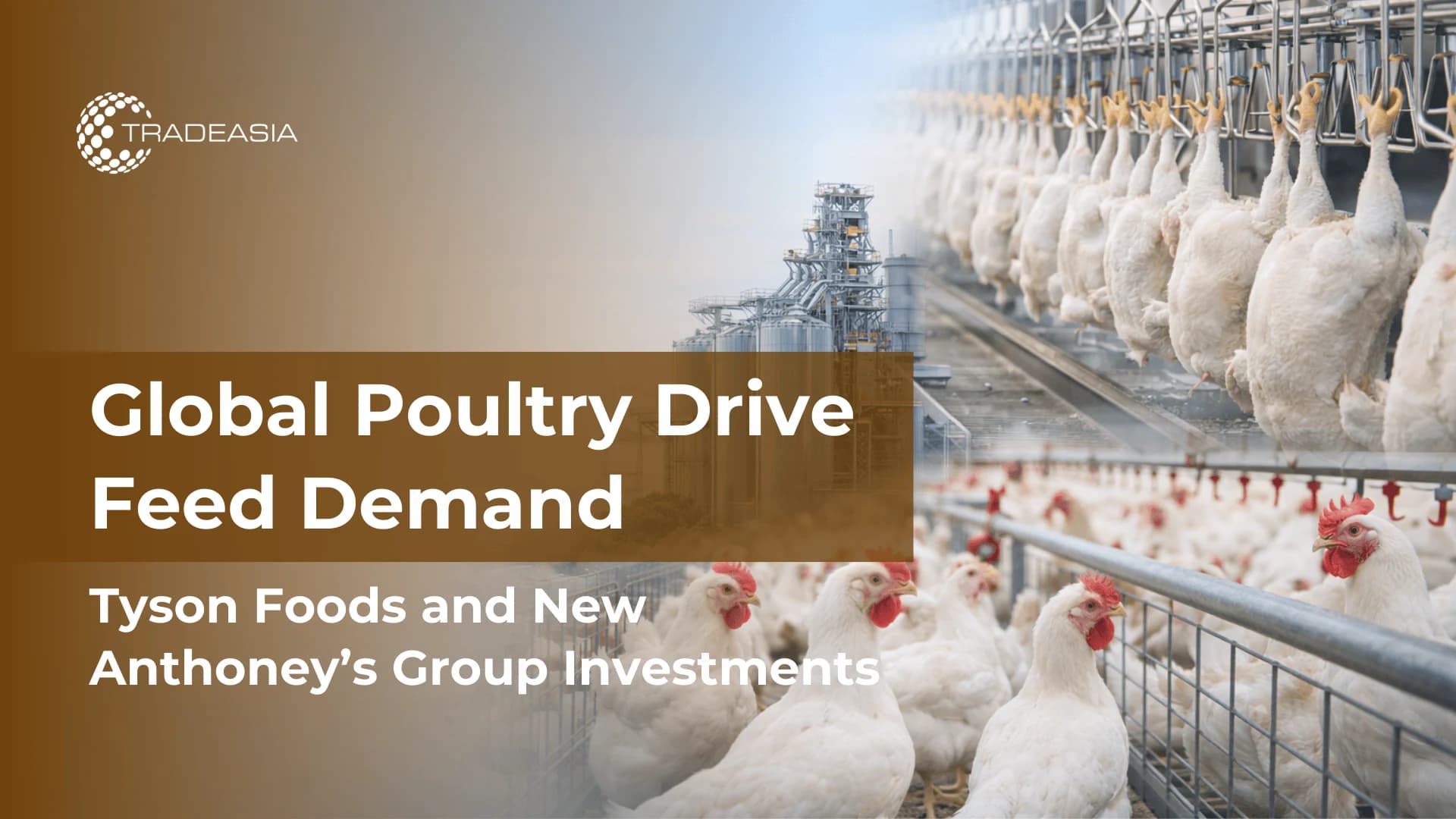
The global poultry industry is entering a new growth phase driven by large-scale investments from major processors. Tyson Foods and New Anthoney’s Group have both announced expansion initiatives that signal confidence in long-term poultry consumption trends. These investments extend beyond meat processing into feed and by-product utilization.
Poultry processing expansion directly impacts the availability and demand for poultry meal. As slaughter and rendering capacities increase, poultry meal becomes a more strategic protein source for compound feed producers. This dynamic strengthens its role in the feed ingredient market.
According to MDPI research on livestock by-product utilization, poultry meal demand grows in parallel with integrated poultry processing systems. Expansion investments therefore translate into predictable increases in feed ingredient volumes.
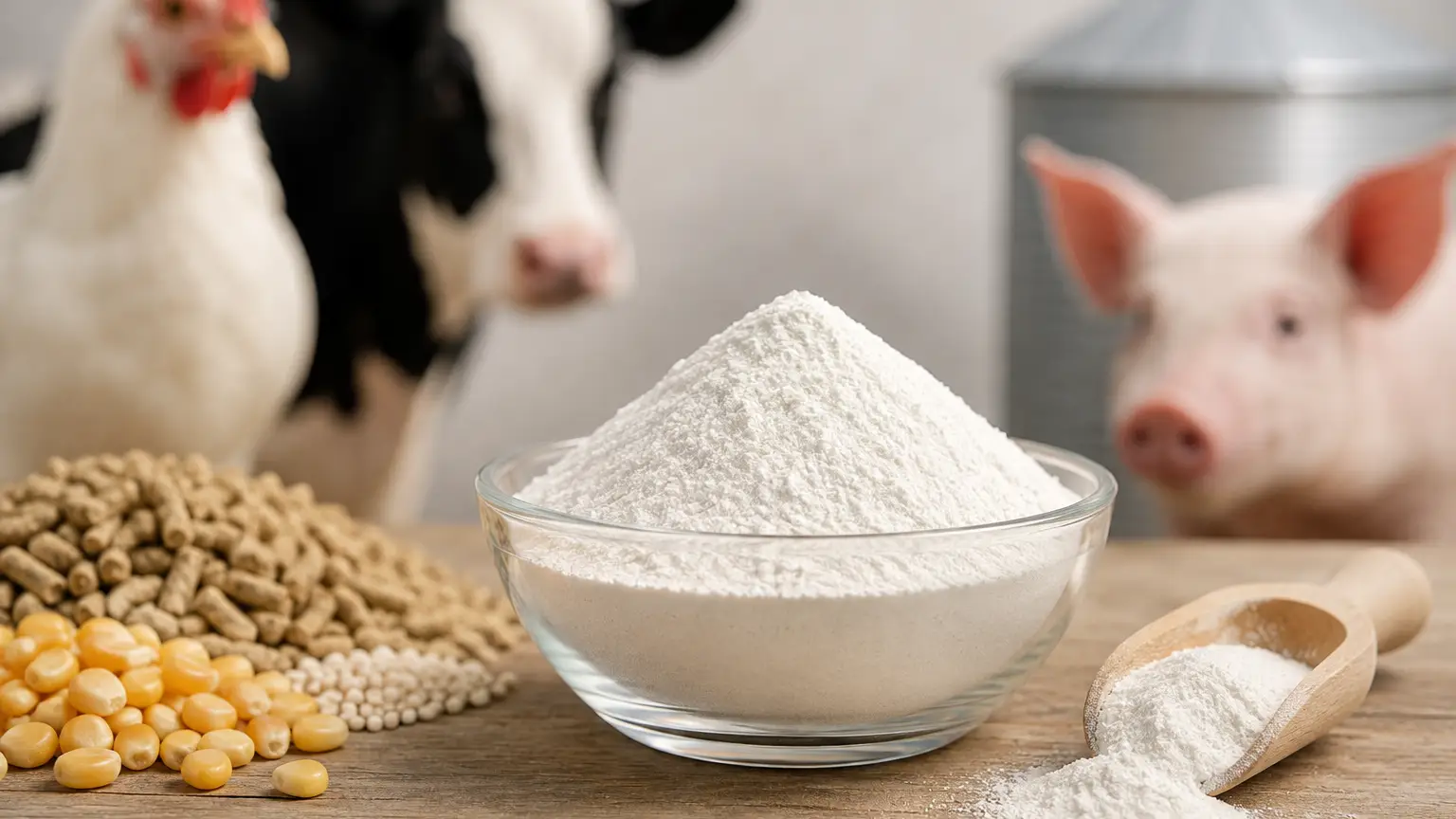
For feed producers, access to standardized products such as Poultry Meal becomes increasingly important as production scales up.
2. Tyson Foods’ Poultry Segment Performance and Market Signals
Tyson Foods’ recent performance highlights strong momentum in its poultry segment. The company reported robust growth in chicken volumes and improved margins, indicating effective capacity utilization and steady downstream demand. This performance reinforces confidence in continued poultry expansion.
Tyson’s investment strategy emphasizes efficiency, value-added processing, and supply chain integration. These priorities increase throughput and support higher rendering output, including poultry meal. As a result, by-products gain greater importance in cost optimization.
Elsevier-published studies on poultry processing economics show that integrated processors rely heavily on by-product monetization to stabilize margins. Poultry meal plays a central role in this model.
Tyson’s strong quarterly results, as reported by WATT Global Media , therefore serve as a forward indicator for sustained poultry meal market growth.
3. New Anthoney’s Group Expansion and Regional Capacity Growth
New Anthoney’s Group’s announced investment to expand poultry operations reflects rising demand in South Asia and neighboring markets. The expansion focuses on processing capacity, cold chain infrastructure, and downstream distribution. These developments support regional protein supply security.
Increased processing capacity inevitably leads to higher volumes of rendered by-products. Poultry meal output grows alongside meat production, strengthening its availability for regional feed markets. This supports local feed manufacturers seeking reliable protein sources.
Springer research on emerging poultry markets highlights that regional processors increasingly adopt integrated models similar to global players. This accelerates poultry meal adoption in domestic feed formulations.
The investment announcement reported by DailyFT underscores how regional expansions complement global poultry industry growth trends.
4. Implications for Poultry Meal Demand and Pricing
Rising poultry processing volumes influence both poultry meal demand and pricing dynamics. As supply expands, poultry meal becomes more consistently available, reducing volatility while supporting higher overall consumption. Demand growth remains structurally linked to feed industry expansion.
Price trends for poultry meal in 2026 are expected to reflect stable demand rather than speculative swings. Feed manufacturers increasingly view poultry meal as a functional protein ingredient rather than a spot-market substitute. This supports long-term contract sourcing.
According to ScienceDirect research on animal feed economics, protein meals derived from poultry processing exhibit lower price volatility when integrated into stable production systems. This characteristic improves procurement predictability.
As global poultry processing expands, poultry meal pricing becomes more closely tied to feed demand fundamentals rather than short-term supply disruptions.
5. Procurement Strategy for Feed Manufacturers
For feed manufacturers, the current investment wave signals the importance of forward-looking procurement strategies. Securing poultry meal supply aligned with poultry processing expansion reduces sourcing risk. Long-term relationships with suppliers become increasingly valuable.
Buyers prioritize consistent quality specifications, traceability, and documentation support. Access to technical data and compliance materials through platforms such as the Download Center supports informed purchasing decisions.
Wiley research on feed procurement strategy emphasizes that predictable supply chains outperform spot sourcing in high-growth livestock markets. Poultry meal fits this profile as poultry processing scales up.
Engaging directly with suppliers via channels like Contact Us enables tailored supply arrangements aligned with production planning.
6. Conclusion: Poultry Meal Market Outlook Toward 2026
Investments by Tyson Foods and New Anthoney’s Group confirm strong confidence in the global poultry industry’s growth trajectory. These expansions directly support higher poultry meal availability and sustained demand from feed manufacturers. The poultry meal market outlook toward 2026 remains positive.
As processing capacity expands, poultry meal becomes a strategic feed ingredient rather than a secondary by-product. Its role in feed formulations strengthens alongside rising poultry production volumes. Market growth is therefore structurally supported.
Strategic sourcing from established products such as Poultry Meal, combined with performance insights from Tyson Foods and regional investment signals from New Anthoney’s Group , enables feed producers to plan confidently. Supporting tools like the Download Center and direct engagement via Contact Us further strengthen procurement decisions.
Looking ahead to 2026, poultry meal remains closely linked to global poultry processing expansion and continues to play a vital role in feed industry supply chains.