Introduction
The animal feed industry in Asia is a dynamic and rapidly expanding sector, central to supporting the world's largest and fastest-growing livestock population. As the demand for meat, dairy, and eggs surges, driven by rising incomes and urbanization, the quest for cost-effective, nutritious, and sustainable feed ingredients has never been more critical. Among the array of feed components, Wheat Bran stands out as a fundamental and versatile ingredient, playing a pivotal role in formulating balanced rations for various livestock.
This article provides a comprehensive analysis of the Wheat Bran market within Asia's animal feed industry, projecting trends and forecasts leading up to 2026. We will delve into the nutritional benefits that make it a staple in feed mills, examine the economic and demographic forces driving its consumption, and identify the key trends set to influence its market trajectory. Furthermore, we will highlight the importance of partnering with reliable suppliers to ensure a consistent stream of high-quality ingredients, with a specific focus on the services offered by industry leaders like Chemtradeasia in Indonesia and India.
The Nutritional Power of Wheat Bran in Animal Diets
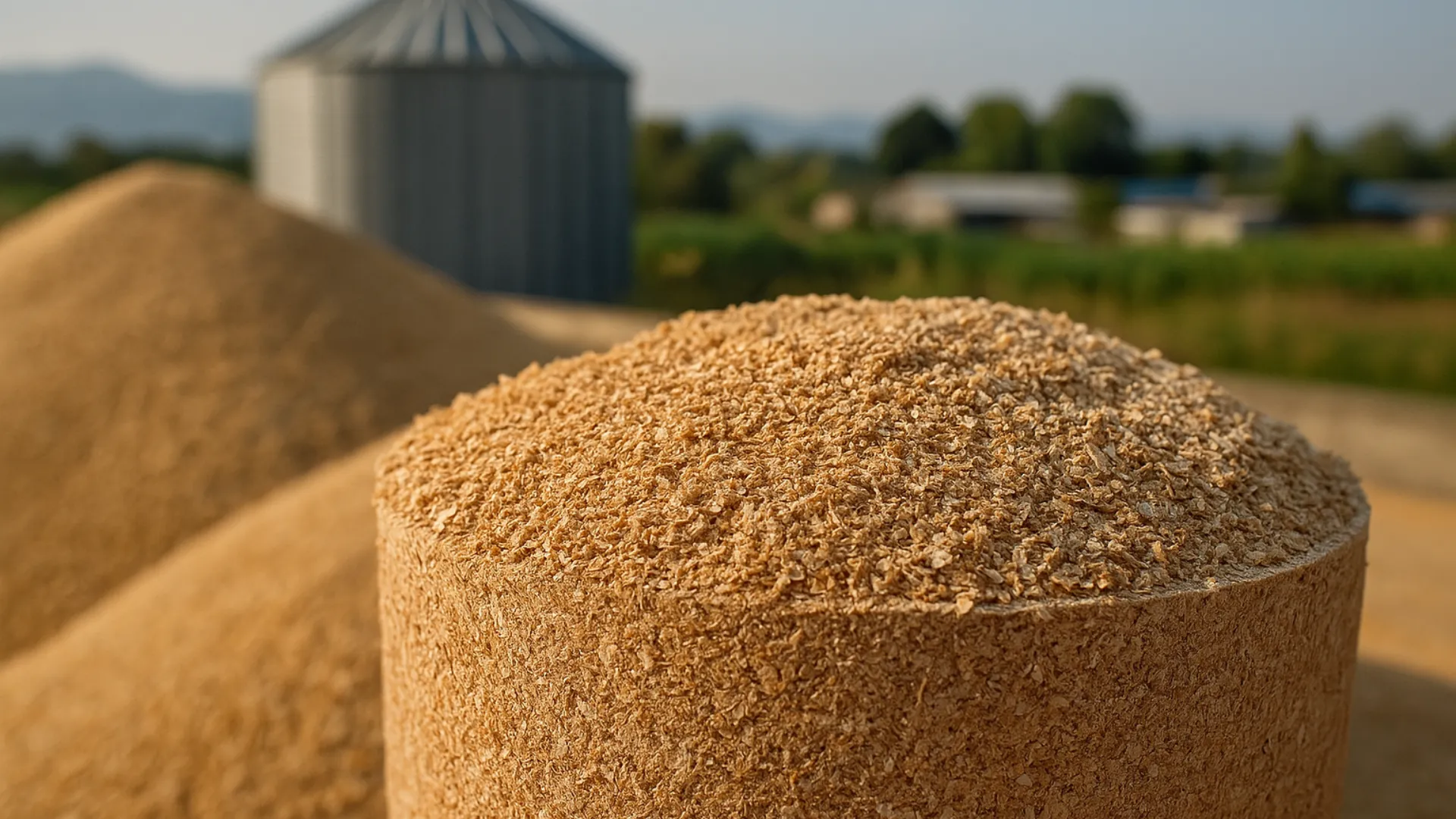
Wheat Bran, the hard outer layer of the wheat kernel removed during the milling process, is far more than just a milling by-product. It is a nutrient-dense ingredient prized for its high fiber content, balanced protein levels, and rich profile of essential minerals and vitamins. Its primary nutritional value lies in its high dietary fiber, particularly in the form of arabinoxylan, which is crucial for maintaining optimal digestive health in ruminants and monogastrics alike. This fiber content promotes healthy gut motility, supports a robust microbiome, and can aid in the prevention of digestive disorders.
For different livestock categories, Wheat Bran serves distinct purposes. In ruminant feed, such as for dairy and beef cattle, its effective fiber stimulates rumination and saliva production, which helps maintain a stable rumen pH and prevents acidosis. For monogastric animals like swine and poultry, it is often used in moderate amounts to provide bulk and support intestinal health without overly diluting the energy density of the diet. Its favorable phosphorus content, though partly in the form of phytate, contributes to skeletal development. When used in conjunction with phytase enzymes, the bioavailability of this phosphorus is significantly enhanced, making Wheat Bran an even more valuable component.
Compared to other common fiber sources like rice bran or corn germ, Wheat Bran typically offers a more consistent protein level and a superior fiber quality that is highly fermentable. Its relatively low fat content also gives it a longer shelf life compared to rice bran, which is prone to rancidity. This combination of nutritional benefits, versatility across species, and functional properties solidifies its position as a cornerstone ingredient in modern animal feed formulation across Asia.
Asia's Wheat Bran Market: Current Landscape and Drivers
The Asian market for Wheat Bran in animal feed is substantial and is intrinsically linked to the region's agricultural and economic dynamics. China and India, as the world's most populous nations with massive livestock sectors, are the dominant consumers. However, Southeast Asian nations like Indonesia, Vietnam, Thailand, and the Philippines are exhibiting some of the highest growth rates, fueled by the rapid intensification of their poultry and swine industries. The market is characterized by a mix of large-scale integrated feed mills and a vast number of small-to-medium enterprises, all contributing to a robust and complex demand structure.
Several powerful drivers are propelling the consumption of Wheat Bran in the region. Firstly, the relentless growth in protein demand is paramount. As hundreds of millions of people enter the middle class, their dietary patterns shift towards higher consumption of animal products, directly increasing the need for animal feed. Secondly, the cost-effectiveness of Wheat Bran is a major factor. As a by-product of the flour industry, it is often more affordable than whole grains or other protein concentrates, allowing feed manufacturers to reduce overall feed costs without severely compromising nutritional value.
Furthermore, the consolidation and modernization of the feed industry in Asia are leading to more sophisticated feed formulations where the functional benefits of Wheat Bran are fully recognized and utilized. Government policies in countries like India and China that support domestic agriculture and food security also indirectly influence the availability and flow of feed ingredients like Wheat Bran. The interconnected nature of global commodity trade means that wheat production levels in key exporting countries like Russia, the United States, and Australia directly impact the supply and pricing of Wheat Bran within Asia.
Key Trends Shaping the Asian Wheat Bran Market Toward 2026
Looking toward 2026, the Asian Wheat Bran market is expected to evolve under the influence of several key trends. A dominant theme will be the heightened focus on sustainability and circular economy principles. As a milling by-product, Wheat Bran is a prime example of upcycling waste into valuable resources, reducing the environmental footprint of both the food and feed industries. This alignment with sustainable practices will make it an increasingly attractive ingredient for producers and consumers who are environmentally conscious.
Another significant trend is the advancement in feed science and precision nutrition. Research is continuously providing deeper insights into the specific role of fiber in animal health and performance. This will lead to more precise and targeted use of Wheat Bran in diets, optimizing its inclusion rates for different production stages (e.g., lactating sows vs. growing-finishing pigs) to maximize its benefits on gut health and overall productivity. The integration of feed enzymes will continue to enhance the nutritional value extracted from Wheat Bran, making it an even more efficient ingredient.
Supply chain volatility and a push for localized sourcing will also be critical. The COVID-19 pandemic and recent geopolitical tensions have exposed the vulnerabilities of long and complex supply chains. This is prompting many Asian feed mills to seek more regional and reliable suppliers for essential ingredients like Wheat Bran. Companies that can provide a consistent, high-quality supply, backed by strong logistics and local market expertise, such as Chemtradeasia with its operations in India and Indonesia, are poised to gain a competitive advantage. Finally, the growing dairy and aquaculture sectors in Asia present new and expanding application avenues for Wheat Bran, further diversifying its demand base.
Sourcing Quality Wheat Bran: The Role of Trusted Suppliers
In a commodity market where consistency is key, the source of your Wheat Bran can significantly impact the quality and performance of your final feed product. Variations in moisture content, contamination with mycotoxins or foreign materials, and inconsistent nutritional profiles are common challenges that can derail feed formulation and animal health. This is where the role of a trusted and professional supplier becomes indispensable. Partnering with a reputable supplier ensures that the Wheat Bran you receive meets stringent quality specifications batch after batch.
Leading suppliers in the region, such as Chemtradeasia, provide more than just a product; they offer a guarantee of quality and reliability. Their operations, accessible through https://www.chemtradeasia.in/ for the Indian market and https://www.chemtradeasia.co.id/ for Indonesia, are built on robust sourcing networks and rigorous quality control protocols. This involves thorough testing for critical parameters like protein, fiber, fat, and moisture, as well as screening for harmful contaminants. This diligence ensures that feed manufacturers can incorporate Wheat Bran into their rations with confidence.
Beyond quality assurance, a supplier's value is measured by its logistical capabilities and customer service. The ability to manage bulk orders, ensure timely deliveries even during peak demand periods, and provide technical support is crucial for the seamless operation of a feed mill. Suppliers with a strong regional presence, like Chemtradeasia, understand the nuances of local markets, regulatory frameworks, and logistical challenges, enabling them to offer tailored solutions that international traders may not be able to match. For any feed business aiming for stability and growth in the competitive Asian landscape, establishing a strategic partnership with a proven supplier of essential ingredients like Wheat Bran is not just an option—it is a strategic necessity.
Conclusion
The trajectory for Wheat Bran in Asia's animal feed industry points toward sustained growth and evolving importance up to 2026. Its proven nutritional benefits, cost-effectiveness, and alignment with sustainable practices cement its role as a fundamental feed ingredient. The market will continue to be driven by the region's insatiable demand for animal protein, while being shaped by trends in precision nutrition, supply chain localization, and the expansion of livestock sectors.
For stakeholders in the animal feed industry—from formulators and nutritionists to procurement managers—understanding these market dynamics is essential for strategic planning. Success will hinge not only on recognizing the value of Wheat Bran but also on securing a reliable supply chain for it. In this context, forging strong partnerships with dedicated and quality-focused suppliers will be a critical differentiator, ensuring that the potential of this versatile ingredient is fully realized in the pursuit of efficient and sustainable animal production across Asia.
Leave a Comment