Introduction
Asia’s animal feed industry is entering a decisive phase of growth and transformation as it moves toward Q4 2025. Rapid urbanization, rising incomes, and changing dietary preferences are driving higher consumption of meat, dairy, eggs, and aquaculture products across the region. This structural shift is pushing feed manufacturers to focus not only on volume, but also on the nutritional quality and cost-efficiency of feed formulations. Within this context, zinc sulphate heptahydrate has emerged as a critical micro-nutrient ingredient for commercial feed production.
Zinc is an essential trace element for all livestock and aquaculture species, supporting immune function, growth, reproduction, and overall productivity. As regulatory frameworks tighten and producers adopt more scientific feeding programs, demand for reliable and consistent sources of zinc is growing. Zinc sulphate heptahydrate, owing to its high solubility and bioavailability, is one of the most widely used inorganic zinc sources in premixes and compound feed across Asia.
At the same time, supply chain resilience and product quality have become central concerns for feed manufacturers. Companies are increasingly turning to established regional suppliers and platforms such as chemtradeasia.in and chemtradeasia.co.id to secure stable, compliant, and competitively priced supplies. This article examines the key trends shaping the zinc sulphate heptahydrate market in Asia in Q4 2025, with a particular focus on the animal feed ingredient segment, product features, and sourcing considerations.
Role of Zinc Sulphate Heptahydrate in Animal Nutrition
Zinc sulphate heptahydrate (ZnSO₄·7H₂O) is widely used in animal nutrition due to its high solubility in water and good bioavailability when compared to many other inorganic zinc salts. In poultry, swine, ruminants, and aquaculture species, zinc plays a pivotal role in enzyme systems, protein synthesis, and cell division. Deficiency can lead to poor growth rates, reduced feed intake, impaired immune response, skin lesions, hoof problems, and reproductive disorders. These performance losses translate into measurable economic costs for producers, making preventive supplementation via feed a standard practice.
In practical feed formulation, zinc sulphate heptahydrate is often incorporated into vitamin–mineral premixes and then added to compound feed. Its crystalline structure and consistent assay allow nutritionists to calculate precise inclusion rates to meet species-specific requirements. For example, commercial broiler diets in Asia typically target zinc levels in the range of 80–120 mg/kg of complete feed, while dairy cattle and beef feedlots may require 40–80 mg/kg depending on production stage and local regulations. Meeting these targets reliably depends on a consistent, standardized zinc source.
Another important dimension is animal health and welfare. A growing body of scientific literature links adequate zinc status with improved gut integrity, better vaccine response, and lower incidence of common infectious diseases. In poultry, sufficient zinc intake is associated with stronger leg bones and better feathering; in pigs, it supports skin integrity and hoof health. As producers in Asia seek to reduce antibiotic use and improve biosecurity, micronutrient optimization, including the use of zinc sulphate heptahydrate, is becoming a central component of integrated health management strategies.
Asia Q4 2025 Market Overview and Key Demand Drivers
By Q4 2025, Asia is projected to remain the world’s largest consumer of commercial animal feed, with leading markets such as China, India, Indonesia, Vietnam, and Thailand driving regional demand. According to industry analyses and trade data from the last few years, Asia accounts for more than one-third of global compound feed output, and this share continues to edge upward. As feed volumes expand, demand for trace mineral additives, including zinc sulphate heptahydrate, is rising in parallel.
Several structural drivers underpin this trend. First, population growth and urbanization are increasing per capita consumption of animal protein. Second, consolidation within the livestock and aquaculture sectors, particularly in China and Southeast Asia, is shifting production from smallholder systems to integrated commercial operations. These larger operations typically follow standardized feed specifications and quality controls, which require consistent use of trace mineral premixes. Third, governments across Asia are promoting productivity gains and disease control in livestock, encouraging science-based nutrition and better feed management.
From a pricing and supply perspective, the zinc sulphate heptahydrate market in Q4 2025 is influenced by global zinc ore prices, energy costs, and environmental regulations affecting smelting and chemical production. While there may be short-term price volatility, the medium-term outlook points to stable or moderately increasing demand from the feed sector. Buyers in Asia are therefore placing greater emphasis on diversifying supplier bases, securing long-term contracts, and working with established regional distributors such as chemtradeasia.in and chemtradeasia.co.id to mitigate supply risks.
Product Features, Specifications, and Applications in Feed
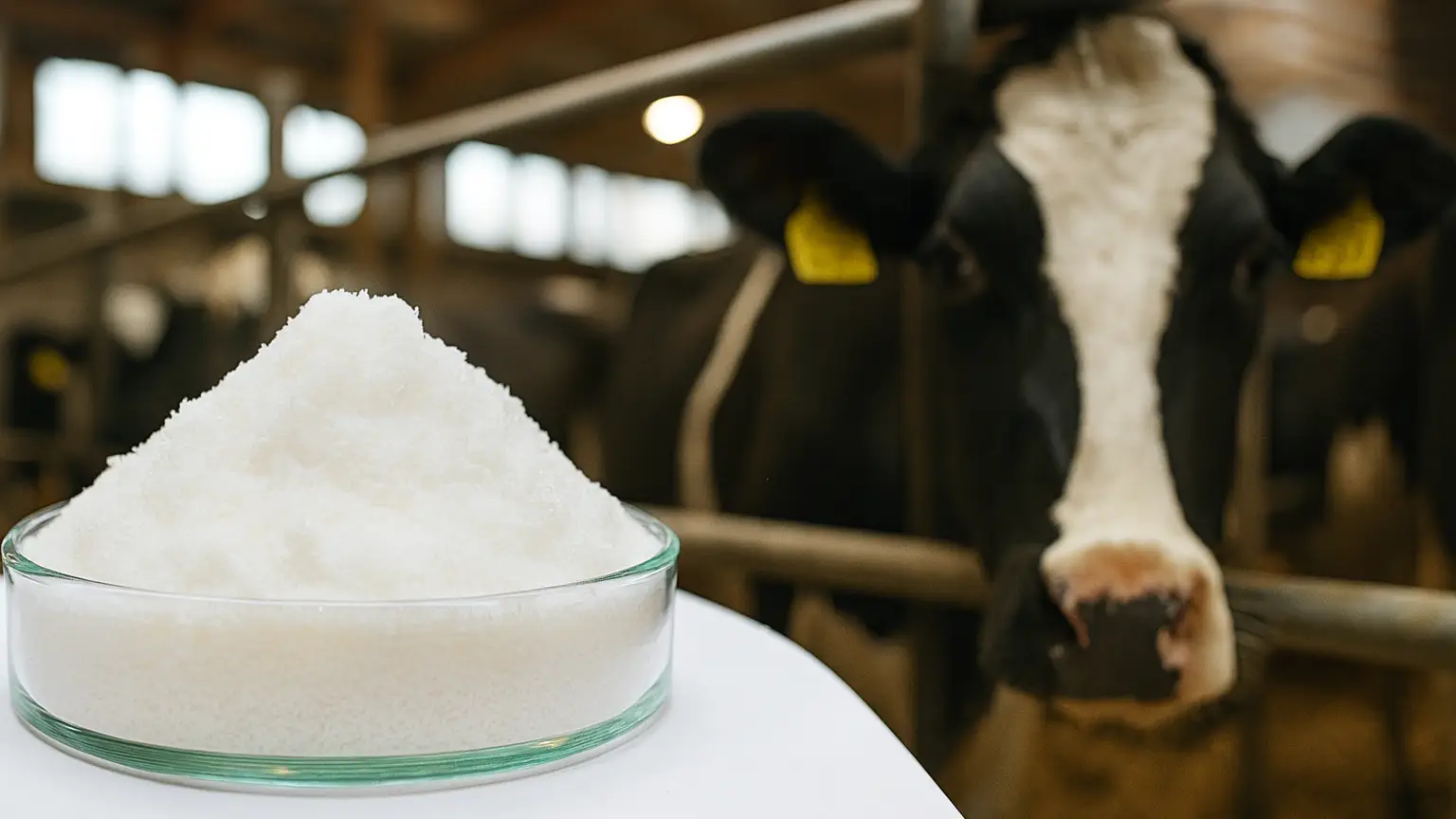
Zinc sulphate heptahydrate supplied for animal feed applications generally conforms to feed-grade or technical-grade specifications. Typical assay values range from 21% to 22.5% Zn by mass, with low levels of heavy metals such as lead, cadmium, and arsenic to comply with feed safety regulations in key Asian markets. The product appears as colorless to white crystalline granules or powder, with high water solubility, which facilitates uniform distribution in premixes and liquid feed supplements.
In terms of handling and formulation, the high solubility of zinc sulphate heptahydrate is particularly advantageous for liquid feed, drinking water supplements, and certain aquaculture applications where rapid dissolution is required. However, it is also widely used in dry premixes and compound feed. Manufacturers typically select particle size distributions that minimize dust formation while ensuring good mixing properties. Proper storage conditions—cool, dry, and protected from moisture—are essential to prevent caking and maintain flowability during processing.
Applications in the feed industry span multiple species. In poultry, zinc sulphate heptahydrate is used to support rapid growth, strong skeletal development, and eggshell quality in layers and breeders. In swine, it contributes to improved daily weight gain, feed conversion, and skin and hoof condition. For ruminants, zinc is vital for rumen epithelial integrity, fertility, and immune function, with supplementation often integrated into mineral blocks or total mixed rations. In aquaculture, particularly shrimp and finfish farming, zinc supports osmoregulation, enzyme activity, and stress resistance, all of which are crucial in intensive culture systems commonly found in Asia.
Sourcing Zinc Sulphate Heptahydrate from Chemtradeasia India and Indonesia
As the regional market matures, feed manufacturers and premix producers are increasingly prioritizing reliability, compliance, and technical support in their sourcing strategies. Platforms such as chemtradeasia.in and chemtradeasia.co.id have become important channels for procuring zinc sulphate heptahydrate across Asia. These platforms connect buyers with vetted producers, streamline documentation, and offer logistics solutions tailored to regional trade routes.
One of the key advantages of working with established suppliers is access to consistent quality and transparent specifications. For feed manufacturers, this means reliable assay values, controlled impurity profiles, and documentation that supports compliance with local feed regulations and global standards such as FAMI-QS or GMP+. Chemtradeasia’s network approach allows buyers to compare options, select appropriate grades, and negotiate contract terms that align with their production schedules and inventory strategies, reducing the risk of stockouts or sudden cost spikes.
Additionally, sourcing through chemtradeasia.in and chemtradeasia.co.id can simplify logistics across diverse Asian markets. With distribution points and partners in multiple countries, these platforms help optimize shipping routes, manage minimum order quantities, and coordinate multimodal transport, which is critical for feed mills operating on tight delivery windows. For many buyers, the combination of product quality, documentation support, and efficient logistics is as important as the base price of zinc sulphate heptahydrate, especially in a competitive feed market where margins are closely managed.
Conclusion
As Asia moves through Q4 2025, the outlook for zinc sulphate heptahydrate in the animal feed ingredient market remains robust. Growth in commercial livestock and aquaculture production, coupled with a clear shift toward more precise and science-based nutrition, is underpinning steady demand for high-quality zinc sources. Feed manufacturers are placing greater emphasis on trace mineral optimization to support animal health, performance, and product quality, and zinc supplementation has become a non-negotiable component of modern feed programs.
Within this evolving landscape, zinc sulphate heptahydrate stands out due to its favorable solubility, bioavailability, and cost-effectiveness compared with many alternative zinc sources. Its versatility across species and feed formats makes it a cornerstone ingredient in premixes and compound feeds throughout the region. At the same time, buyers are increasingly focused on securing dependable, compliant, and competitively priced supplies, prompting closer collaboration with regional distributors and platforms.
By leveraging established sourcing channels such as chemtradeasia.in and chemtradeasia.co.id, feed manufacturers across Asia can better manage quality, logistics, and risk in their zinc sulphate heptahydrate procurement strategies. In a market where animal performance, food safety, and cost control are all under scrutiny, strategic sourcing of this key trace mineral will continue to be a critical factor in the competitiveness and resilience of Asia’s feed industry.
Leave a Comment