
Borax Decahydrate (Technical Grade) - Argentina CAS: 1303-96-4
Chemical companies are entering 2026 with a renewed focus on cash flow, portfolio restructuring and selective investment rather than aggressive expansion. Procurement teams should understand how this strategy could affect production capacity, supplier priorities and long-term supply reliability.

The IMF's April 2026 Regional Economic Outlook highlights the strategic importance of the Strait of Hormuz to global oil, helium, sulfur, ammonia and petrochemical feedstock flows. Chemical procurement teams can use this multilateral data to strengthen supply chain risk assessments and executive decision making.
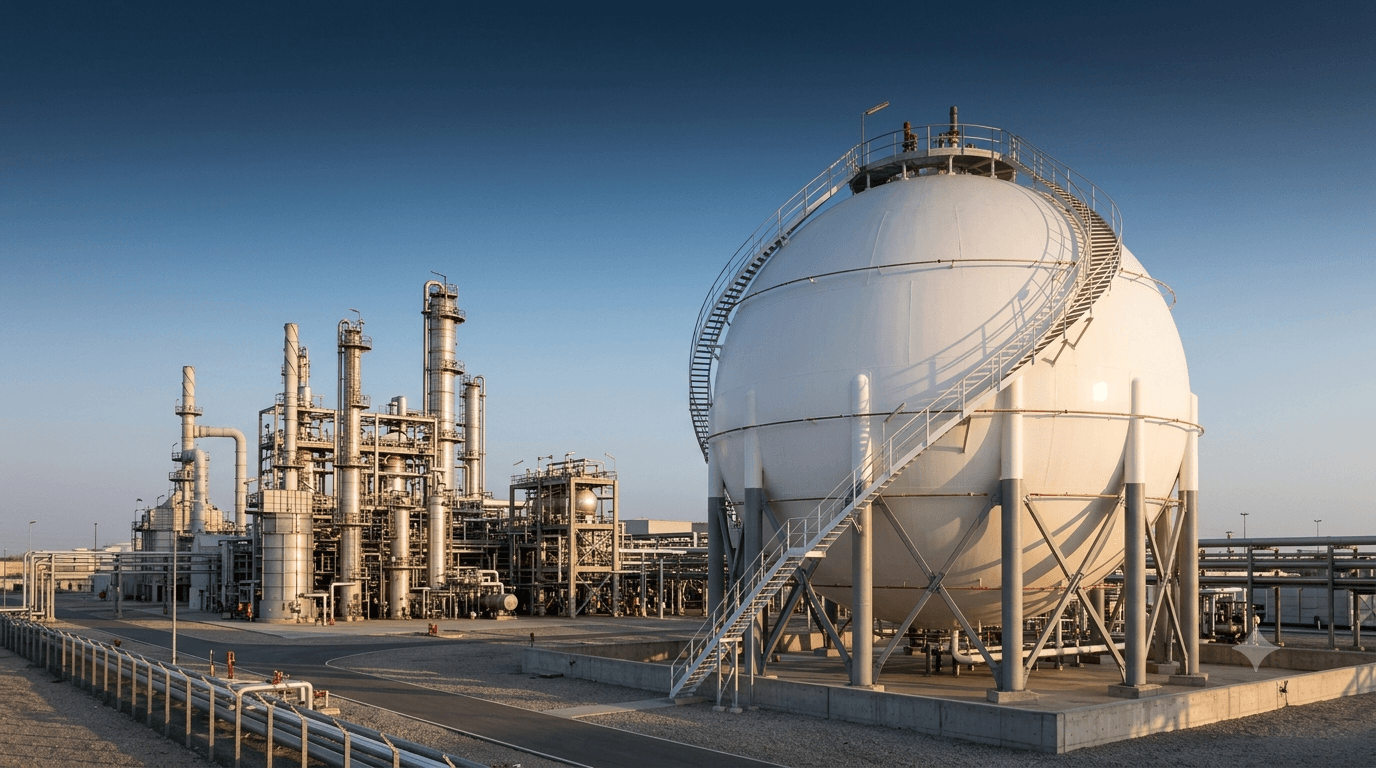
Singapore's PCS force majeure declaration reshaped supply planning for petrochemical buyers across Asia. As Middle East shipping conditions improve, procurement teams now face important decisions on contract renegotiation, delivery schedules and pricing.
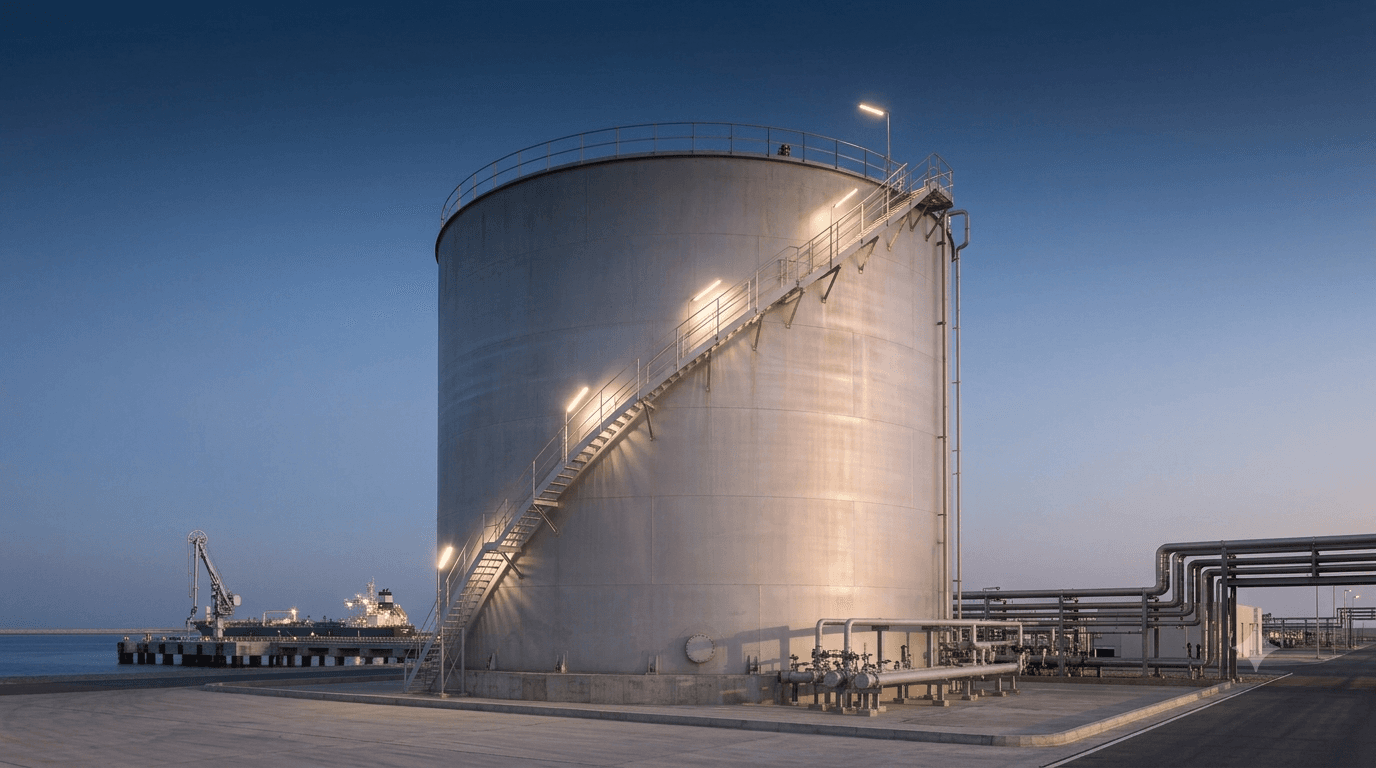
Thailand's emergency fuel export ban highlighted how government intervention can rapidly disrupt downstream chemical supply chains. Procurement teams that rely on Thai petrochemical exports can use this case to strengthen sourcing strategies and reduce exposure to sudden market shocks.
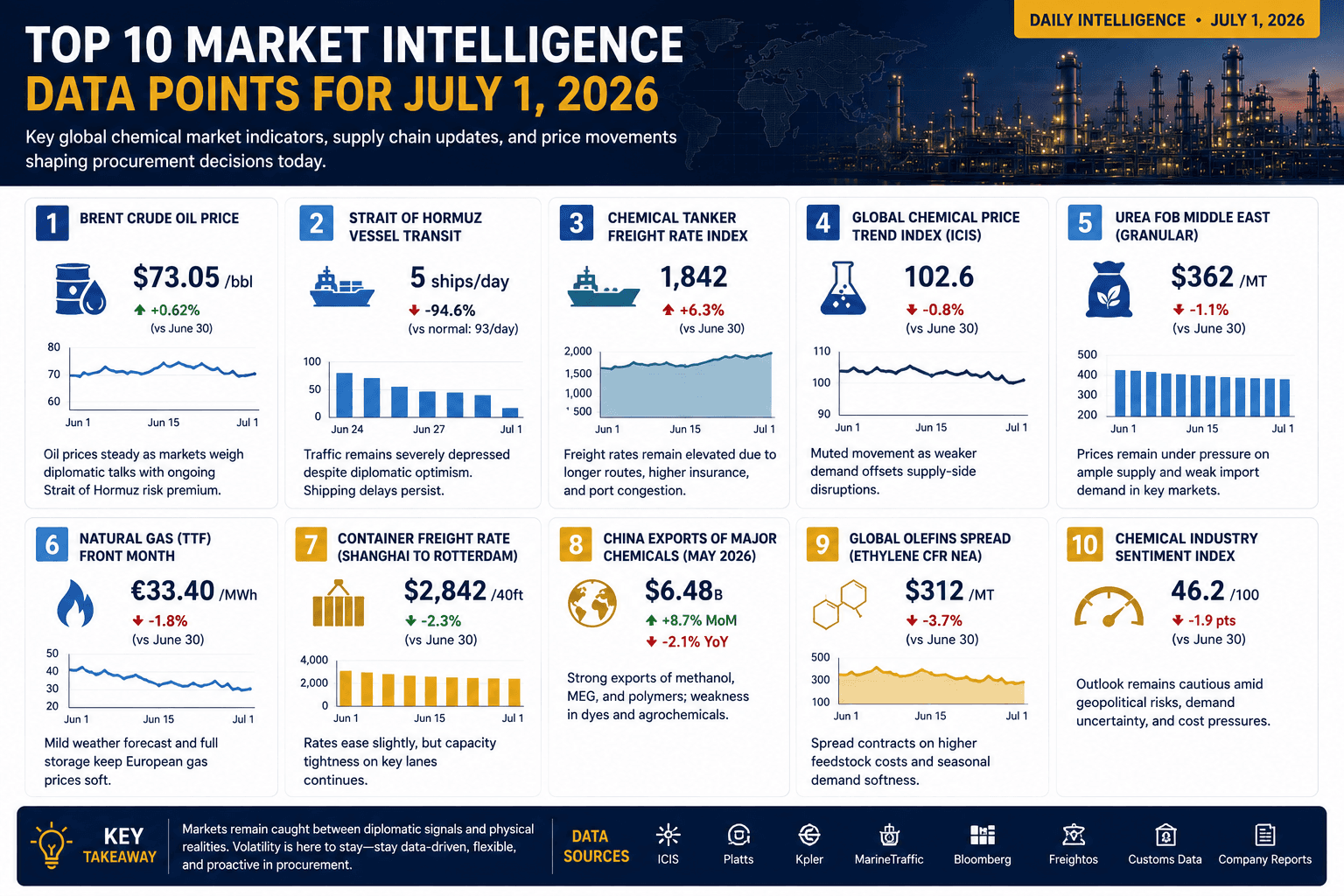
July 1 begins H2 2026 with conflicting market signals for chemical procurement professionals. While oil prices remain stable and diplomacy improves, shipping disruption, insurance risk, new regulations, and supply chain bottlenecks continue shaping one of the most complex operating environments the chemical industry has faced all year.
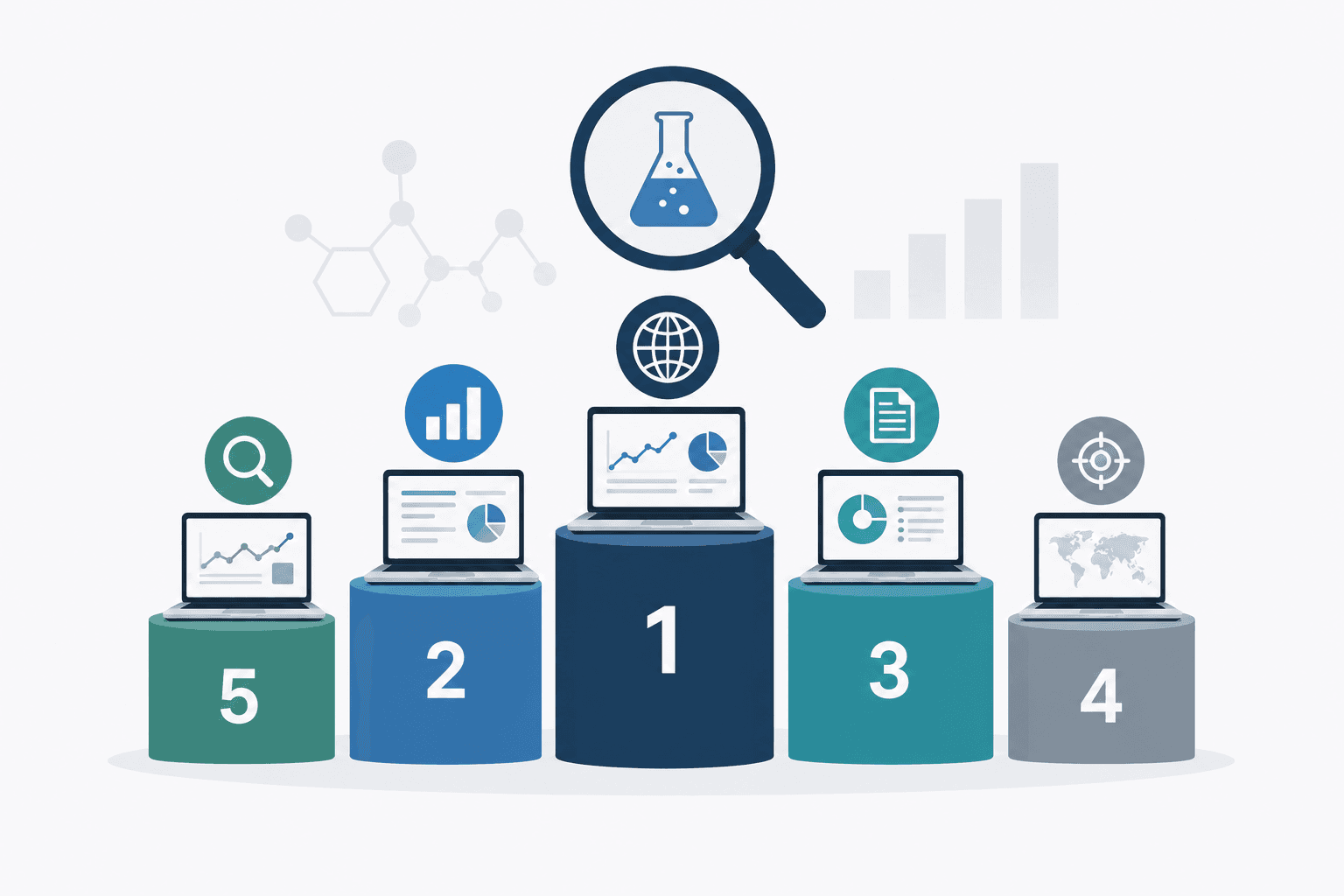
The 2026 Hormuz crisis transformed chemical procurement into an intelligence-driven function. Platforms like ICIS, Kpler, Xeneta, and ChemAnalyst are now essential tools helping procurement teams track prices, shipping disruption, freight rates, and supply risk in real time.
We're committed to your privacy. Tradeasia uses the information you provide to us to contact you about our relevant content, products, and services. For more information, check out our privacy policy.