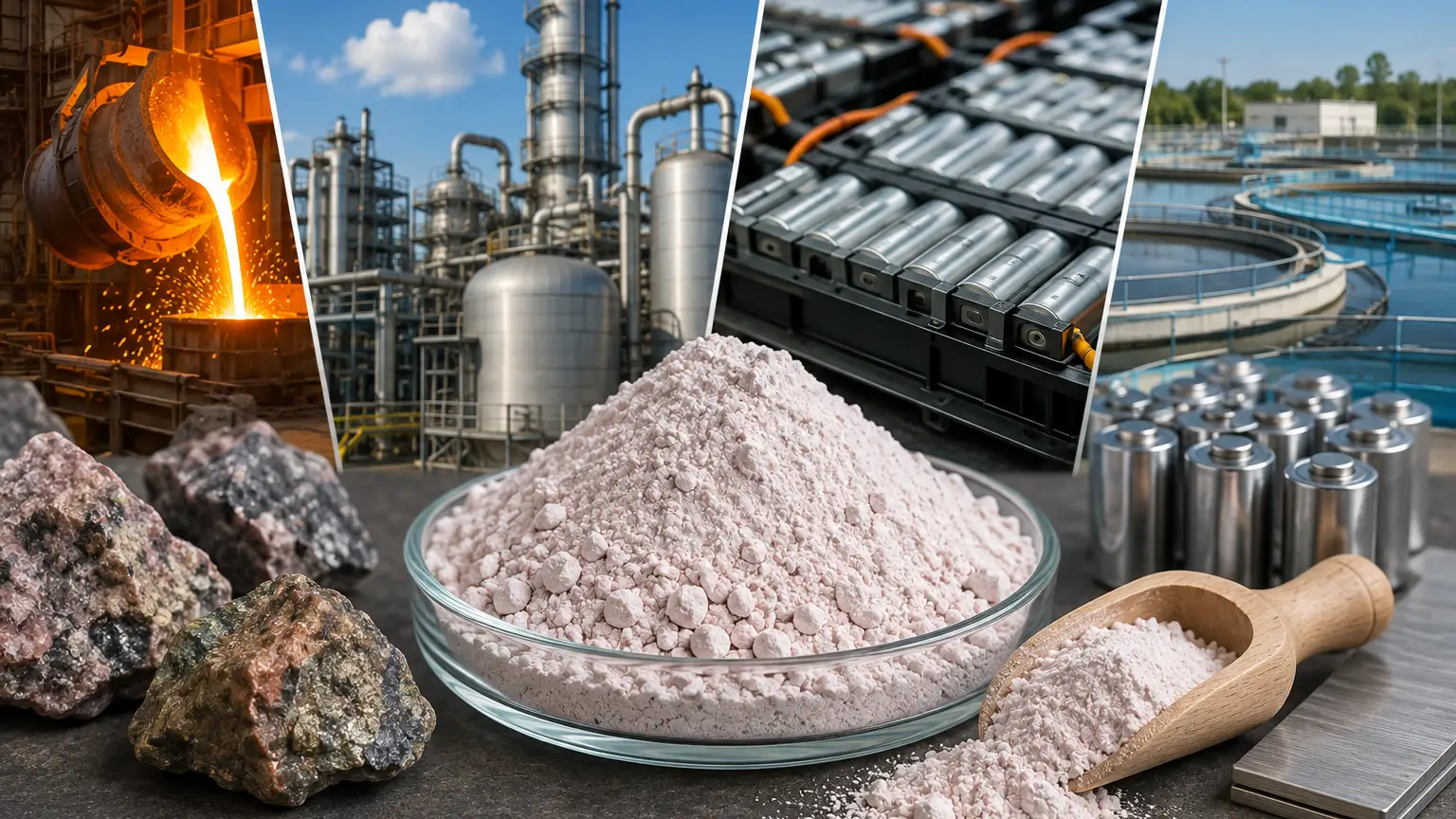
Borax Pentahydrate (Na2B4O7·5H2O) remains a critical industrial mineral in 2026, widely used in borosilicate glass, ceramics, detergents, fiberglass insulation, flame retardants, and specialty chemicals. With growing demand in construction, electronics, and fertilizer sectors, proper borax pentahydrate storage and inventory management have become essential. Effective warehousing practices preserve product quality, prevent caking, ensure worker safety, and maintain compliance with global chemical regulations.
Industrial buyers and warehouse operators handling borax pentahydrate know that operational discipline directly impacts product performance, safety, and cost efficiency.
Why Proper Borax Pentahydrate Storage Matters in 2026
Borax pentahydrate is a hydrated borate salt that contains crystalline water. Although chemically stable under normal conditions, exposure to heat, humidity, or poor storage can degrade its flowability and usability. Caking, compaction, or contamination can result in costly reprocessing or rejected batches.
Supply chain tightening in key producing regions like Turkey and the United States further increases the need for controlled storage conditions. Buyers maintaining optimal warehousing reduce operational risks and avoid unnecessary losses.
Core Borax Pentahydrate Storage and Handling Conditions
Temperature and Ventilation Control
- Store borax pentahydrate in a cool, dry, well-ventilated warehouse.
- Ideal storage temperature: below 29°C (85°F). Prolonged heat exposure may drive off crystalline water, causing particle hardening.
- Avoid direct sunlight and ensure containers are tightly sealed.
- In tropical or high-humidity regions, implement ventilation systems or climate monitoring.
Separation and Chemical Compatibility
- Store away from strong reducing agents (e.g., metal hydrides, alkali metals) to prevent potential hydrogen gas generation.
- Follow chemical segregation guidelines to comply with warehouse safety standards.
First-In, First-Out (FIFO) Inventory Practice
Rotating stock using FIFO reduces compaction, preserves product flowability, and maintains physical integrity.
Preventing Borax Pentahydrate Caking in Warehousing
Caking is a common challenge in borax pentahydrate storage, reducing flowability and increasing operational costs.
Anti-Compaction Measures
- Store bags in a single layer on pallets or racks when possible.
- If stacking is necessary, place lighter granular grades below powder grades to reduce pressure.
- Monitor pallet weight limits and avoid long-term static storage under heavy loads.
Moisture Protection
Borax pentahydrate is sensitive to humidity.
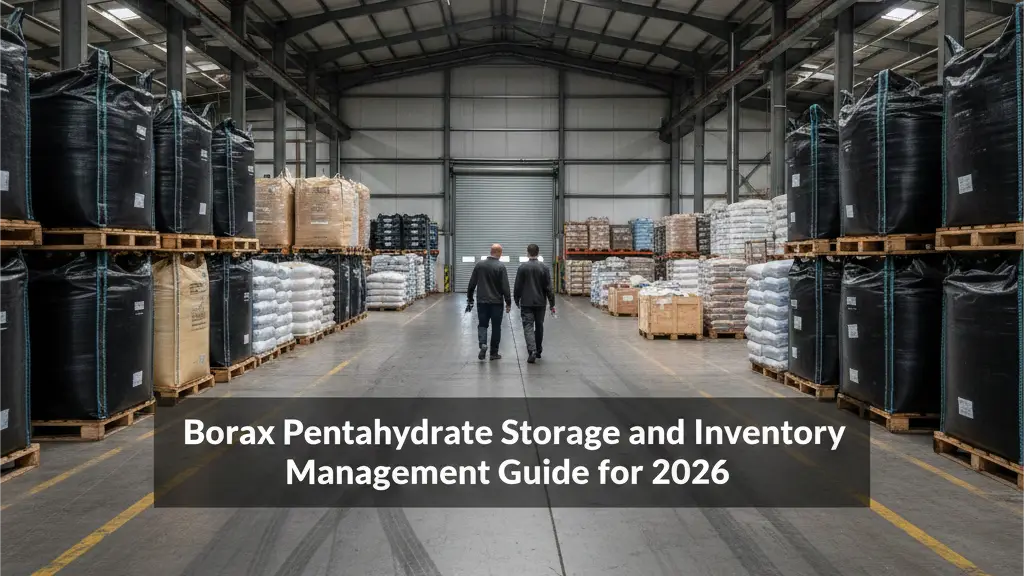
- Use multiwall paper bags with polyethylene liners or woven polypropylene sacks with moisture barriers.
- Inspect packaging for tears during loading, unloading, and storage.
- For bulk silos, install air dryers or dehumidification systems to maintain low internal moisture.
Silo Management Practices
- Aeration and moisture control are critical for bulk storage.
- Regularly inspect for internal condensation and prevent bridging or arching inside metal silos.
Regulatory and Safety Compliance in 2026
Borax pentahydrate is classified under the Globally Harmonized System (GHS) as a Category 2 reproductive toxicant and Category 2 eye irritant. Proper compliance ensures worker safety and regulatory alignment.
Inventory Documentation
Maintain an updated chemical inventory including:
- CAS number: 12179-04-3
- Hazard classification
- Exact storage location
- Quantity on site
- Keep Safety Data Sheets (SDS) accessible, covering first aid, spill response, and personal protection.
Personal Protective Equipment (PPE)
Workers handling dusty borax pentahydrate should use:
- Safety glasses or goggles
- Protective gloves
- Respiratory protection if dust is present
- Good housekeeping reduces dust accumulation and supports compliance.
Environmental and Disposal Considerations
- Boron is essential for plant growth but can harm boron-sensitive crops in excess.
- Spills should be vacuumed or shoveled carefully to minimize dust.
- Dispose of small quantities in approved landfills or reuse off-spec material in compatible industrial applications.
2026 Market Outlook and Inventory Strategy
Market demand for borax pentahydrate remains stable to firm, driven by fiberglass insulation, ceramics, and agricultural micronutrients. Construction recovery in Asia and North America supports ongoing consumption.
Strategic Inventory Recommendations
- Maintain buffer stock to protect against shipment delays.
- Avoid multi-year static storage to reduce compaction and warehousing costs.
- Continuously monitor temperature and humidity.
- Review supplier quality consistency and plan procurement strategically to reduce stockout risk.
Best Practices for Borax Pentahydrate Buyers in 2026
Industrial buyers should prioritize:
- Verified product purity and particle size consistency
- Proper moisture-protected packaging
- Complete regulatory documentation
- Reliable supplier logistics support
- Transparent batch traceability
Working with experienced chemical sourcing partners, such as Chemtradeasia, ensures reliable borax pentahydrate supply across Asia-Pacific and global markets. Structured logistics and verified documentation help maintain compliant and stable inventory for uninterrupted production.
Conclusion
Borax pentahydrate remains a foundational raw material in glass, ceramics, detergents, and specialty chemical industries in 2026. Effective storage and inventory management is critical for product performance, safety, and cost efficiency.
By controlling temperature, preventing moisture ingress, enforcing FIFO rotation, and complying with regulatory standards, companies can safeguard product integrity and ensure operational continuity in a tightening supply environment.