Article 1. Feedstock Instability Pressures the Global Benzoic Acid Supply Chain
The benzoic acid market in March 2026 continues to navigate a complex supply landscape shaped largely by feedstock availability and energy costs. As a critical intermediate used in preservatives, plasticizers, and resins, benzoic acid demand remains stable across multiple sectors. Global market value is estimated at around USD 1.34 billion in 2026, and analysts expect the industry to expand at approximately 5.1% CAGR through 2033 as consumption rises in packaged foods and pharmaceutical formulations.
Average contract prices during the first quarter of 2026 have hovered between USD 1,320 and USD 1,610 per metric ton, with fluctuations closely tied to upstream toluene costs and refinery operating rates.
In a market where procurement reliability can directly impact manufacturing continuity, strategic distribution partners play an increasingly important role. Tradeasia International has positioned itself as a global solution provider in oleochemicals and specialty chemicals, helping manufacturers secure consistent supply through diversified sourcing networks and integrated logistics capabilities.
Aromatics Feedstock and Cost Transmission
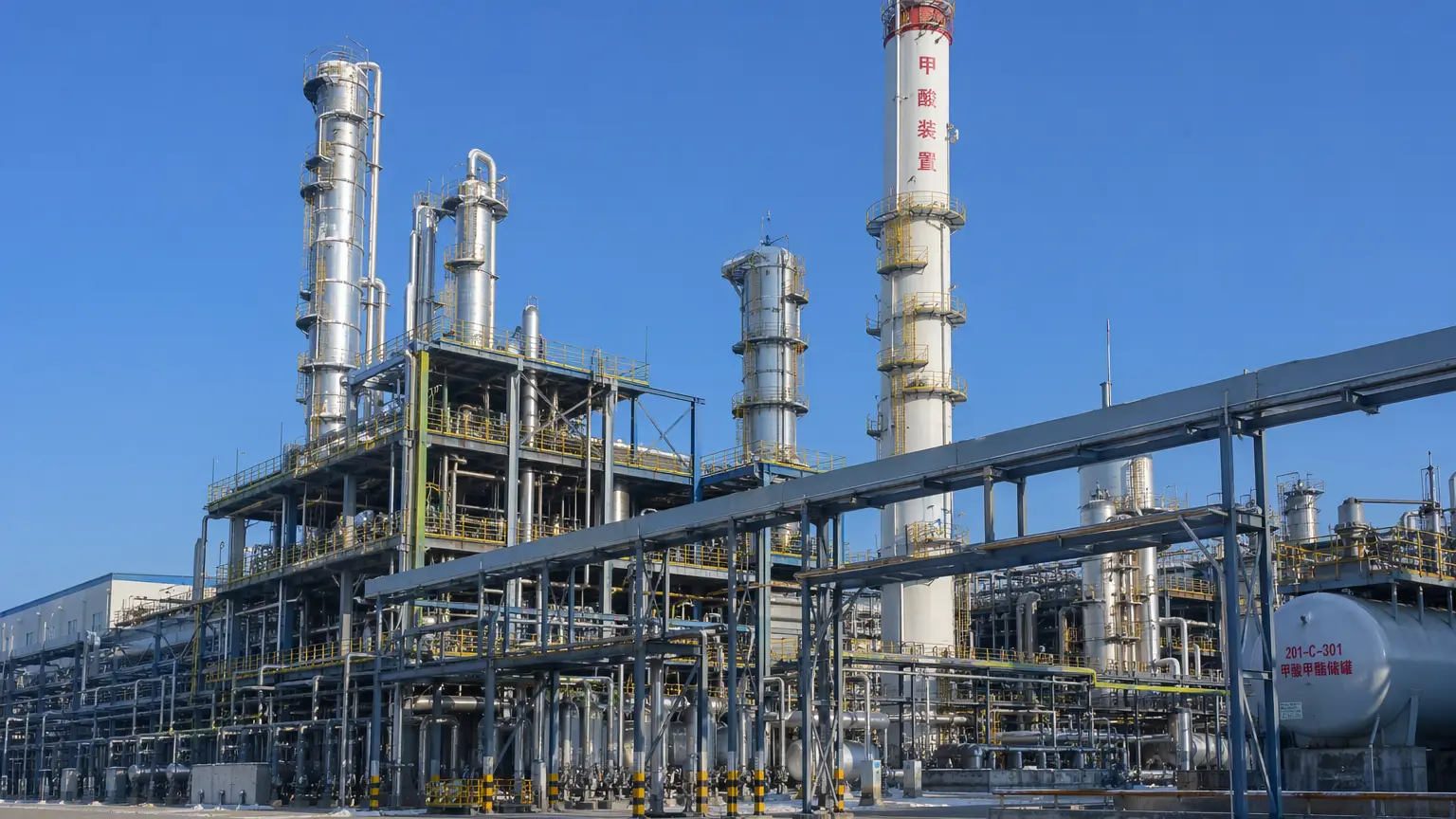
Benzoic acid is predominantly manufactured through the controlled oxidation of toluene, meaning its cost structure is directly linked to the broader aromatics value chain. When refinery margins tighten or petrochemical plants reduce operating rates, benzoic acid production costs quickly follow.
Global production capacity is currently estimated at roughly 1.9 million metric tons annually, though effective utilization typically ranges between 80–85% depending on seasonal maintenance cycles and environmental compliance requirements. Asia remains the largest production hub, accounting for more than 52% of total output, largely due to cost advantages in China and India.
Supply disruptions in these regions can quickly influence international pricing, especially in markets such as Europe and the Middle East that rely heavily on imports.
Forecast: Benzoic Acid as an Industrial Platform Chemical
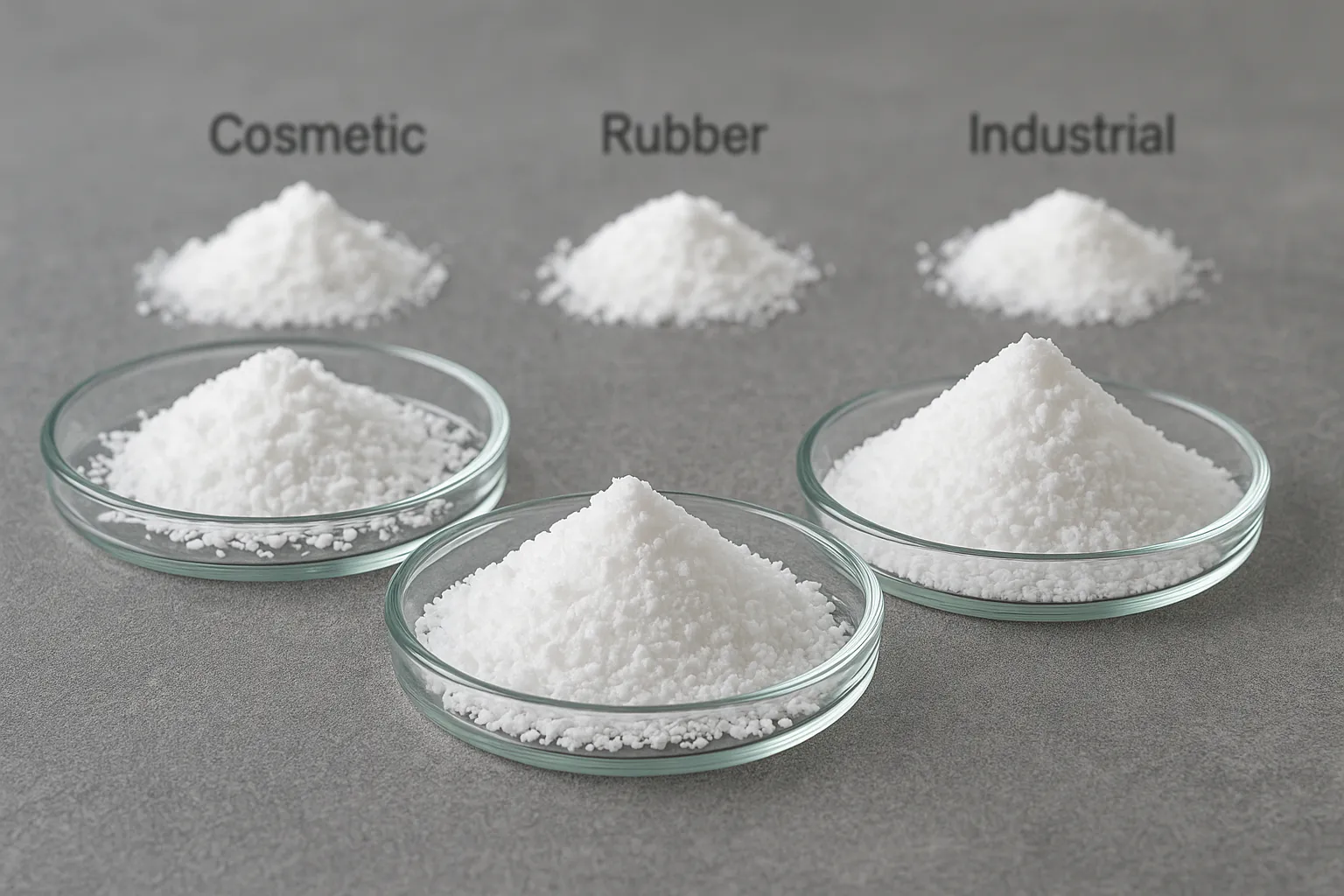
Looking forward, benzoic acid is expected to strengthen its position as a platform chemical for downstream manufacturing. Key derivatives such as sodium benzoate, benzoyl chloride, and benzoate plasticizers continue to gain traction across food, polymer, and coatings industries.
Market projections suggest global demand could push industry revenues toward USD 2.05 billion by 2034, supported by expanding applications and stricter food preservation regulations.
The companies best positioned for growth will be those capable of stabilizing supply chains—balancing feedstock access, efficient logistics, and consistent product quality to meet rising industrial demand.
Sources
1. https://www.futuremarketinsights.com/reports/benzoic-acid-market
2. https://www.imarcgroup.com/benzoic-acid-pricing-report
3. https://www.oleochemicals.com/
Article 2. Shipping Disruptions Continue to Shape Benzoic Acid Trade in 2026
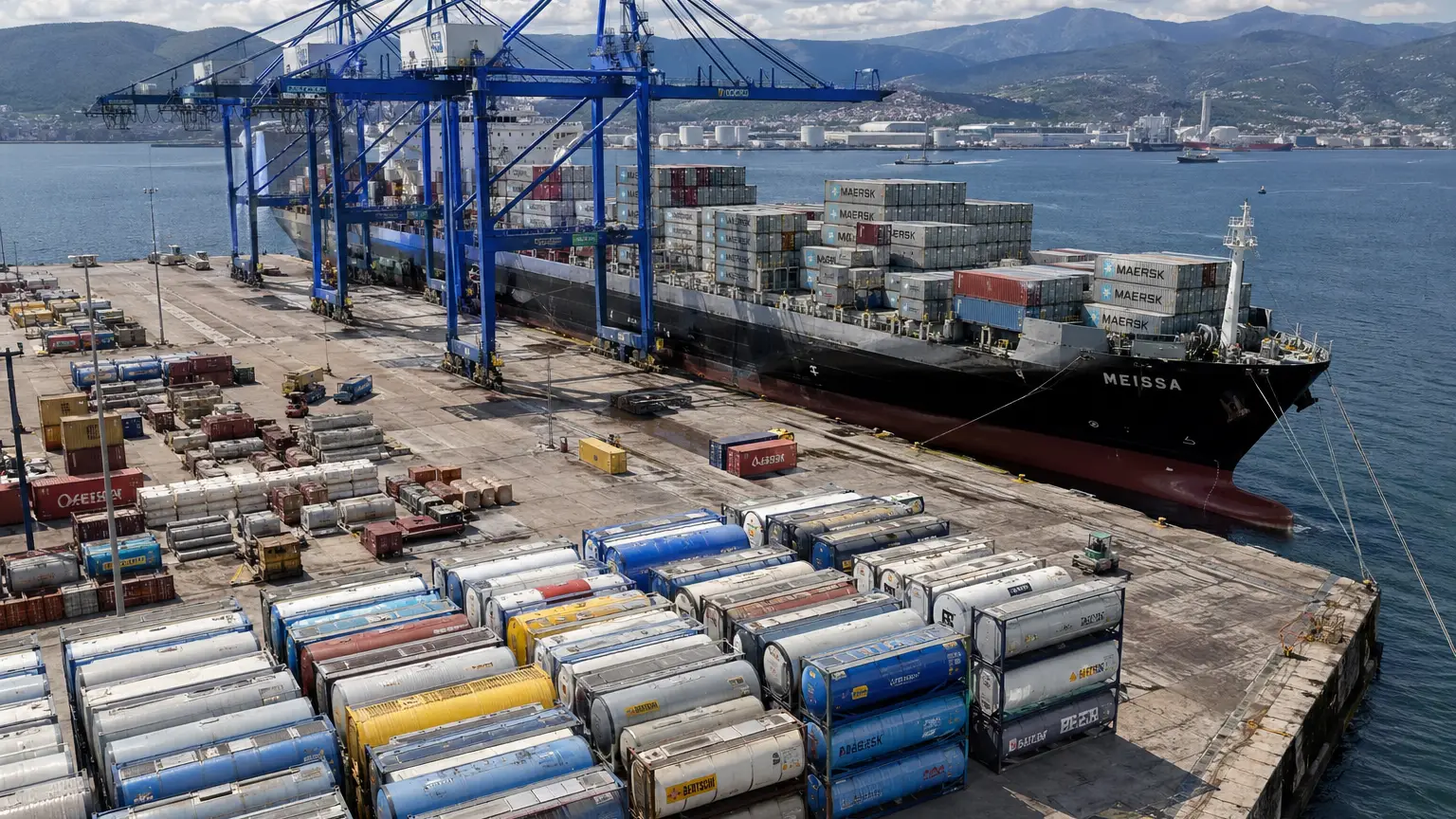
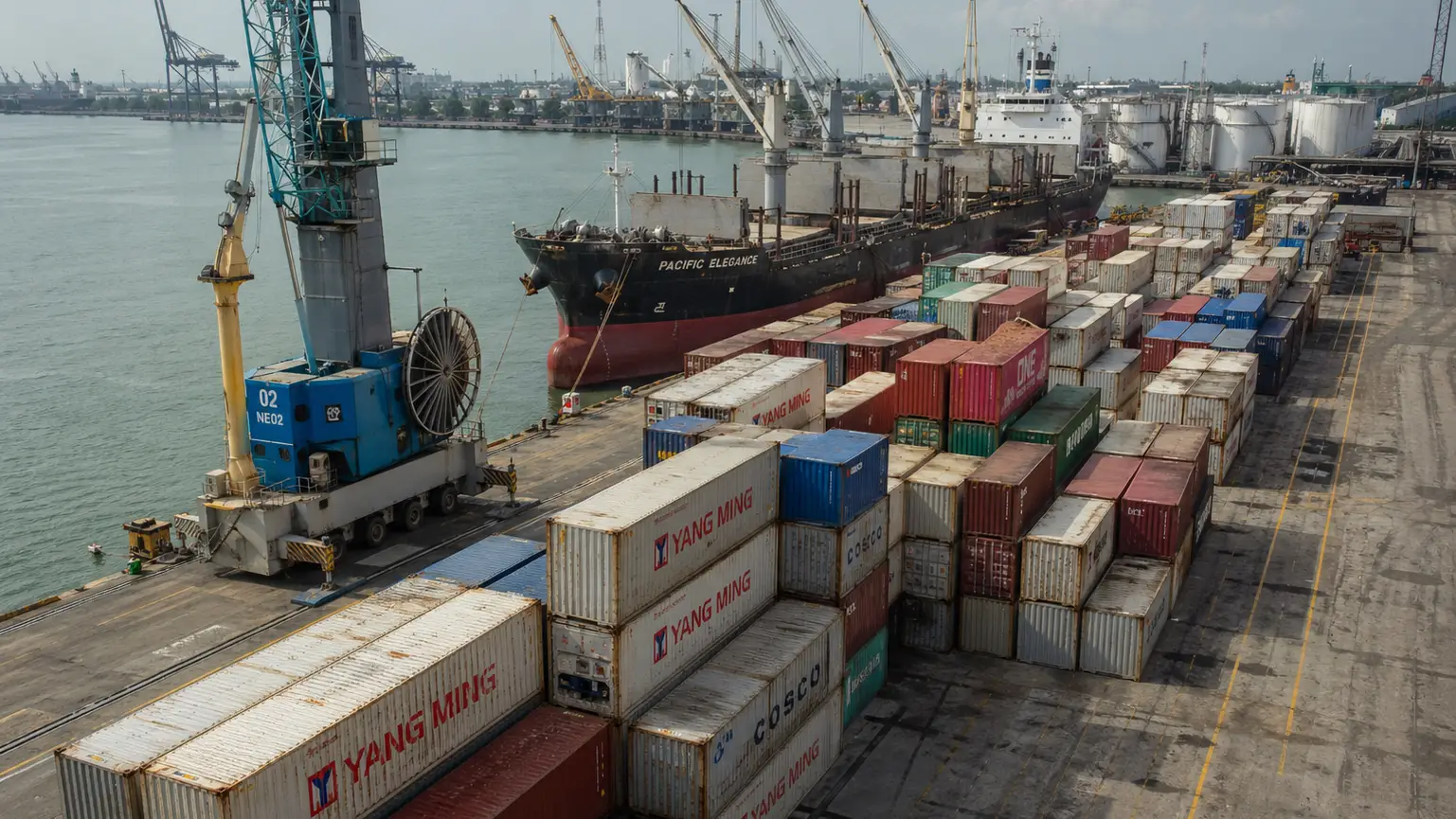
Global shipping routes remain one of the most influential variables in the benzoic acid supply chain. In early 2026, freight disruptions and rising maritime insurance costs across key trade corridors have contributed to uneven price trends across importing regions.
The global market for benzoic acid is currently valued at approximately USD 1.3 billion, with demand projected to grow at around 5.5% CAGR through 2035. Spot prices during the first quarter of 2026 have fluctuated between USD 1,350 and USD 1,650 per metric ton, reflecting both logistics costs and regional inventory levels.
Against this backdrop, global distributors have become critical intermediaries in maintaining supply continuity. Tradeasia International, widely recognized for its role in the oleochemical supply chain, supports industrial buyers by connecting production hubs in Asia with markets across Europe, the Middle East, and Africa.
Concentrated Production Hubs
Benzoic acid production remains geographically concentrated. Facilities in China, India, and Southeast Asia collectively account for more than 55% of global supply, making the Asia-Pacific region the primary export base for the chemical.
Such concentration introduces inherent risks. Temporary plant shutdowns for maintenance or environmental inspections can quickly tighten supply. When combined with shipping delays or port congestion, these interruptions may amplify market volatility.
For import-dependent regions, maintaining diversified sourcing strategies has become a key procurement priority.
Forecast: Platform Chemical Demand Expands
Beyond its traditional preservative applications, benzoic acid is increasingly valued as a precursor for higher-value derivatives. Industries producing plasticizers, alkyd resins, and specialty coatings rely heavily on benzoate intermediates.
Industry analysts anticipate the market reaching nearly USD 2.2 billion by 2035, driven by demand from food processing, personal care products, and pharmaceutical formulations.
As downstream industries continue to expand, reliable logistics and supply chain transparency will become essential for ensuring stable access to this widely used chemical intermediate.
Sources
1. https://www.expertmarketresearch.com/reports/benzoic-acid-market
2. https://www.precedenceresearch.com/benzoic-acid-market
3. https://www.oleochemicals.com/
Article 3. Manufacturing Capacity Expansions Shift the Benzoic Acid Supply Landscape
The global benzoic acid industry is undergoing gradual structural change as producers expand capacity to meet rising demand from food preservation and industrial chemicals. With the market estimated at roughly USD 1.29 billion in 2026,
industry forecasts suggest steady expansion at around 4.9% CAGR over the next decade.
Market pricing has remained relatively firm in recent months, averaging USD 1,300–1,580 per metric ton depending on region and grade purity.
In such a competitive environment, dependable distribution channels are increasingly vital. Tradeasia International continues to play a role in supporting global chemical supply networks, providing sourcing solutions and logistical coordination across multiple chemical categories including oleochemicals.
Regional Production Shifts
Although Asia continues to dominate global output, new investments in production technology are emerging in North America and parts of Europe. Producers in these regions are focusing on energy efficiency improvements and higher-purity product grades to remain competitive.
Global manufacturing capacity is estimated to approach 2 million metric tons annually, though actual production levels vary depending on feedstock supply and operational efficiency.
At the same time, environmental compliance requirements are reshaping manufacturing strategies, particularly in Europe where stricter emission regulations influence operating costs.
Forecast: Expanding Derivative Applications
Benzoic acid’s long-term growth prospects are closely tied to the versatility of its derivatives. Sodium benzoate remains one of the most widely used preservatives worldwide, while benzoyl chloride and benzoate plasticizers serve as critical inputs for coatings, polymers, and resins.
By 2033–2035, the industry is expected to approach USD 2.1 billion in total market value, reflecting growing demand from multiple industrial sectors.
As a platform chemical, benzoic acid will likely remain central to the formulation of products ranging from food preservatives to advanced materials, reinforcing its strategic importance in the global specialty chemicals market.
Sources
1. https://www.mordorintelligence.com/industry-reports/benzoic-acid-market
2. https://www.reanin.com/reports/benzoic-acid-market
3. https://www.oleochemicals.com/
Article 4. Emerging Markets Accelerate Demand for Benzoic Acid
Demand for benzoic acid is increasingly driven by expanding consumer markets in developing economies. Rapid urbanization, combined with the growth of modern food processing industries, is creating new consumption centers across Asia, Africa, and the Middle East.
The global market is expected to grow from approximately USD 1.3 billion in 2026 to nearly USD 2.13 billion by 2032, reflecting steady demand growth across multiple sectors.
Price levels during early 2026 have remained within a typical range of USD 1,280–1,590 per metric ton, depending on shipping costs and local demand conditions.
In response to these evolving market dynamics, supply chain coordination has become increasingly important. Tradeasia International supports industrial buyers by offering global procurement services and integrated logistics solutions across a broad portfolio of chemical products, including oleochemicals.
Food Preservation Drives Consumption
Among all applications, food preservation remains the dominant consumption segment for benzoic acid derivatives. Sodium benzoate is widely used in beverages, sauces, and packaged foods because of its ability to inhibit microbial growth.
This sector accounts for more than 40% of global benzoic acid demand, making it the single largest market driver.
Meanwhile, pharmaceutical applications continue to grow steadily, particularly in antifungal medications and dermatological treatments.
Forecast: Long-Term Market Expansion
Looking ahead, the industry’s outlook remains positive as global consumption of processed foods continues to increase. Demand from the polymer and coatings sectors is also expected to strengthen.
Forecast models indicate the market could achieve a value of approximately USD 2.15 billion by 2034, reinforcing benzoic acid’s role as a foundational chemical intermediate.
For producers and distributors alike, maintaining resilient supply networks will be essential to meet the growing needs of global manufacturing industries.
Sources
1. https://www.researchandmarkets.com/reports/benzoic-acid-market
2. https://www.futuremarketinsights.com/reports/benzoic-acid-market
3. https://www.oleochemicals.com/
Article 5. Sustainability Trends Influence Benzoic Acid Production Strategies
Sustainability considerations are becoming an increasingly important factor in the benzoic acid supply chain. Chemical manufacturers are under pressure to reduce emissions, improve energy efficiency, and enhance transparency throughout their production networks.
In 2026, the global benzoic acid market is estimated to be worth about USD 1.31 billion, with long-term expansion projected at approximately 5% CAGR.
Production costs have gradually increased due to environmental compliance requirements, contributing to average global price levels of USD 1,350–1,700 per metric ton for high-purity grades.
As companies adapt to these regulatory changes, partnerships with reliable supply chain providers are becoming more valuable. Tradeasia International continues to support manufacturers worldwide by facilitating consistent sourcing of specialty chemicals and oleochemical intermediates.
Cleaner Manufacturing Processes
Producers are increasingly investing in cleaner oxidation technologies to improve efficiency and reduce environmental impact. Process optimization has enabled some facilities to increase operational efficiency by up to 20%, lowering both energy consumption and production costs.
Such innovations are essential as governments worldwide introduce stricter chemical manufacturing standards.
Additionally, companies are adopting digital supply chain monitoring systems to track emissions, resource usage, and compliance metrics across production facilities.
Forecast: Strategic Role as a Platform Chemical
Benzoic acid’s long-term outlook remains closely tied to its versatility as a chemical building block. It serves as a precursor for preservatives, plasticizers, and specialty intermediates used in coatings and polymers.
Industry projections suggest the market could reach approximately USD 2.19 billion by 2035, reflecting continued growth in downstream applications.
As sustainability expectations rise across the global chemical industry, benzoic acid producers that adopt efficient technologies and resilient supply networks will likely gain a competitive advantage in the evolving marketplace.
Sources
1. https://www.expertmarketresearch.com/reports/benzoic-acid-market
2. https://www.mordorintelligence.com/industry-reports/benzoic-acid-market
3. https://www.oleochemicals.com/
Leave a Comment