Article 1 — Supply Chain Resilience Shapes the Soy Protein Concentrate Market in 2026
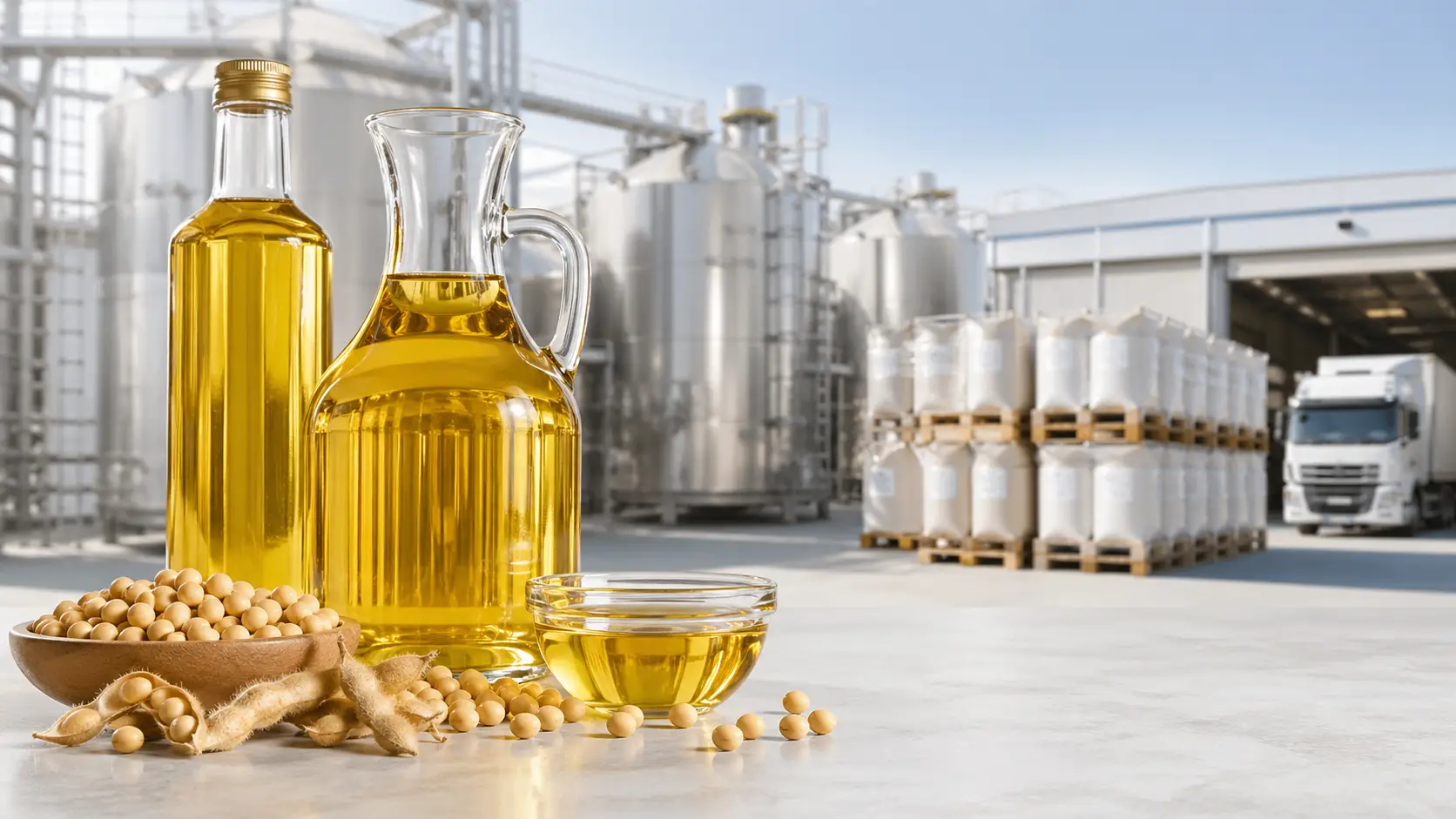
The global soy protein concentrate (SPC) market in early 2026 is defined by a paradox: rising end‑market demand coinciding with persistent supply chain instability. As food manufacturers pivot toward high‑protein, plant‑based formulations, the SPC market is projected to maintain a compound annual growth rate (CAGR) near 4.9 % through 2035, lifting the market size toward USD 4.6 billion by decade’s end. Yet this optimistic trajectory is tempered by ongoing logistics constraints, port delays, and elevated freight costs that compress margins and distort regional pricing. Source availability of defatted soy flakes — the primary SPC feedstock — remains tightly interwoven with harvest variability and transport capacity, magnifying the impact of any disruption along the value chain.

For companies seeking dependable supply, partnering with global solution providers like Tradeasia International is becoming a strategic imperative. By blending robust procurement networks with transparent logistics services, Tradeasia helps industrial buyers cushion volatility and maintain production continuity across international corridors. Their integrated approach to cargo planning and supplier coordination adds resilience for processors operating in time‑sensitive markets.
Strategic Supply Chain Pressures and Cost Dynamics
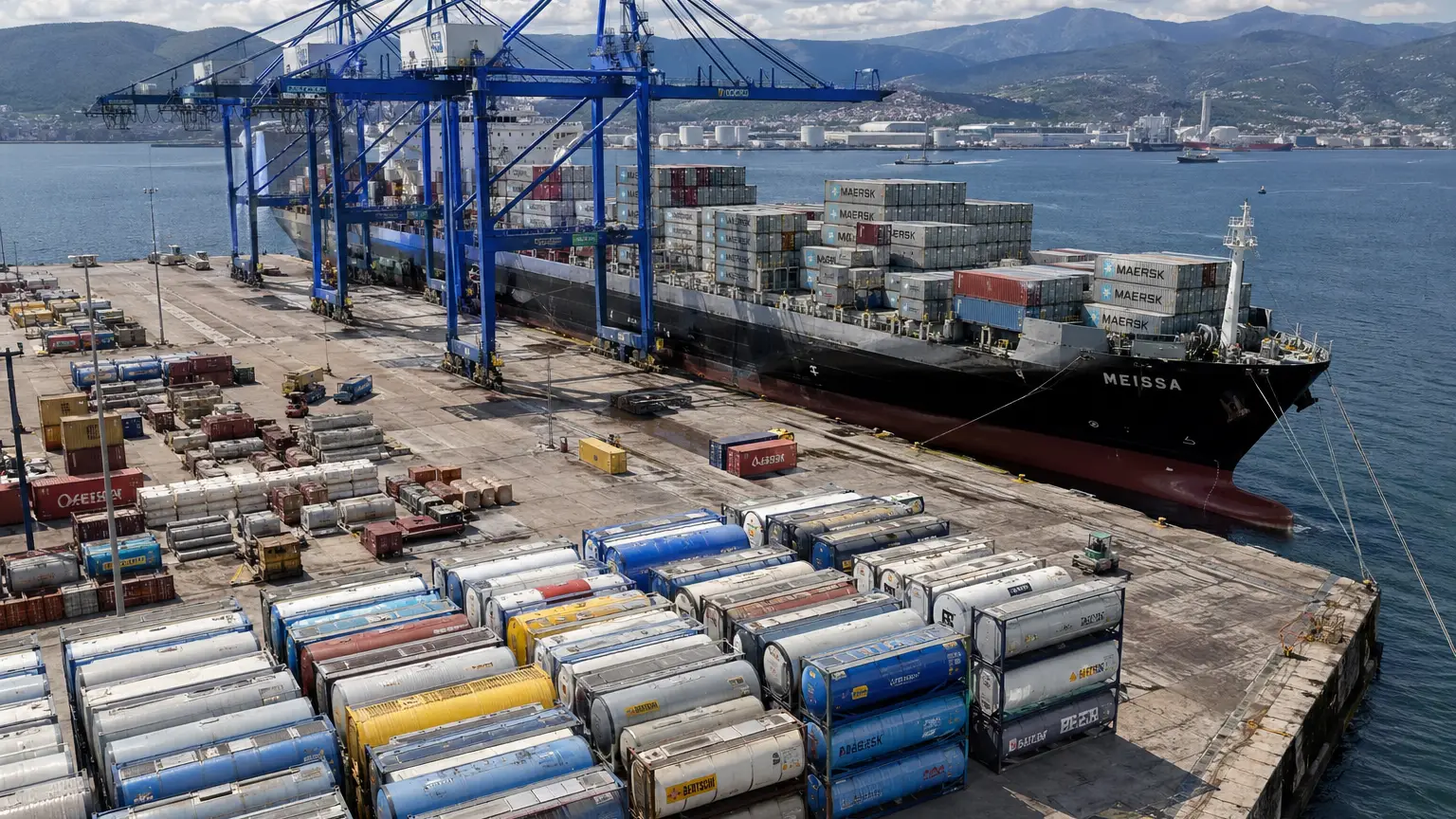
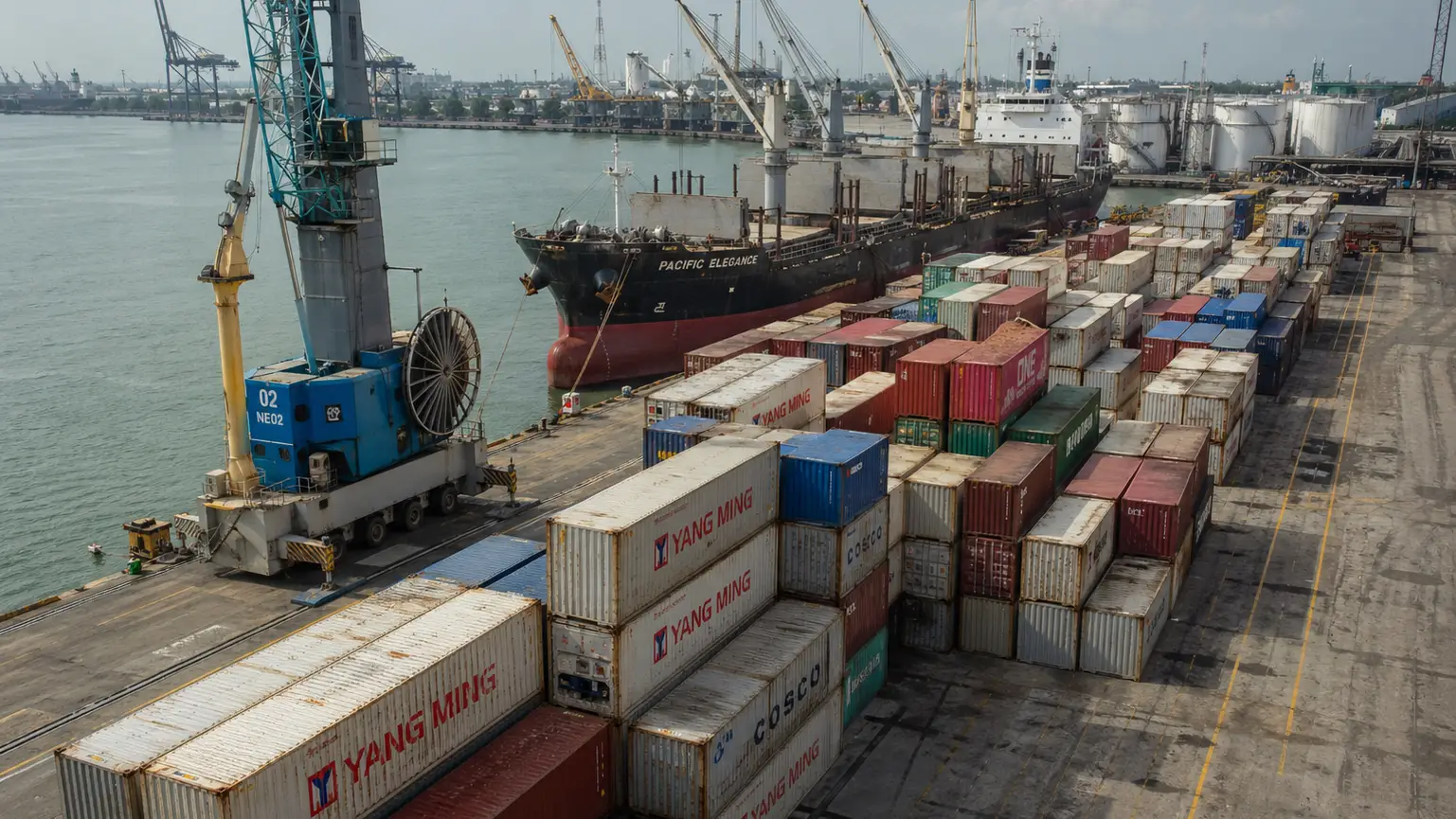
Logistical overhead accounts for an increasing share of delivered SPC costs. Whereas average contract prices hovered closer to pre‑pandemic levels before 2020, today’s benchmarks — which vary by region and grade — are elevated due to constrained inland freight capacity and premium container rates. In major exporting regions such as the United States and Brazil, production volumes continue to grow, but real export volumes are effectively constrained by recurring congestion at key ports. Reductions in railcar availability and tighter trucking capacity further heighten landed costs, squeezing both producers and intermediaries.
Trade flows in Asia‑Pacific — the largest regional SPC consumer bloc — reflect how supply chain sophistication influences competitive advantage. Countries with established port infrastructure and streamlined customs processes enjoy more stable off‑take dynamics, whereas regions with fragmented logistics encounter sharper price swings and occasional shortfalls.
Forecast: Soy Protein Concentrate as a Platform Chemical
Looking beyond conventional food and feed use, SPC is on track to evolve into a platform chemical ingredient for texturizers, nutritional formulations, and emerging bio‑based applications. With demand expected to expand alongside functional food
innovation, consistent supply chain performance will be vital. Forecasts peg the SPC market’s long‑term CAGR above 4.5 % to 5 % through 2035, underpinned by integration into broader bioeconomy frameworks where sustainability, traceability, and flexibility are as critical as price. As industries converge around plant protein ecosystems, effective supply chain orchestration will be a defining factor in market leadership and cost competitiveness.
Sources:
1. Soy Protein Concentrate Market Insights 2026, Towards FNB – https://www.towardsfnb.com/insights/soy-protein-concentrate-market
2. Growth Projections & Market Landscape, Global Growth Insights – https://www.globalgrowthinsights.com/market-reports/soy-protein-concentrates-market-109354
3. Tradeasia International Company Profile, Oleochemicals Asia – https://www.oleochemicalsasia.com/en/overview
Article 2 — Inflation and Logistics: Driving Margins in the Soy Protein Concentrate Market
In 2026, global soy protein concentrate (SPC) manufacturers face a dual challenge: surging demand for plant-based proteins and persistent inflation in logistics and raw material costs. Average SPC prices now hover around USD 2,450–2,700/MT, reflecting higher transport costs, port congestion, and seasonal soybean availability. Despite these pressures, the market remains resilient, with a projected CAGR of 4.9 % through 2035, fueled by growth in plant-based nutrition, feed formulations, and functional food sectors. For many producers, managing freight volatility is now as crucial as managing ingredient quality to protect margins and maintain production continuity.
Tradeasia International offers a strategic advantage in navigating these complexities. Through its global network and end-to-end logistics solutions, Tradeasia provides industrial buyers with predictable sourcing, risk management tools, and streamlined shipping operations. By integrating supply planning and supplier coordination, they help SPC processors stabilize operations even amid fluctuating freight and raw material costs.
Rising Supply Chain Costs and Margin Pressure
Freight costs, often overlooked in pre-pandemic analyses, now account for a significant portion of SPC landed costs. For instance, container premiums along the U.S.-Asia route have increased by over 25 % in the past 18 months, while inland transport limitations in Brazil and Argentina occasionally delay shipments, impacting
spot availability. As a result, manufacturers face margin compression unless they adopt more flexible procurement strategies or leverage partnerships with logistics-savvy distributors.
Price fluctuations are further compounded by regional variations in soybean processing capacity. North America continues to enjoy steady output, but Europe’s SPC supply is more sensitive to regulatory and sustainability mandates, influencing both pricing and delivery reliability. Buyers must therefore evaluate total landed costs, not just FOB prices, to anticipate production economics accurately.
Forecast: SPC as a Platform Chemical Beyond Food
Looking forward, SPC is increasingly regarded as a platform chemical ingredient rather than merely a protein source. Its functional properties make it ideal for texturizers, nutritional polymers, and specialized bio-based applications. Analysts predict a CAGR above 5 % through 2035, as supply chain improvements and logistics innovation reduce uncertainty, allowing SPC to integrate more deeply into industrial food formulations and emerging protein-based materials. Reliable access to SPC will be a competitive differentiator for manufacturers embracing advanced plant-based innovation.
Sources:
1. SPC Supply Chain and Market Trends – PG Chemicals
2. Tradeasia International Overview – Oleochemicals Asia
3. Soy Protein Concentrate Market Insights 2026 – Towards FNB
Article 3— Regional Supply Chain Nuances Shape Soy Protein Concentrate Markets
As of March 2026, the soy protein concentrate (SPC) market is increasingly defined by regional supply chain differences. Asia-Pacific leads in consumption, accounting for nearly 45 % of global demand, driven by urbanization, rising plant-based food adoption, and expanding feed industries. In contrast, North America leverages integrated soybean crushing and SPC production capacity to maintain stable supply, while Europe emphasizes sustainability and traceability, often resulting in higher operational costs. These regional disparities affect both pricing and delivery reliability, creating a competitive advantage for regions with efficient, well-integrated logistics.
Tradeasia International helps manufacturers navigate these regional complexities. By offering global sourcing, strategic warehousing, and transparent supply chain solutions, Tradeasia ensures consistent SPC availability across multiple markets. Their expertise reduces lead times and minimizes exposure to local
transport bottlenecks, enabling companies to respond flexibly to market demand spikes.
Regional Price and Volume Dynamics
SPC prices in Asia-Pacific range from USD 2,500–2,700/MT, slightly higher than North America (USD 2,400–2,600/MT) due to import tariffs and freight costs. Production volumes in the U.S. and Brazil combined exceed 7 million MT annually, yet logistical constraints can slow export shipments, occasionally tightening regional supply. Europe’s SPC imports are subject to traceability and sustainability regulations, which influence both cost and sourcing strategy. Companies that can efficiently coordinate across these regional dynamics are better positioned to manage margins and maintain consistent supply for industrial applications.
Regional supply efficiency also affects contract negotiations. Buyers in Asia-Pacific increasingly favor suppliers offering transparent lead times and flexible delivery terms. This has elevated the value of logistics-savvy intermediaries, like Tradeasia International, who can bridge supply-demand gaps without exposing manufacturers to excessive cost volatility.
Forecast: SPC as a Platform Ingredient Across Regions
Beyond conventional food and feed, SPC is becoming a platform chemical ingredient for functional foods, plant-based meat analogues, and specialty nutrition. With projected global CAGR above 5 % through 2035, its role is expected to expand into industrial formulations requiring high protein purity and functional versatility. Regional supply chain efficiency will be critical, as consistent access to raw materials ensures SPC can support advanced applications across multiple geographies.
Sources:
1. Global SPC Market Trends – Towards FNB
2. Regional Supply Dynamics – Global Growth Insights
3. Tradeasia International Overview – Oleochemicals Asia
Article 4 — Regulatory and Traceability Pressures in the Soy Protein Concentrate Supply Chain
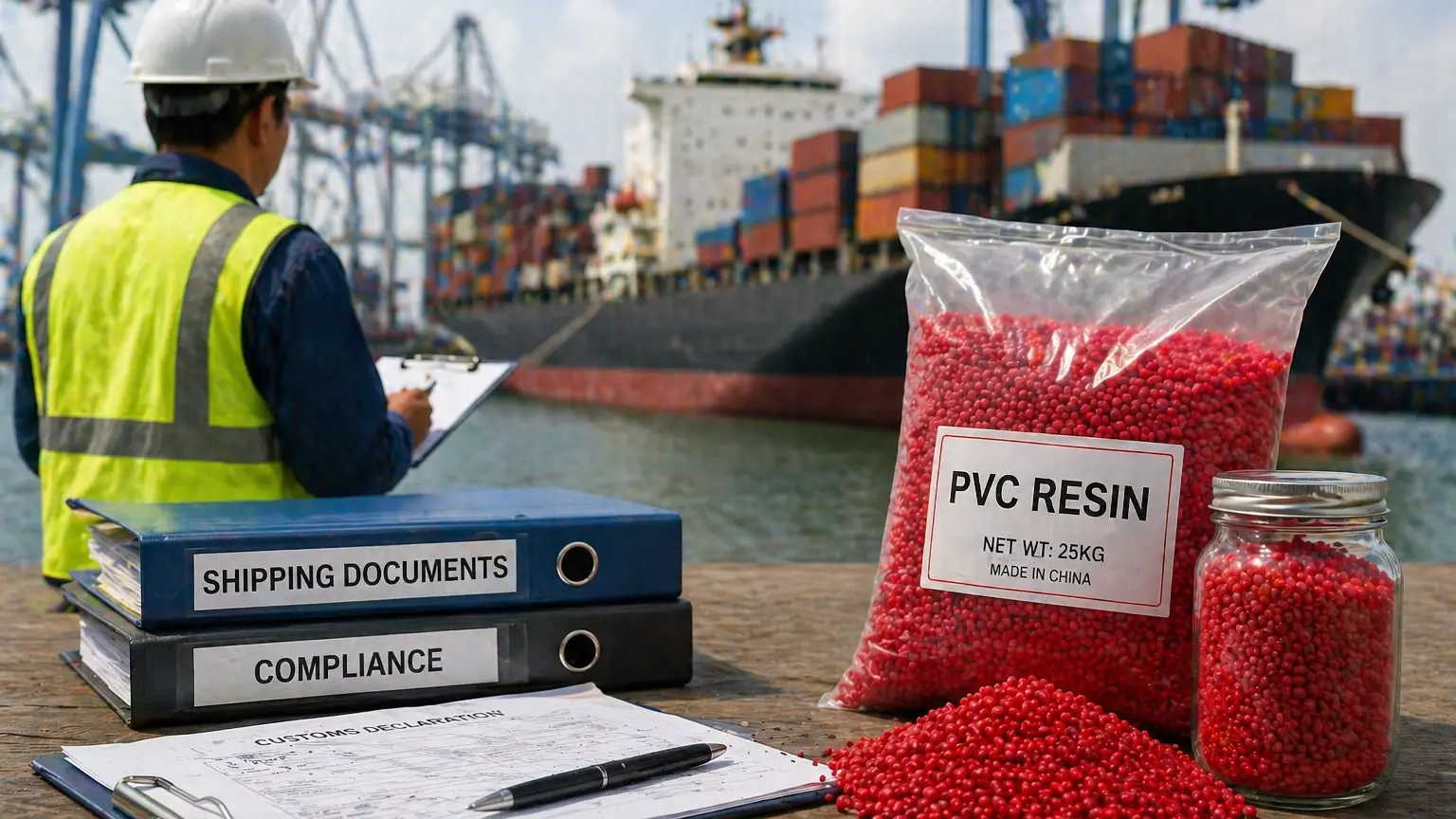
In 2026, soy protein concentrate (SPC) supply chains face mounting scrutiny from regulatory authorities worldwide. Sustainability mandates, particularly in the European Union and parts of Asia, are reshaping procurement practices. Traceability of soybeans from farm to final SPC product has become a critical factor in market access. Compliance with these regulations often requires additional documentation, third-party certifications, and verification systems, influencing both operational costs
and delivery timelines. Despite these complexities, global SPC demand continues to grow, with forecasts indicating a CAGR of roughly 4.9 % through 2035, underscoring the resilience of plant-based protein markets.
Tradeasia International supports manufacturers in meeting these regulatory challenges. By integrating compliance and logistics services, Tradeasia enables buyers to source traceable, certified SPC while maintaining operational efficiency. Their global network ensures that regulatory requirements are met without disrupting supply continuity, making them a valuable partner for industrial-scale protein production.
Compliance Costs and Operational Complexity
Regulatory compliance is not merely administrative; it carries tangible cost implications. Maintaining full traceability across sourcing regions often necessitates additional tracking systems, documentation, and audits, which can increase the effective landed cost of SPC by 5–10 %. Furthermore, regions with stricter sustainability mandates, such as the EU, may require third-party certifications for deforestation-free sourcing or environmentally responsible cultivation practices, adding complexity to cross-border logistics.
Companies that fail to integrate compliance into their supply chain risk delayed shipments or restricted market access. As a result, strategic supply chain partners with expertise in regulatory navigation are increasingly valued, particularly for organizations seeking to enter high-demand, compliance-driven markets.
Forecast: SPC as a Platform Chemical with Integrated Compliance
Looking to 2035, soy protein concentrate is poised to evolve beyond a conventional protein ingredient into a platform chemical for functional foods, nutritional polymers, and bio-based materials. With an expected CAGR exceeding 5 %, its adoption will rely heavily on supply chains capable of ensuring traceability, sustainability, and regulatory alignment. Manufacturers that integrate these compliance mechanisms early will gain a competitive advantage in high-growth, regulation-intensive markets.
Sources:
1. EU and global regulatory impacts – arXiv Paper on Soy Traceability
2. Tradeasia International Overview – Oleochemicals Asia
3. SPC Market Insights 2026 – Towards FNB
Article 5— Innovation and Logistics: Unlocking New Opportunities in Soy Protein Concentrate
By March 2026, innovation and logistics efficiency have become defining factors for competitiveness in the soy protein concentrate (SPC) market. Manufacturers are investing in predictive supply chain tools, digital tracking, and flexible sourcing strategies to navigate fluctuating soybean availability and transport bottlenecks. These advances allow companies to maintain consistent production of high-protein ingredients while responding rapidly to spikes in demand from plant-based foods, nutraceuticals, and functional beverages. Global SPC production is projected to continue growing, with a CAGR above 5 % through 2035, while average price points range from USD 2,450 to 2,700/MT, depending on quality and regional supply conditions.
Tradeasia International strengthens the link between innovation and supply chain reliability. Through its global sourcing and logistics platform, Tradeasia ensures timely delivery of SPC, reducing uncertainty and supporting manufacturers’ ability to scale innovative formulations. Their integrated services—from supplier vetting to cross-border shipping—allow industrial clients to focus on R&D and product development while maintaining stable raw material access.
Process Innovation and Efficiency Gains
Advancements in concentration technologies and modular processing systems are improving SPC yields and reducing energy intensity. These innovations enable processors to convert soybean flours into high-purity SPC more efficiently, lowering per-unit costs and enhancing sustainability credentials. Coupled with digital supply chain solutions, companies can better forecast raw material needs, mitigate inventory risk, and respond to regional market fluctuations, giving them a competitive edge in an increasingly crowded plant-protein sector.
Logistics efficiency also plays a critical role in industrial adoption. Regions with reliable port infrastructure and integrated transport networks experience fewer supply interruptions and tighter price volatility, allowing companies to execute contracts with confidence. Those leveraging technology-driven supply management tools—such as Tradeasia International’s platform—gain operational flexibility while protecting margins in a market with fluctuating commodity costs.
Forecast: SPC’s Expanded Industrial Footprint
Looking forward, SPC is set to evolve into a platform chemical ingredient for applications beyond conventional food and feed, including plant-based meat analogues, protein-enriched polymers, and functional nutritional matrices. Analysts forecast a global CAGR exceeding 5 % through 2035, supported by innovations in
processing, traceability, and supply chain management. Manufacturers that integrate production efficiency with advanced logistics capabilities are likely to capture the most value in this rapidly growing market.
Sources:
1. SPC market growth and innovation – Global Growth Insights
2. Tradeasia International Overview – Oleochemicals Asia
3. Soy Protein Concentrate Market Insights 2026 – Towards FNB
Leave a Comment